
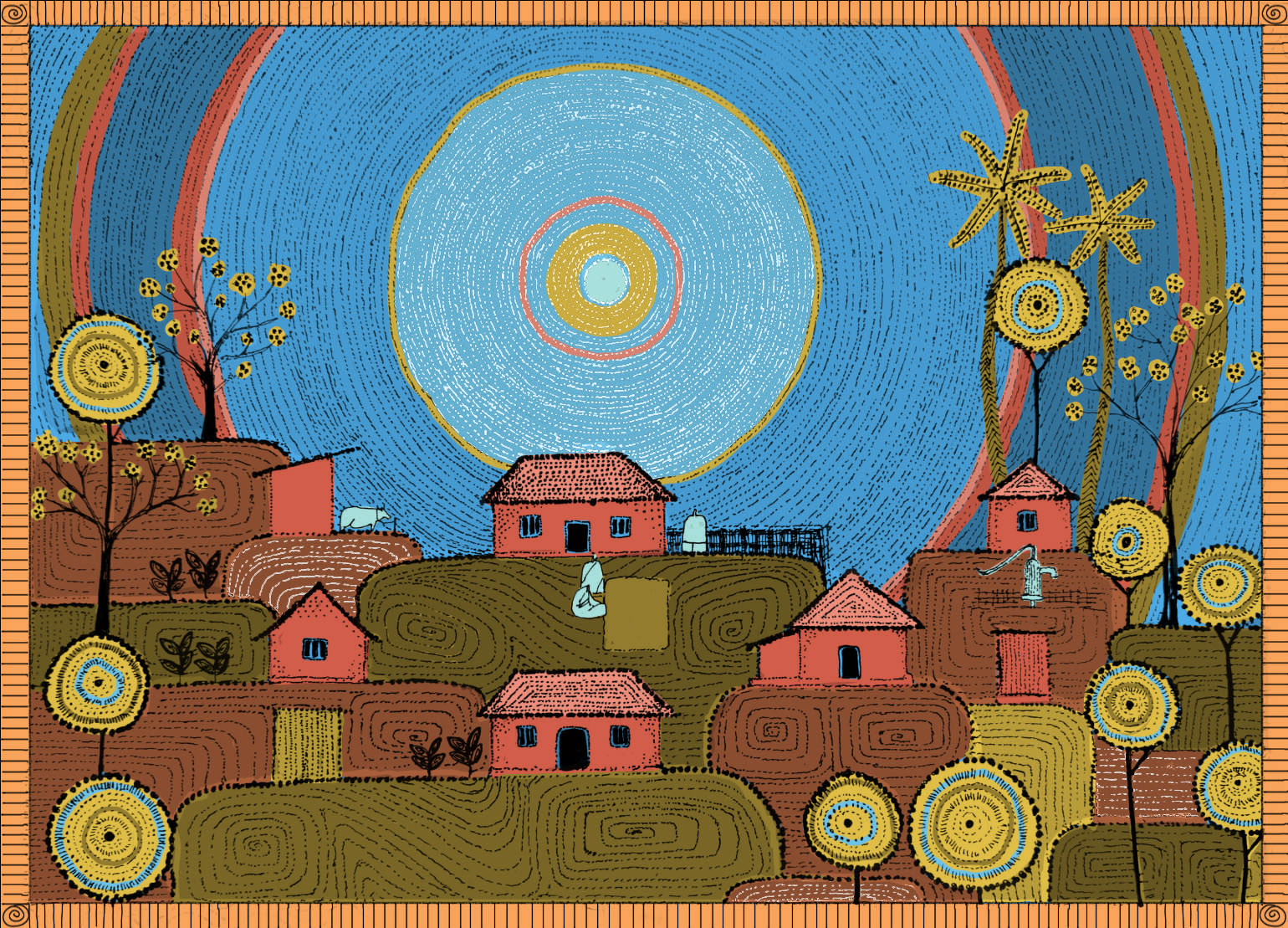
উত্তরবঙ্গের সীমান্তবর্তী জেলা নীলফামারীর সৈয়দপুরের কাশিরাম বেলপুকুর গ্রামকে কেন্দ্র করে রচিত এই চিঠি এক অনন্য স্থাপত্য ও সাংস্কৃতিক দলিল। চিঠিটি কেবল স্মৃতিচারণ নয়, বরং উপেক্ষিত এক গ্রামীণ ঐতিহ্যের পুনরাবিষ্কার। মাটির ঘর, চৌচালা ছাদ, বাঁশের বেড়া, উঁচু বারান্দা ও প্রশস্ত উঠান—এসব গ্রামীণ স্থাপত্যের উৎকৃষ্ট নিদর্শন। হেমন্তের ধানচালা, শীতে খেজুর গুড়ের পিঠা, বর্ষায় কাদাখেলা—ঋতুভিত্তিক গ্রামীণ সংস্কৃতির এক জীবন্ত আখ্যান। চিঠিটি পাঠিয়েছেন মুবতাসিম ইতমাম বিজয়; চিত্রায়ণ: সমবৃতা খান, সামিয়া হক মনিষা, মো:তৌফিক আলম, ইমরান হাসান; অনুবাদ: নওশীন তুবা।
মূল চিঠি:
আদরের দাদুভাই,
২০২৩ সালের প্রায় শেষ প্রান্তের এক ম্লান বিকেলে তোমার জন্য লিখতে বসেছি। পাশের পুকুরে ডুবো ডুবো জলে জড়িয়ে থাকা শালুক পাতার ওপর একটা ডাহুক তখন থেকে ডেকেই চলেছে। কী জানি! সে সত্যজাত ছানা হারালো নাকি সঙ্গিনী। তুমি হয়তো ঠিক এমন সময় আর্টিফিশিয়াল ইন্টেলিজেন্স, অগমেন্টেড রিয়েলিটি, ভার্চুয়াল রিয়েলিটির মত প্রযুক্তির কল্যাণে ঘরে বসেই বন্ধুদের সাথে কানেক্টেড আছো, গেইম খেলছো কিংবা পড়াশোনায় ব্যস্ত। তোমার এই বয়সে আমি যা যা করতাম সেই নিয়েই আজ লিখতে বসা, যাতে করে আমার দাদুভাই বড় হয়ে সেই সোনালী অতীতের কথা জানতে পারে। চলো দাদু ভাই শুরু করা যাক।
আমাদের পৈতৃক ভিটেবাড়ি নীলফামারী জেলার সৈয়দপুর উপজেলার অন্তর্গত কাশিরাম বেলপুকুর ইউনিয়নে। গ্রামের নাম পশ্চিম বেলপুকুর, সোনাখুলী কাজীপাড়া। তিন ছেলে ও তিন মেয়ের পরিবার। পরিবার আট জনের হলেও বাসায় আরও অনেকে থাকতেন। তাই বাসাটাও বেশ বড় জায়গা জুড়ে করা হয়, যার মাঝে ছিলো বিশাল এক উঠান।
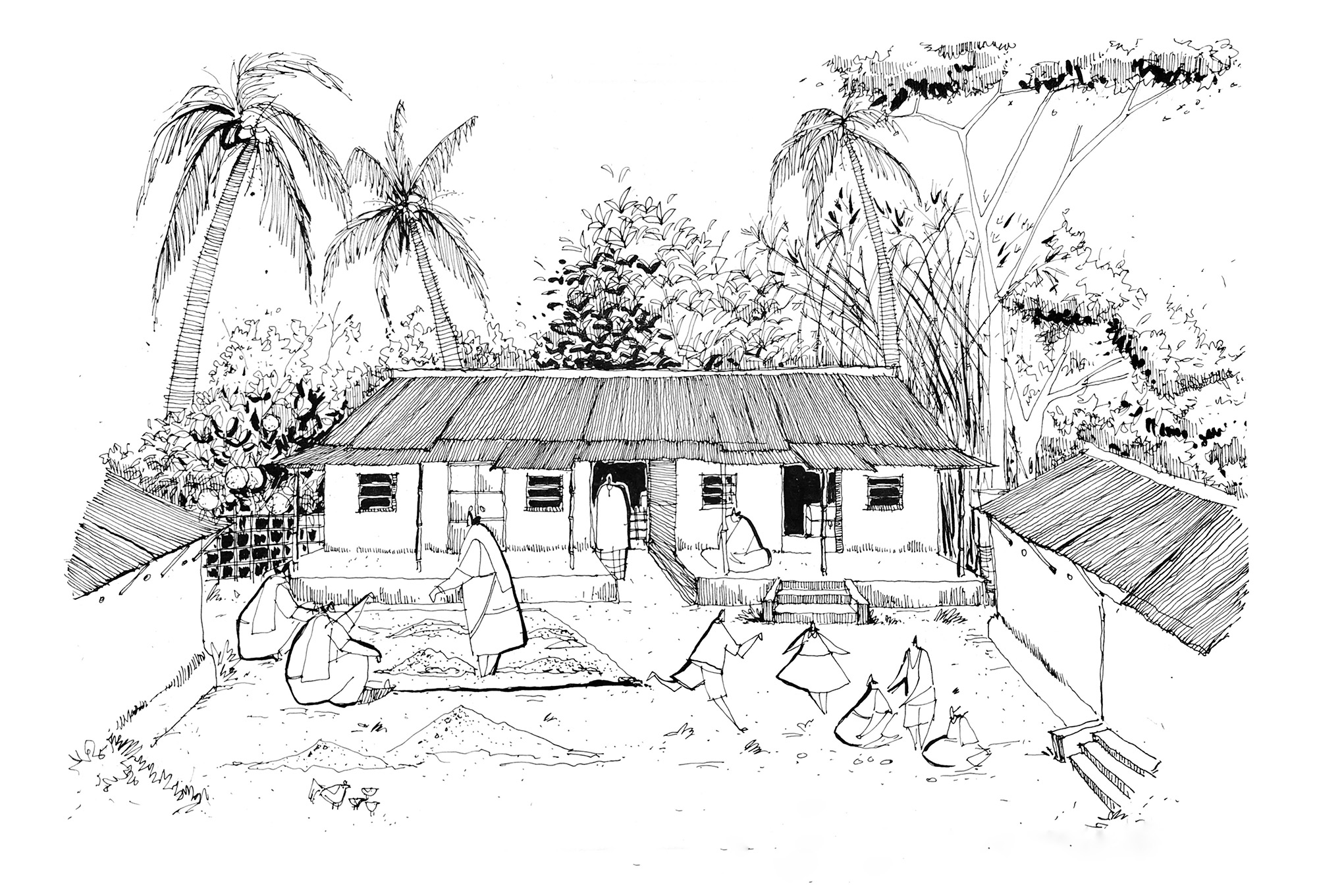
বাড়ির মূল উঠান একটিই। দক্ষিণ পাশে যেটি ছিলো সেটি আসলে খুলি (বাড়িতে প্রবেশের আগের জায়গা) এবং উওর দিকে রান্না ঘরের পিছনের অংশটি সবজিবাড়ি নামে পরিচিত ছিল। ভেতরের উঠানটা বড় হওয়ার কারণ ছিল; ধান শুকানোর জন্য প্রয়োজন বিশাল জায়গার। খুলি বাড়িতে চলতো মাড়াইয়ের কাজ আর ভেতরে শুকানো। উঠানের উপযোগীতা সার্থক হয় বিভিন্ন কাজে এর ব্যবহারের জন্য। একই সাথে ধান শুকানো, যেকোনো অনুষ্ঠান আয়োজন, আবার অন্যদিকে ছোটদের খেলার জায়গা। ছোটবেলায় কত্ত খেলা যে এই জায়গাটায় খেলেছি তার ইয়ত্তা নেই।
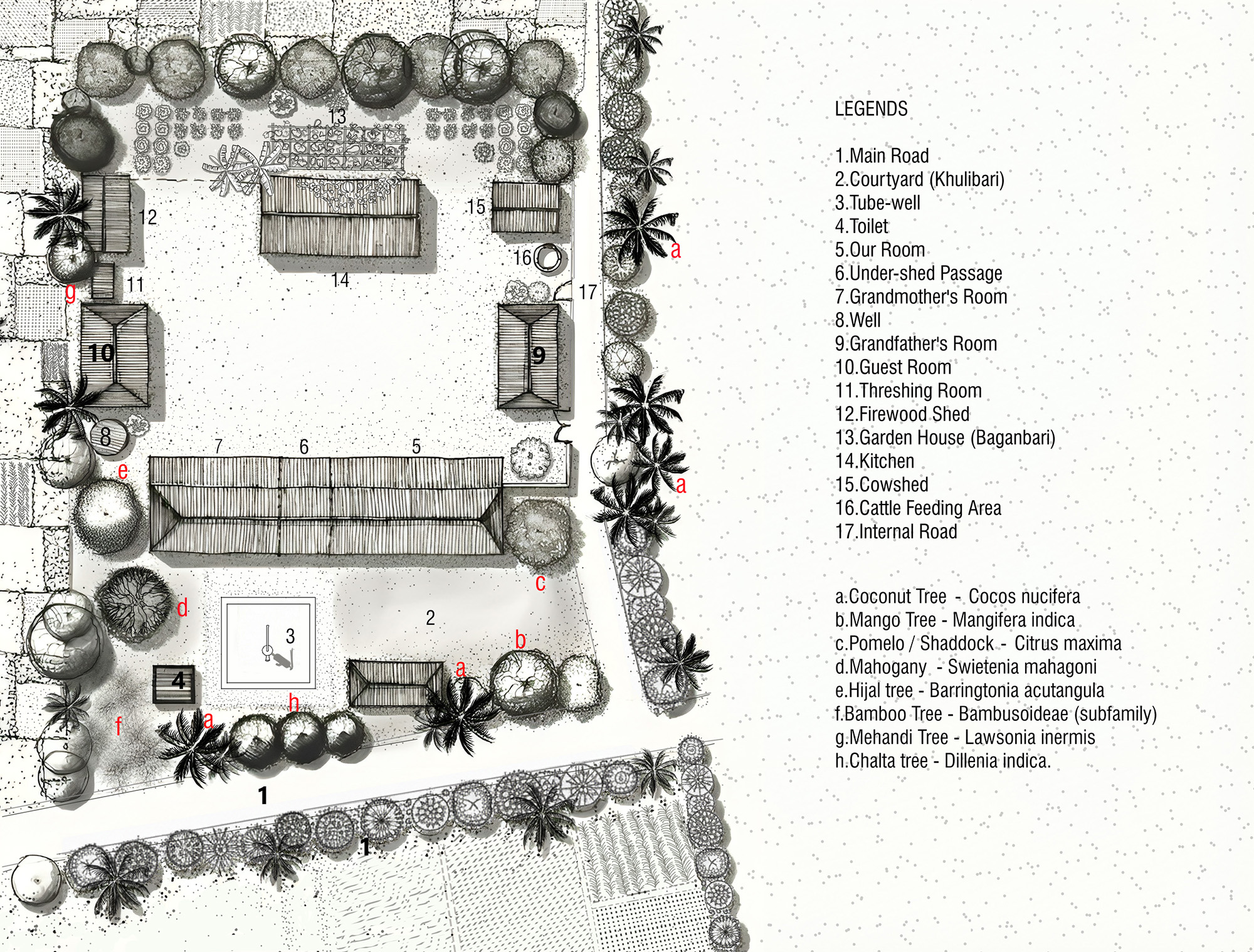
উঠোনকে কেন্দ্র করে চারিদিকে ছিলো থাকার ঘর। বাড়িতে আসার প্রধান সড়ক ছিলো দক্ষিণ দিকে। দক্ষিণ-পূর্ব হয়ে বাসায় ঢোকার প্রধান ফটক চোখে পড়বে। ঢুকেই দক্ষিণ পাশের প্রথম ঘরটি ছিলো আমাদের ঘর। ছুটিতে, ঈদে অথবা যেকোনো বন্ধে বাসায় এলে এই ঘরটিতেই থাকতাম আমরা। ঘরটি ছিলো আকারে বেশ বড়। দুটো বিছানা এবং প্রয়োজনীয় আসবাবপত্রে সাজানো। বাসায় অতিথি এলেও প্রায় সময়ে এই ঘরেই ঠাঁয় মিলত সবার। দ্বিতীয় ঘরটি তারপাশেই। এখানে থাকতেন দাদী এবং আমাদের ছোটদের আগ্রহের রহস্যময় সিন্দুক। পরে অবশ্য আমাদের উৎসাহী, আগ্রহী মনকে চুরমার করে দিয়ে জানা গেলো রহস্যময় সিন্দুকের মধ্যে আসলে ছিলো কাপড়, বাড়ির কিছু কাগজ এবং দাদীর ব্যবহার্য খুবই সাধারণ কিছু সামগ্রী। দুটো ঘরের মাঝ দিয়ে আনুমানিক আট ফিটের যাওয়ার পথ। এই পথ দিয়েই বাড়ির পানির উৎস অর্থাৎ নলকূপ, গোসল করার জায়গা এবং এর পাশে টয়লেটের অবস্থান। মেইন গেইটের পূর্ব পাশে ছিলো দাদার রুম। দাদা ইন্তেকালের পরে রুমটা স্টোর রুম হিসেবে ব্যবহৃত হতে থাকে। আমাদের একসময়ের লাঙল গাড়ির চাকা এবং অন্যান্য সরঞ্জামাদি ছিলো এই ঘরেই। দাদার ঘরের পাশেই ছিলো বাসায় প্রবেশের দ্বিতীয় গেইট এবং তারপাশে উত্তর-পূর্ব কোণায় গোয়াল ঘর।
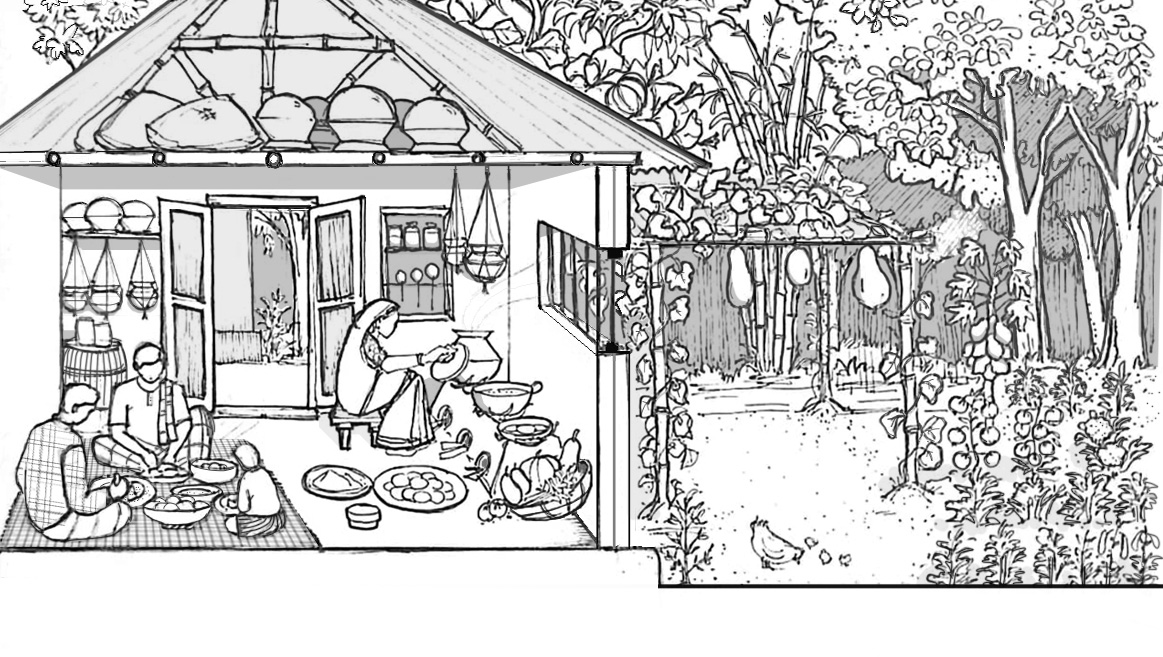
রসুইঘর ছিলো একেবারে উত্তর দিক বরাবর। বেশ বড়সড় রকমের এই ঘরে চুলা ছিলো তিনটে। শীতকালে এর পাশে বসেই মাদুর পেতে খাওয়া গরম গরম পিঠা, ফুলকপি-সিম-ধনিয়াপাতার ধোঁয়া ওঠা এক অমৃতসম তরকারী। আহ্ দাদুভাই সেই স্বাদ বুঝি তোমায় দিতে পারতুম! উত্তর-পশ্চিম কোণায় ছিলো খড়ির ঘর। রান্না ঘরের পিছনে উত্তর পাশে ছিলো সবজি বাড়ি। দাদীর বদৌলতে এই সবজি বাগানের সিম, লাউ, লাল শাক, পেঁপে, ধনিয়া, আদা, হলুদ সহ নানা টাটকা টাটকা ক্যামিকেল বিহীন সবজির সমাহার। পশ্চিম পাশে ছিলো আরেকটি ঘর। এই ঘরটা মূলত অতিথি ঘর হিসেবে ব্যবহৃত হত। পরবর্তীতে ধান রাখা এবং অন্যান্য সামগ্রী রাখতে ব্যবহৃত হয়। ঘরের পাশেই ধান সিদ্ধ করার জায়গা।
বাড়িতে ঢোকার গেইট বলতে কিছু থাকলেও আদতে বাসায় ঢুকতে আক্ষরিক অর্থে কোনো বাধাই ছিল না। সব দিক দিয়েই খোলা। ঘরে ঢুকতে যেই দরজা থাকে সেটুকুই শুধু। কারন পুড়ো পাড়াটাই যে একটি বাড়িসম! অথচ তোমরা হয়ত অটো সেন্সর দরজা ব্যবহার করেও নিরাপত্তা নিয়ে শংকিত থাকো। যেকোনো অনুষ্ঠান হলেই আমাদের এই উঠোনই ছিলো সকলের একত্রিত হওয়ার উত্তম স্থান। উঠান যে গ্রাম্যসমাজে কত গল্পের উপাখ্যান তৈরি করে সেটা এই জায়গা সংশ্লিষ্ট মানুষেরা খুব ভালো করেই জানে।
দক্ষিণ দিকের ঘরগুলোর মেঝে উঠান থেকে ছিলো দুই ফুট উঁচু। থাকার ঘরের চারটেই চৌচালা ঘর এবং ঘরের বেড়াগুলো ছিলো বাঁশের তৈরি। ঘরামিদের দক্ষ হাতে সেসময় ঘর বানানো হত। ঘরগুলোর মেঝে বানানো হত বিশেষ কায়দায়। বাঁশ বিছিয়ে দিয়ে প্রথমে পাটাতন তৈরি করা এবং পরবর্তীতে মাটি দিয়ে মেঝেটা লেপে দেয়া। মাটির তৈরি বাসা তোমাদের দেখার সৌভাগ্য এখন শুধু বিশেষ কিছু রিসোর্টেই হবে। কিন্তু আগে ঘরের দেয়াল এবং মেঝে দুটোই মাটির হত। পূর্ব পাশে দাদার ঘরের মেঝে ছিলো উঠান থেকে ছয় ইঞ্চি উঁচু যার দরুন মেঝে ছিলো পুরোটাই মাটির। প্লিন্থ বানাতে শাল গাছের শক্ত খুঁটি ব্যবহার করা হত বিধায় এখনো সেগুলো টিকে আছে। রান্না ঘরও ছিলো দাদার ঘরের মত ছয় ইঞ্চি উঁচুতে। দক্ষিণের ঘরগুলির সামনে ছিলো আট ফিটের বারান্দা। বৃষ্টি হলে এই বারান্দাতেই বসে গল্প করতাম সবাই। সঙ্গে দাদীর তৈরী মুড়ির মোয়া। অতিথি এলে কখনো উঠান কখনোবা বারান্দায় রাখা চৌকিতে বসতে দেয়া হত। বারান্দার ব্যবহার আমাদের এই ট্রপিক্যাল অঞ্চলে আর্শীবাদ।
ফল-ফলাদির নানা গাছ লাগানোর প্রচলন ছিলো বাড়িতে। দাদীর কল্যাণেই বাড়ির চারপাশ ছিল এত সবুজে ঘেরা। বাড়ির প্রধান প্রবেশের পথ দিয়ে ঢুকতেই জাম্বুরা ও আম গাছের অবস্থান দেখতে পাবে। খুলিবাড়ির সাথে লাগোয়া রাস্তার সারি ধরে নারিকেল গাছ। খুলিবাড়ির পাশে গোসলখানার পিছনে দক্ষিণ-পশ্চিম কোণে রয়েছে বাশঁঝাড়। পশ্চিমে কাঁঠাল গাছ ও সুপারি গাছের সারি একের পর অন্যটা। এদিকে আরও আছে জিওল ও মেহগনি গাছ। তবে ছোট বেলায় আমার চোখে সবচেয়ে সুন্দর গাছ ছিল মেহেদী গাছ! বাসার সবাই যে মেহেদী পাতা বেটে লাগাবার সময় আমার হাতেও একটু লাগিয়ে দিত। ছোট্ট বয়সে ওই হাতে টুকটুকে করার ওপর ছিল বড্ড শখ। রান্না ঘরের পিছনে সবজির বাগানের পরই আম গাছ এবং সুপারি গাছের সারি। পূর্ব দিকে বেশ কয়েকটা নারিকেল গাছ এবং পেয়ারা গাছ। সবচেয়ে মজার ঘটনা হচ্ছে গাছ থেকে ফল পাড়তে যেয়ে পরে যাওয়া। কোমড়ে বড্ড লেগেছিলো সেবার।
গ্রামের প্রতিটা ঋতুই বেশ অন্যরকম। গ্রীষ্মে মৌসুমী ফলের গন্ধে যেমন মো মো করে চারপাশ, বর্ষায় তেমনি পানি থইথই করে, ছোট ছোট মাছ ধরা যায় এবং কাদামাখামাখি খেলা সবই আছে। আকাশের নরম নীল ছুঁয়ে ভাসা শুভ্র মেঘের দলের নিচেই দোল খেতে থাকা ধানের শীষ। হেমন্তের সময় সবাই ধান কাটতে চলে যেত। ধান মাড়াই করার পর ধানে কুলোয় ধরে যখন চালা হতো, উড়তে থাকা চিটে গুলো মাঝে মাঝে আমার চোখে বিন্দু বিন্দু খসে পড়া তারা রূপে ভ্রম লাগতো। তোমরা যেই চালের ভাত খাও এখন, সেগুলো হয়ত সবটাই যন্ত্র করে দেয়। আগে আমরা হাতেই করতাম সব। হেমন্তের পরেই দক্ষিণের বিপরীত থেকে আসা মৃদু পবন একসময় অতু্যগ্র ঠান্ডা নিয়ে হাজির হয়ে যায়। এ সময়ে ভোরে মুয়াজ্জিনের কণ্ঠে ভেসে আসে সুমধুর আজানের ধ্বনি মানেই আমার চঞ্চল মন আমাকে ডাকছে খেজুর গাছের নিচে! জানি না তোমরা সেই খেজুরের গুড়ের মায়ের হাতের বানানো নানারকম পিঠেপুলি খেতে পাও কিনা। হয়ত পাও! কিংবা হয়ত পাও না! আর বসন্ত এলেই চারিদিকে কেমন রংয়ের ছোঁয়া লাগে। তবে গ্রাম আজ আগের মত নেই। শহর শহর ভাব চলে এসেছে।
যেখানেই যাও না কেন দাদু ভাই, এই মানুষগুলাকে স্মরণ করিও। তোমার শিকড় যে এখান থেকেই বড় হয়েছে। তোমার উপক্রমণিকা যে এখানেই। এই টান অনুভব না করে থাকা যায়!
তোমার দাদাভাই
প্রেরকঃ মুবতাসিম ইতমাম বিজয়
বি.আর্ক. খুলনা বিশ্ববিদ্যালয়
অন্যান্য তথ্যঃ
বাড়ির ঠিকানাঃ সরকার বাড়ি; গ্রামঃ পশ্চিম বেলপুকুর; পোস্ট অফিসঃ সোনাখুলী; উপজেলাঃ সৈয়দপুর; জেলাঃ নীলফামারী
বাড়ির প্রতিষ্ঠাতাঃ জসীম উদ্দীন সরকার (লেখকের দাদা)
দাদা একজীবনে নানান পেশার সাথে যুক্ত ছিলেন। শুরুর জীবনে রেলওয়ে চাকরি শুরু করেন। তবে খুব বেশিদিন স্থায়ী হননি কাজে মন বসেনি বলে। পরবর্তীতে ইংরেজী শিক্ষকের ভূমিকায় দেখা যায় বেসরকারী স্কুলে। সেটাও কয়েক বছর পরে ছেড়ে দেন। শেষমেষ মনোনিবেশ করেন কৃষি কাজে। দাদার বাবার বেশ কয়েক বিঘা জমি ছিলো। সেই দিয়েই সংসার চলত। দাদী ছিলেন পুরদস্তুর গৃহিণী।
English version: Translated by Noshin Tuba
Dear Dadubhai,
2023 is almost coming to an end. In this quiet, dusky evening of the year, I am writing to you. Water lilies floating gently on the still water by the pond outside, and this lonely Dahuk’s been calling for quite a while now. Has it lost its beloved offspring, or its mate? Who knows! You are probably connected with your friends, playing games or studying all indoors – surrounded by artificial intelligence, augmented and virtual realities. I am writing to you to let you know how my childhood was like at your age – so that my dearest dadubhai can know about the golden past when they grow up. So let me begin.
Our ancestral home is in Nilphamari district, Saidpur Upazila, under Kashiram Belpukur union. The village is named West Belpukur, Shonakhuli Kazipara. A family of three sons and three daughters. Although the family was of eight members, there were many others living with us as well. So the house was built on a pretty large area, wrapped around a large open courtyard at its heart.
There was only one main courtyard. The one in the southern side was called Khuli (the open space before the entrance), whereas the one behind the kitchen in the northern side was known as Sabjibari. There was a reason why the inner courtyard was larger, since it provided the necessary space required for drying paddy. Threshing was usually done in the Khuli Bari, while the inside was for drying. The utility of the courtyard mainly paid off of its use for various purposes. At the same time it was used for drying paddy, organizing any kind of celebration, and even as a play yard for kids. It’s beyond measure how much I played here in my childhood.
The courtyard was centered by rooms from all sides. The main road to the house was on the south. If you looked from the south-east the main gate would catch your eyes. The first room on the southern side was ours. We used to come and stay in this room during holidays, Eid, or any kind of vacation. The room was quite large in size. It was furnished with two beds and the necessary furniture. We’d often accommodate guests in this room as well. The second room was right next to it. Grandmother used to stay here and so did the mysterious trunk that piqued the interest of kids. However, it was later found out that the mysterious trunk only contained clothes, some paperwork of the house, and some very ordinary everyday items used by Grandmother, crushing our keen interest and excitement for it.There was approximately 8 feet long passage between the two rooms. Down this passage, there was the source of water for the house – that is, the tubewell – the bathing area, and the toilet next to it. On the eastern side of the main gate, there was my grandfather’s room. It was used as a storeroom after he passed away. The once used wheels of our Langol Gari and other belongings were kept there. Next to Grandfather’s room, there was the second gate for entrance, and next to it in the north-eastern corner was the cowshed.
The kitchen was towards the north. This large room had three stoves. In winter, we would sit beside it on woven mats, eating smoky hot pithas and steaming heavenly curries made of cauliflower, beans, and coriander. Ah, if only I could share that taste with you!
On the north-western corner, there was a room for Khori (dried up branches used as fuels). Behind the kitchen on the northern side was the vegetable house. Thanks to my grandmother – the vegetable garden was blessed with beans, gourds, red amaranths, papayas, corianders, gingers, turmerics and various chemical free vegetables. On the west, there was another room used as the guest room. Later on it was used for keeping paddy and other belongings. The place for husking rice was right next to it.
Although there was a main gate for entrance, in reality there was no barrier to the house. It was open from all sides. The only gate being the one for entry. This was because the whole area was worth the size of a house itself! Yet you’d probably stay worried about security even after using auto sensors. For various occasions, this courtyard was the best place for gatherings. The people related to this place know well how much a courtyard means to a rural society.
The floor of the rooms to the southern side was two feet high from the ground. All four of the rooms were four-roofed and the fences were made out of bamboo. Back in those days, it was made in the skillful hands of Gharamis (builders). The floor of the rooms were made in a special technique. First, the structure was made using bamboo poles, and later it was plastered with mud. Nowadays, you’ll probably only get to see mud houses in a few resorts. But back then, the walls and floors were both made of mud. To the east, the floor of my grandfather’s room was six feet high from the ground, hence the floor was entirely made out of mud. They are still in good shape, since strong wooden beams from sal trees were used in the construction of plinths. The kitchen was also six feet high from the ground, just like grandfather’s room. There was a 8 feet long veranda in front of the rooms on the south. This was the veranda where we used to chat altogether when it rained. Along with it, was grandmother’s Murir moa. The guests were sometimes seated on the courtyard, or on the mound at the veranda. The use of veranda is a blessing to our tropical region.
There was this tradition of planting many kinds of fruit-trees around the house. The house was surrounded by dense green, thanks to my grandma again. You could see grapefruit and mango trees right at the entrance of the house. A row of coconut trees by the road attached to Khulibari (the entrance). Bamboos by the nearby bathing area, to the south-west. To the west stood the row of Jackfruit trees, then the betel nuts – one after one. And some Jiol and mahoganies, too. But back in my childhood, the most beautiful of all was the mehendi (henna) plant, because whenever others used to put some henna on their hands, they would dab a bit on my tiny hands too! Little me was so proud of those tiny red palms. Right behind the kitchen, past the vegetable garden were the lines of mango and betel nut trees. A couple of coconut and guava plants to the east. The funniest incident was falling off a tree one day while plucking fruits, my waist was wasted that day.
Each and every season feels so different in the village. Like its filling the air with the sweet fragrance of seasonal fruits in the summer, and water overflowing everywhere in the rainy season, we could catch tiny fishes or play in the mud and what not. Beneath soft blue skies floated white clouds over paddy fields. Everyone would go to cut the ripened paddies in the harvest season. After threshing, when the grain was winnowed, the chaff swirling in sunlight would fall before my eyes like shimmering particles. The rice you eat today might be entirely processed with machines. Back then we used to do everything with our hands. After harvest came the cool southern breeze, slowly turning into winter’s sharp chill. At dawn, the gentle tune of Azan would drift through the air – calling my heart beneath the date palm trees – where sweet sap was collected. I wonder if you have tasted the fresh date-palm molasses and the various Pithas (traditional cakes) made from it. Maybe you have, maybe you haven’t. With spring, colors would bloom everywhere. But the village is no longer quite the same. Urban ways have crept in.
Wherever you go in life, my dear grandson, remember these people and this place. Your roots began here. Your story started here. How can one ever ignore such a pull?
Written by: Muntasim Itmam Bijoy
B.Arch, Khulna University
Additional Information:
House Address: Sarkar House, Village: West Belpukur, Post Office: Sonakhuli, Upazila: Syedpur, District: Nilphamari
Founder of the House: Jasim Uddin Sarkar (the writer’s grandfather)
Writer’s grandfather was involved with various professions throughout his whole life. In his early years, he began working in the railway service, though he did not continue it for so long. Later he worked for several years as an English teacher in a non-government school, but eventually left that role as well. In the end, he devoted himself wholeheartedly to agriculture. He had inherited several bighas of land from his father, and farming became the foundation of the family’s livelihood. His wife was a devoted and capable homemaker.


