
Bridging The Past: Transforming Saidpur’s Abandoned Workshop into a Railway Museum
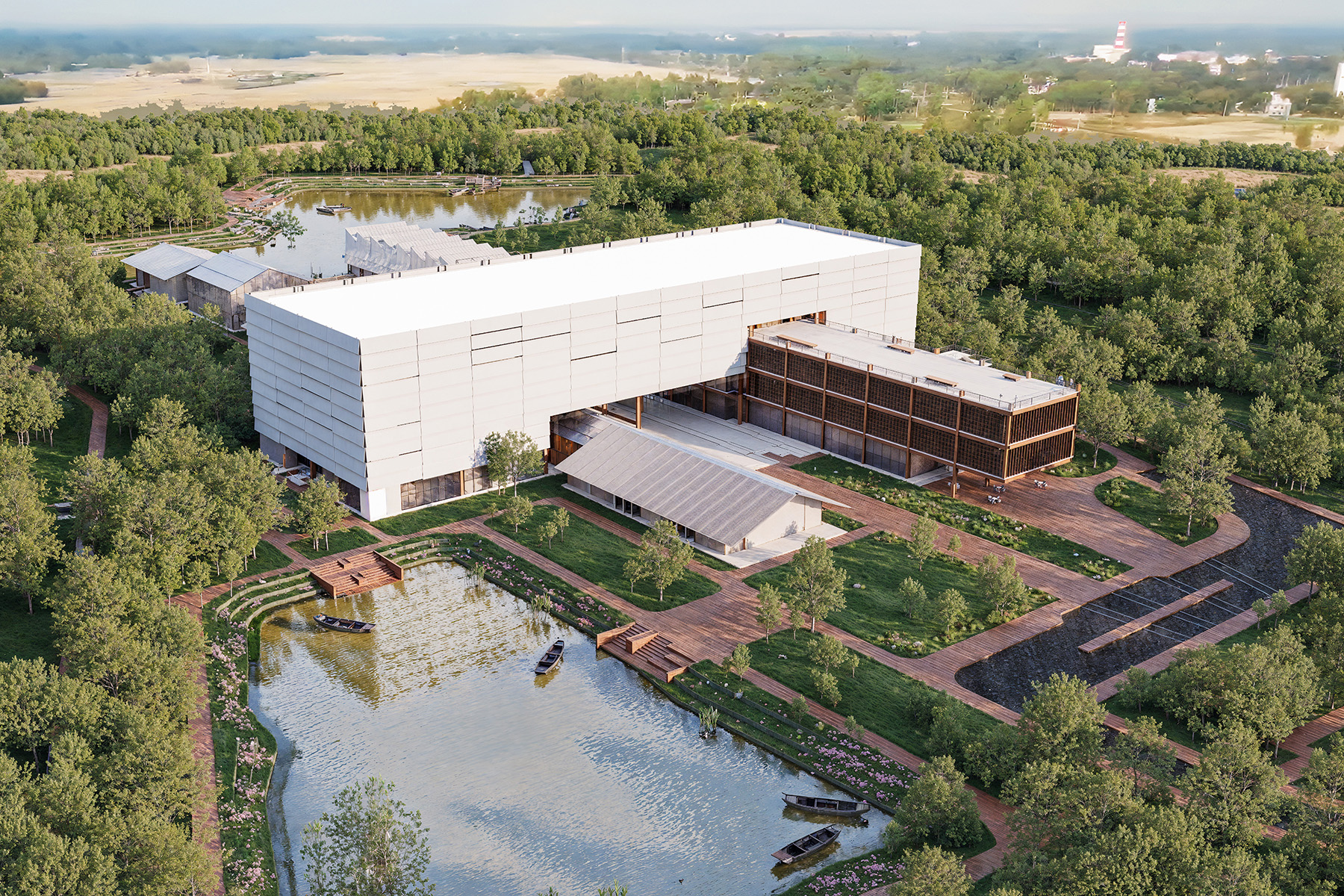
Saidpur, situated in the Nilphamari district of northern Bangladesh, emerged as a significant railway town during the expansion of the Bengal–Assam Railway in the British colonial period. The arrival of railway infrastructure transformed the settlement into a major transportation and commercial hub in North Bengal. The burgeoning railway industry attracted workers, technicians, and traders from across the Indian subcontinent—particularly from Uttar Pradesh, Bihar, Bengal, and Assam. This influx of diverse communities cultivated a culturally vibrant urban society, shaping Saidpur’s distinctive social identity. Recognizing its growing economic and administrative importance, the town was formally declared a municipality in 1915.


A major component of Saidpur’s development was the Saidpur Railway and Bridge Workshop, established in 1870. Once a crucial industrial facility for maintaining locomotives, railway carriages, and bridge components, the workshop played a key role in supporting the regional railway network. However, technological shifts in railway operations and reduced investment in maintenance infrastructure have led to the gradual decline of the complex. Large portions of the site are now abandoned or underutilized, resulting in structural deterioration, restricted access, and the loss of historically valuable industrial spaces.


Despite its current condition, the workshop complex retains significant architectural and historical value. The large-span workshop structures, industrial machinery, and spatial organization represent a rare example of colonial industrial architecture in Bangladesh. The site’s central location within Saidpur also presents an opportunity to reconnect the abandoned industrial area with the city’s urban life. By recognizing the complex as an industrial heritage asset, the site can be reimagined as a cultural and educational resource.

The design strategy adopts adaptive reuse as a sustainable method for revitalizing the abandoned workshop complex. Rather than demolishing the historic structures, the proposal seeks to preserve their architectural character while introducing new functions. This approach allows the industrial heritage of the site to be interpreted and experienced by the public while addressing the city’s need for cultural and civic spaces.


The proposal introduces an Industrial Heritage Museum within the former workshop complex. Two existing parallel workshop buildings are preserved and repurposed as exhibition galleries, allowing industrial artifacts to be displayed within their original context. A contemporary architectural volume is inserted between these historic structures, forming a spatial bridge between past and present. This new volume accommodates interpretive exhibitions that narrate the broader history of Saidpur and the evolution of railway technology.


To improve accessibility and encourage public engagement, a pedestrian spine is introduced through the site, allowing visitors to move freely through the historic industrial environment. This intervention transforms the previously restricted industrial enclave into an open civic landscape. Ultimately, the project aims to preserve Saidpur’s industrial heritage while creating a vibrant cultural destination that reconnects history, architecture, and community life.


Ultimately, the adaptive reuse of the Saidpur Railway and Bridge Workshop seeks to preserve the industrial legacy associated with the Bengal–Assam Railway while addressing contemporary urban needs. By transforming the abandoned complex into a publicly accessible cultural institution, the project promotes heritage conservation, urban revitalization, and meaningful engagement between the city’s history and its future development trajectory.
PEOPLE ALSO VIEW


Printed Publications

NEXT 50: Collective Futures

ASPIRATIONS AND IDEAS: Designing with Context