
Centre for Chakma Cultural Harmony, Rangamati
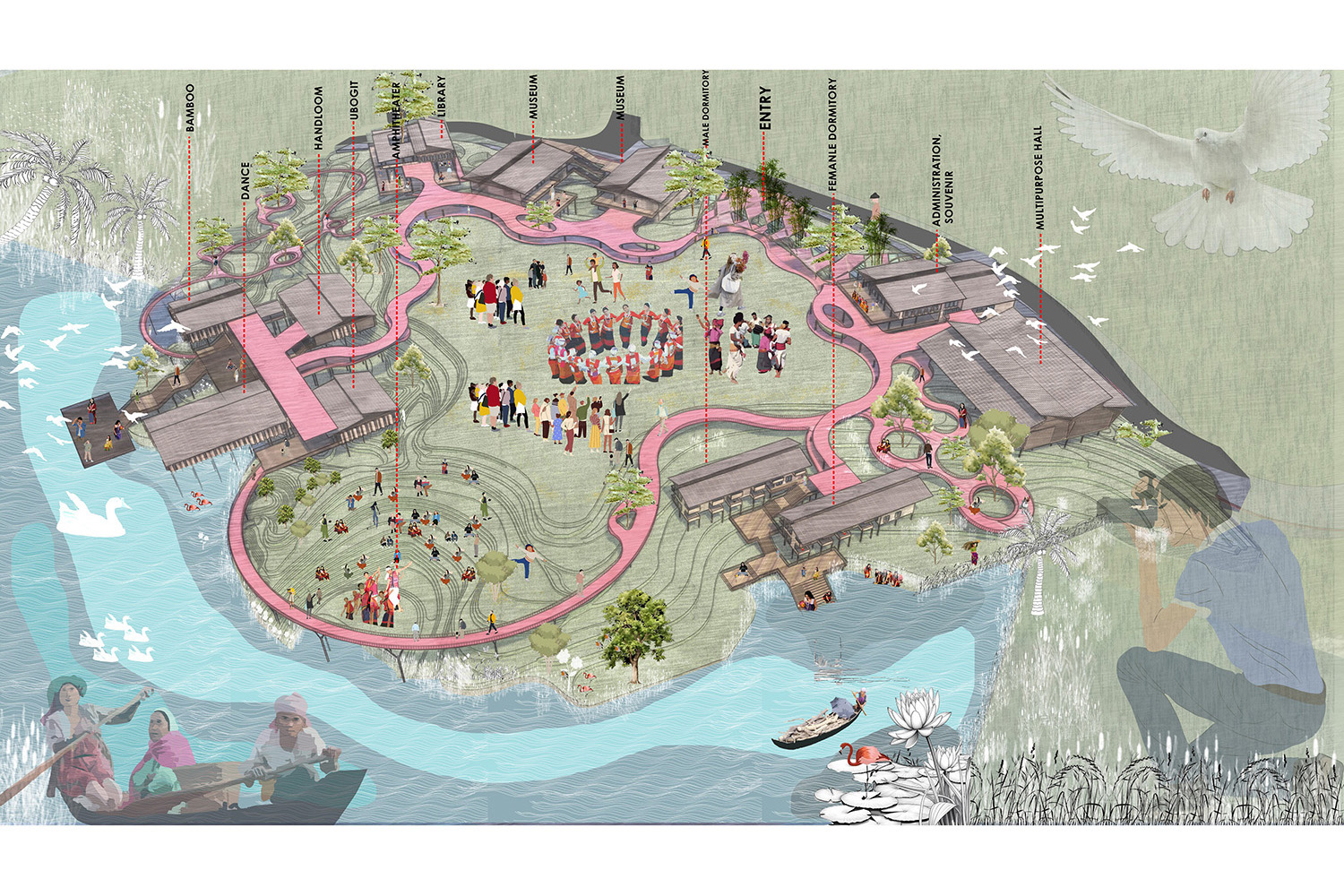
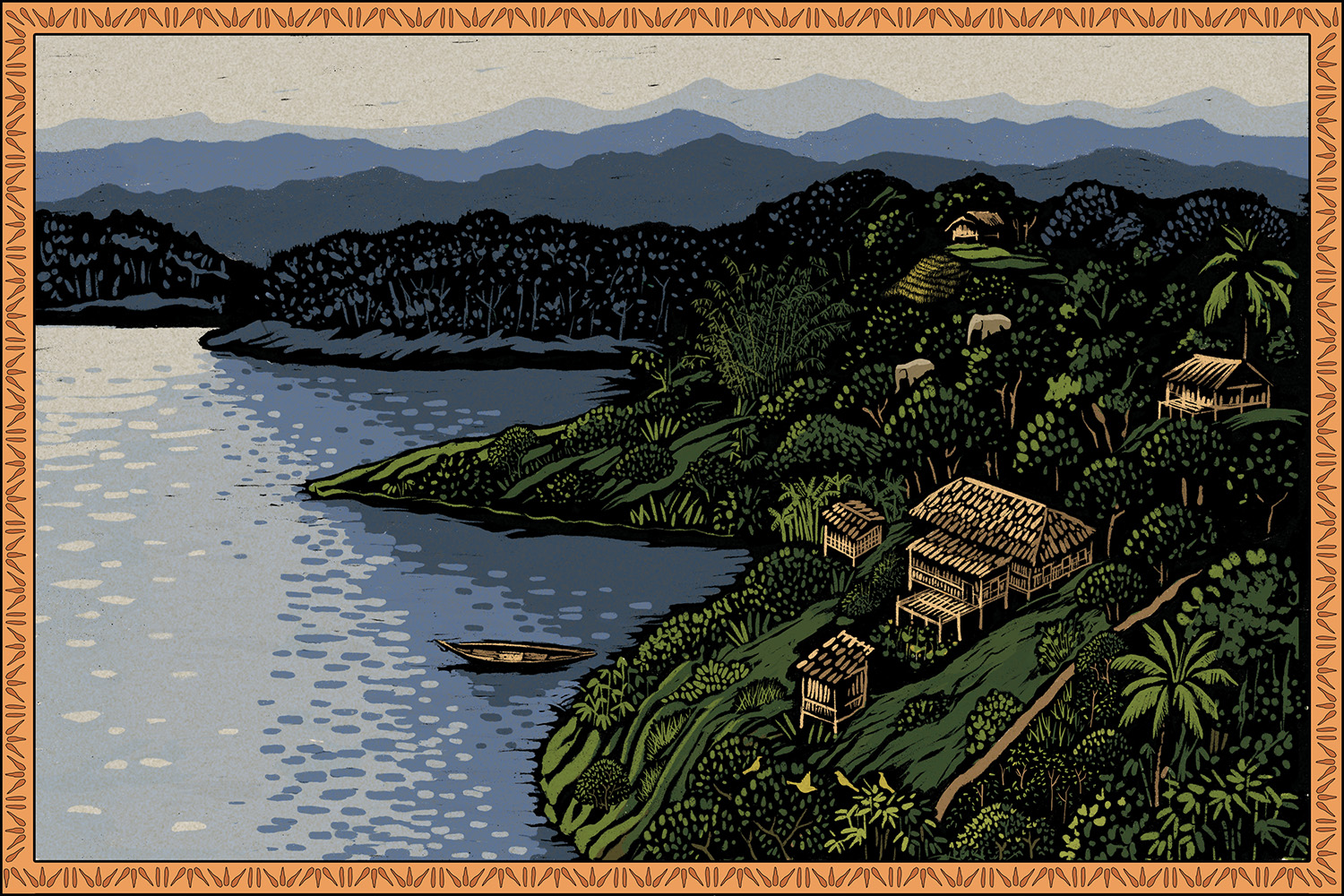
Rangamati is located in the Chittagong Division of Bangladesh. It is a unique district, as it is the only one in the country to share international borders with two nations: India to the north and east, and Myanmar to the east. Rangamati is defined by its undulating hill tracts, extensive riverine networks, and dense forest cover.
This region has been home to various minority ethnic groups since ancient times. Each community maintains its own distinct language, literature, customs, and social traditions. Rangamati itself is home to twelve such communities. During the site visits and conversations with people from all communities, a clear consensus emerged: a single, common cultural center for all groups would not effectively address their specific needs. The existing “Minority Ethnic Cultural Institute” has seen limited success, as participation is low, and it tends to prioritize only the communities in its immediate vicinity.
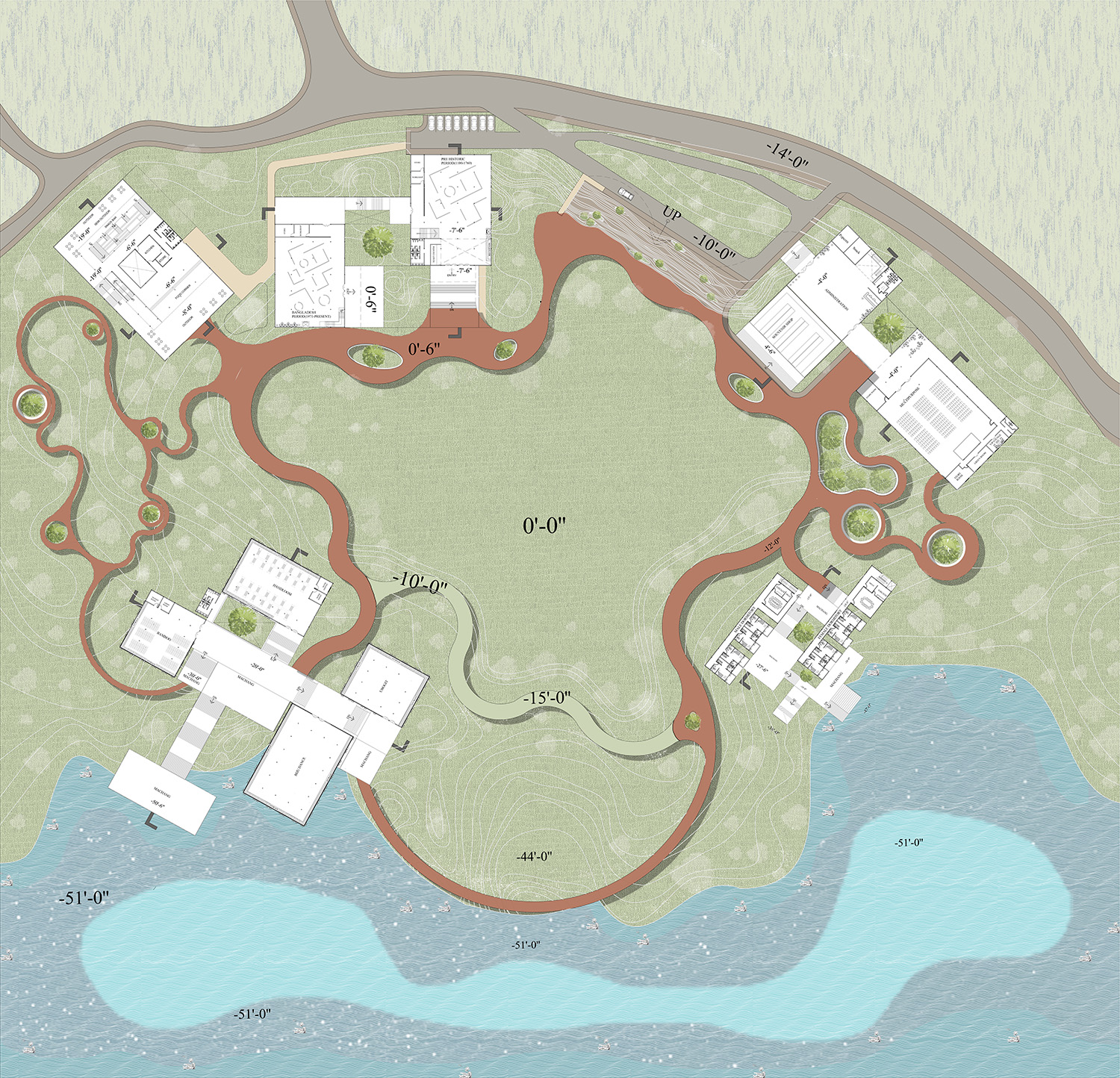
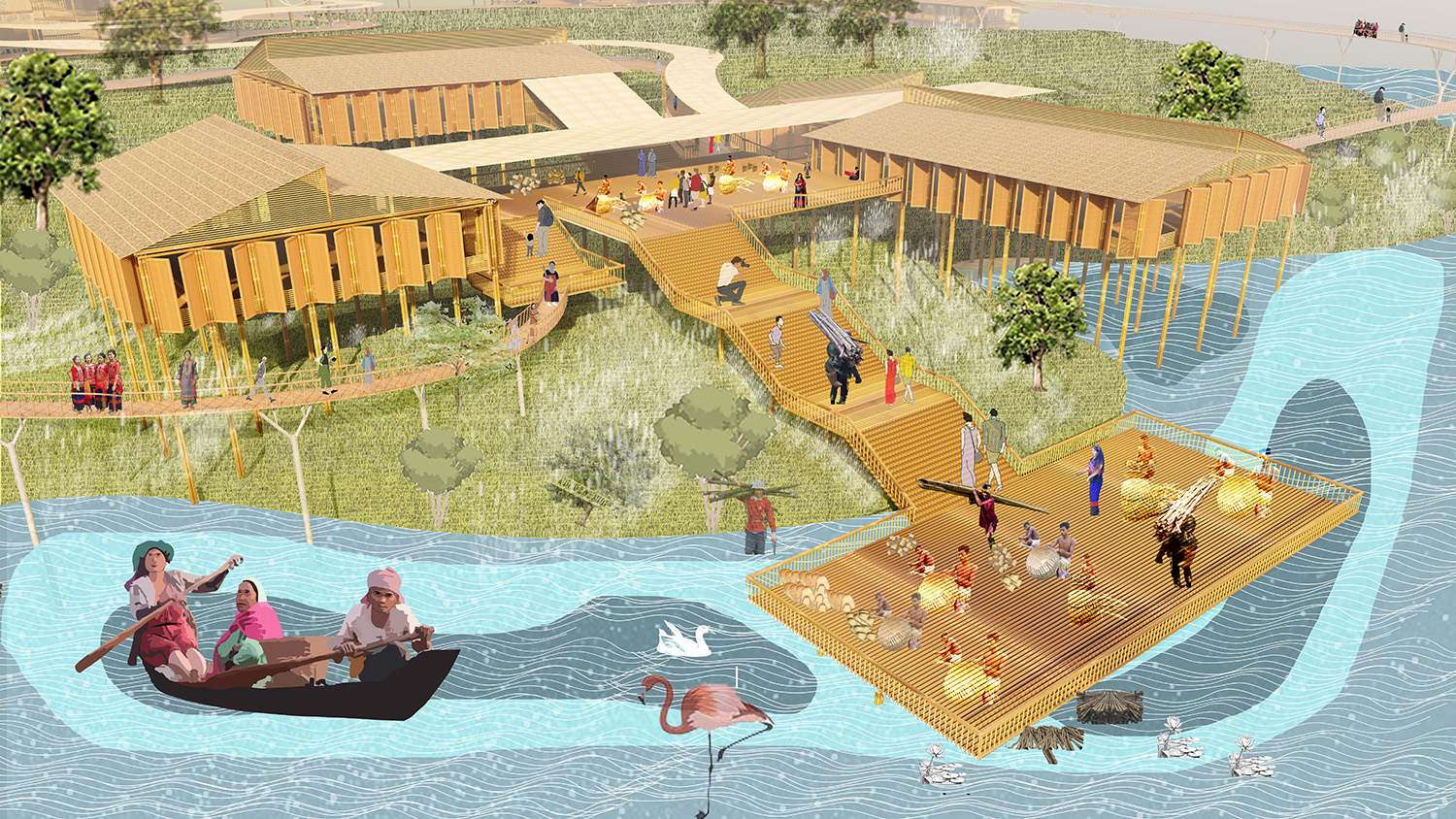
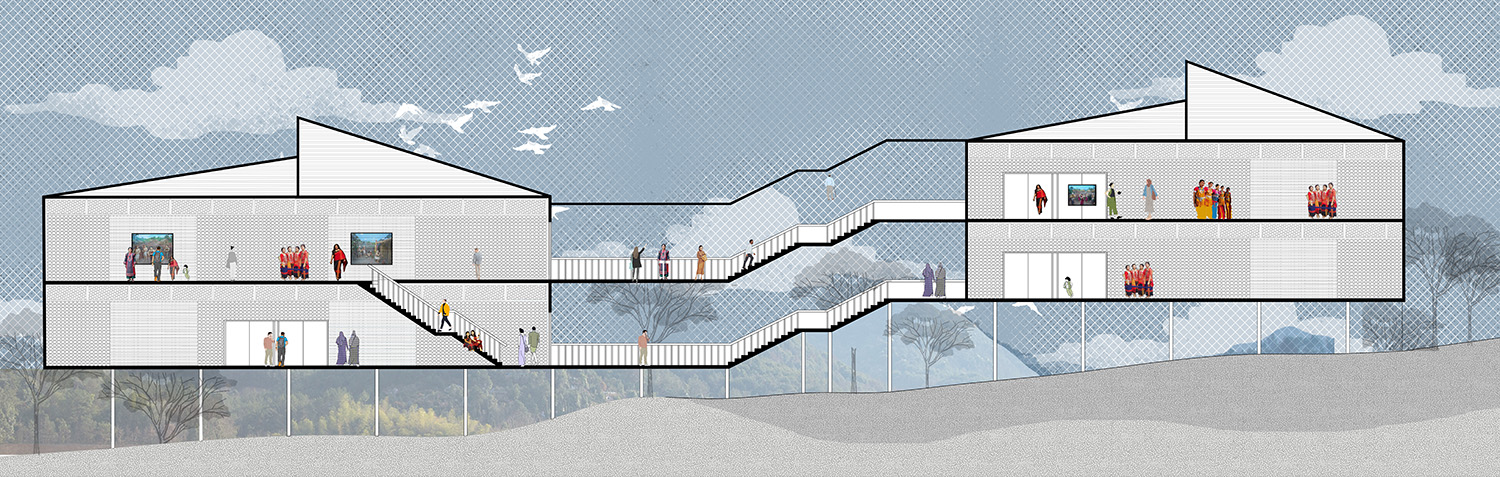
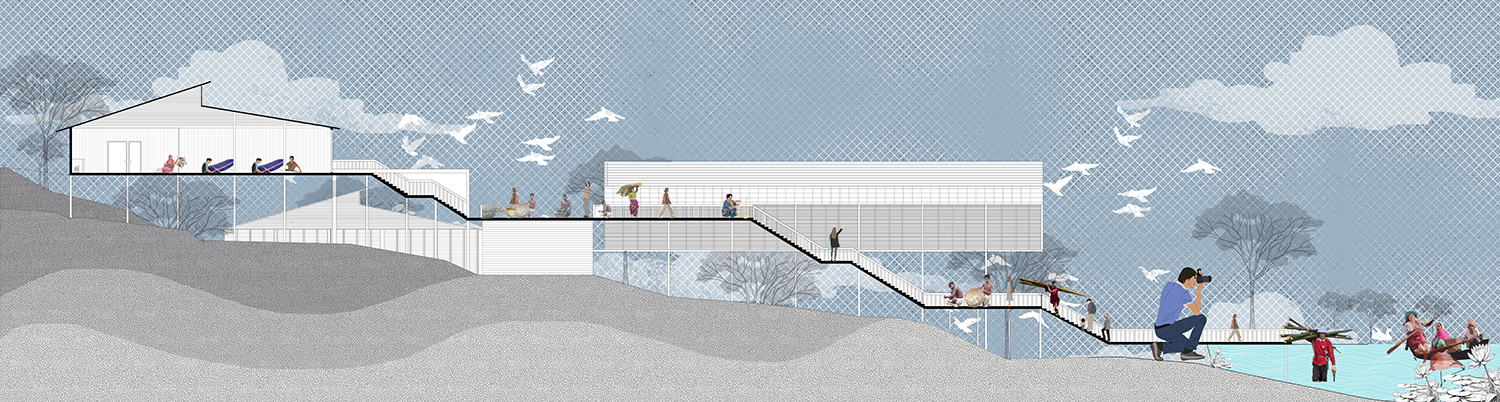
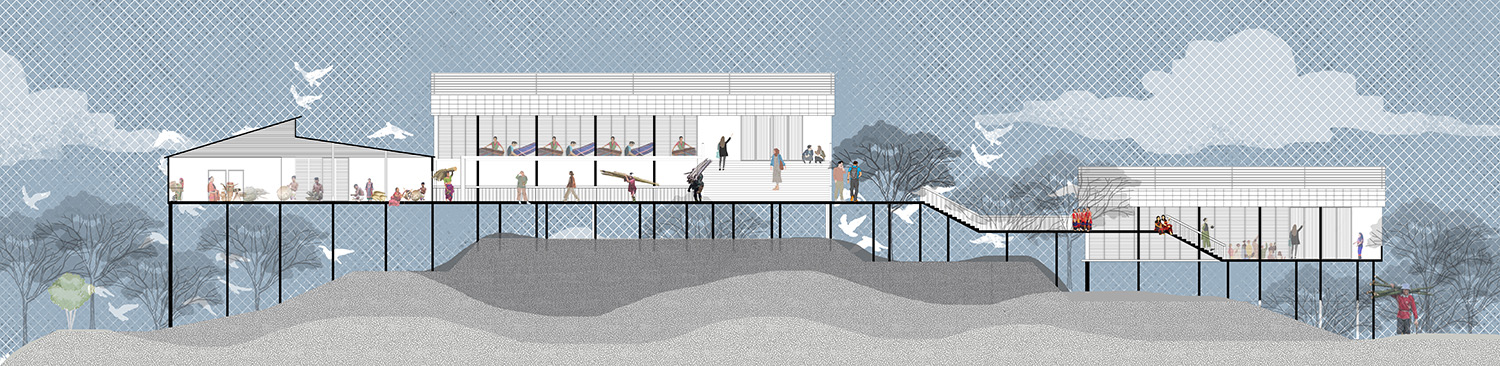
The proposed Centre for Chakma Cultural Harmony responds to this need for a focused initiative. It will be dedicated to the Chakma community, which resides at the heart of Rangamati. The centre’s mission is to act as a living bridge between the past and the present by preserving, promoting, and celebrating the rich and unique Chakma cultural heritage.
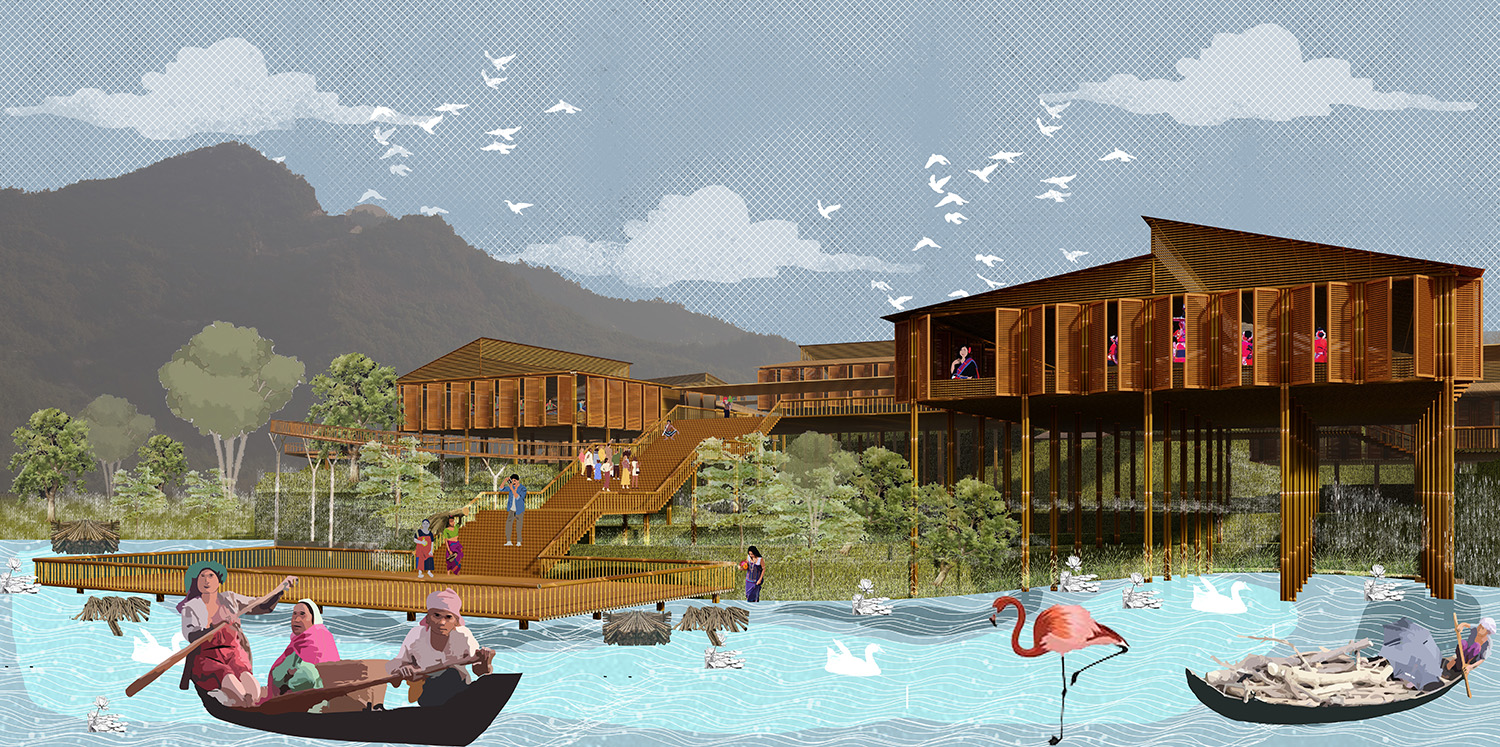
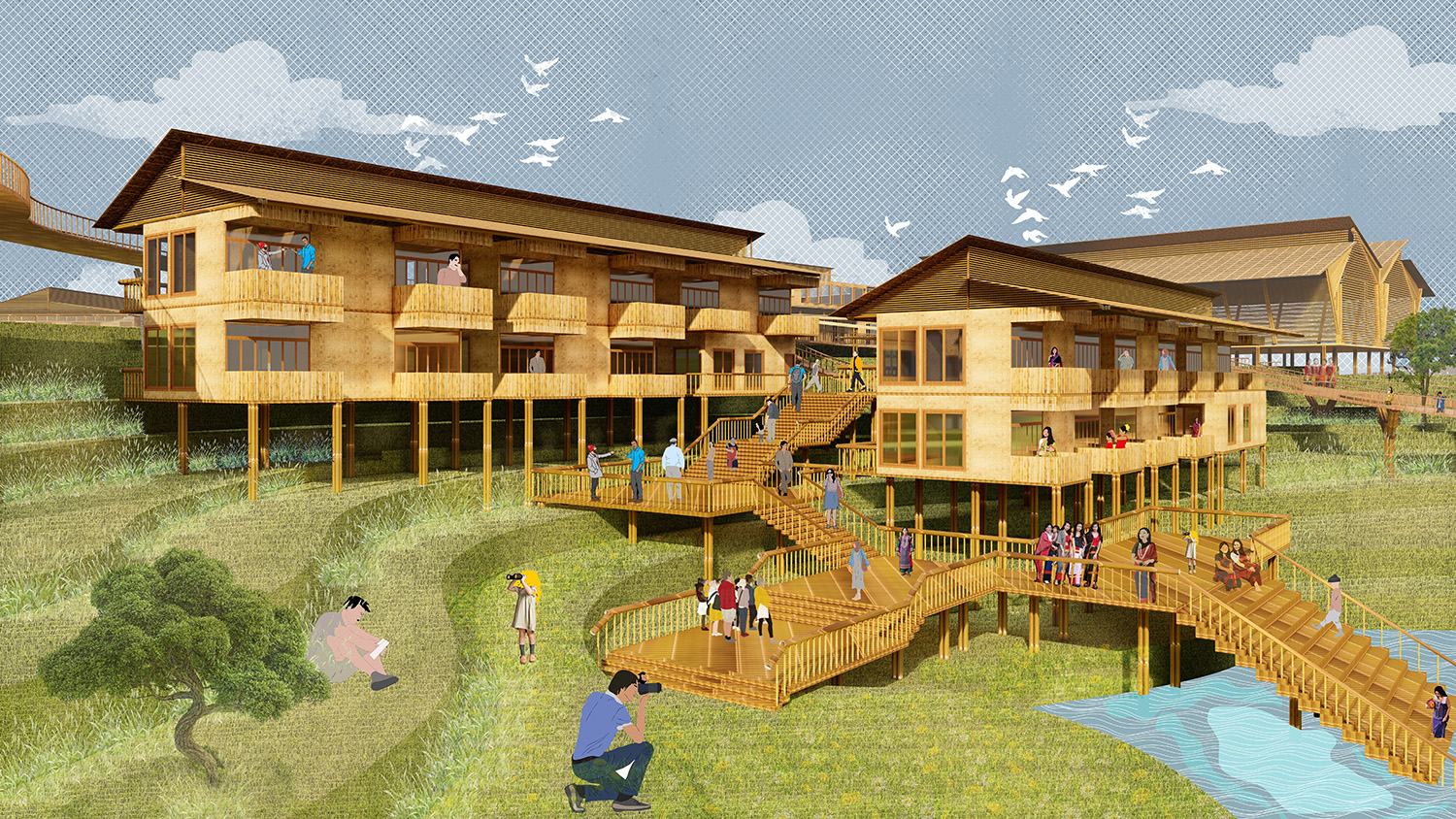
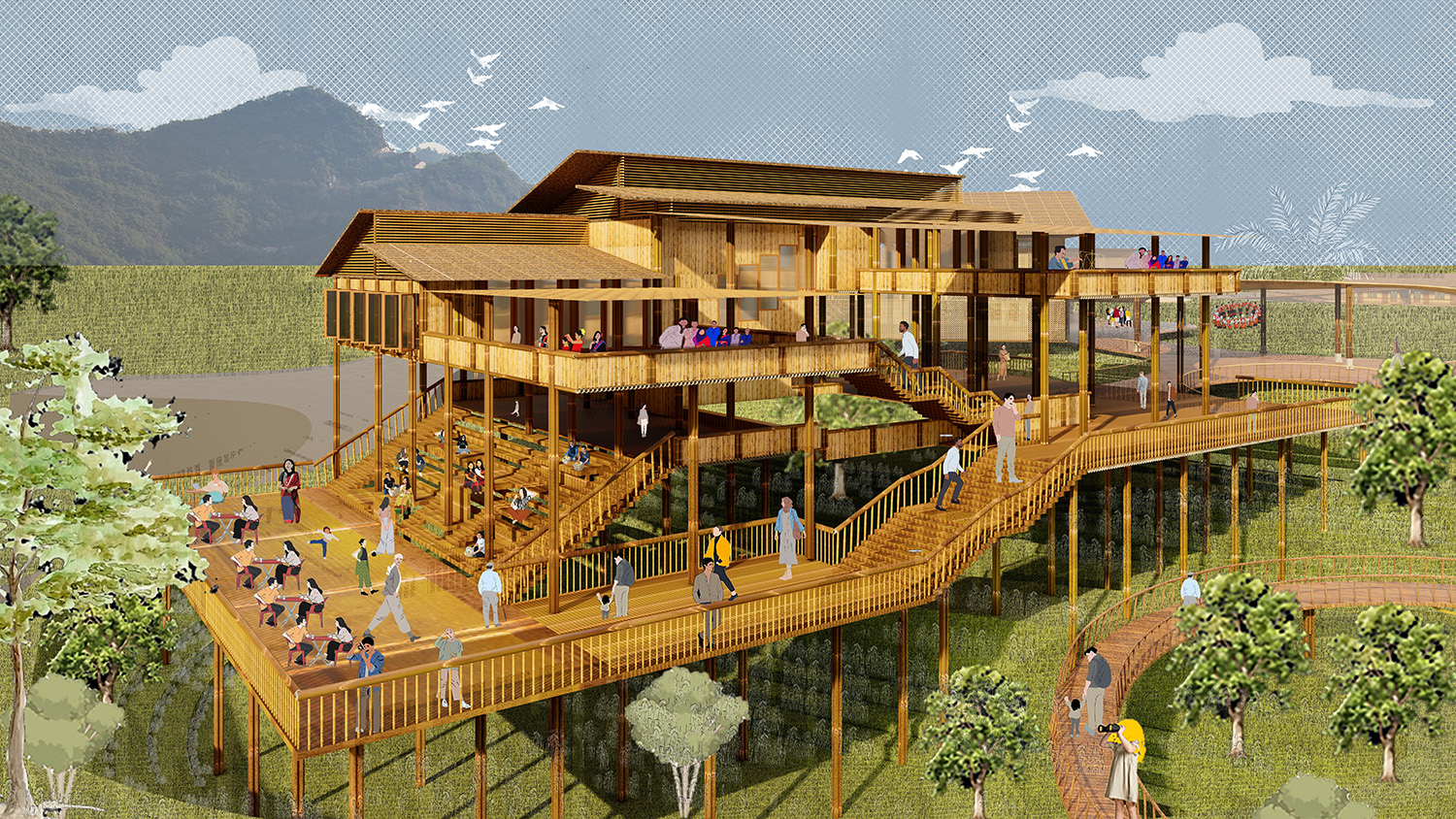
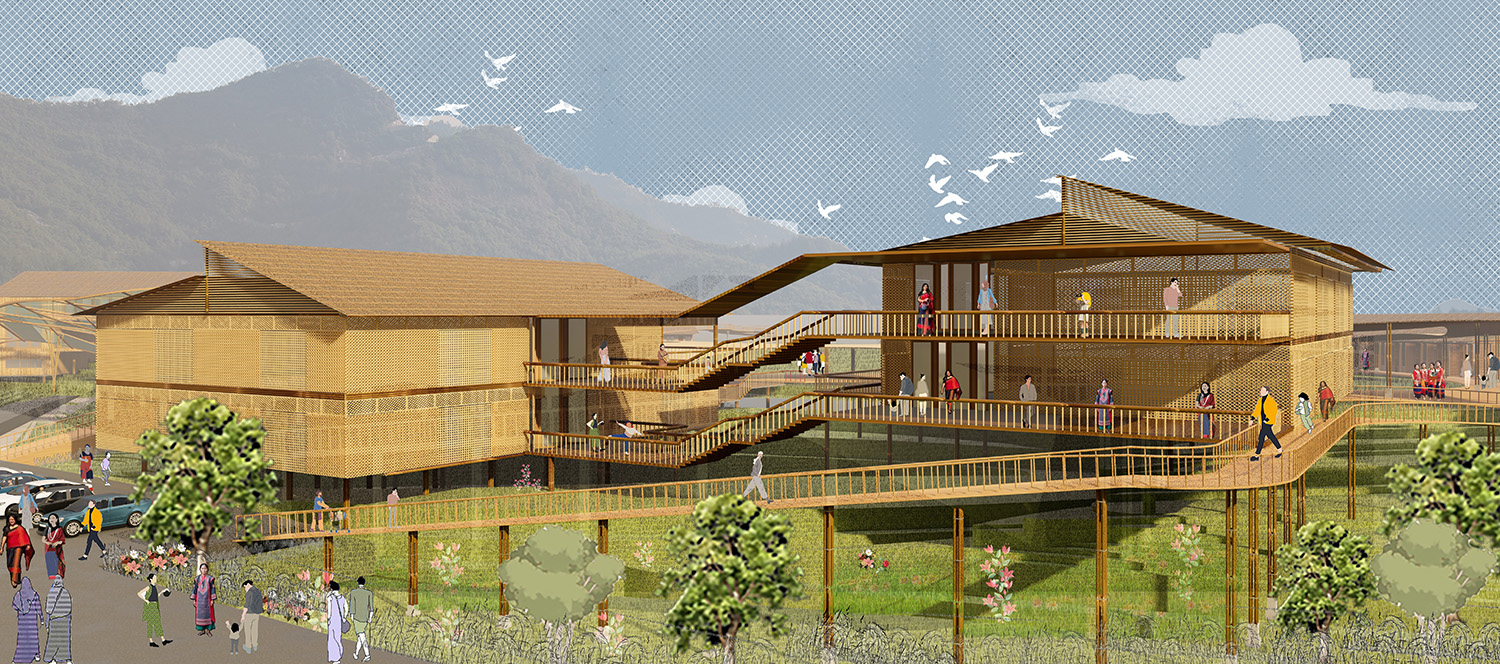
The design and program are built upon three core pillars: Preserve, Promote, and Celebrate. It will function as a dynamic hub for cultural education, research, exhibitions, and performances. In the proposal, spaces are designed to encourage dialogue, creativity, and intergenerational learning. The centre integrates exhibition areas, craft workshops, performance zones, and learning spaces not only to safeguard traditions but also to create educational and economic opportunities for the community.
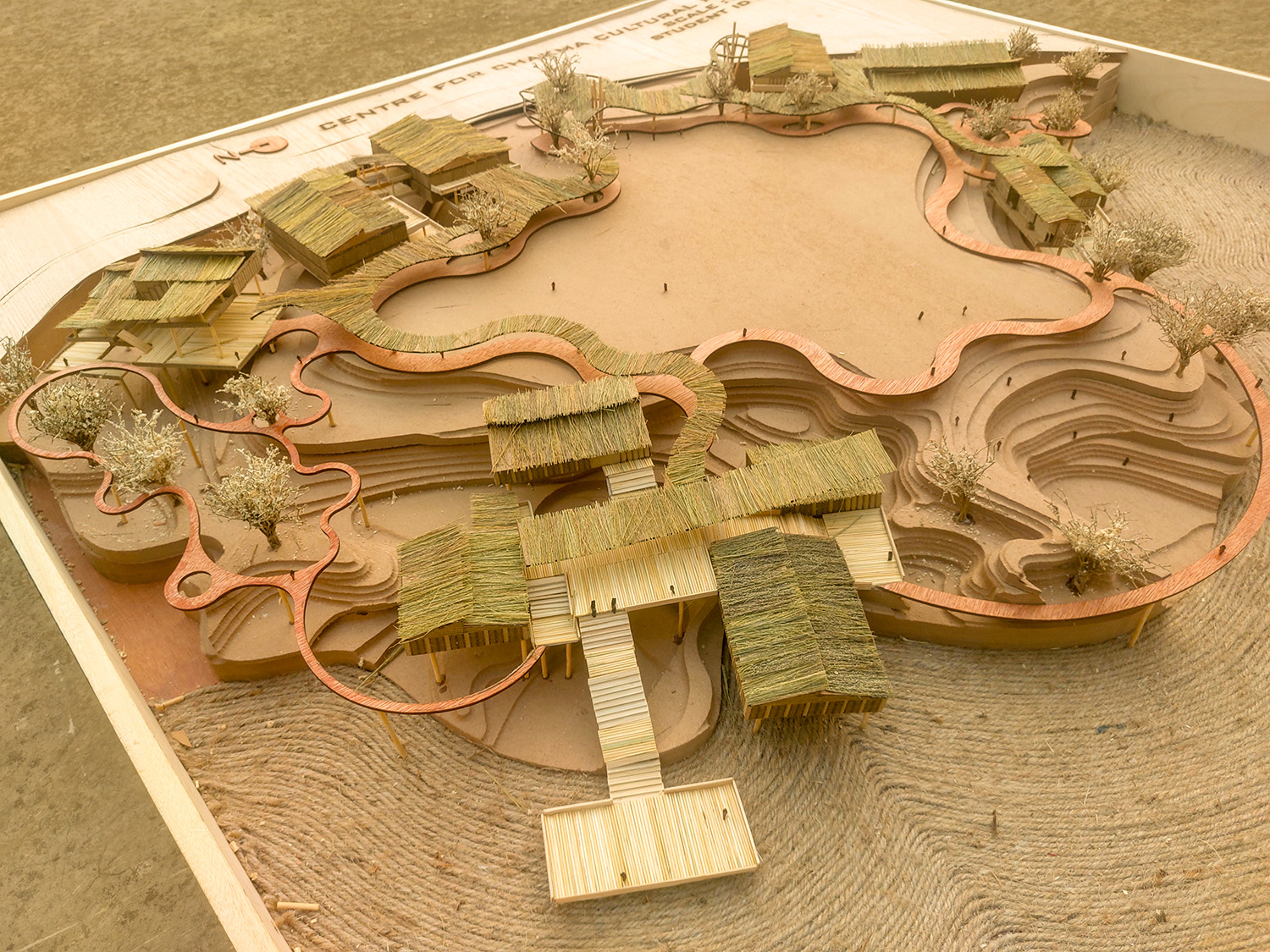
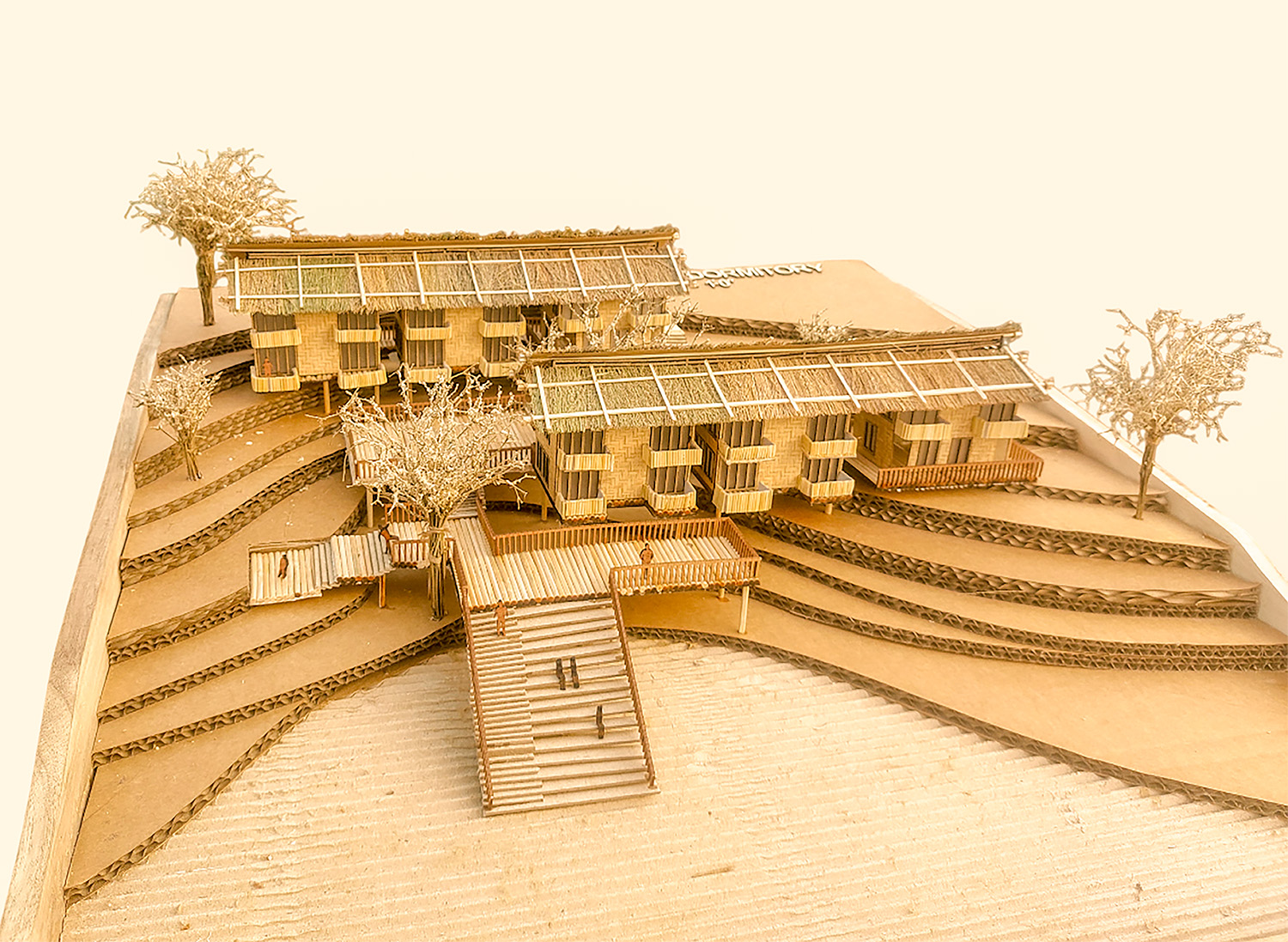
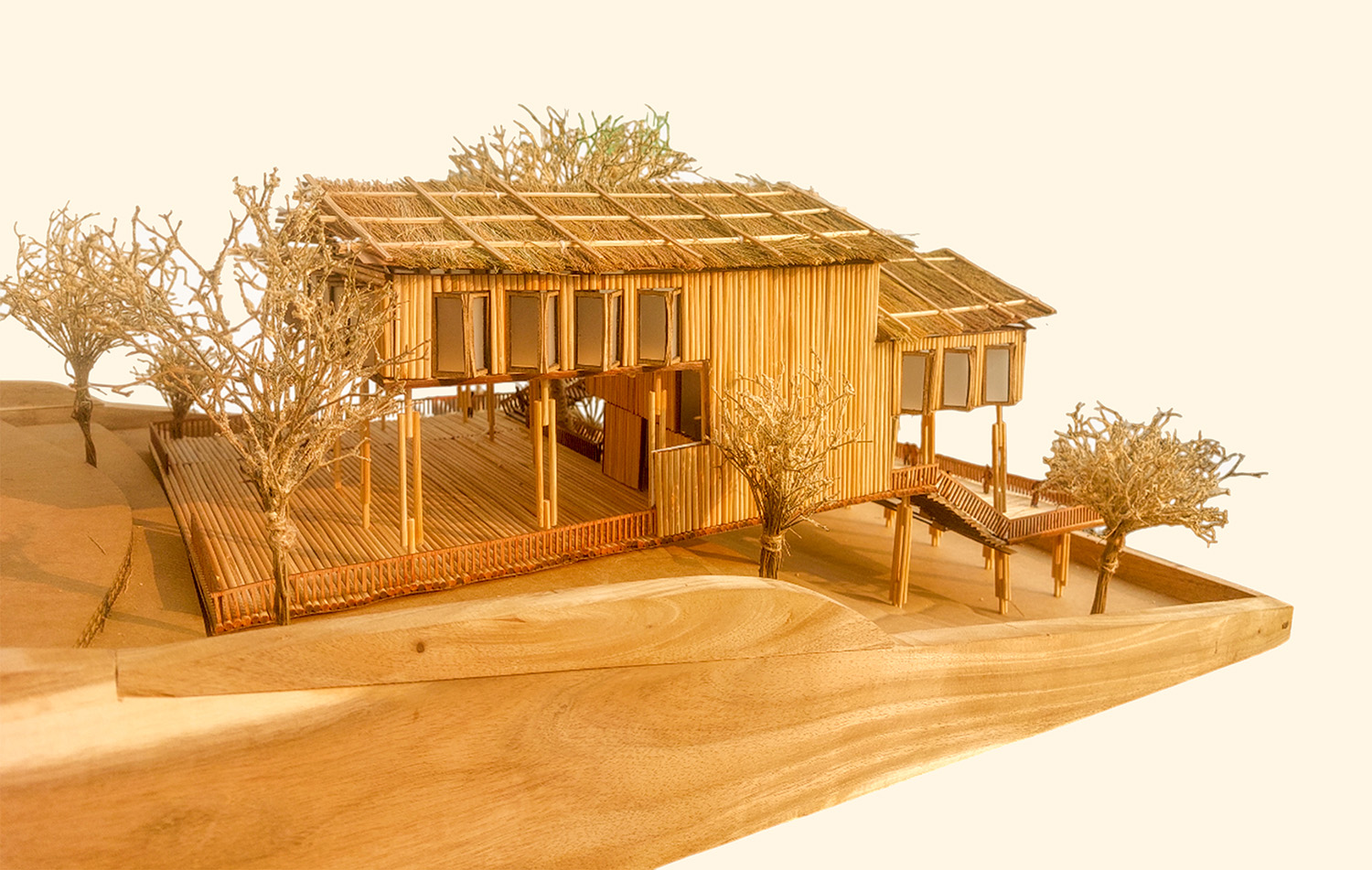
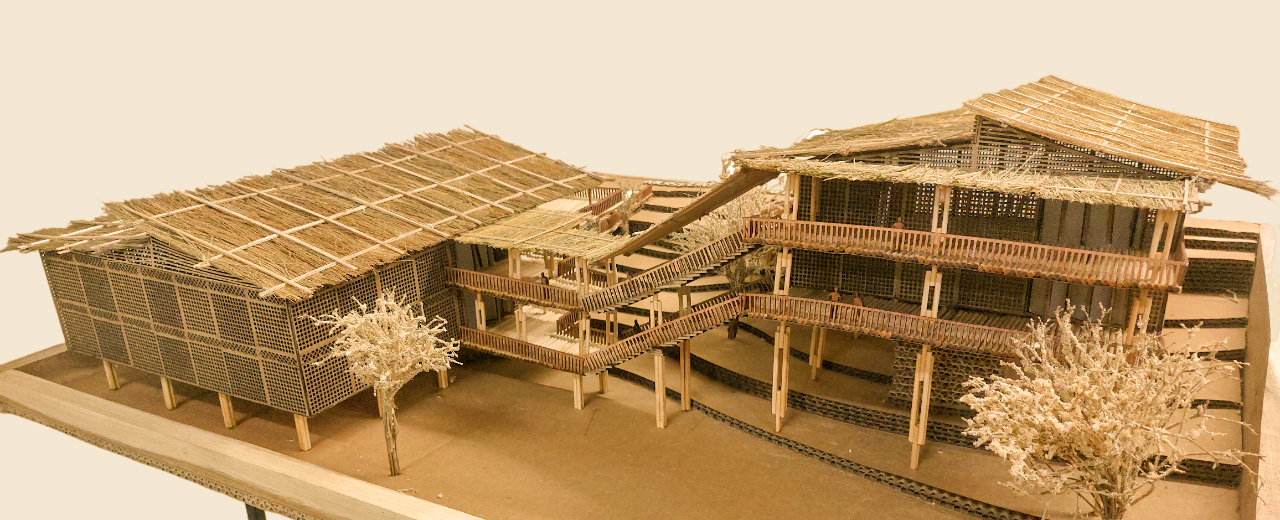
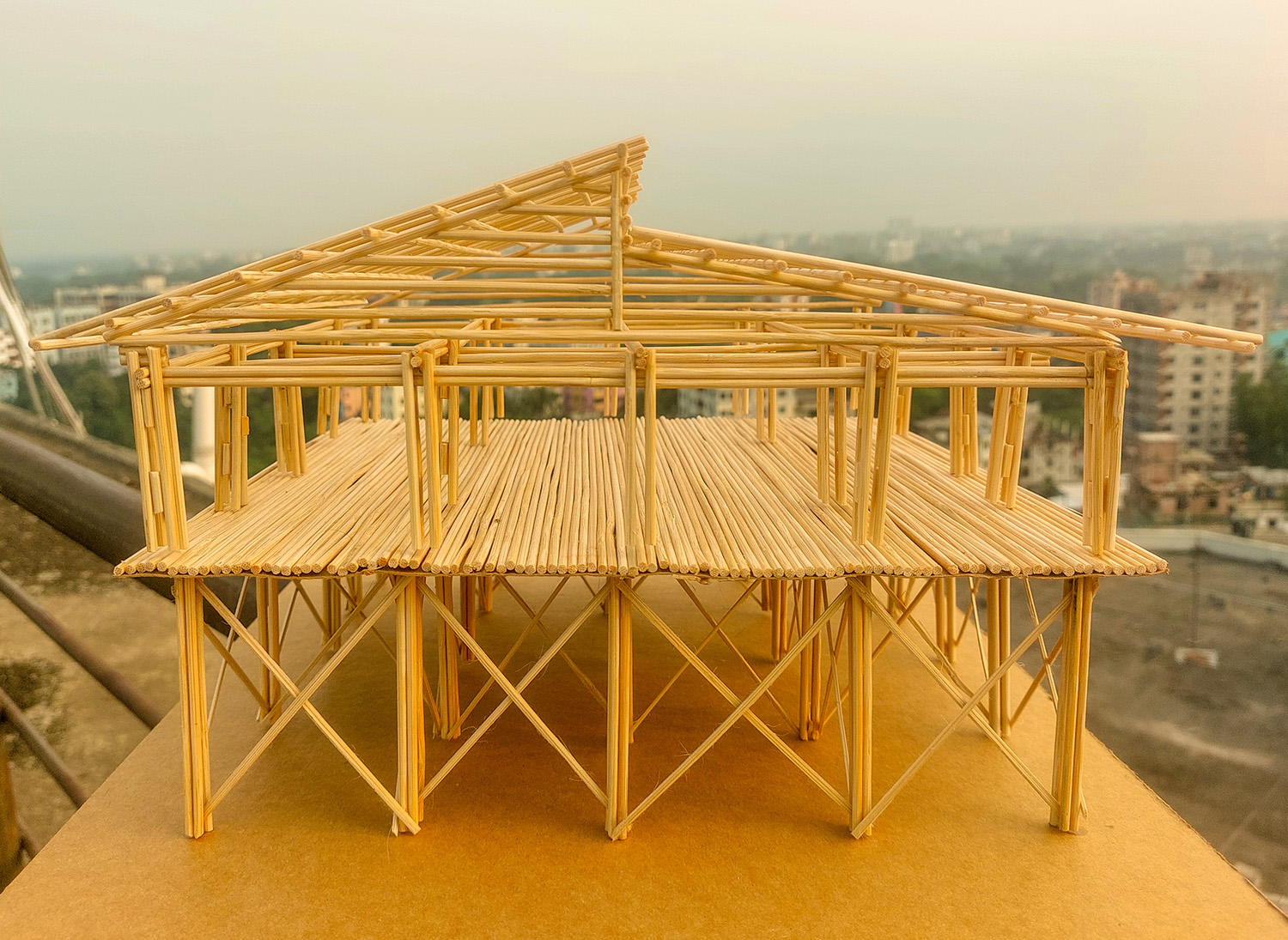
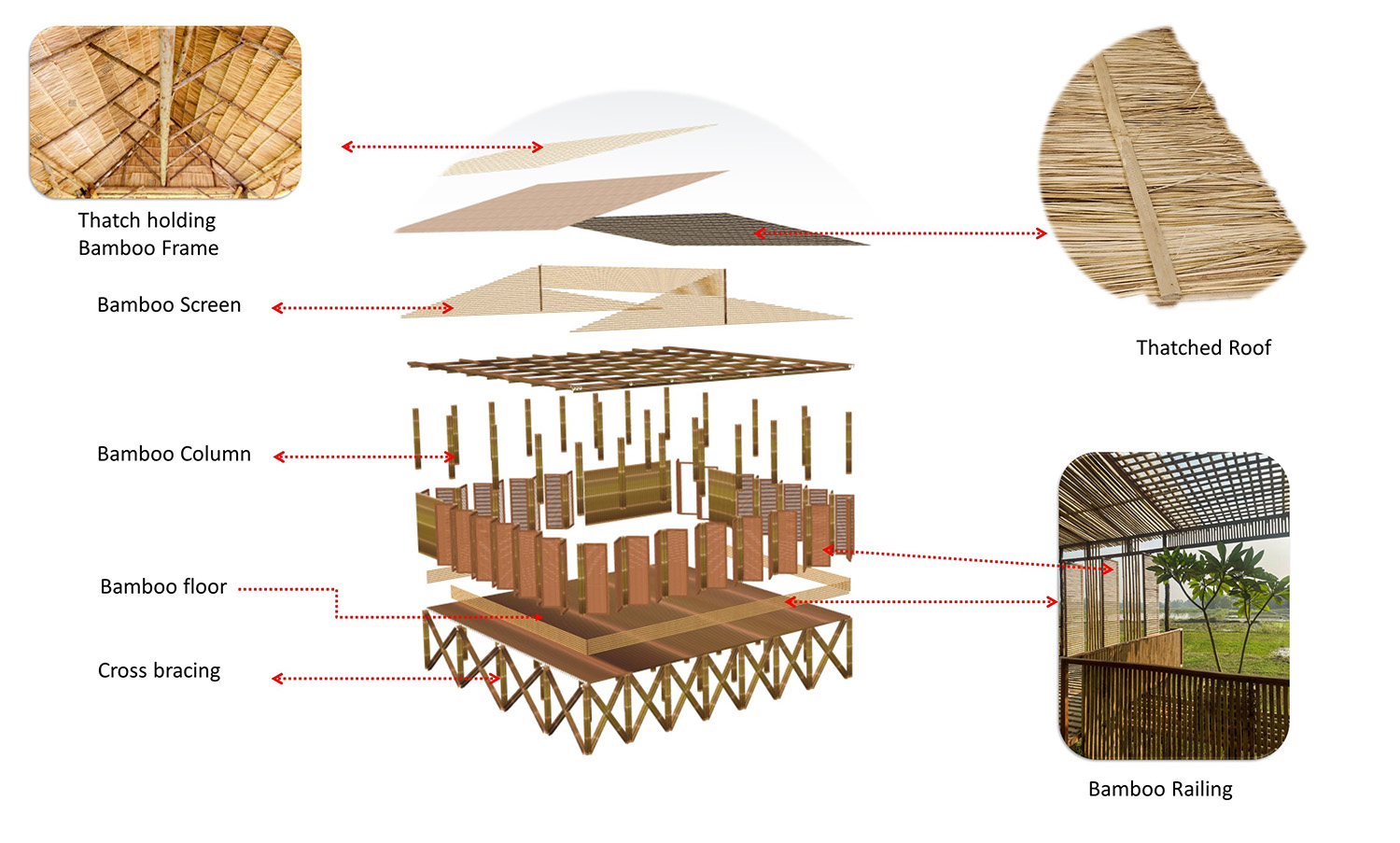
In its construction, the centre prioritizes local materials such as bamboo, wood, and thatch, and employ traditional building techniques and craftsmen. This approach ensures sustainability, honors cultural significance, and utilizes ancestral knowledge passed down through generations. Ultimately, the Centre for Chakma Cultural Harmony aims to be an active and sustainable hub where heritage is not just stored but actively lived, celebrated, and expanded as a source of inspiration for the future.
PEOPLE ALSO VIEW


Printed Publications

NEXT 50: Collective Futures

ASPIRATIONS AND IDEAS: Designing with Context