
Loop of Parkrise: A Vertical Solution for Urban Mobility
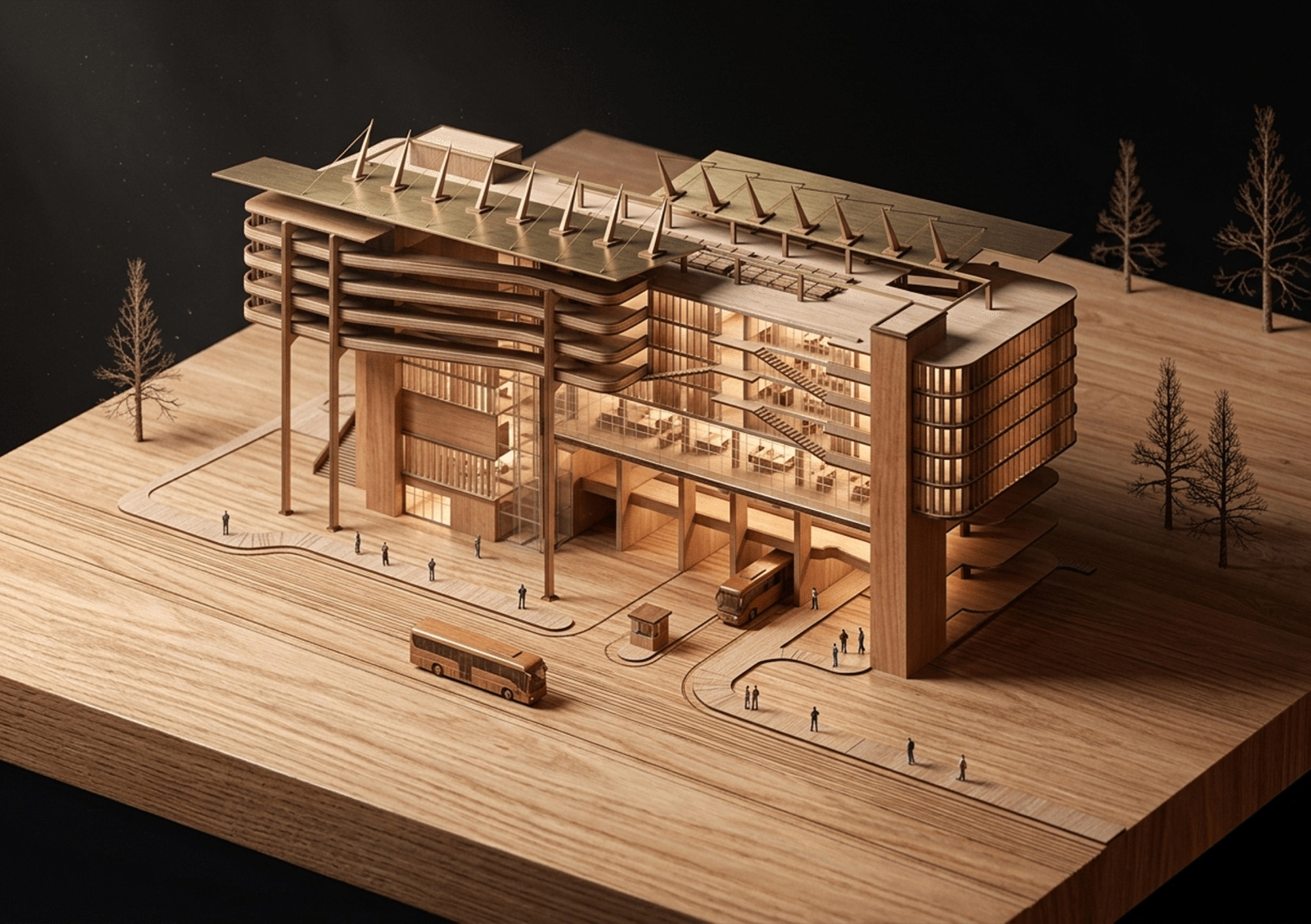
This project proposes a multi-level vertical parking hub as a forward-thinking response to Mirpur’s growing urban mobility demands. Accommodating a minimum of 250 cars and 5 buses within a maximum ground coverage of 50%, the design minimizes its footprint while maximizing spatial efficiency through vertical expansion. With innovative structural solutions and a bold architectural expression, the project aims to establish an iconic mobility landmark in Mirpur—functional in performance and distinctive in identity.
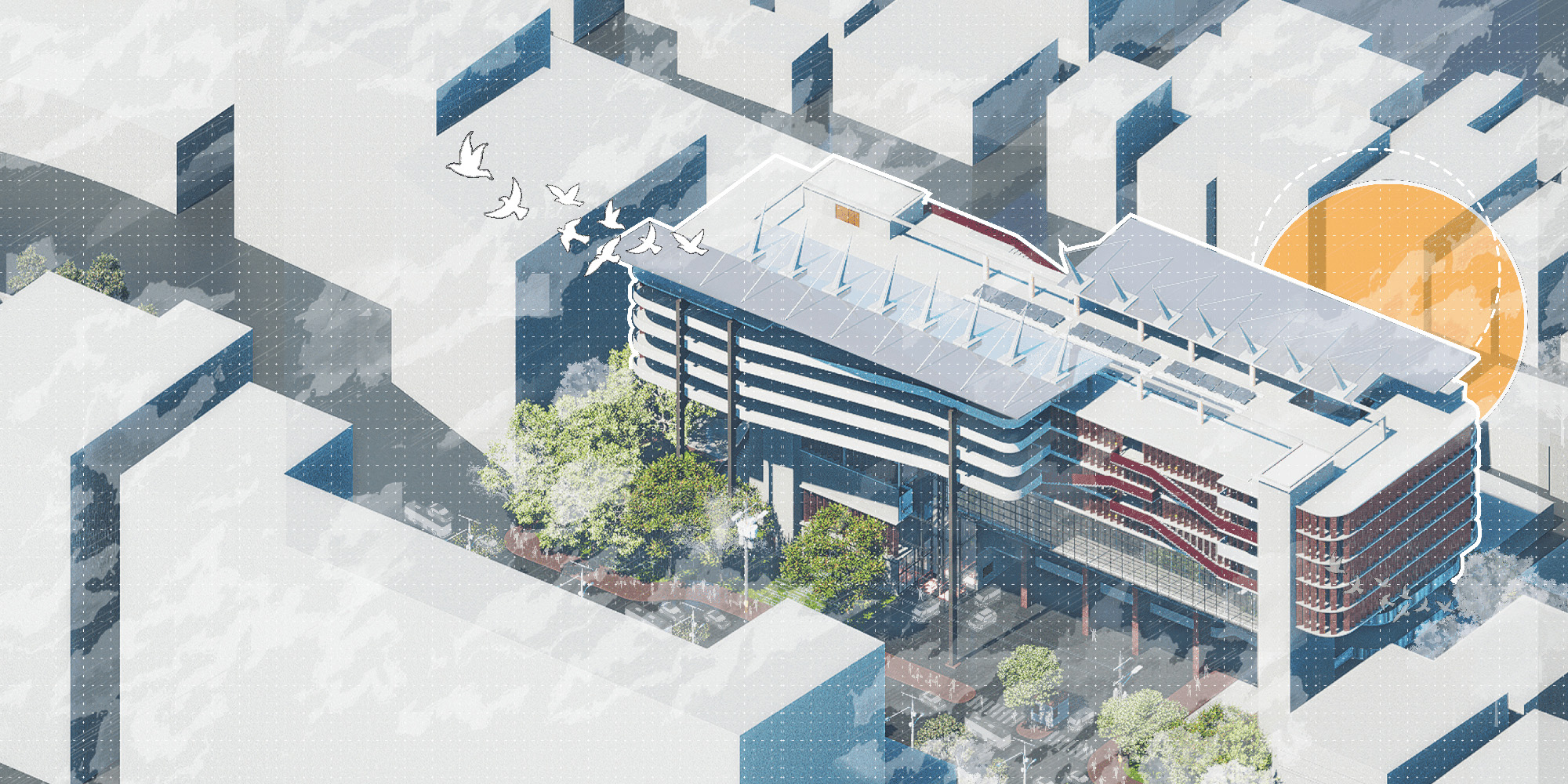
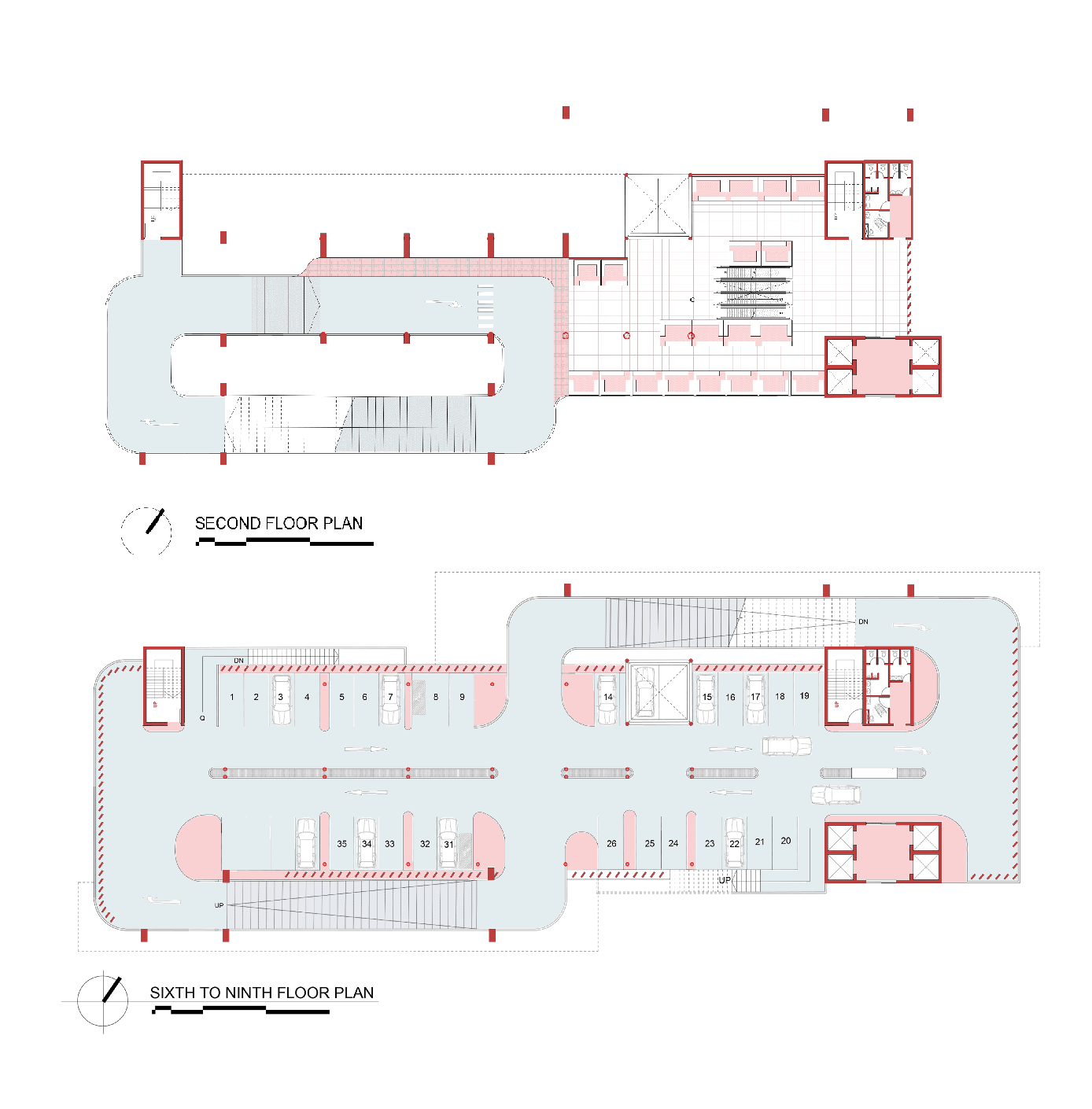
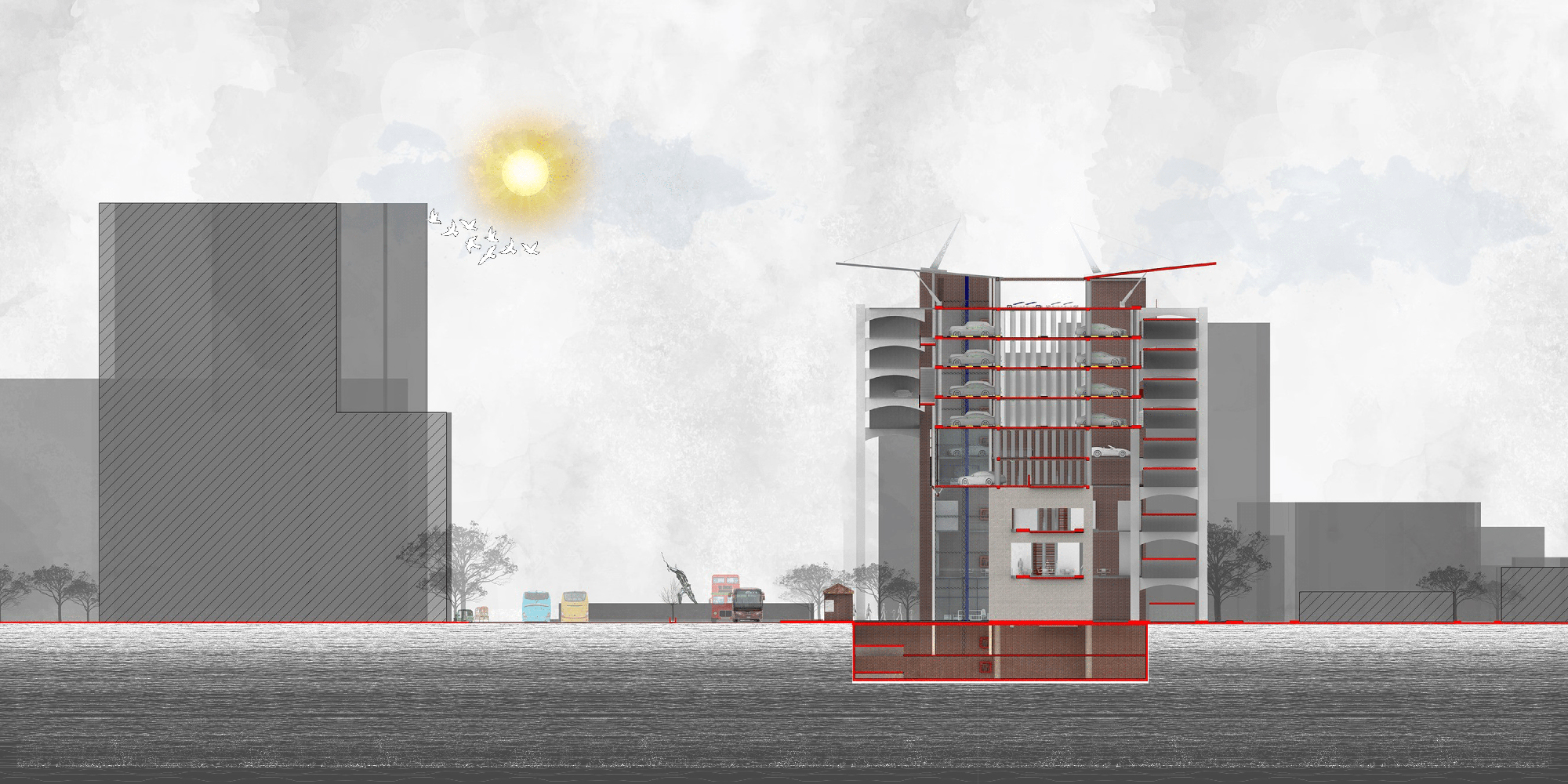
Abundant natural light is introduced through skylights, voids, and permeable façades to reduce energy consumption and create brighter, more comfortable interior environments. A clear and intuitive circulation system ensures congestion-free movement for both vehicles and pedestrians, from entry to exit. Prioritizing safety, security, and contextual sensitivity, the design integrates seamlessly with its surroundings while enhancing the urban experience.
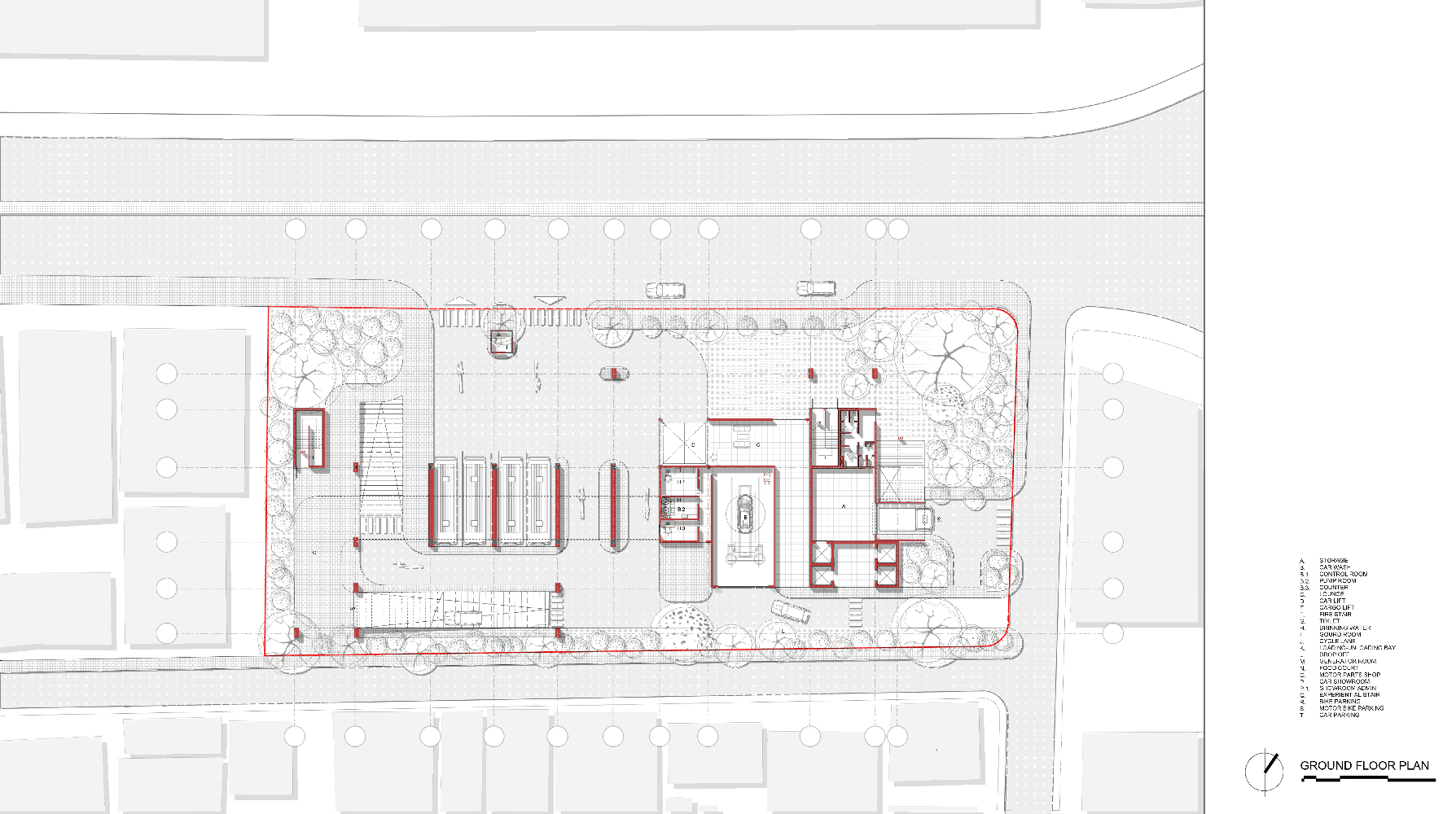
The Mirpur Mazar Road junction experiences severe traffic congestion, as buses from multiple routes converge without any designated stoppage zones. This uncontrolled condition contributes to continuous gridlock around the site. In response, the ground level is strategically planned to accommodate organized bus bays and seamless vehicular movement, reducing on-road chaos.
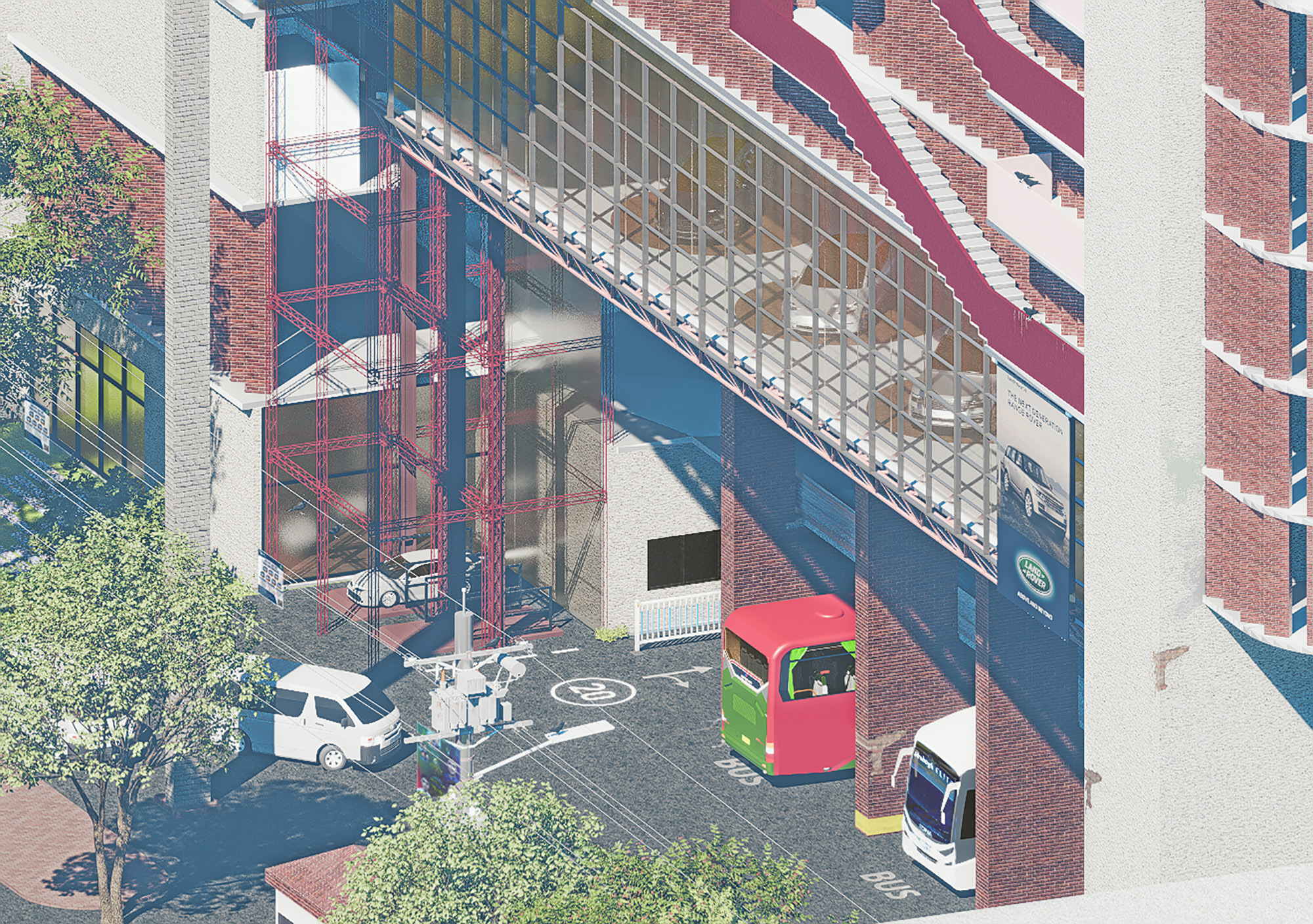
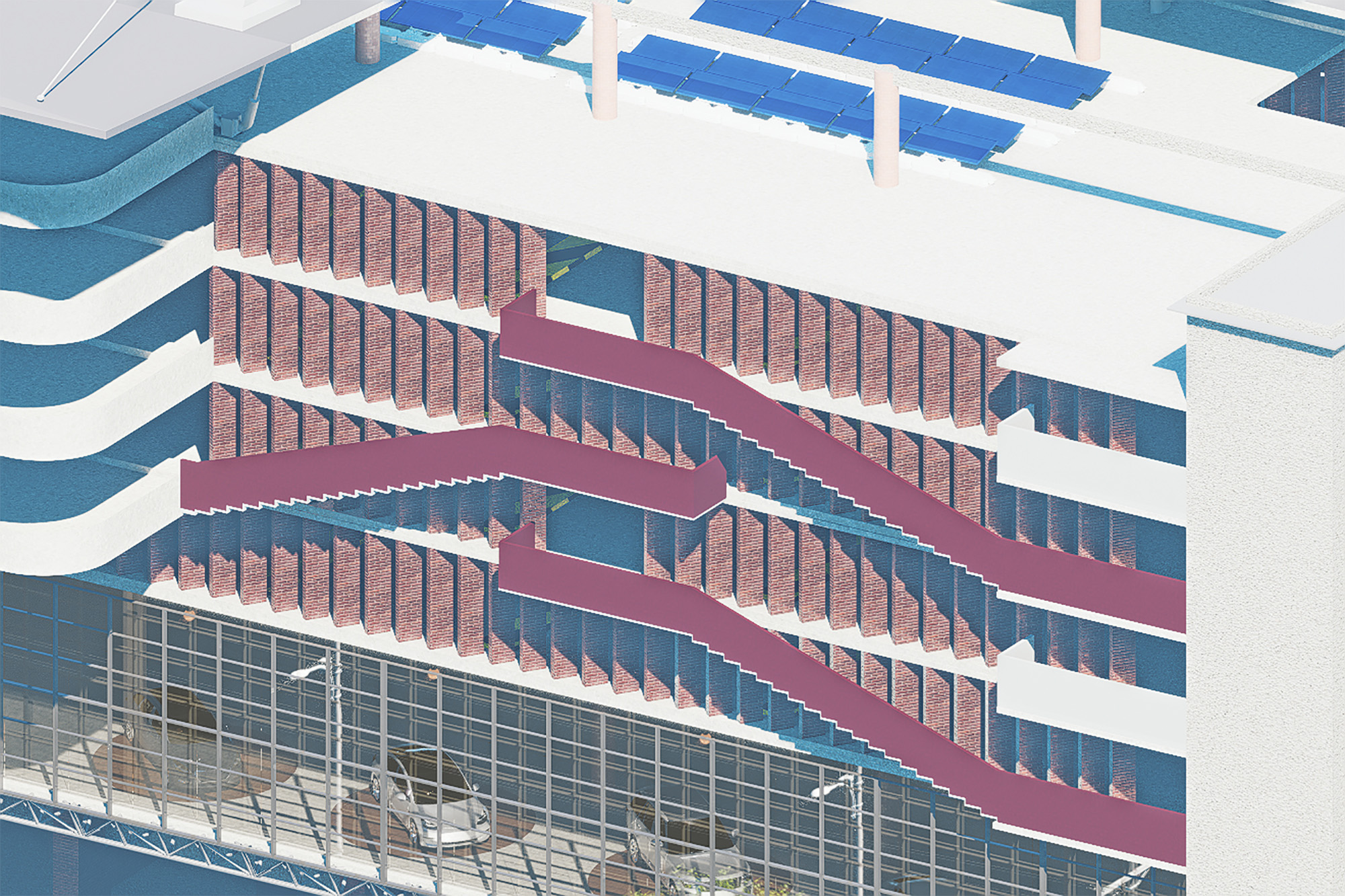
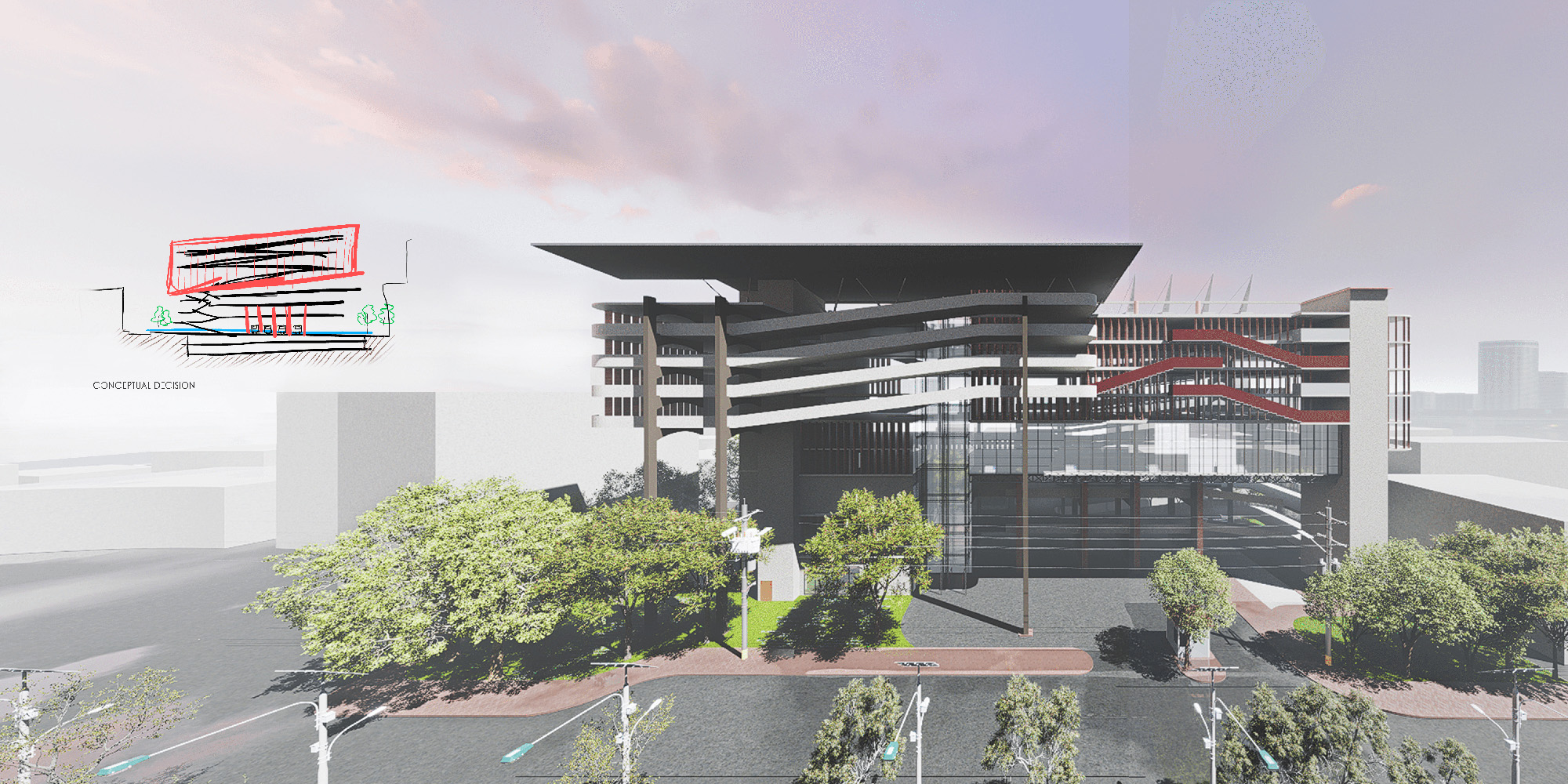
The project introduces a distinctive multi-level parking structure that integrates a car showroom, car-wash facility, cargo services, motor shops, and other mobility-related programs. The ground plane ensures efficient entry and exit points for both cars and buses, along with clearly defined parking areas and loading–unloading bays. Together, these interventions aim to streamline circulation, restore order, and transform the site into a more functional urban mobility hub.
PEOPLE ALSO VIEW


Printed Publications

NEXT 50: Collective Futures

ASPIRATIONS AND IDEAS: Designing with Context