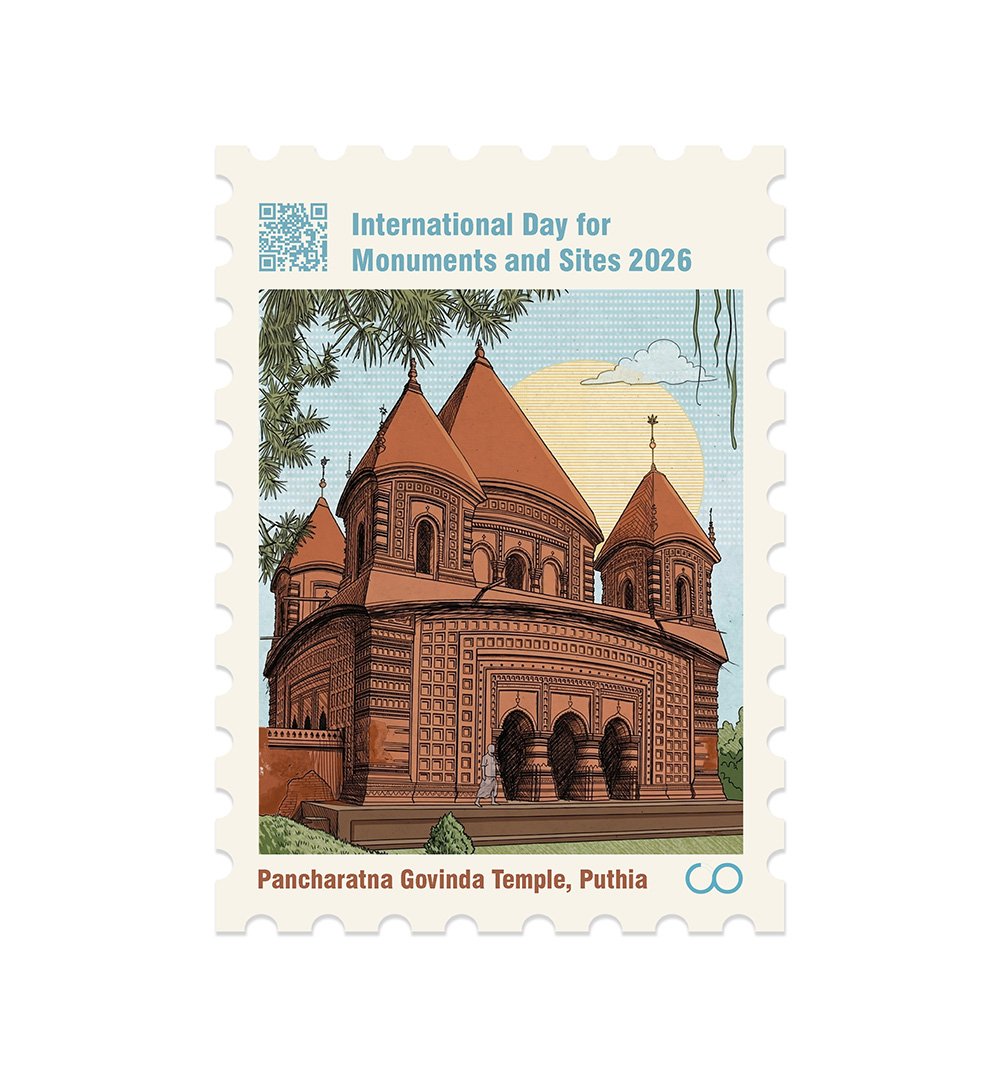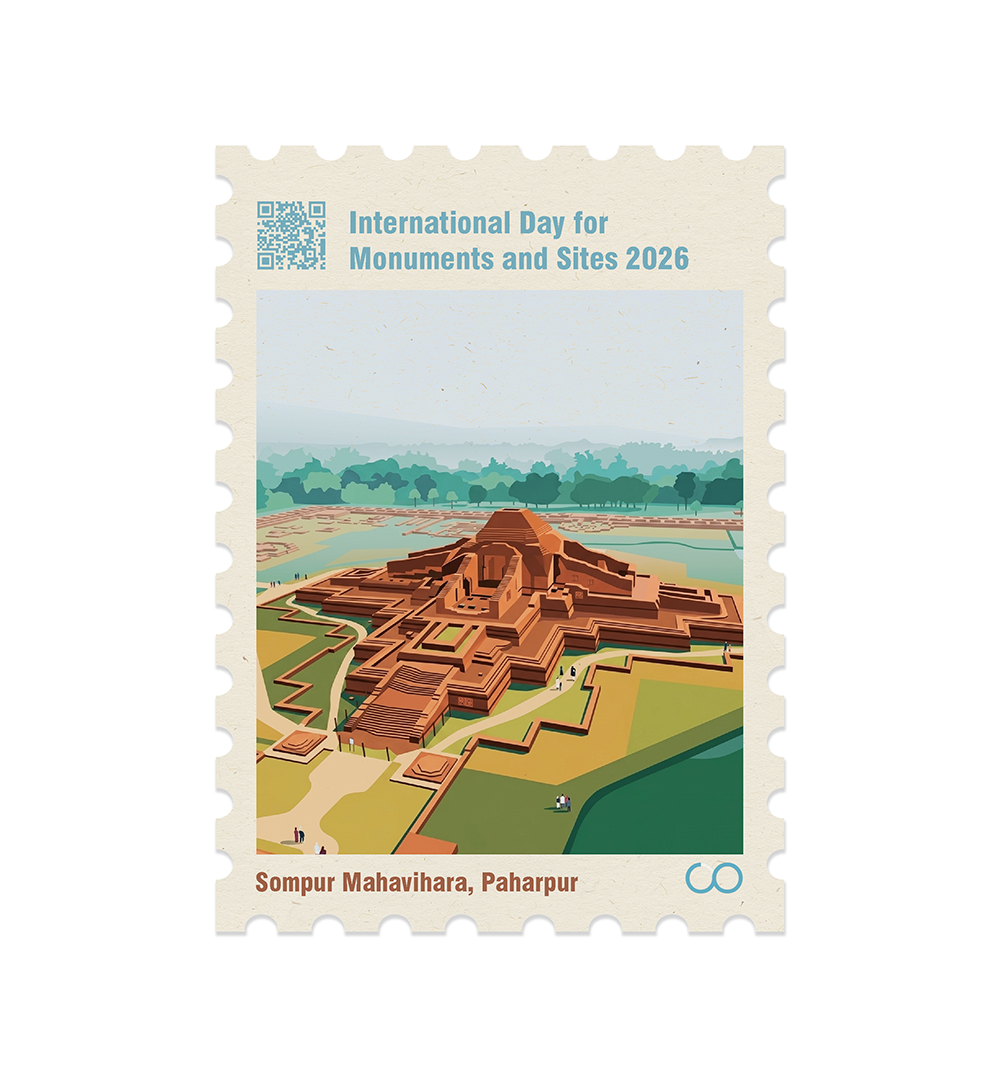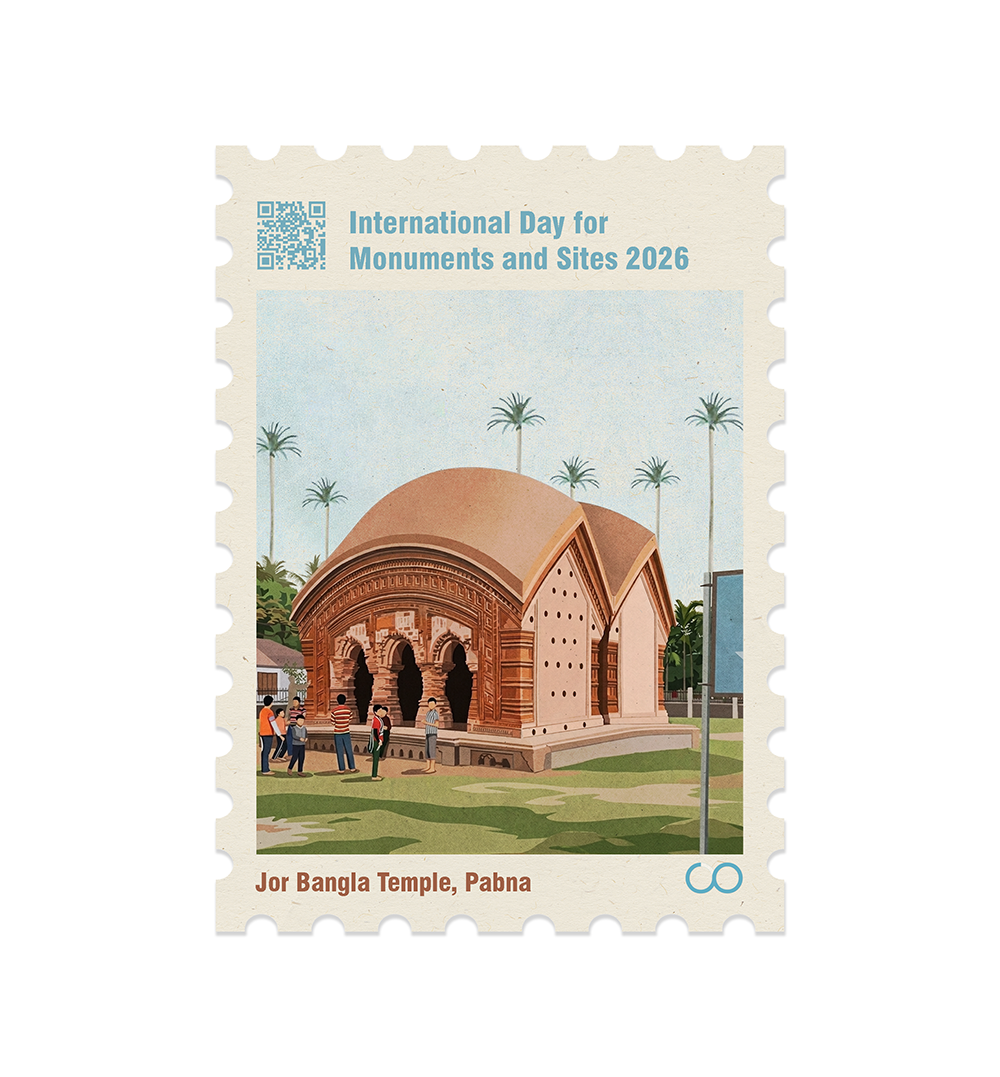
International Day for Monuments and Sites 2026
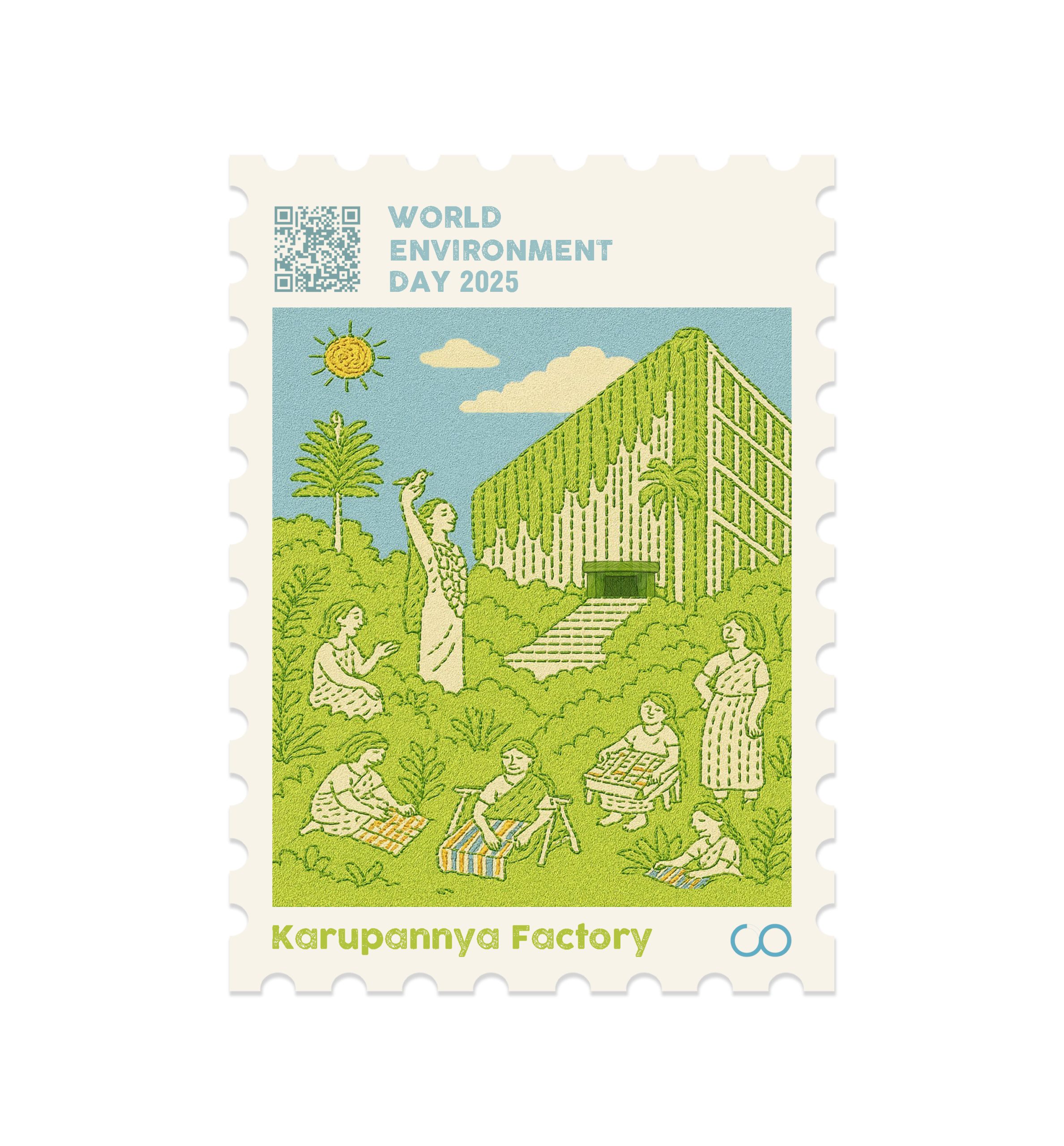
World Environment Day 2025
বসতবাড়ি | চিঠি ৩০ | সরকার বাড়ি
উত্তরবঙ্গের সীমান্তবর্তী জেলা নীলফামারীর সৈয়দপুরের কাশিরাম বেলপুকুর গ্রামকে কেন্দ্র করে রচিত এই চিঠি এক অনন্য স্থাপত্য ও সাংস্কৃতিক দলিল। চিঠিটি কেবল স্মৃতিচারণ নয়, বরং উপেক্ষিত এক গ্রামীণ ঐতিহ্যের পুনরাবিষ্কার। মাটির ঘর, চৌচালা ছাদ, বাঁশের বেড়া, উঁচু বারান্দা ও প্রশস্ত উঠান—এসব গ্রামীণ স্থাপত্যের উৎকৃষ্ট নিদর্শন। হেমন্তের ধানচালা, শীতে খেজুর গুড়ের পিঠা, বর্ষায় কাদাখেলা—ঋতুভিত্তিক গ্রামীণ সংস্কৃতির এক জীবন্ত আখ্যান। চিঠিটি পাঠিয়েছেন মুবতাসিম ইতমাম বিজয়; চিত্রায়ণ: সমবৃতা খান, সামিয়া হক মনিষা, মো:তৌফিক আলম, ইমরান হাসান; অনুবাদ: নওশীন তুবা।
মূল চিঠি:
আদরের দাদুভাই,
২০২৩ সালের প্রায় শেষ প্রান্তের এক ম্লান বিকেলে তোমার জন্য লিখতে বসেছি। পাশের পুকুরে ডুবো ডুবো জলে জড়িয়ে থাকা শালুক পাতার ওপর একটা ডাহুক তখন থেকে ডেকেই চলেছে। কী জানি! সে সত্যজাত ছানা হারালো নাকি সঙ্গিনী। তুমি হয়তো ঠিক এমন সময় আর্টিফিশিয়াল ইন্টেলিজেন্স, অগমেন্টেড রিয়েলিটি, ভার্চুয়াল রিয়েলিটির মত প্রযুক্তির কল্যাণে ঘরে বসেই বন্ধুদের সাথে কানেক্টেড আছো, গেইম খেলছো কিংবা পড়াশোনায় ব্যস্ত। তোমার এই বয়সে আমি যা যা করতাম সেই নিয়েই আজ লিখতে বসা, যাতে করে আমার দাদুভাই বড় হয়ে সেই সোনালী অতীতের কথা জানতে পারে। চলো দাদু ভাই শুরু করা যাক।
আমাদের পৈতৃক ভিটেবাড়ি নীলফামারী জেলার সৈয়দপুর উপজেলার অন্তর্গত কাশিরাম বেলপুকুর ইউনিয়নে। গ্রামের নাম পশ্চিম বেলপুকুর, সোনাখুলী কাজীপাড়া। তিন ছেলে ও তিন মেয়ের পরিবার। পরিবার আট জনের হলেও বাসায় আরও অনেকে থাকতেন। তাই বাসাটাও বেশ বড় জায়গা জুড়ে করা হয়, যার মাঝে ছিলো বিশাল এক উঠান।
বাড়ির মূল উঠান একটিই। দক্ষিণ পাশে যেটি ছিলো সেটি আসলে খুলি (বাড়িতে প্রবেশের আগের জায়গা) এবং উওর দিকে রান্না ঘরের পিছনের অংশটি সবজিবাড়ি নামে পরিচিত ছিল। ভেতরের উঠানটা বড় হওয়ার কারণ ছিল; ধান শুকানোর জন্য প্রয়োজন বিশাল জায়গার। খুলি বাড়িতে চলতো মাড়াইয়ের কাজ আর ভেতরে শুকানো। উঠানের উপযোগীতা সার্থক হয় বিভিন্ন কাজে এর ব্যবহারের জন্য। একই সাথে ধান শুকানো, যেকোনো অনুষ্ঠান আয়োজন, আবার অন্যদিকে ছোটদের খেলার জায়গা। ছোটবেলায় কত্ত খেলা যে এই জায়গাটায় খেলেছি তার ইয়ত্তা নেই।
উঠোনকে কেন্দ্র করে চারিদিকে ছিলো থাকার ঘর। বাড়িতে আসার প্রধান সড়ক ছিলো দক্ষিণ দিকে। দক্ষিণ-পূর্ব হয়ে বাসায় ঢোকার প্রধান ফটক চোখে পড়বে। ঢুকেই দক্ষিণ পাশের প্রথম ঘরটি ছিলো আমাদের ঘর। ছুটিতে, ঈদে অথবা যেকোনো বন্ধে বাসায় এলে এই ঘরটিতেই থাকতাম আমরা। ঘরটি ছিলো আকারে বেশ বড়। দুটো বিছানা এবং প্রয়োজনীয় আসবাবপত্রে সাজানো। বাসায় অতিথি এলেও প্রায় সময়ে এই ঘরেই ঠাঁয় মিলত সবার। দ্বিতীয় ঘরটি তারপাশেই। এখানে থাকতেন দাদী এবং আমাদের ছোটদের আগ্রহের রহস্যময় সিন্দুক। পরে অবশ্য আমাদের উৎসাহী, আগ্রহী মনকে চুরমার করে দিয়ে জানা গেলো রহস্যময় সিন্দুকের মধ্যে আসলে ছিলো কাপড়, বাড়ির কিছু কাগজ এবং দাদীর ব্যবহার্য খুবই সাধারণ কিছু সামগ্রী। দুটো ঘরের মাঝ দিয়ে আনুমানিক আট ফিটের যাওয়ার পথ। এই পথ দিয়েই বাড়ির পানির উৎস অর্থাৎ নলকূপ, গোসল করার জায়গা এবং এর পাশে টয়লেটের অবস্থান। মেইন গেইটের পূর্ব পাশে ছিলো দাদার রুম। দাদা ইন্তেকালের পরে রুমটা স্টোর রুম হিসেবে ব্যবহৃত হতে থাকে। আমাদের একসময়ের লাঙল গাড়ির চাকা এবং অন্যান্য সরঞ্জামাদি ছিলো এই ঘরেই। দাদার ঘরের পাশেই ছিলো বাসায় প্রবেশের দ্বিতীয় গেইট এবং তারপাশে উত্তর-পূর্ব কোণায় গোয়াল ঘর।
রসুইঘর ছিলো একেবারে উত্তর দিক বরাবর। বেশ বড়সড় রকমের এই ঘরে চুলা ছিলো তিনটে। শীতকালে এর পাশে বসেই মাদুর পেতে খাওয়া গরম গরম পিঠা, ফুলকপি-সিম-ধনিয়াপাতার ধোঁয়া ওঠা এক অমৃতসম তরকারী। আহ্ দাদুভাই সেই স্বাদ বুঝি তোমায় দিতে পারতুম! উত্তর-পশ্চিম কোণায় ছিলো খড়ির ঘর। রান্না ঘরের পিছনে উত্তর পাশে ছিলো সবজি বাড়ি। দাদীর বদৌলতে এই সবজি বাগানের সিম, লাউ, লাল শাক, পেঁপে, ধনিয়া, আদা, হলুদ সহ নানা টাটকা টাটকা ক্যামিকেল বিহীন সবজির সমাহার। পশ্চিম পাশে ছিলো আরেকটি ঘর। এই ঘরটা মূলত অতিথি ঘর হিসেবে ব্যবহৃত হত। পরবর্তীতে ধান রাখা এবং অন্যান্য সামগ্রী রাখতে ব্যবহৃত হয়। ঘরের পাশেই ধান সিদ্ধ করার জায়গা।
বাড়িতে ঢোকার গেইট বলতে কিছু থাকলেও আদতে বাসায় ঢুকতে আক্ষরিক অর্থে কোনো বাধাই ছিল না। সব দিক দিয়েই খোলা। ঘরে ঢুকতে যেই দরজা থাকে সেটুকুই শুধু। কারন পুড়ো পাড়াটাই যে একটি বাড়িসম! অথচ তোমরা হয়ত অটো সেন্সর দরজা ব্যবহার করেও নিরাপত্তা নিয়ে শংকিত থাকো। যেকোনো অনুষ্ঠান হলেই আমাদের এই উঠোনই ছিলো সকলের একত্রিত হওয়ার উত্তম স্থান। উঠান যে গ্রাম্যসমাজে কত গল্পের উপাখ্যান তৈরি করে সেটা এই জায়গা সংশ্লিষ্ট মানুষেরা খুব ভালো করেই জানে।
দক্ষিণ দিকের ঘরগুলোর মেঝে উঠান থেকে ছিলো দুই ফুট উঁচু। থাকার ঘরের চারটেই চৌচালা ঘর এবং ঘরের বেড়াগুলো ছিলো বাঁশের তৈরি। ঘরামিদের দক্ষ হাতে সেসময় ঘর বানানো হত। ঘরগুলোর মেঝে বানানো হত বিশেষ কায়দায়। বাঁশ বিছিয়ে দিয়ে প্রথমে পাটাতন তৈরি করা এবং পরবর্তীতে মাটি দিয়ে মেঝেটা লেপে দেয়া। মাটির তৈরি বাসা তোমাদের দেখার সৌভাগ্য এখন শুধু বিশেষ কিছু রিসোর্টেই হবে। কিন্তু আগে ঘরের দেয়াল এবং মেঝে দুটোই মাটির হত। পূর্ব পাশে দাদার ঘরের মেঝে ছিলো উঠান থেকে ছয় ইঞ্চি উঁচু যার দরুন মেঝে ছিলো পুরোটাই মাটির। প্লিন্থ বানাতে শাল গাছের শক্ত খুঁটি ব্যবহার করা হত বিধায় এখনো সেগুলো টিকে আছে। রান্না ঘরও ছিলো দাদার ঘরের মত ছয় ইঞ্চি উঁচুতে। দক্ষিণের ঘরগুলির সামনে ছিলো আট ফিটের বারান্দা। বৃষ্টি হলে এই বারান্দাতেই বসে গল্প করতাম সবাই। সঙ্গে দাদীর তৈরী মুড়ির মোয়া। অতিথি এলে কখনো উঠান কখনোবা বারান্দায় রাখা চৌকিতে বসতে দেয়া হত। বারান্দার ব্যবহার আমাদের এই ট্রপিক্যাল অঞ্চলে আর্শীবাদ।
ফল-ফলাদির নানা গাছ লাগানোর প্রচলন ছিলো বাড়িতে। দাদীর কল্যাণেই বাড়ির চারপাশ ছিল এত সবুজে ঘেরা। বাড়ির প্রধান প্রবেশের পথ দিয়ে ঢুকতেই জাম্বুরা ও আম গাছের অবস্থান দেখতে পাবে। খুলিবাড়ির সাথে লাগোয়া রাস্তার সারি ধরে নারিকেল গাছ। খুলিবাড়ির পাশে গোসলখানার পিছনে দক্ষিণ-পশ্চিম কোণে রয়েছে বাশঁঝাড়। পশ্চিমে কাঁঠাল গাছ ও সুপারি গাছের সারি একের পর অন্যটা। এদিকে আরও আছে জিওল ও মেহগনি গাছ। তবে ছোট বেলায় আমার চোখে সবচেয়ে সুন্দর গাছ ছিল মেহেদী গাছ! বাসার সবাই যে মেহেদী পাতা বেটে লাগাবার সময় আমার হাতেও একটু লাগিয়ে দিত। ছোট্ট বয়সে ওই হাতে টুকটুকে করার ওপর ছিল বড্ড শখ। রান্না ঘরের পিছনে সবজির বাগানের পরই আম গাছ এবং সুপারি গাছের সারি। পূর্ব দিকে বেশ কয়েকটা নারিকেল গাছ এবং পেয়ারা গাছ। সবচেয়ে মজার ঘটনা হচ্ছে গাছ থেকে ফল পাড়তে যেয়ে পরে যাওয়া। কোমড়ে বড্ড লেগেছিলো সেবার।
গ্রামের প্রতিটা ঋতুই বেশ অন্যরকম। গ্রীষ্মে মৌসুমী ফলের গন্ধে যেমন মো মো করে চারপাশ, বর্ষায় তেমনি পানি থইথই করে, ছোট ছোট মাছ ধরা যায় এবং কাদামাখামাখি খেলা সবই আছে। আকাশের নরম নীল ছুঁয়ে ভাসা শুভ্র মেঘের দলের নিচেই দোল খেতে থাকা ধানের শীষ। হেমন্তের সময় সবাই ধান কাটতে চলে যেত। ধান মাড়াই করার পর ধানে কুলোয় ধরে যখন চালা হতো, উড়তে থাকা চিটে গুলো মাঝে মাঝে আমার চোখে বিন্দু বিন্দু খসে পড়া তারা রূপে ভ্রম লাগতো। তোমরা যেই চালের ভাত খাও এখন, সেগুলো হয়ত সবটাই যন্ত্র করে দেয়। আগে আমরা হাতেই করতাম সব। হেমন্তের পরেই দক্ষিণের বিপরীত থেকে আসা মৃদু পবন একসময় অতু্যগ্র ঠান্ডা নিয়ে হাজির হয়ে যায়। এ সময়ে ভোরে মুয়াজ্জিনের কণ্ঠে ভেসে আসে সুমধুর আজানের ধ্বনি মানেই আমার চঞ্চল মন আমাকে ডাকছে খেজুর গাছের নিচে! জানি না তোমরা সেই খেজুরের গুড়ের মায়ের হাতের বানানো নানারকম পিঠেপুলি খেতে পাও কিনা। হয়ত পাও! কিংবা হয়ত পাও না! আর বসন্ত এলেই চারিদিকে কেমন রংয়ের ছোঁয়া লাগে। তবে গ্রাম আজ আগের মত নেই। শহর শহর ভাব চলে এসেছে।
যেখানেই যাও না কেন দাদু ভাই, এই মানুষগুলাকে স্মরণ করিও। তোমার শিকড় যে এখান থেকেই বড় হয়েছে। তোমার উপক্রমণিকা যে এখানেই। এই টান অনুভব না করে থাকা যায়!
তোমার দাদাভাই
প্রেরকঃ মুবতাসিম ইতমাম বিজয়
বি.আর্ক. খুলনা বিশ্ববিদ্যালয়
অন্যান্য তথ্যঃ
বাড়ির ঠিকানাঃ সরকার বাড়ি; গ্রামঃ পশ্চিম বেলপুকুর; পোস্ট অফিসঃ সোনাখুলী; উপজেলাঃ সৈয়দপুর; জেলাঃ নীলফামারী
বাড়ির প্রতিষ্ঠাতাঃ জসীম উদ্দীন সরকার (লেখকের দাদা)
দাদা একজীবনে নানান পেশার সাথে যুক্ত ছিলেন। শুরুর জীবনে রেলওয়ে চাকরি শুরু করেন। তবে খুব বেশিদিন স্থায়ী হননি কাজে মন বসেনি বলে। পরবর্তীতে ইংরেজী শিক্ষকের ভূমিকায় দেখা যায় বেসরকারী স্কুলে। সেটাও কয়েক বছর পরে ছেড়ে দেন। শেষমেষ মনোনিবেশ করেন কৃষি কাজে। দাদার বাবার বেশ কয়েক বিঘা জমি ছিলো। সেই দিয়েই সংসার চলত। দাদী ছিলেন পুরদস্তুর গৃহিণী।


English version: Translated by Noshin Tuba
Dear Dadubhai,
2023 is almost coming to an end. In this quiet, dusky evening of the year, I am writing to you. Water lilies floating gently on the still water by the pond outside, and this lonely Dahuk’s been calling for quite a while now. Has it lost its beloved offspring, or its mate? Who knows! You are probably connected with your friends, playing games or studying all indoors – surrounded by artificial intelligence, augmented and virtual realities. I am writing to you to let you know how my childhood was like at your age – so that my dearest dadubhai can know about the golden past when they grow up. So let me begin.
Our ancestral home is in Nilphamari district, Saidpur Upazila, under Kashiram Belpukur union. The village is named West Belpukur, Shonakhuli Kazipara. A family of three sons and three daughters. Although the family was of eight members, there were many others living with us as well. So the house was built on a pretty large area, wrapped around a large open courtyard at its heart.
There was only one main courtyard. The one in the southern side was called Khuli (the open space before the entrance), whereas the one behind the kitchen in the northern side was known as Sabjibari. There was a reason why the inner courtyard was larger, since it provided the necessary space required for drying paddy. Threshing was usually done in the Khuli Bari, while the inside was for drying. The utility of the courtyard mainly paid off of its use for various purposes. At the same time it was used for drying paddy, organizing any kind of celebration, and even as a play yard for kids. It’s beyond measure how much I played here in my childhood.
The courtyard was centered by rooms from all sides. The main road to the house was on the south. If you looked from the south-east the main gate would catch your eyes. The first room on the southern side was ours. We used to come and stay in this room during holidays, Eid, or any kind of vacation. The room was quite large in size. It was furnished with two beds and the necessary furniture. We’d often accommodate guests in this room as well. The second room was right next to it. Grandmother used to stay here and so did the mysterious trunk that piqued the interest of kids. However, it was later found out that the mysterious trunk only contained clothes, some paperwork of the house, and some very ordinary everyday items used by Grandmother, crushing our keen interest and excitement for it.There was approximately 8 feet long passage between the two rooms. Down this passage, there was the source of water for the house – that is, the tubewell – the bathing area, and the toilet next to it. On the eastern side of the main gate, there was my grandfather’s room. It was used as a storeroom after he passed away. The once used wheels of our Langol Gari and other belongings were kept there. Next to Grandfather’s room, there was the second gate for entrance, and next to it in the north-eastern corner was the cowshed.
The kitchen was towards the north. This large room had three stoves. In winter, we would sit beside it on woven mats, eating smoky hot pithas and steaming heavenly curries made of cauliflower, beans, and coriander. Ah, if only I could share that taste with you!
On the north-western corner, there was a room for Khori (dried up branches used as fuels). Behind the kitchen on the northern side was the vegetable house. Thanks to my grandmother – the vegetable garden was blessed with beans, gourds, red amaranths, papayas, corianders, gingers, turmerics and various chemical free vegetables. On the west, there was another room used as the guest room. Later on it was used for keeping paddy and other belongings. The place for husking rice was right next to it.
Although there was a main gate for entrance, in reality there was no barrier to the house. It was open from all sides. The only gate being the one for entry. This was because the whole area was worth the size of a house itself! Yet you’d probably stay worried about security even after using auto sensors. For various occasions, this courtyard was the best place for gatherings. The people related to this place know well how much a courtyard means to a rural society.
The floor of the rooms to the southern side was two feet high from the ground. All four of the rooms were four-roofed and the fences were made out of bamboo. Back in those days, it was made in the skillful hands of Gharamis (builders). The floor of the rooms were made in a special technique. First, the structure was made using bamboo poles, and later it was plastered with mud. Nowadays, you’ll probably only get to see mud houses in a few resorts. But back then, the walls and floors were both made of mud. To the east, the floor of my grandfather’s room was six feet high from the ground, hence the floor was entirely made out of mud. They are still in good shape, since strong wooden beams from sal trees were used in the construction of plinths. The kitchen was also six feet high from the ground, just like grandfather’s room. There was a 8 feet long veranda in front of the rooms on the south. This was the veranda where we used to chat altogether when it rained. Along with it, was grandmother’s Murir moa. The guests were sometimes seated on the courtyard, or on the mound at the veranda. The use of veranda is a blessing to our tropical region.
There was this tradition of planting many kinds of fruit-trees around the house. The house was surrounded by dense green, thanks to my grandma again. You could see grapefruit and mango trees right at the entrance of the house. A row of coconut trees by the road attached to Khulibari (the entrance). Bamboos by the nearby bathing area, to the south-west. To the west stood the row of Jackfruit trees, then the betel nuts – one after one. And some Jiol and mahoganies, too. But back in my childhood, the most beautiful of all was the mehendi (henna) plant, because whenever others used to put some henna on their hands, they would dab a bit on my tiny hands too! Little me was so proud of those tiny red palms. Right behind the kitchen, past the vegetable garden were the lines of mango and betel nut trees. A couple of coconut and guava plants to the east. The funniest incident was falling off a tree one day while plucking fruits, my waist was wasted that day.
Each and every season feels so different in the village. Like its filling the air with the sweet fragrance of seasonal fruits in the summer, and water overflowing everywhere in the rainy season, we could catch tiny fishes or play in the mud and what not. Beneath soft blue skies floated white clouds over paddy fields. Everyone would go to cut the ripened paddies in the harvest season. After threshing, when the grain was winnowed, the chaff swirling in sunlight would fall before my eyes like shimmering particles. The rice you eat today might be entirely processed with machines. Back then we used to do everything with our hands. After harvest came the cool southern breeze, slowly turning into winter’s sharp chill. At dawn, the gentle tune of Azan would drift through the air – calling my heart beneath the date palm trees – where sweet sap was collected. I wonder if you have tasted the fresh date-palm molasses and the various Pithas (traditional cakes) made from it. Maybe you have, maybe you haven’t. With spring, colors would bloom everywhere. But the village is no longer quite the same. Urban ways have crept in.
Wherever you go in life, my dear grandson, remember these people and this place. Your roots began here. Your story started here. How can one ever ignore such a pull?
Written by: Muntasim Itmam Bijoy
B.Arch, Khulna University
Additional Information:
House Address: Sarkar House, Village: West Belpukur, Post Office: Sonakhuli, Upazila: Syedpur, District: Nilphamari
Founder of the House: Jasim Uddin Sarkar (the writer’s grandfather)
Writer’s grandfather was involved with various professions throughout his whole life. In his early years, he began working in the railway service, though he did not continue it for so long. Later he worked for several years as an English teacher in a non-government school, but eventually left that role as well. In the end, he devoted himself wholeheartedly to agriculture. He had inherited several bighas of land from his father, and farming became the foundation of the family’s livelihood. His wife was a devoted and capable homemaker.
Loop of Parkrise: A Vertical Solution for Urban Mobility
This project proposes a multi-level vertical parking hub as a forward-thinking response to Mirpur’s growing urban mobility demands. Accommodating a minimum of 250 cars and 5 buses within a maximum ground coverage of 50%, the design minimizes its footprint while maximizing spatial efficiency through vertical expansion. With innovative structural solutions and a bold architectural expression, the project aims to establish an iconic mobility landmark in Mirpur—functional in performance and distinctive in identity.


Abundant natural light is introduced through skylights, voids, and permeable façades to reduce energy consumption and create brighter, more comfortable interior environments. A clear and intuitive circulation system ensures congestion-free movement for both vehicles and pedestrians, from entry to exit. Prioritizing safety, security, and contextual sensitivity, the design integrates seamlessly with its surroundings while enhancing the urban experience.
The Mirpur Mazar Road junction experiences severe traffic congestion, as buses from multiple routes converge without any designated stoppage zones. This uncontrolled condition contributes to continuous gridlock around the site. In response, the ground level is strategically planned to accommodate organized bus bays and seamless vehicular movement, reducing on-road chaos.


The project introduces a distinctive multi-level parking structure that integrates a car showroom, car-wash facility, cargo services, motor shops, and other mobility-related programs. The ground plane ensures efficient entry and exit points for both cars and buses, along with clearly defined parking areas and loading–unloading bays. Together, these interventions aim to streamline circulation, restore order, and transform the site into a more functional urban mobility hub.
Paddles of the Past: Repurposing the ‘Rocket’ Steamer into a River Life Museum
This student proposal re-imagines the Buriganga Riverfront by establishing a distinct architectural landmark that transforms the Buckland Embankment into a vital cultural destination. The project centers on the adaptive reuse of the historic BIWTC paddle steamer, popularly known as ‘Rocket Steamer’, into the Buriganga River Life Museum, creating a dynamic public space along the water’s edge. Surrounding this iconic vessel, a fleet of decommissioned ferries is repurposed through a modular design language, forming a unique floating complex of workshops and markets. Together, this ensemble forges a cohesive architectural identity—bridging the river’s industrial past with its ecological future—and acts as a catalyst for both cultural and urban renewal. -Editor
From the submission | Once the vibrant heart of Dhaka, the Buriganga River now stands as a symbol of ecological and cultural neglect—its waters choked with pollution, its historic vessels abandoned, and its riverine communities burdened by industrial contamination. “Paddles of the Past” responds to this crisis through an integrated architectural vision that reawakens the river’s dormant heritage and redefines its civic potential.


At its core, the project adaptively reuses the century-old paddle steamer PS Masud as the Buriganga River Life Museum—a living archive celebrating the maritime legacy of the city. Immersive exhibits and interactive storytelling transform the vessel into a floating chronicle of Dhaka’s river culture, inviting visitors to rediscover the narratives once carried by its waters.
Surrounding this centerpiece, a fleet of decommissioned ferries is reimagined through modular design into floating souvenir shop, workshops, and educational hubs. These platforms extend the museum’s influence beyond preservation, acting as active community resources that nurture environmental awareness, craft revival, and local stewardship.


An onshore Water Research Centre anchors the intervention, integrating real-time water quality monitoring with ecological restoration research. Through data-driven analysis, experimental analysis, and phytoremediation strategies, the centre ensures that cultural revival is paired with measurable environmental impact.
By weaving together heritage preservation, environmental innovation, and social engagement, “Paddles of the Past” envisions a new paradigm for riverfront regeneration—where it becomes a medium of healing, and the Buriganga once again flows as a living artery of culture and ecology.


বসতবাড়ি | চিঠি ২৯ | পূর্বপুরুষের ভিটামাটি
গোপালগঞ্জ জেলার মুকসুদপুর উপজেলার ফুলারপাড় ডাকঘরের অধীনে ঢাকপাড় গ্রামে লেখক হামিদুর রহমান -এর পৈতৃক নিবাস। মাটির ভিত্তির ওপর টিনের দেওয়াল ও চালা দিয়ে তৈরি বাড়িটির চারপাশ জুড়ে আছে লেখকের অজস্র স্মৃতি। বাড়ির পূর্ব দিকের রাস্তার পাশে প্রকাণ্ড আম গাছের সারি, আর মাঝে ছিল প্রসারিত উঠান । পশ্চিম দিকের প্রবেশপথে জামরুল গাছ, তার পাশেই গোয়ালঘর। দক্ষিণে ছিল পুকুর, আর উত্তর দিকের ঘরটিতে খাওয়ার আয়োজন চলত, সেখানেই ছিল বড় বাঁশের গোলায় ধান ও তোলা শস্যের ভাণ্ডার। রান্নাঘর ছিল খোলামেলা, মাচান ও চুলার পাশে বসে দাদির সাথে আগুনে খড়ি দেওয়ার আনন্দ ছিল অপরিসীম। এই বাড়ির প্রতিটি অংশ, প্রতিটি মানুষ, গাছগাছালি, প্রাণীকুল ও শৈশবের সবস্মৃতি আজও অমলিন হয়ে আছে লেখকের হৃদয় গভীরে। চিত্রায়ণ: মোঃ মাজহারুল ইসলাম ও মনীষা । অনুবাদ: সায়মুম কবীর। – Editor
মূল চিঠি:
প্রিয় ভবিষ্যৎ পৃথিবী,
এই চিঠি যখন তোমাদের হাতে পৌছাবে ততদিনে হয়ত নগর সভ্যতা তার বিস্তারিত বহর নিয়ে গ্রামে ঢুকে পড়েছে। কিন্তু আজকে আমি বলার চেষ্টা করবো আমার দেখা ছোটবেলার গ্রামের কথা। আমার গ্রামের স্মৃতিগুলো খুব প্রবল। এখনো যেন মনে করার চেষ্টা করলে খুব স্পষ্ট করে মনে করতে পারি, কেমন ছিল গ্রাম আর পূর্বপুরুষের ভিটামাটি। যদিও বর্তমান সময়ে আমার দেখা গ্রামের বাড়ি তার আদি অবস্থান থেকে অনেক দূরে সরে এসেছে।
ঈদের ছুটিতে গ্রামের বাড়িতে বেড়াতে যাওয়া ছিল আমাদের সবচে বড় বিনোদন। আমরা তিন ভাই বোন শহর থেকে ছুটিতে গ্রামের বাড়িতে যাবার জন্য উন্মুখ হয়ে থাকতাম। কারণ গ্রামের বাড়ি মানেই দাদা-দাদি, চাচা-চাচী, চাচাত/ফুপাত ভাইবোন আর অসংখ্য পাড়া-প্রতিবেশীর ভালোবাসা আর অবারিত উন্মুক্ত প্রান্তর। শহরে যেমন আমরা ছোটাছুটি করার যায়গার অভাবে সংকুচিত হয়ে থাকতাম,গ্রামে গেলে যেন হঠাৎ করেই বিস্তৃত দিগন্তের হাতছানিতে আমাদের উচ্ছ্বাস উপচে পড়তে থাকতো ।
যেদিন শহর থেকে আমরা গ্রামে পৌছাতাম, আমাদের সাথে দেখা করার জন্য এক এক করে সমস্ত পাড়া থেকে লোকজন আসতো। অনেকদিন পর দেখা হবার পর প্রত্যেকেরই চোখে মুখে উচ্ছ্বাস টের পাওয়া যেত। সেসব আন্তরিকতার ধরণ ছিল একদমই সহজ সরল শ্রেণীর, কোন কিন্তু নেই। উঠানে সবসময় দু-তিনটা জলচৌকি থাকত। সেগুলো ভর্তি হয়ে গেলে বড় বড় খেজুর পাটি বিছিয়ে মৃদু হারিকেনের আলোয় জমে উঠত সারাবছরের গল্পগুজব। ঘুটঘুটে অন্ধকার হয়ে থাকা সময়ে জমে উঠত ভূতের গল্প, যদিও সেগুলো ছিল প্রত্যকের নিজের চোখে দেখা, নিজের কানে শোনা রোমহর্ষক সব কাহিনী। আর যেসব দিনে পূর্ণিমায় ঝলসে উঠত পৃথিবী, গ্রামের এক উঠান থেকে আরেক উঠানে চলতে থাকত পাড়া-বেড়ানি। যেন চাঁদের আলোয় জেগে ওঠা শান্ত গ্রামের মধ্যে আকস্মিক প্রবল গতির সঞ্চারণ ঘটেছে।
আমাদের ছোটবেলায় বেশিরভাগ ঈদের ছুটির স্মৃতি বার্ষিক পরীক্ষার বন্ধের পরে শীতের সময়ে। তাই শীতকাল এবং গ্রাম ছিল আমাদের স্মৃতির অবিচ্ছেদ্য অংশ। ভোরবেলা আমাদের ডেকে তোলা হত খেজুরের রস খাওয়ার জন্য। পুবের ঘরের কাঠের দুই পাল্লার জানালা খুললেই লাউয়ের মাচায় ঝুলে থাকা অনেক অনেক লাউ আর মাচার উপর ধবধবে সাদা ফুল দেখা যেত। ভোরবেলা সেই দৃশ্য দেখতে দেখতে দাঁত মাজতে মাজতে রস খাওয়ার প্রস্তুতি। বড়মার (বাবার দাদি) নামাজ পড়া হলে জায়নামাজে বসিয়ে দোয়া-দরুদ পড়ে ফু দিয়ে দিতেন। কুয়াশা ভেদ করে মৃদু আলোয় দেখতাম গাছির (গাছে উঠতে পারে যে) খেজুর গাছে তরতর করে ভয়ডরহীনভাবে উঠে যাওয়া। ধারালো কাঁচি নিয়ে শিল্পীর মত মসৃণ করে গাছের বাকল কেটে কেটে রস সংগ্রহ করত । চুলার পীঠে (আঙিনা) খেজুর রস খাবার সমস্ত আয়োজন করা হত। সদ্য নামানো ভাঁড় থেকে বড় গ্লাসে খেজুরের রস ঢেলে তার উপরে মুড়ি দিয়ে একপ্রস্থ স্তর, ছোট খাবারের সংক্ষিপ্ত পরিবেশনা। ছোটবেলায় সেই খেজুরের রস যেন মনে হত অফুরন্ত কোন পানীয়। প্রচন্ড শীতের মধ্যে আরো শীতের আনন্দদায়ক তীব্রতা নিয়ে আসত খেজুরের রস।
বাড়িতে থাকার অসাধারণ একটা বিষয় ছিল ফলমূলের গাছের প্রাচুর্য এবং পীঠাপুলির আয়োজন। একের পর এক গাছ থেকে এটা সেটা পাড়া হবে। সেটাকে এক যায়গায় জড়ো করা হবে, ভাগবাটোয়ারা করা হবে আত্মীয়স্বজন, পাড়া-প্রতিবেশীর মধ্যে। খাওয়ার জন্য সরিষা-বাটা, লবণ, মরিচসহ নানান রকম যোগাড়যন্ত্র। শুধুমাত্র খাওয়াটাই মজার অংশ নয় বরং সবাই মিলে যে হৈ-হুল্লোড় করা আয়োজনই যেন বিপুল আনন্দ ।
আমাদের বাড়ির সবগুলো ঘরের ডোয়া (plinth) মাটির তৈরি ছিল, দেওয়াল এবং ছাদ ছিল টিনের। দরজা জানালা সবই কাঠের তৈরি। মাটির দিয়ে তৈরি ডোয়া বৃষ্টিতে ক্ষতিগ্রস্থ হত বা এমনিতেই ক্ষয় হয়ে যেত সময়ের সাথে সাথে। তাই সেটাকে রক্ষা করার জন্য নিয়মিত গোবর এবং মাটি মিশিয়ে লেপে দেওয়া হত। যেদিন এই কাজটা করা হত সেদিন হঠাৎ করে বাড়িটা নতুন নতুন মনে হত। আমাদের বাড়ির মূল ভিটার মাঝখানে উঠান (courtyard) ছিলো। উঠানের বৈষয়িক উপযোগিতার মধ্যে ছিল মাঠ থেকে কেটে আনা ধান, গম কিংবা সরিষা মাড়াই করা, রোদে শুকানো ইত্যাদি। দিনের বেলায় ঝাঁ ঝাঁ রোদের মধ্যে একেকদিন খড়/ধান/গম/সরিষা শুকানোর জন্য রেখে দেওয়া হত। আমার দাদী নাড়া (এক ধরণের লম্বা লাঠি যার মাথায় অর্ধবৃত্তাকার কাঠ আছে ) দিয়ে সেইগুলো উলটে পালটে দিতেন, তাতে ওগুলোর স্বাস্থ্যের উন্নতি ঘটে সেগুলো মচমচে হয়ে সারাবছরের জন্য তৈরি হয়ে যেত।
আমাদের বাড়ির মূল ভিটায় পূর্ব এবং পশ্চিম দুই দিক থেকে প্রবেশ করা যেত। উত্তর দিকে কিছুটা ঘন বনের মত আর দক্ষিণে চলাচলের রাস্তা এবং পুকুর। পূর্বদিকে রাস্তার সাথে তিনটে বড় বড় আম গাছ। সেগুলোকে ছোটবেলায় আমার পাহাড়ের মত উঁচু মনে হত। আম গাছগুলো পেরিয়ে এলেই আবার প্রকাণ্ড সাইজের ফজলি আম গাছ। বাড়িতে ঢোকার মুখে এক পাশে ফজলি আম গাছ অন্যদিকে খড়ের গাদা। ছোটবেলায় আমাদের পছন্দের একটা খেলা ছিল, দূর থেকে এক দৌড়ে খড়ের গাদার উপর কে কতটুকু উচ্চতায় উঠে যেতে পারে। এই পথটায় আমরা অনেক ক্রিকেট খেলেছি। আম গাছটা যেমন পুবের ঘরের টিনের চাল দখল করে ছিল তেমনি আমাদের পালানের (extended-courtyard) উপর প্রায় পুরোটা অংশ জুড়েই ছায়াময় পরিবেশ তৈরি করে উপস্থিত ছিল। তখন আমরা ছোট ছিলাম, তাই আম গাছের মাটি থেকে খুব অল্প উঁচুতে থাকা প্রসারিত ডালপালা আমাদের প্রিয় পা ঝুলিয়ে বসে থাকার যায়গা। আমাদের সঙ্গীদের মধ্যে ছিল দুইটা গরু। আমরা যখন ছুরি দিয়ে আম কেটে খেতাম ওরাও আমাদের সাথে নির্লিপ্ত ভঙ্গিতে জাবর কাটত।
পশ্চিম দিক থেকে এলে জামরুল গাছের নিচ দিয়ে বাড়িতে ঢুকতে হয়। সাথেই গোয়াল ঘর, যেখানে ভীষণ রুপবাণ-রূপবতী গরুগুলো কাজল দেয়া বড় বড় চোখ করে তাকিয়ে থাকত। ওদের চোখের দিকে তাকালে প্রচণ্ড মায়া অনুভব করতাম। শীতের সময় পুরানো কাথা ছিল ওদের শীত পোষাক। ওদেরকে মশার উৎপাত থেকে বাঁচাতে গোয়াল ঘরের চারিদিকে মশারি টাঙ্গানো থাকত। গরুকে যখন সন্ধ্যাবেলায় চাড়ে (বড় মালসায়) করে ভূষি আর খৈল গুলিয়ে দেওয়া হত, তখন ওরা কিভাবে এক চুমুকে পুরোটা খেয়ে ফেলত সেটা নিয়ে আমার বিস্ময়ের সীমা ছিল না।
গোয়াল ঘরের পেছনেই বড় বড় দুইটা খেজুর গাছ, যারা বেপোয়ারা ভঙ্গিতে নিজেদের উচ্চতা ক্রমাগত বাড়িয়েই চলছিল। খেজুর গাছের পাশে ছিল কাঁঠাল গাছ। কাঁঠাল গাছের সমস্ত ফল কিছুটা উঁচুতে থাকত। যখন ছোট ছিলাম শুধু ভাবতাম আমি কেন কোন ফলের নাগাল পাচ্ছিনা।কাঁঠাল গাছের নিচে টিনের তৈরি ছোট একটা মুরগির ঘর ছিল। আমরা প্রায়ই সেই ঘরের দরজা খুলে দিতাম দেখার জন্য ভেতরে কয়টা মুরগি ডিম পেড়ে লুকিয়ে রেখেছে। মাঝে মাঝে বাড়ির বিভিন্ন যায়গায় অপত্যাশিতভাবে ডিম আবিষ্কার হত, যেমন রান্নাঘরের ছাই ফেলার পীঠে। সেই রহস্য উন্মোচন ভীষণ আনন্দদায়ক ছিলো।
পশ্চিম দিকে আরো একটু ভেতরের দিকে গেলে পিচ ফলের গাছ। সেই পিচ ফল আমাদের খুব একটা প্রিয় ছিল না। বরং পিচ ফলের প্রতি অভিযোগ ছিল এটা কেন লিচু গাছ হলো না। অন্যদিকে, পুবের দিকে আমগাছের সাথে ছিল ঝোপের মত অনেক অজানা আগাছা। এক ধরণের ছোট ছোট পুথির মত একটা ফল হত, যেটাকে একটু চাপ দিলেই স্বচ্ছ কষ বের হয়ে আসতো। যা ছিল ঘুড়ি বানানোর জন্য কাগজ জোড়া দেওয়ার আঠা।
দক্ষিণ দিকে পুকুর, শান বাধানো কোন ঘাট ছিল না। দুইটা খেজুর গাছ বসিয়ে অস্থায়ী ব্যবস্থা। আবার একটা খেজুর গাছ পুকুরের গভীরতার দিকেও ফেলে রাখা যেন সেটা সিড়ির কাজ করে। সেই পুকুরের ঘন অস্বচ্ছ বাদামী রঙের গভীর পানির দিকে ঘন্টার পর ঘন্টা তাকিয়ে আমরা মাছের জীবনের উপস্থিতি বোঝার চেষ্টা করতাম বা কখনো চাড়া (মাটির ভাঙ্গা হাড়ি বা কলসির অংশবিশেষ) দিয়ে পুকুরের পানিতে অফুরন্ত সময় ধরে ব্যাঙবাজি (stone skimming) চলতে থাকত।
উত্তর দিকের ঘরটা সবসময় বাড়ির লোকজন দিয়ে জমজমাট। কারণ বাড়ির সমস্ত খাওয়া দাওয়া সেখানেই চলছে। আমাদের বাড়ির বড় ধানের গোলার অবস্থান এই ঘরে। বাঁশের চটা দিয়ে তৈরি গোলাকার ধানের গোলায় ভেতরে থাকা ধানের চাপে চটার ফাঁকে ফাঁকে কিছু ধান বের হয়ে আসছে এমনটা দেখা যেত। ধানের গোলার সাথে একটা বড় মাচা তৈরি করা যেখানে সারা বছরের ফসল জমিয়ে রাখা। সরিষা, গম যা কিছু জমিয়ে রাখা যায় এবং শুকনা খাবারের জন্যেও বড় বড় কলস ছিল। যার মধ্যে অসময়ে খিদে পেলেই দাদি আখের গুড়, মুড়ি, চিড়া, মোয়া বের করে দিত। খাবারের যায়গায় উপরে কাঠের বাতা (তক্তা) থেকে ঝোলানো শিকের মধ্যে পাতিলে থাকত ঝোলা গুড়। রাতের বেলায় আম-দুধ দিয়ে ভাত খাওয়ার সময় ঝোলা গুড় অপরিহার্য উপাদান।
এই ঘর থেকে বের হলে, উত্তর দিকের মূল ঘরের সাথে সংলগ্ন রান্নাঘর। রান্নাঘরের খুব কাছেই পেয়ারা গাছের ছায়ায় কলপাড়। সেই ছোট বয়সে টিউবওয়েল চেপে পানি বের করা বেশ কষ্টসাধ্য ছিল। প্রথম কয়েকটা চাপে শুধু ফোঁস ফোঁস আওয়াজ করত যন্ত্রটা। পানি উঠে এলেই তখন হাতলটা ভারি লাগা আরম্ভ হত।আমরা সর্বশক্তি দিয়ে হাতলের উপর সমস্ত শরীদের ভর ছেড়ে দেওয়ার চেষ্টা করতাম প্রক্রিয়াটাকে সহজ করবার জন্য। মূল রান্নাঘর শুধুমাত্র খড়ির বেড়া দিয়ে বানানো এবং বেশ নিচু চাল। রান্নাবান্না মূলত বাইরের খোলা যায়গাতেই হত। যখন বৃষ্টি নামত বা অন্য কোন কারণে বাইরে রান্না করা সম্ভব নয় তখন এই রান্নাঘরে আয়োজন। রান্নাঘরের একপাশে বিশাল এক ঢেঁকি । ঢেঁকির মাথার দিকে গোলাকার গর্তের মধ্যে থেকে হাত দিয়ে চাল সরিয়ে দিত হত। একদিকে ঢেকির মাথা শুন্যে উঠছে একইসময়ে হাত দিয়ে গুড়া চাল সরিয়ে দেওয়া হচ্ছে, কর্মপদ্ধতি দেখতে ভীতিকর। মনে হয় এই বুঝি হাতের উপর ঢেকির মাথা পড়লো! কিন্তু একইসাথে ঘটনাটা যথেষ্ট ছন্দময়! সরল ছন্দিত স্পন্দনের মত যখন ঢেকির মাথা উপরে উঠে যাচ্ছে সেই সময় বুঝে হাত দিয়ে চাল সরিয়ে ফেলা হচ্ছে, আবার ধপ করে চালের উপর এসে পড়ছে ঢেঁকির শক্ত মাথা।
বাইরে যেখানে রান্নার কাজ করা হত, সেখানে দুটো চুলা ছিল। যেটাকে চুলার পীঠ বলে ডাকা হত। চারদিকে চারটা বাঁশের খুঁটি এবং উপরে ছনের ঢালু ছাদ। যায়গাটা মূলত আমগাছের নিচে এবং তার নিকটতম প্রতিবেশী আরেকটি খেজুর গাছ। চুলার মধ্যে জ্বালানি হিসাবে দেওয়া হত খড়ি, কুড়িয়ে রাখা শুকনো পাতা, গোবরের চাকা অথবা খুচরা কাঠ। ফসল হিসাবে পাট চাষবাস করতেন চাচারা সেই কারণে বাড়িতে ছিল খড়ি এবং দড়ির প্রাচুর্য। দাদির সাথে বসে খেলা খেলার মত আমরাও চুলার জ্বালানি হিসাবে এটা-সেটা চুলার ভেতরে চালান করে দিতাম। পাটখড়ি আগুনের মধ্যে পড়ে খৈ ফোটার মত শব্দ হত। যেন শব্দটা শুনার জন্যেই ব্যাস্ত হাতে চুলার মধ্যে পাটখড়ি ঠেলে দিচ্ছি, রান্না করাটা এখানে মূল উদ্দেশ্য নয়।
রান্নাঘরের পেছনের দিকটা মূল ভিটা শেষ হয়ে ঢালু হয়ে গেছে। উত্তর দিকটা সত্যি সত্যি ঘন জঙ্গলের মত। যেখানে তাকালেই শিমুল গাছের কোটরে টিয়া পাখি কিচির মিচির করা দেখা যেত। আর কোন কোন গাছে বাঁশঝাড়ের শো শো শব্দের সাথে ঠক ঠক শব্দ শুনলে দৌড়ে চলে আসতাম কমলা ঝুটির কাঠঠোকরা পাখি দেখার জন্য।
দক্ষিণের ঘরে থাকতেন আমাদের দাদাভাই। দাদাভাইয়ের তখন অনেক বয়স । সমস্ত চুল দাড়ি ধবধবে সাদা তার মধ্যে ফোকলা দাঁতের হাসি। উনার ঘরের জানালা থেকে পুকুর ঘাট দেখা যেত। এইখানে বড় বড় দুটো নারিকেল গাছ ছিল। নারিকেল পাড়ার জন্য গাছে ওঠা হলে গাছি পুকুরের পানিতে ডাবগুলো ছুড়ে ফেলত। ডাব ফেলার সময় আশেপাশের ত্রিসীমানা থেকে সবাইকে সতর্ক করে সরে যেতে বলা হত, বিশেষত আমরা যারা ছোট ছিলাম আমাদেরকে নির্দিষ্ট ব্যাসার্ধ ধরেই প্রবেশ নিষিদ্ধ করে দেওয়া হত। দাদার ঘরের ভেতর থেকে টিনের উপর ঘস ঘস আওয়াজ হলে বুঝতাম বেল আর জাম্বুরা গাছ বাতাসের প্রতিরোধ গড়ে তোলার চেষ্টা করছে। ফজলি আমগাছের সামনে এসে সবাই দাদাভাইয়ের নাম ধরে ডাক দিয়ে বাড়িতে ঢুকতো: “ও মিয়া’ বাড়ি আছো নি? -কিডা?” দাদার ঘরে সারাক্ষণ মিটিং মিছিল লেগেই থাকতো, ঠিক যেন বৈঠকখানা! আমি মাঝে মাঝে হামানদিস্তায় দাদার পান ছেঁচে দিতাম, কখনও আবদার করে এক আধটু খেয়ে নিতাম।
বাড়ির মধ্যে যখন একটু ক্লান্ত হয়ে যেতাম তখন আমাদের দুদণ্ড শান্তি ছিলো মাঠের (ফসলের) দিকে চলে যাওয়া। একটু হাঁটলেই সরিষা ক্ষেতের সুমিষ্ট ঘ্রাণ, মৃদুমন্দ বাতাসে সবুজ কচি ধানের ঢেউ কিংবা ঘন হয়ে আসা প্রকাণ্ড উচ্চতার পাটের সারি, দেখলে দিনের বেলাতেও গা ছমছম করে। ক্ষেতের চিকন আইলের মধ্যে দিতে হাঁটা সবসময়ই একটা রোমাঞ্চকর কিছু করছি বলে মনে হত। কারণ সেগুলো জমি নিড়ানোর পর এত ছোট হয়ে যেত যে পাশাপাশি দুই পা রেখে হাঁটা যেত না।
সেই যুগে আমাদের গ্রামের বাড়িতে বিদ্যুৎ ছিল না। সেটার হয়ত অনেক অনেক অসুবিধা ছিল, কিন্তু এখনকার মত এত আলোকদূষণ ও ছিল না। পূর্ণিমার চাঁদ শহুরে আলোয় কখনো ঢাকা পড়ত না, সেটা ছিল নিতান্তই বিশুদ্ধ গৃহত্যাগী জ্যোৎস্না। জ্যোৎস্নাতে ভেসে যাওয়া পৃথিবীতে চাদর মুড়ি দিয়ে এক গ্রাম থেকে অন্য গ্রামে ঘুরতে যাওয়ার আনন্দ প্রায় অবর্ণনীয়। অন্যদিকে, জ্যোৎস্নাবিহীন রাতে ঘন গাছপালার ভিড়ে আলোর বৃত্ত হাতে নিয়ে ঘুরে বেড়ানোই ছিল মানুষের জীবনের স্বাভাবিক প্রতিক্রিয়া।
তোমাদের (ভবিষ্যতের) পৃথিবী ঠিক কেমন হবে জানিনা। তোমাদের সময়, শৈশব নিশ্চয়ই অনেক সুন্দর হবে। তোমাদের পৃথিবী কেমন হবে সেটা হয়ত সময়ই নির্ধারণ করবে; শুধু চাই সেই পৃথিবীতে ফুল-ফল, মাছ,পাখি, গাছপালা, মাটির ঘ্রাণ, স্বচ্ছ জল আর অনেক অনেক প্রজাপতি থাকুক, আকাশে উড়ুক জীবনানন্দ দাশের শঙ্খচিল!
আজ এইটুকুই…..
ইতি
অতীতকে ভালোবাসা আহত বর্তমান
প্রেরকঃ মোহাম্মদ হামিদুর রহমান সাব্বির
গ্রামঃ ঢাকপাড়, উপজেলাঃ মুকসুদপুর, ডাকঘরঃ ফুলারপাড়,
জেলাঃ গোপালগঞ্জ।


English version:
Dear World of Tomorrow,
By the time this letter reaches you, city life may have crept deeper into the countryside. So let me tell you about the village I knew as a child—before its memories fade. The memories of my village run deep. Even now, if I try, I can still see it clearly— but the village house I see today has changed, is nothing like its original state.
Going to the village home during Eid holidays was our greatest joy. We three siblings would count the days eagerly, waiting for the holidays to go to our village home. For us, the village meant love — from our grandparents, our uncles, cousins, and neighbors — and the wide, open wilderness waiting to be explored. The city always left us restless, with no space to breathe — but the moment we set foot in the village, our hearts would open wide, mirroring the endless horizon.
The day we arrived from the city, the neighbors would come to greet us, their eyes bright with excitement at meeting after so long. It was a warmth so simple, so without pretense. There were always two or three Jalchowki (wooden stool for bathing) in the courtyard. When full, we would spread out large mats and gather in the soft glow of a hurricane lamp, and sharing stories. At nightfall, the ghost stories would begin—tales everyone claimed to have witnessed. And on full moon nights, we would wander from courtyard to courtyard throughout the neighborhood. It was as if the quiet village, awakened by moonlight, had been struck by a sudden, joyful restlessness.
Most of our childhood Eid memories belong to winter, after the annual exams ended. And so winter and the village are forever woven together in my mind. In the early morning, we would be called out to drink palm sap (khejurer rosh). When we pushed open the wooden shutters of the east-facing room, we would be mesmerized by the sight of bottle gourds and blooming white flowers spilling from the trellis (machan). That sight alone would send us rushing to brush our teeth, eager for the sap, while our great-grandmother, having finished her morning prayer, whispered blessings toward us. Through the fog, in the gentle light, we would watch the tree climbers scaling the palms fearlessly, cutting the bark smoothly like artists, collecting the sweet sap. All the arrangements for drinking palm sap were made in the courtyard. The fresh sap would be poured from the jar into a large glass; a small dish placed on top. As a child, that glass seemed bottomless. It brought a pleasant warmth even in the harsh winter cold.
One of the best parts of staying there was the endless treats with fruits and pithapuli. The harvested fruits were piled up and shared with family and neighbors. We ate them with mustard paste, salt, and green chilies; but the best part wasn’t the food—it was the noise and laughter we shared.
Our house had a mud plinth, the walls and roof of tin. The doors and windows were all wood. Rain and time would eventually erode the mud plinth, so we would resurface them, smoothing on a fresh coat of cow dung and soil. On those days, the whole house felt new again. There was a courtyard at the heart of the main house. Here, we would spread paddy, wheat, and mustard over the ground, leaving them to bake in the harsh sun. My grandmother would then turn the grains with a long stick tipped with curved wood, softening them until they were ready for the whole year.
Our house could be entered from both east and west. To the north lay a dense forest; to the south, the approach road and a pond. To the east, along the road, stood three large mango trees. In my childhood, they seemed as tall as mountains. Just past them was a giant Fazli mango tree. The main entrance was flanked by the Fazli tree on one side and a haystack on the other. As children, we loved to see who could climb the haystack highest in a single run. We played cricket endlessly on that path. The mango tree stretched over the tin roof of the east house, shading our extended courtyard. We were younger then, and the low-hanging branches—though still high from the ground—were our favorite place to sit, legs dangling. Our companions were two cows. When we cut mangoes with a knife and ate them, they would stand nearby, chewing peacefully, as if joining the conversation.
If you entered from the west, you passed beneath the Jamrul tree. Nearby stood the cowshed, and there, the beautiful cows would gaze at you with large, dark eyes. I felt a deep wonder looking into those eyes. In winter, old quilts became their blankets. Mosquito nets were draped around the shed, to protect them from swarms. In the evening, when they were fed—husk and oilcake mixed in a large bowl—I would watch, amazed, as they devoured it all in moments.
Behind the cowshed stood two tall date palms, recklessly reaching for the sky. Next to them, a jackfruit tree held all its fruit just out of reach. As a little one, I often wondered why I could never reach a single one. Beneath the jackfruit tree was a small chicken coop. We would open its latch often, checking how many eggs the hens had hidden inside. Sometimes eggs turned up in unexpected places—like the kitchen ash pile. Solving that small mystery was endlessly entertaining.
A little further west, grew a peach tree. That fruit was not dear to us; in fact, we complained about it—why couldn’t it be a litchi tree instead? To the east, among the mango trees, grew many unknown bushes and weeds. One would bore small, seed-like fruits that, when squeezed, released a transparent pulp—perfect for making kite glue.
The pond to the south had no proper ghat. A temporary arrangement was made with two palm trunks planted near the shore. Another trunk was placed deeper in the water, serving as a ladder. We would stare for hours into the thick, opaque brown water, trying to glimpse fish life, or spend endless moments skimming stones across its surface with broken clay pieces.
The northern room was always crowded, for that was where meals were served. The big rice container stood there—a round bamboo vessel swollen with grain, some peeking through the gaps. Above it was a vast loft storing the year’s harvest. There were big pots for mustard, wheat, and dried provisions. Whenever hunger came at odd hours, my grandmother would reach into those pots and draw out sweetness: sugarcane jaggery, muri, chira, or moya. And above the dining area, from a wooden plank, a basket hung heavy with liquid jaggery —an essential ingredient for eating rice with mango and milk at night.
Stepping out of this room, you would find the kitchen adjacent to the north. Very close by, beneath the shade of a guava tree, stood a tubewell. At that young age, drawing water was a struggle. The first few pumps produced only a hissing sound. Then, slowly, the water would come, and the handle would grow heavy in our hands. We would throw all our weight onto it, trying to coax it easier.
The main kitchen was made of jute-stick fencing and stood quite low. Most day, cooking happened in the open air. But when rain made that impossible, this enclosed kitchen was used. On one side sat a huge dheki. Rice was husked by hand through a round hole at its top. One moment the heavy head of the dheki would rise, the next it would crash down—and between those moments, a hand would slip in to move the rice. The rhythm was mesmerizing, though a little frightening. It felt as if that heavy head might fall on our fingers!
Outside, where we usually cooked, there were two stoves, called ‘chular pith’. Four bamboo poles supported a sloping thatch roof above. The spot was beneath a mango tree, its closest neighbor a tall palm. The stoves were fed with jute sticks, dried leaves, cow dung cakes, or scrap wood. My uncles grew jute, so there was always plenty of fuel. Sitting beside my grandmother, we would playfully feed the fire, tossing in this and that—just to hear it crackle, not to cook.
Behind the kitchen, the land sloped downward where the main house ended. The north side felt like a dense forest. Everywhere you looked, Tiya birds chirped from the hollows of Shimul trees. And whenever I heard the rhythmic tapping of a woodpecker mixed with rustling bamboo, I would run to catch a glimpse of its orange crest.
Our grandfather lived in the southern house. He was very old then, with white hair and beard, and a smile full of crooked teeth. From his window, you could see the pond ghat. Two large coconut trees stood nearby. When someone climbed for coconuts, they would toss the shells into the pond, but first they would warn everyone away—especially us children. From inside Grandfather’s room, I would hear the tin roof rustle as bel and grapefruit trees swayed in the wind, trying to resist.
Visitors would arrive, calling out before entering: “Oh Mia, are you home?” Grandfather’s room was always like a meeting hall, filled with guests. Sometimes I would crush his betel leaf; sometimes I would ask for a little for myself.
When we grew tired of being indoors, our only peace was to wander into the fields. A short walk brought the sweet scent of mustard blossoms, the green waves of young rice bending in the breeze, or the dense rows of towering jute, even in daylight. Walking along the narrow paths between fields always felt adventurous. The paths were so narrow after plowing that you couldn’t place two feet side by side.
In those days, our village had no electricity. That may sound inconvenient, but it also meant the nights were darker—and brighter in their own way. The full moon was never dimmed by city lights; it was a pure, home-leaving light. Wrapped in a sheet, moving from one village to another in that moonlit world—that joy is almost beyond words. And on moonless nights, walking through the dense forest with only a small circle of lantern light—that, too, was simply a natural part of life.
I wonder what your world will be like. Your days, your childhood, will bloom in their own way, I am certain. Let time decide. I only ask that in this world—there remain flowers and fruit,
fish and birds, trees and grass, the scent of the soil, clear water, and countless butterflies. And let the Brahminy Kite of Jibanananda Das soar in the sky!
And this is all for today….
Yours,
The present, bearing the nostalgia of yesterday.
Sender: Mohammad Hamidur Rahman Sabbir
Village: Dhakpar, Upazila: Muksudpur, Post Office: Fularpar,
District: Gopalganj.
Helix Tower: Connecting Sport, Work, and Public Life
Dhaka is one of the fastest-growing and most densely populated cities in the world, where the pressure on land has reached a critical point. Rapid urbanization, increasing population density, and continuous inward migration have made horizontal expansion unsustainable. As available land diminishes, the city must shift toward vertical development to accommodate growth while preserving essential open spaces. This project responds to that challenge by reimagining the relationship between sports, work and public spaces.


The proposed project is a multi-level sports complex that promotes inclusivity by providing accessible, year-round recreational facilities and allows the wider public to engage in organized physical activity beyond traditional field-based sports. The podium accommodates indoor courts, fitness and training facilities, swimming and wellness spaces, and semi-outdoor recreational terraces. Along with sports, there are exhibition spaces, shops, and supermarkets, which allow strong public interaction. A portion of the site is left for outdoor fields, including a field where players and children can come and enjoy various sports.


Typical office buildings often lack breakout spaces with limited spaces for social interaction or outdoor green areas. Several studies suggest that the presence of green spaces alone improves productivity and mental health. Therefore, this project attempts to incorporate breakout zones as much as possible in the tower. The 60-storey building is shaped by a spiraling system of terraces and double-height spaces, drawing greenery upward from the site and weaving it through the tower. These semi-outdoor breakout spaces blur the boundary between inside and outside, creating pockets for pause, interaction, and relief within the vertical workplace. The result is a high-rise that is not only efficient in form but experiential in nature—an architecture that transforms height into an opportunity for connection rather than isolation.


The Second Voyage: A Unified Marketplace for Bhatiary’s Shipwreck Industry
This proposal reorganizes the Bhatiary Ship-Breaking Material Market into a Unified Market Complex, designed to enhance the commercial value of salvaged materials while integrating civic and cultural programs into the industrial landscape. Bhatiary Union, located in Sitakunda Upazila of Chittagong Division, Bangladesh, has evolved into one of the most distinctive marketplaces shaped directly by the global ship-breaking industry. With nearly 80% of global ship dismantling occurring in Bangladesh, India, and Pakistan, Chittagong’s Sitakunda coast—particularly the 25 km stretch of beach at Bhatiary—has become the largest ship-breaking yard in the world.


Parallel to this industry, along a 3.5 km stretch of the Dhaka–Chittagong National Highway, an organically grown, informal yet vibrant ship recycling industry market has emerged. Here, salvaged ship products—from the smallest screw to large-scale machinery, furniture, electronics—are bought and sold. The strip accommodates around 300 shops, supporting the livelihoods of over 1,000 traders and workers. Its informal growth reflects the immense economic value of the ship-breaking sector.


Despite its vibrancy, the market remains fragmented and scattered. Similar types of shops are scattered, making navigation difficult for buyers. Its fragmented layout scatters similar shops, confusing navigation and impeding efficient commerce. There are no dedicated parking or loading zones, circulation is chaotic, and the absence of a safety buffer from the adjacent highway presents a constant physical risk. Furthermore, the market fails to cultivate a reliable customer base, suffers from lost sales due to poor accessibility and safety concerns, and operates far below its economic potential.


The master plan integrates the marketplace with its surrounding landscape to create a cohesive and inviting environment. The front landscape enhances the customer experience by providing outdoor spaces for relaxation, recreation, and public gatherings. The architectural strategy adopts a linear, rectangular form that extends and mirrors the existing strip development. It employs a vertical zoning system, anchoring heavier materials at the ground level and ascending to lighter products and ancillary functions above. The built form is conceived as two parallel blocks, strategically connected by a series of bridges across multiple levels. This split volume promotes circulation and visual connectivity. At the heart of the complex, a central open plaza dissolves the rigidity of the industrial precinct, creating a space for pause, public interaction, and cultural activation.


The design prioritizes urban permeability through incorporating separate entries for customers, administration, and service areas, ensuring efficient circulation and access. Special provisions are made for large mechanical equipment such as boilers, compressors, and generators, which require greater spatial capacity. These zones are designed with double-height spaces and equipped with overhead crane systems for safe handling, supported by double steel columns and X-bracing to resist lateral loads. On the east and west façades, repurposed ship metal mesh is applied, reflecting the site’s industrial character while promoting sustainability through the reuse of materials.


To connect commerce with culture, an Experience Center is integrated within the complex, offering visitors insights into the history and significance of the ship-breaking industry. Ultimately, the project aspires to transform Bhatiary into a civic and cultural destination—strengthening livelihoods, improving user experience, and establishing Bhatiary as a vital node in the global ship-recycling economy.
বসতবাড়ি | চিঠি ২৮ | আদামঘর
এই চিঠিতে লেখক বাংলাদেশের সর্ব দক্ষিণের পার্বত্য অঞ্চলে জুমভিত্তিক জীবনযাত্রা, স্থানীয় খাবার, খেলা, গল্প ও প্রাকৃতিক সম্পদের ব্যবহারের মাধ্যমে একটি বিবর্তনশীল সংস্কৃতির সোনালি অতীত তুলে ধরেছেন। তিনি তার স্থায়ী গ্রামের বাড়ি ‘আদামঘর’ এবং পাহাড়ে অস্থায়ী ‘মোনোঘর’ বা জুমঘরের বিস্তারিত বর্ণনা দিয়েছেন, যেখানে জুম চাষের মাধ্যমে জীবনযাপন, প্রকৃতির সঙ্গে মিথস্ক্রিয়া, স্বতঃস্ফূর্ত বিনোদন ও পারিবারিক বন্ধনের চিত্র ফুটে উঠেছে। চিঠিটি পাঠিয়েছেন সুজন চাকমা; চিত্রায়ণ: ইমরান হাসান, সামিহা নওশীন, সমবৃতা খান।
প্রিয় আগামী প্রজন্ম,
আকাশসম ভালোবাসা আর পাহাড়সম স্নেহ (কিরবে) নিও। খুব করে মন চাচ্ছিলো তোমাদের উদ্দেশ্যে আমার ছোট বেলার স্মৃতিকথা লিখে যাওয়ার। হয়তো ভাবতে পারো, এ সব পুরোনো দিনের কথা পড়েই বা কি হবে? কিন্তু না, এ লেখা পড়ে তোমরা বুঝতে পারবে আমাদের সময়কার পরিবেশ কেমন ছিলো, অনুধাবন করতে পারবে আমাদের এবং তোমাদের সময়ের মধ্যে মিল ও পার্থক্য কতটা। আমি নিশ্চিত, তোমরা এ চিঠিটা পড়ার পর আমাদের সেই সোনালী অতীতের কথা কল্পনা করবে আর মনে মনে আপসোস করবে। সে যাই হোক, সংক্ষিপ্ত লেখার মধ্য দিয়ে আমি যতটুকু সম্ভব তুলে ধরার চেষ্টা করছি।
আমাদের দু’ধরনের বাড়ি ছিল- স্থায়ী ও অস্থায়ী। আমার জন্মস্থান ‘ভালেদি আদাম’ নামক গ্রামে ছিল স্থায়ী বসতবাড়ি। স্থায়ী বাড়িকে বলি ‘আদামঘর’, আর অস্থায়ী বাড়িকে বলি ‘মোনোঘর’। আর অস্থায়ী বাড়ি ছিল গ্রাম থেকে অনেক অনেক দূরে অবস্থিত দুর্গম পাহাড়ে। হয়ত বুঝতে পারছো না, কেন দুর্গম পাহাড়ে আমাদের বাড়ি ছিল। আমি সব খুলে বলবো, রোমাঞ্চকর অভিজ্ঞতার কথাও। প্রথমে গ্রামের স্থায়ী বাড়ি ও তার আশপাশের কথাই বলছি।
আমার জন্মের অনেক আগে আমাদের সেই স্থায়ী বাড়ির জায়গাসহ পুরো এলাকা ছিল গভীর অরণ্যে ভরপুর। কাপ্তাই বাঁধের ফলে আমার দাদুদের ঘরবাড়ি পানিতে তলিয়ে গেলে তারা এখানে চলে আসে। প্রথম দিকে হিংস্র বন্য প্রাণীর ভয় ছিল। এমন কঠিন পরিস্থিতির মধ্যে জীবন-মরণের সাথে লড়ায় করে গেছে আমার পূর্ব প্রজন্মরা। তারা যদি না জানাত আমি কখনো জানতে পারতাম না সেসব কথা। অতীতের ঘটনা বা ইতিহাস নতুন প্রজন্মকে জানিয়ে যাওয়া এটাও একটা কর্তব্য। সেই তাড়না থেকে আমিও লিখছি।
আমাদের গ্রামের বাড়ি বা আদাম-ঘরটি ছিল একপাশ উঁচু, একপাশ নিচু এমন একটি জায়গায়। উঁচু অংশে ছিল মূল ঘর বা সিংগোবা আর নিচু অংশে ছিল রান্নাঘর বা পিজোর। মূলঘরটি ছিল চৌচালা আর রান্না ঘরটি ছিল দোচালা। বাড়িতে অতিথি আসলে মূলঘরে জায়গা সংকুলান না হলে আমরা রান্না ঘরে পাটি বিছিয়ে ঘুমাতাম। ছাউনির জন্য তখন শন ছিল একমাত্র অবলম্বন, পরে অবশ্যই টিনের ছাউনি হয়। বান্নাঘর বা পিজোরের সাথে লাগোয়া ছিল একটি ইজোর (মাচাংয়ের মত)। ইজোরসহ পুরো ঘর তৈরির প্রধান উপাদান গাছ ও বাঁশ। বর্ষাকাল ছাড়া সারা বছরই সেই ইজোরটি ছিল আমার সবচেয়ে ভালো লাগার স্থান, যেখানে সব মধুময় স্মৃতিগুলোর জন্ম হয়েছে। শীতকালে সকাল-সন্ধ্যায় আগুন পোহাতাম ইজোরে। ইজোরের উপর শক্ত কাঠ বা টিনের টুকরা বিছিয়ে মাটি দিয়ে তৈরি করা হতো এই অতিরিক্ত চুলা। বাতাস কম হলে, বৃষ্টি না হলে মা প্রায় সময় সেখানে বান্নাবান্না ও পিঠা তৈরি করতো। তার মধ্যে ছিল সান্যে পিঠা, বরা পিঠা, বিন্নি চালের খগা পিঠা, কলা পিঠা। দুপুরের পর সূর্য যখন পশ্চিমদিকে অবস্থান করে তখন আমাদের সেই ইজোরে ছায়া পড়ে যায়। দিনের আলোতে সেখানে আমরা পাটি বিছিয়ে চকচক খারা (বিশেষ ধরনের ফলের বীজ দিয়ে খেলা), শামুক খারা (খেলা) খেলতাম। পূর্ণিমা রাতে চাঁদ যখন জ্যোৎস্না ছড়ায় তখন সেই ইজোরে মায়ের কোলে শুয়ে শোনা হতো অসংখ্য রূপকথা, যা ছোটকালে আমরা সত্য কাহিনী মনে করে বিশ্বাস করতাম। চাঁদের দিকে তাকিয়ে বৃদ্ধ-বৃদ্ধার ধান ভানা ও ধবল কুকুরের তুষ খাওয়ার কথা শুনে ও কল্পনা করে কতবার যে বোকা বনে গেছি তার হিসেব নেই। এখন মনে পড়লে বড্ড হাসি পাই। তোমরাও হাসবে নিশ্চয়! দুলোহ্ কুমোরীর পচ্ছন, ক’বি-ধ’বি কিত্যেহ্, সিরিফলর পচ্ছন, রোঙ্যেহ্ বেঙার গপ ইত্যাদি ছিল তখন গল্প-আড্ডার মূল। এছাড়াও ছোটকালে ধাঁধা (বান্নাহ্) ধরাধরি ছিল আমাদের নিত্যদিনের কর্ম। সেসব মনে করতে করতে আমার এক বড় বোন মেয়েবি-কে খুব মনে পড়ছে। যার সাথে সে সময়গুলো কাটানোর সুযোগ পেয়েছি।
ইজোরের পিছনে গাছগাছালী ছিল। সেগুলোর উপর প্রায়ই থাকতো ঝিঙা, চিচিংগা, ধুন্দলের শাক বা লতা। ধুন্দলের “ছোবা” পাতিলা পরিস্কারের কাজে জালি হিসেবে ব্যবহার হতো। ঝিঙা, চিচিংগা, ধুন্দল ছাড়াও বিভিন্ন পাহাড়ী সবজি ‘রেহ্ং’ (লতায় ধরে এমন বুনো আলু) ইত্যাদির লতাও দখল করতো ইজোরের আশপাশের গাছ-গাছালীদের।
এবার দুর্গম পাহাড়ে অস্থায়ী বাড়ি বা মোনোঘর ও তার আশপাশের পরিবেশ কেমন ছিল তা জানাচ্ছি। মূলত জুম চাষের উদ্দেশ্যে মোনোঘর তোলা হতো। মোন অর্থ পাহাড় বা পর্বত আর ঘর মানে ঘর। পাহাড়ে তোলা হয় বলে “মোনোঘর”। আবার জুম চাষের উদ্দেশ্যে তোলা হয় বলে “জুমঘর”ও বলে অনেকে। যেহেতু অস্থায়ী হিসেবে তোলা হয় সেহেতু খুব বেশি সাজানো গোছানো হয় না এই ঘর। শনের ছাউনি দিয়ে দোচালা ছিল আমাদের মোনোঘর। বৃষ্টির পানি গড়িয়ে পড়ার সুবিধা না থাকলে মাটি থেকে কিছুটা উঁচু রেখে মাচাংয়ের মতো করে বাড়ি নির্মাণ করা হতো। ফসল উৎপাদনের পর মাটিতে পুনরায় উর্বরতা ফিরিয়ে আনার জন্য কয়েক বছর অনাবাদি রেখে দিয়ে নতুন চাষযোগ্য জায়গায় জুম চাষ করতে হতো বলে স্থান পরিবর্তনের সাথে ঘরও পরিবর্তন করতে হয়েছে অনেক। তবে মোনোঘরের গঠনকাঠামো প্রায়ই একই ধরনের ছিল। পাহাড়ের পাদদেশে শনের ছাউনি দিয়ে দোচালা ঘর, লাগোয়া থাকতো মাচাং বা ইজোর যা দূর থেকে দেখতে অসম্ভব সুন্দর দেখাতো। মোনোঘরের আশপাশে বিভিন্ন ফসলের সাথে চাষ করা হতো টকপাতা, তিতা শাক, সুচ মরিচ, জুম্মো বাঘোর (ধনিয়া) পাতা, মিষ্টি কুমড়া, পুইশাক ইত্যাদি। প্রাকৃতিকভাবে উৎপন্ন হওয়া মিধে-বেগোল (তিতবেগুন), তিদে-বেগোল (পুটকি বেগুন), বরনা-শাক (Mezenga Leave), খনা-গুলো (কানাইডিংগা) সহ আরো অনেক বুনো উদ্ভিদের ফল ও পাতা(শাক) আমাদের খাবারের তালিকায় ছিল। লবণ ও তেল ছারা খাবার তৈরিতে প্রয়োজনীয় প্রায় সকল উপাদান পাওয়া যেত জুম থেকে। জুমে যখন ধান পাকা শুরু হয় তখন চারিদিকে পাকা ধানের রঙে জুম ভরে উঠে। তখন টিয়া, উঘুরিক পাখির (একধরনের ছোট পাখি) ঝাঁক প্রতিদিন আনাগোনা করে। সুযোগ পেলেই এক নিমিষে শেষ করে দিয়ে যায়। তাই তাদের তাড়ানোর জন্য শব্দ সৃষ্টিকারী এক ধরনের বাঁশের যন্ত্র ‘তাক’ ব্যবহার করতাম আমরা। এছাড়াও জুমের মধ্যে টিনজাতীয় বাক্সের ভেতর ঘন্টা টাঙিয়ে দড়ির সাহায্যে শব্দ সৃষ্টি করে দূর থেকে পাখি তাড়াতাম।
কাজের চাপ কমলে বিনোদনের জন্য নিজেদের তৈরি বাদ্যযন্ত্র যেমন- বাঝি (বাঁশি), ধুধুক, সিঙে, খেংগরং (তুলনীয়: Mouth organ) বাজানো হতো। আমাদের মধ্যে সবার বড় ভাইটি বাঁশি বাজাতো মধুর সুরে । মা বাজাতো খেংগরং। দূর থেকে শোনা যেত সিঙে’র শব্দ। অনেকে দূর থেকে সিঙে’র সুরে ডাকাডাকি করতো বা সংকেত পাঠাতো। পাহাড়ে প্রতিধ্বনিত হতো সেসব শব্দ।
সময়ের সাথে সাথে অনেক কিছই বিলুপ্ত হতে চলেছে, যেমনটা বিলুপ্তির পথে জুমচাষ। এককালে আমাদের পূর্ব প্রজন্মের সাথে, আমাদের জীবনের সাথে জুম নিবিড়ভাবে ঘনিষ্ট ছিল। জুম’ই ছিল আমাদের বেঁচে থাকার অবলম্বন। বিভিন্ন কারণে জুমচাষ পদ্ধতি হয়তো কালের স্রোতে হারিয়ে যাবে, কিন্তু পাহাড়কে আমরা জুম ভেবেই আঁকড়ে থাকবো, ভালোবাসবো। কি ভালোবাসবে তো? তোমাদের কাছে আমার অনুরোধ থাকবে- তোমরা কখনো শেকড়কে ভুলে যাবে না, ভুলে যাবে না আমাদের ভাষা, সাহিত্য, সংস্কৃতি, ইতিহাস ও ঐতিহ্যের কথা।
তোমরা হবে নতুন যুগের গেংখুলি (চারণকবি)। তোমরাই হবে কিজিঙৎ পুগোবেল (গিরিখাদে লাল সূর্য)। তোমাদের চিন্তা-চেতনায়, অন্তরে-কন্ঠে ধারণ ও বহন করবে স্বকীয়তা। শুভ হোক তোমাদের পথচলা। তোমাদের জন্য নিরন্তর শুভ কামনা।
ইতি
তোমাদের বিগত প্রজন্মের একজন
জুম্মোধন
(সুজন চাকমা)
১৭/১০/২০২৩
রাঙামাত্যে, মুরোল্যেহ্ চাদিগাঙ, বাংলাদেচ।
সৌজন্যে: স্নেহলতা চাকমা


হারিয়ে যাচ্ছে আমাদের গ্রাম। হারিয়ে যাচ্ছে মাটি ও মানুষের আত্মিক সম্পর্ক। জীবন ও জীবিকার সংগ্রামে আমরা ভুলতে বসেছি আমাদের শেকড়। গ্রামের বাড়ি আজ যেন এক নস্টালজিয়া। শুধু বেঁচে আছে আমাদের স্মৃতিতে। কি রেখে যাচ্ছি আমরা ভবিষ্যত প্রজন্মের উদ্দেশ্যে? সেই শিকড়ের খোঁজে আমরা খোলা চিঠির আহ্বান জানিয়েছিলাম।
আপনি যদি অংশগ্রহণের কথা বিবেচনা করে থাকেন তবে যত তাড়াতাড়ি সম্ভব চিঠিটি প্রেরণ করুন।
বিস্তারিতঃ http://localhost/context/events/event/basatbari/
ইমেইল: boshotbari.context@gmail.com; contextbd.editor@gmail.com
Disclaimer:
CONTEXT (www.contextbd.com) and their collaborators jointly hold the copyrights of all contents including, but not limited to, all text, information, illustrations, images. You may not duplicate or reproduce any of the content on this website, including files downloadable from this website.