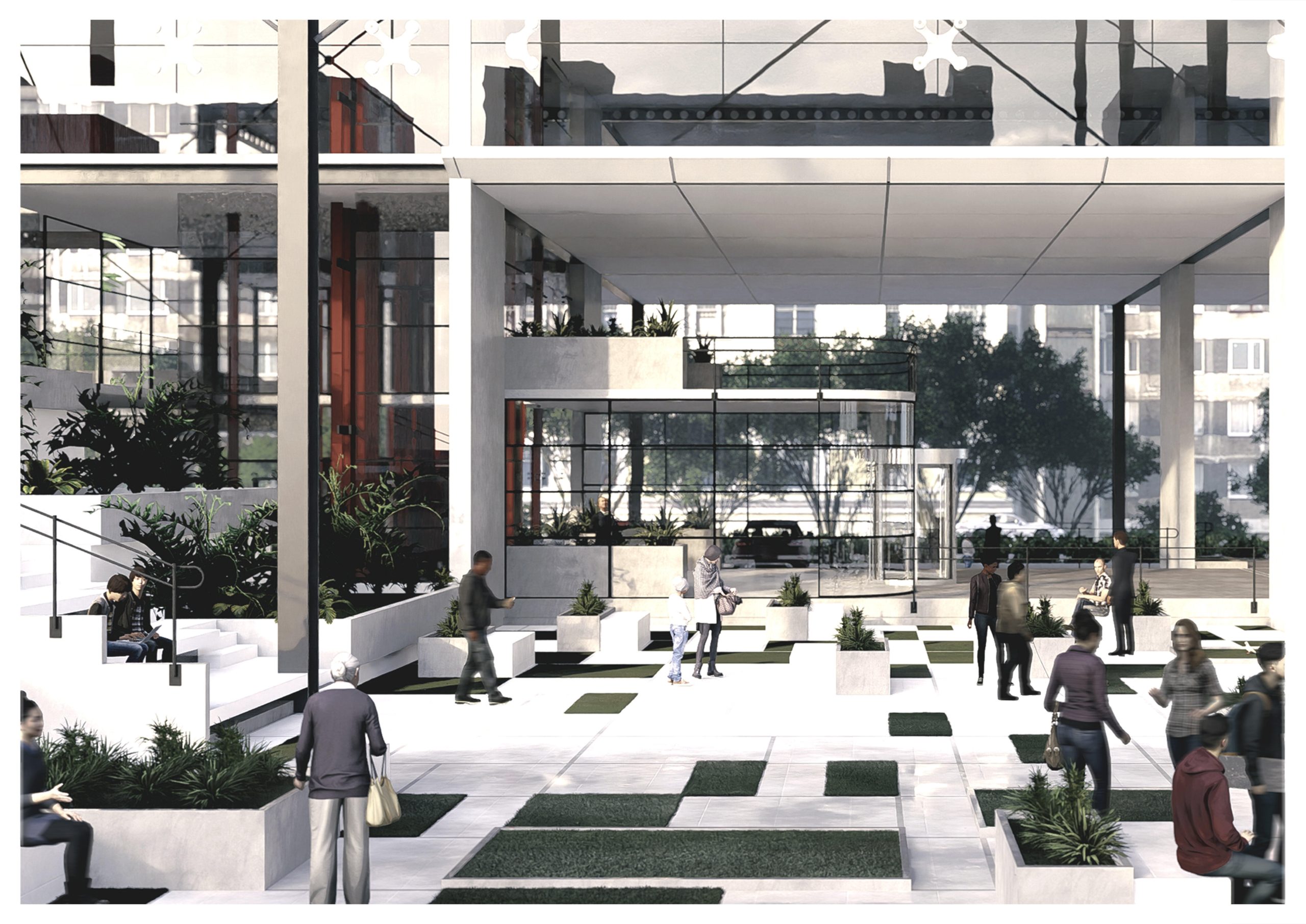
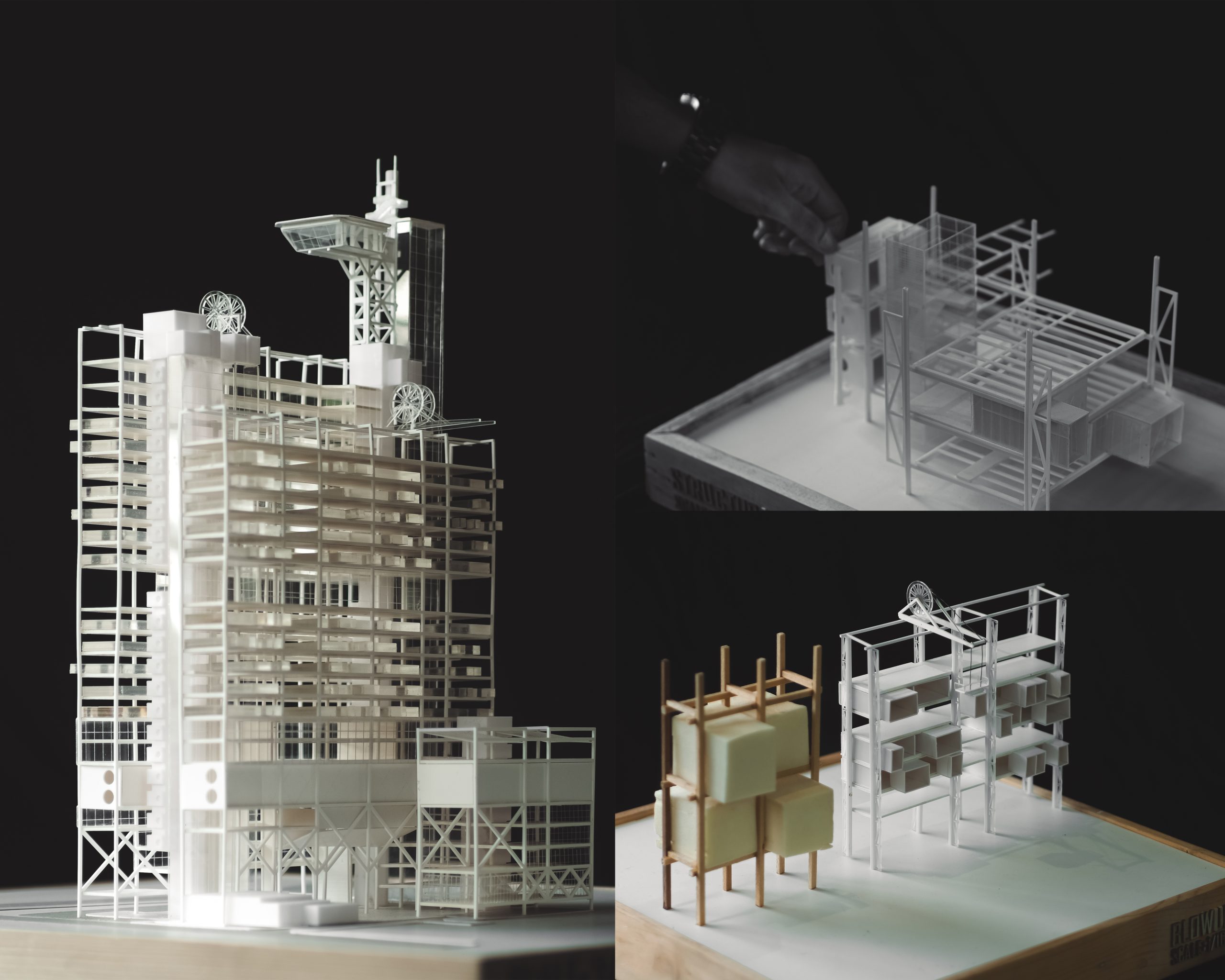
This student project explores the distinctive fusion of heritage and modern commerce by reviving Khatunganj wholesale market, a 150-year-old trading post. Central to this revitalization effort is a vision that integrates modern infrastructure with Khatunganj’s rich historical identity. The revitalization plan emphasizes the adaptive reuse of historical buildings—essentially updating them for contemporary business needs while maintaining their original architectural integrity. By blending modular warehouse designs with traditional architectural elements, the project seeks to create a harmonious environment that reflects the market’s heritage while catering to modern commerce.
Khatunganj is situated in urban areas across the Chaktai Canal and Karnaphuli River in Chittagong. Historically, the marketplace has been a focal point for trade and commerce, attracting diverse traders from around the world, including Arabs, Turks, Portuguese, Dutch, and French. Khatunganj contributed significantly to global GDP during the Mughal era and continues to play a major part in Bangladesh’s economy even after independence. Today, Khatunganj is troubled by a number of manmade and natural problems including severe traffic congestion, persistent waterlogging, and the deterioration of its historic buildings, which have all posed substantial threats to the market’s operational efficiency. These challenges necessitate a comprehensive revitalization project that can effectively tackle these problems while respecting and preserving the area’s cultural heritage.
The design proposal has a special focus on improving the functionality and accessibility of the marketplace. One of the primary proposals is to transform the narrow, congested streets into pedestrian-friendly zones. This change will not only enhance the experience for shoppers and visitors but also alleviate vehicular congestion, allowing for a more pleasant and efficient environment for trade. Additionally, establishing designated loading and unloading areas will greatly improve logistics, ensuring that goods can move in and out of Khatunganj more smoothly, further enhancing operational efficiency.
Another important facet of the plan includes restoring the canals. It aims to implement effective flood management strategies to address the frequent waterlogging that has become a major concern. By incorporating green technologies and practices, the project seeks to ensure that Khatunganj not only survives environmental challenges but thrives in the face of them. Furthermore, by revitalizing these waterways, the project aims to promote efficient transport and facilitate recreational boating, adding another layer of activity and enjoyment to the area. This not only enhances the aesthetic appeal of Khatunganj but also invites a new wave of tourism, which is vital for the local economy.
From an architectural perspective, old buildings are given new life through adaptive reuse. Visitors who want to experience a unique blend of history and modern business will find Khatunganj to be a thriving destination to live, work, and visit while also instilling a feeling of community pride.
In conclusion, the Khatunganj revitalization project represents a holistic approach to urban renewal, encompassing the preservation of historical and cultural significance while adapting to contemporary needs. It exemplifies a balanced approach to restoration that acknowledges the past while looking to the future, ensuring that Khatunganj remains a thriving marketplace at the heart of Bangladesh’s economic landscape.
From an engineering perspective, bridges are transport infrastructure intended to move traffic from one side to the other. In urban areas with limited breathing or recreational spaces, people tend to occupy or repurpose the river portion of the bridge for enjoyment. There is also a tendency to appreciate the riverside view and the area around it from the bridge, resulting in a chaotic situation on the bridge. This studio exercise reimagines the urban bridge as an active public space that creates a destination and network of connectivity within itself.
The concept of multipurpose use of urban bridges is not new. Historically, it was a common practice, particularly during the middle ages. It was called “inhabitable urbanized bridge”. Nowadays, as cities run out of space for new buildings, inhabitable bridges can offer rather an interesting idea. It can offer a new tool for cities, forming a destination in the in-between zones that standard functional bridges inhabit, areas that we mostly consider unlivable.
Keane Bridge is a historical steel bridge located over Surma River that is used as the Gateway of Sylhet. The Keane Bridge is reimagined to incorporate a lively pedestrian layer to facilitate unobstructed traffic flow and a connected network of the current riverside public areas. At street level, the design of the fishing deck staircase area and the riverfront is tailored for urban residents. At the bridge level, there is a triangular-shaped alcove gathering area included. From that bridge layer, four staircases will link to the upper-level community area, which will host libraries, a multipurpose hall, and tea snack shops. The structure is self-sustained where energy is generated by the mini turbine façade and the solar thermo-electric roof of the bridge.
Bangladesh faces a new beginning in 2024 following the mass uprising against structural injustice and poor governance, with a call towards rethinking our institutions and knowledge infrastructure. In response to this call, and recognising the challenges of rising inequalities, economic instability, environmental degradation and climate change faced by our cities, towns and villages, the implications for the future of our built environment is a question that needs reflection now. Titled ‘Next 50: Collective Futures’, this book brings together built environment researchers, architects, planners, environmentalists, activists, educators, and practitioners from all across the world working with alternatives to mainstream built environment policy and practice. The book is an anthology of 49 chapters from 81 authors to reflect on the future of the built environment around 9 key transdisciplinary themes such as heritage, urban and rural development, placemaking, informality, inclusivity, infrastructure, landscape, disaster resilience, emerging technology and well-being of future generations. The book provides alternative ideas supported by the latest research using easy- to-access language for a wider readership of policymakers, development practitioners and anyone interested in the future of the built environment of Bangladesh.
Publisher:
The University Press Limited
Editors:
Fuad H. Mallick
Fuad H. Mallick, PhD is an architect and educator, and the founder of the Architecture and Disaster Management departments at BRAC University. Professor Mallick is currently the Dean of School of Architecture and Design, BRAC University and a visiting professor at Harvard University. He has authored and edited multiple publications including a book on Bangladesh’s pioneer modern architect Muzharul Islam. His research interests include environmental performance of built environments, architectural education, design for low-income communities and communities at risk.
Tanzil Shafique
Tanzil Shafique, PhD is an Assistant Professor of Urban Design and Director of the Postgraduate Programmes at The University of Sheffield School of Architecture. Tanzil’s research looks at southern urbanism, pluriversal architectural practice and informal planning. He co-convenes the platform for Just Housing and Bangladesh Climate Alliance, working towards climate justice with local activists and citizens. His publications include a monograph titled: City of Desire: An Urban Biography of the Largest Slum in Bangladesh (Bloomsbury, 2024).
Saimum Kabir
Saimum Kabir, PhD is an Assistant Professor in the School of Architecture and Design, BRAC University. He has research experience on built environment design and planning in Australia, Vietnam and Bangladesh contexts. He co-edited the book titled: Aspirations and Ideas: Designing with Context, and is the founder editor of contextbd.com—a collaborative platform for architecture education and practice in Bangladesh.
An expression of the aspiring architectural visions of the future Bangladesh, this book aims to catalyse a conversation about how architecture distinctly based on contextual thinking can transform a society for the better.
The book is an edited volume of selected student projects from architecture schools across the country. The projects vary in scale and issues and are organized in ten thematic chapters ranging from identity and conservation to user’s special needs and housing. Each chapter starts with critical discussions on its theme by veterans who introduce the projects presented by young scholars in the field.
These student projects are not necessarily a solution to the problem; rather, each one is, as we like to call it, a young eye’s aspiration. Our aim is that these chapters will initiate a healthy debate among the stakeholders on the related themes. This debate will eventually help us to determine the correct path to reach our goals for the future.
This book is the first of its kind in Bangladesh and we hope that it will become a valuable resource for students, teachers, and professionals in built-environment design and related fields.
Publisher:
The University Press Limited
Editors:
Mohammed ZakiulIslam, PhD
Professor Zaki teaches at Bangladesh University of Engineering & Technology. Upon his graduation from BUET, he worked under the architect (the late) Muzharul Islam till he started his graduate studies at the University of Texas at Austin, USA. During his stay at UT Austin, Zaki received multiple funds, travel grants, and scholarships, including the prestigious Mebane scholarship.
Zaki completed his PhD from North-Carolina State University and was involved in a number of research projects including at the National Institute of Environmental Health Science (NIEHS). He received first place at the Annual NC State University Graduate Research Symposium and the Landscape Architecture Research Award in 2008.
He has presented at numerous international conferences and published widely in international journals. His articles appeared in high-impact factor journals, such as Environment and Behavior, Medicine & Science in Sports & Exercise, and Children, Youth and Environment. He is the Principal Investigator of the IPEN (International Physical Activity and Environment Network) Adolescent study in Bangladesh, funded by the National Institute of Health, USA.
As a practicing architect, he has received the Berger Best Young Architect Award 2005 and a commendation in the Berger Award for Excellence in Architecture 2017.
He has also been the Secretary-Education & Research for the 18th and 20th Executive Council of the Institute of Architects Bangladesh and served as a juror member in several National level design awards.
Saimum Kabir, PhD
Saimum Kabir, PhD is an Assistant Professor in the School of Architecture and Design, BRAC University. He has research experience on built environment design and planning in Australia, Vietnam and Bangladesh contexts. He co-edited the book titled: Aspirations and Ideas: Designing with Context, and is the founder editor of contextbd.com—a collaborative platform for architecture education and practice in Bangladesh.
The 1971 Liberation War of Bangladesh showcased the power of unity, resilience, and the indomitable spirit of the Bangladeshi people. The contributions of the Mukti Bahini, the intellectual community, and the bravery of women and civilians were instrumental in achieving victory and securing the country’s independence. There are many records on the 1971 Liberation War, but how many of us, particularly the post-war generation, do know about the war tactics and combat strength of the Mukti Bahini? We were curious! Hence we visited three museums in the country: The Military Museum, the Liberation War Museum, and the Bangladesh National Museum. Collectively, these three museums possess an extensive collection of war-related relics, including weapons, ammunition, and war vehicles. We made a humble attempt to recreate a visual account, particularly for Gen Z and Alpha, who are digitally native, highly perceptive and have grown up playing endless video games.
The Mukti Bahini, though resilient, faced a stark disadvantage against the highly trained Pakistani troops, who were equipped with the most modern arms and ammunition available to any army. Possessing just two gunboats, two planes and one helicopter without any tanks, the Mukti Bahini relied mostly on small firearms, light machine guns, mortars, and artillery and often homemade weapons and improvised explosive devices (IEDs).
Then, what led to their victory? In fact, Guerrilla warfare tactics played a crucial role. The Mukti Bahini employed guerrilla tactics to gain control over large parts of the Bengali countryside. They carried out numerous ambushes, sabotage operations, and hit-and-run attacks against the Pakistani military which was instrumental in disrupting the enemy’s supply lines and communication networks, restricting their mobility. In nine months of war, the Mukti Bahini’s attacks systematically destroyed the Pakistani Army’s morale and weakened their hold on East Pakistan.
Operation Kilo Flight and Operation Jackpot, involving the Air Force and Navy, are two significant military guerrilla operations conducted by the Mukti Bahini. Operation Kilo Flight involved air strikes on Pakistani military targets, specifically targeting oil depots in Narayanganj and Chittagong. The operation was carried out using improvised aircraft and helicopters, which were modified to carry rockets and bombs. The first air raid took place on December 3, 1971, and was aimed at crippling the Pakistani army’s fuel supply. Operation Jackpot involved Bangladeshi naval commandos launching simultaneous attacks on several key ports in Chittagong, Mongla, Chandpur, and Narayanganj. The operation took place on the night of August 15, 1971, and aimed to disrupt the Pakistani military’s supply lines and communication networks. The commandos managed to sink several Pakistani gunboats and destroy several ships carrying arms and ammunition. These guerrilla operations significantly impacted the Pakistani military’s capabilities and contributed to the eventual victory of the Bangladesh Liberation War.
Women also provided crucial support to the Mukti Bahini and the civilian population, often risking their lives to aid the cause of independence. They served as nurses, couriers, spies, and even combatants. Women’s participation in the war effort was a testament to their courage and resilience.
The 9mm Parabellum (also known as 9mm Luger or 9mm NATO) was widely used during the Bangladesh Liberation War of 1971. This cartridge was originally designed by Austrian firearm designer Georg Luger in 1901 and became popular due to its low cost, adequate stopping power, and extensive availability.
7.65 mm Pistol
The 7.65 mm pistol used during the Bangladesh Liberation War of 1971 was likely the Beretta Model 100. This semi-automatic pistol, also known as the .32 ACP (Automatic Colt Pistol), was popular for its reliability and compact size.
Chief’s Special S and W
The Smith & Wesson Model 36 Chief’s Special, used in 1971, is a compact, double-action revolver chambered for the .38 Special cartridge. It was popular for its reliability and ease of concealment.
9mm Pistol Mauser
The Mauser C96 used in 1971 is a semi-automatic pistol chambered for the 9mm Mauser Export cartridge. It features a distinctive box magazine in front of the trigger and a wooden shoulder stock that doubles as a holster, earning it the nickname “broom-handle.”
Service Revolver
The .38 Service Revolver was used in 1971 for its dependability and ease of use.
W and S Mk.1 Signal Pistol
The Webley & Scott No.1 Mk.1 Signal Pistol used in 1971 is a flare gun designed for military signaling, featuring a 10-inch barrel and the ability to use shoulder stocks for stability. It was primarily used to send visual signals to aircraft and artillery units.
The Heckler & Koch G3 rifle developed in the 1950s, is a select-fire battle rifle chambered in 7.62×51mm NATO. It was widely used by various countries, including during the 1971 Bangladesh Liberation War.
SKS Rifle
The SKS rifle, designed by Sergei Gavrilovich Simonov in the 1940s, is a Soviet semi-automatic carbine chambered for the 7.62×39mm round. By 1971, it had been widely exported and used by various countries.
Type 56 Assault Rifle
The Type 56 assault rifle, a Chinese variant of the Soviet AK-47, was first produced in 1956. By 1971, it had been widely exported and used by various countries.
Sterling Sub-Machine Gun
The Sterling submachine gun was indeed used in 1971, notably during the Bangladesh Liberation War. It was valued for its reliability and effectiveness in close-quarters combat, making it a popular choice among various military forces at the time.
Lee-Enfield Rifle
The Lee-Enfield rifle, specifically the No. 4 Mk I (T) variant, was still in use by some military forces in 1971. It had been converted to fire the 7.62×51mm NATO round and was utilized in various conflicts, including the Dhofar Rebellion in Oman and The Troubles in Northern Ireland.
MAS 49 Rifle
The MAS 49 rifle, a French semi-automatic rifle, was in service during 1971. It was widely used by the French military and saw action in various conflicts, including the First Indochina War, the Algerian War, and the Vietnam War.
Ordnance ML 3-inch Mortar
By 1971, the Ordnance ML 3-inch mortar had been replaced by the L16 81mm mortar in the British Army. However, it was still in use by some other military forces and saw action in various conflicts, including the Indo-Pakistani War of 1947–1948 and the Nigerian Civil War.
M18 Recoilless Rifle
The M18 recoilless rifle, a 57 mm shoulder-fired anti-tank weapon, was used by various military forces in 1971. It saw action in conflicts such as the Bangladesh Liberation War and the Vietnam War, where it was valued for its portability and effectiveness against both armored targets and personnel.
The QF 3.7-inch mountain howitzer was indeed used in 1971, notably during the Bangladesh Liberation War. This British-designed mountain gun had been in service since World War I and continued to be used by various military forces, including the British Indian Army and later the Indian Army, for its portability and effectiveness in mountainous terrain.
Mills Bomb
The Mills bomb, a series of British hand grenades designed by William Mills, was still in use by various military forces in 1971. Known for its reliability and effectiveness, it saw action in numerous conflicts throughout the 20th century.
NDP-2 Mine
The NDP-2, an anti-personnel mine, was used in various conflicts during the 20th century, including in 1971. These mines were designed to incapacitate or kill personnel by detonating upon pressure or proximity, and they posed significant dangers to both military forces and civilians.
N-3 Mine
The N-3 mine, also known as the A.P. Mine No. 3, was a British anti-personnel mine developed during World War II. By 1971, it had been largely phased out of active military use, but it remained a notable example of mid-20th-century anti-personnel mine technology.
M9 Rifle Grenade
The M9 rifle grenade, an American anti-tank grenade, was widely used during World War II and remained in service with various military forces into the 1970s. It was designed to be fired from a rifle using a special launcher attachment and could penetrate armor up to 2 inches thick.
This aircraft was part of Operation Kilo Flight, a Mukti Bahini combat aviation formation. The DHC-3 Otter was modified to carry rocket pods and machine guns for launching hit-and-run attacks on Pakistani targets.
Alouette III Helicopter
The Alouette III helicopter played a crucial role in the Bangladesh Liberation War of 1971. The chopper was modified for combat missions including the Operation Kilo Flight and successfully destroyed Pakistani targets, including oil depots at Narayanganj and Chittagong.
DC-3 Dakota
The DC-3 Dakota was used for transporting personnel and supplies, and it was instrumental in the para-drop operations in Tangail on December 11, 1971. This aircraft also took part in the Operation Kilo Flight and carried out logistical missions.
This vehicle was used by General M.A.G. Osmani, the Commander-in-Chief of the 1971 Liberation War for his daily administrative and official activities. He used to visit various operations, war preparation, training activities of the freedom fighters positioned at different parts of the country with this 4-wheel drive Jeep Wagoneer.
Jeep Ambulance
The Jeep CJ-4 was mainly used to carry wounded soldiers from the battle-field for treatment. The jeep was repossessed by the Bangladesh forces from the defeated Pakistan Army.
Tractor MF-240 4×4 modified RR carrier
This is a modified UK made ‘Massey Ferguson MF-240 Tractor’ with an anti-tank weapon RR (Recoilless Rifle) installed. During the Liberation War of Bangladesh in 1971, the Freedom Fighters repossessed this vehicle from the Pakistan Army. This vehicle is being used for quick transport of ammunition and RR crews.
The Gunboat Padma was used by the Mukti Bahini during the Bangladesh Liberation War of 1971. As part of Operation X, Operation Hotpants, Padma conducted raids against Pakistani forces, disrupting their logistics and demoralizing their troops. These operations significantly contributed to the success of the Mukti Bahini in the war.
Gunboat Palash
The Gunboat Palash was actively utilized by the Mukti Bahini during 1971. The boat carried out many strategic raids on Pakistan forces, including Operation X, Operation Hotpants, effectively disrupting their supply lines and lowering their morale. These critical operations played a pivotal role in the eventual victory of the Mukti Bahini.
Small Boat
During the Bangladesh Liberation War of 1971, the Mukti Bahini used various small boats for their operations. These boats were crucial for transporting guerrilla fighters, supplies, and conducting surprise attacks on Pakistani forces. The use of small boats allowed the Mukti Bahini to navigate the numerous rivers and waterways of East Pakistan effectively.
Illustration Team: Diptenu Saha, Sheikh Aniruddho Kabbo and Tahsin Tarannum
Idea and Narrative: Saimum Kabir
Information sources: The Military Museum, the Liberation War Museum, and the Bangladesh National Museum archives.
This student proposal for the Cultural Institute in Rangamati, Bangladesh, is designed to preserve and promote the rich heritage of the 12 distinct ethnic groups inhabiting the Chittagong Hill Tracts (CHT). The project aims to celebrate cultural diversity and foster cultural exchange, education, and socio-economic development while maintaining harmony with the region’s breathtaking natural landscape through an innovative and transformative approach.
To safeguard and revitalize ancestral knowledge and traditions, the proposed institute seeks to offer various educational programs, dynamic exhibits, and hands-on interactive workshops. Hence, the proposed layout includes dedicated spaces for workshops, galleries, and cultural exhibits, each carefully curated to showcase the diverse traditions, languages, and art forms of the different ethnic groups. Courtyards and terraces are designed to host the unique cultural activities of each group as well as intercultural dialogue, serving as vibrant communal areas for cultural expression and gathering while bridging gaps between the diverse ethnic communities in the region. Further, the architectural details integrate traditional craftsmanship, paying homage to the ancestral wisdom and artistic practices of indigenous communities.
The institute is designed as a model for sustainable architecture and tourism, promoting eco-friendly practices that uphold local values and create economic opportunities. The architectural design prioritizes the use of eco-friendly materials and traditional building practices, ensuring that the construction and operation of the institute align with environmentally respectful principles. Incorporating courtyards and pathways echoes traditional settlement patterns and provides functional outdoor spaces, while strategies to address environmental challenges—such as flooding and landslides—are integral to the overall design. For the visitors A carefully planned network of trails connects various spaces, guiding visitors through the institute and culminating at a picturesque lakeshore. This natural setting enhances the visitor experience, allowing for quiet reflection and a deeper connection to the environment and the cultural narratives represented throughout the institute.
Ultimately, the proposed Cultural Institute aspires to become a beacon of cultural pride and resilience, shining a light on the unique heritage of the Chittagong Hill Tracts on a global stage. By empowering local communities through sustainable development initiatives, it seeks to create a model that harmonizes tradition, modernity, and environmental stewardship, fostering a brighter future for both the local population and visitors alike.
Dr. Yasmeen Lari, Pakistan’s first female architect and a pioneer of the philosophy of ‘Barefoot Social Architecture’, visited Dhaka between December 21 to 25, 2024. Celebrated for her colossal contributions to sustainable architecture and her transformative works in disaster relief and community development, Lari was invited to Bangladesh by the Department of Architecture, Brac University. She conducted the ‘OctaGreen: Zero-Carbon Bamboo Building’ workshop where she engaged with the students, demonstrating her proficiency in eco-friendly construction techniques.
During her visit, Lari spoke with the ContextBD team about her architectural journey, reflecting on her transition from the prevailing architectural doctrine to becoming a humanitarian architect. Since 2000, she has focused on humanitarian relief work and historical conservation endeavors associated with the Heritage Foundation of Pakistan. In her conversation, she accentuated the significance of “decarbonizing, decolonizing and democratizing architecture” promoting practices that serve marginalized communities and are critical to pressing global challenges such as poverty and climate change.
Lari’s phenomenal works have been recognized with several prestigious awards and accolades – the Fukuoka Prize in 2016, the Jane Drew Prize in 2020 and the prestigious Royal Institute of British Architects’ (RIBA) Royal Gold Medal in 2023, making her the first Pakistani to receive this honor for her design excellence.
ContextBD: Assalamualaikum, Madam. We are the team from ContextBD. How are you?
YL: I’m doing well. Thanks.
ContextBD:Our question concerns your practice, research and personal upbringing. You visited Bangladesh in 1969. How are you feeling about visiting here after almost 55 years?
YL: It’s wonderful. There is just so much warmth and goodwill, and it is just amazing how I’m being looked after. So I love it. I love being here, and I love the fact that, so many young people are working with the bamboo structure. There is so much enthusiasm and students are doing such a good job. And, yes, it has been just wonderful to be here.
ContextBD: That is great. You have spent your teenage years in the UK and studied architecture at Oxford Brookes University. What motivated you to study architecture?
YL: That is a very long story. My father had been in the Indian civil service. In 1947, at the time of partition of the Indian subcontinent, he was stationed in Lahore. He was in charge of developing large projects in the new country Pakistan for first two to three years. And I was very young. He had a lot of opportunities to lead an organization which was involved in the city planning of Lahore. Then he also became the chairman of the Thal Development Authority, which was a new wing with very few employees. He had assignments of planning five or six cities at a time. He would return home from the office and talk about how the new country needed a new vision. It needed people who would do something fantastic for the country, such as architects and urban planners. Somehow, that stuck with me.
I was only 16 years old when I went to the School of Architecture and said I wanted to get admission. They replied, ‘Well, young lady, you have to go back and complete your A-levels and O-levels.’ I did not have A-levels and O-levels, rather I had a metric degree and was in my first year of college. But I was not good enough, so then I first studied art at the Earning School of Art and completed my A-levels and O-levels with a sufficient number. Afterwards, I went back again and finally got my admission.
ContextBD: That is so inspiring. What has been your journey from being a mainstream architect to becoming a humanitarian architect and activist? What challenges have you faced during this time?
YL: When you come to think of that period, a lot of women, we all came from rather privileged backgrounds. We received a lot of support from our families, however, there were always issues. In countries like ours, young people are not taken very seriously in the beginning. And that was one of the big challenges you have to face. I am sure everybody faces that. I don’t think I had any particular problem with being a woman, except the contractors who wanted to check by daring me to climb up a very rickety ladder to see whether I would take the bait or not.
In the end, the only thing becomes very difficult if you are fighting for a cause. And if you are a woman, you become more vulnerable. But if you like the job you are doing and keep having faith, you’ve got to do it regardless of what it is. So there were challenges, of course, but, you know, it’s okay. Fight it out.
Contextbd: A follow-up question with this. As the first female architect of your country, you have a unique perspective of the challenges you have faced. What key lessons have you gained, and what kind of advice would you give to the new generations of female architects?
YL: Well, you know, in my time, it seemed a bit easier because there were fewer of us. Now there are more of you, so you have more issues. The young people have more problems. And society is still not ready in many countries. In Bangladesh, I find women are greatly emancipated. You are much stronger. In many countries such as Pakistan, we face a lot of difficulties if we want to step further in a profession. Sadly society is not supportive enough.
I always say, especially when I speak in my own country that our fathers, brothers and husbands have to be more supportive of women to be able to do their best. They have great potential, but it is very difficult if they do not get the support from their family members. I only and always desire that everybody in a family should support a woman who wants to work so that she can contribute effectively and understand her own capabilities. We should figure out a system in which women don’t feel that they have to really fight it out, but rather be able to do it right.
The Lari Octa Green shelter is designed to have a zero carbon footprint . Built by the students of Architecture, Brac University | Photo credit: Professor Zainab Faruqui Ali
ContextBD: You have done extensive research on Pakistan’s architecture, especially on its history and heritage. You wrote The Dual City: Karachi During the Raj (1997) which offers a comprehensive examination of Karachi’s urban changes over 200 years. What inspired you to focus on heritage and later on the concept of duality you have worked on? Please share some insights.
YL: Sure. I’m very pleased to know that you’ve gone through the book that you know. It is very impressive I must say. My research was more about trying to learn about my own self. All my work with heritage and documentation I have done intending to find my own roots actually. I was brought up in a very isolated and secluded environment and then going to England did not help much. I returned with ideas of colonial rule in terms of the cultural superiority of the West. It took some time for me to get rid of that. That’s why I needed to understand more about my own culture and traditions especially heritage which leads us to witness the richness of our country. And, once you understand that, you understand the important part of being who you are – the ethos like who am I? Where do I come from? This understanding has finally made me who I am today.
And that is all to do with your own roots. Also in my work, I feel that I need to keep on learning so that I am able to do the right thing. Your work should always have some boundaries of values, ethics and moralities. So, if you want to operate in your surroundings, you need to know about the culture, traditions and people. For me, it was all a learning experience whether I wrote or studied or documented or to know who I was.
ContextBD: The cultural influences are evident in your work. The final question is for the architecture students and architects. What recommendation would you offer for improving architectural education and how it can engage and inspire future architects? And what would be your advice for the new generation of practicing architects?
YL: It is a very good question. Because the meaning of architecture has changed over the period. What we learned and even today at many institutions what is being taught is that you have to aim to become a real architect or starchitect. It was fine for earlier times, but it is no longer relevant because the problems are much bigger now. There is so much happening around the world and climate change did not affect anybody before. The kind of strife that is going on.
We are facing this huge problem. There is dislocation everywhere in the world and slums are increasing. Then I find that architects are not working in those areas. Because we have never been prepared to take up those kinds of challenges.
The whole system of education must change now. I really appreciate the Winter School event which is happening at BRAC University. The Department of Architecture is phenomenal because architecture is being taught from every aspect. And this is important for students.
I was never running for a medal at all. The fact that RIBA did, this was a great step because what I am doing is not the kind of architecture people feel should be architecture. It is very important to let the world know that an architect has diverse and different fields to practice now. You do not have to go in one direction. Architecture is multidirectional and there are challenges that I think only architects can resolve. Because we have the training to be able to relate to the context and site.
You can involve communities when you work. You can be a leader and design is your most important tool. No other profession has what you have. You are more conscious of the environment. You are more conscious of other challenges. So, your design will be far more valuable for people who do not have anything particularly. Now we need to focus on those who do not have it, not on those who have wealth. It does not matter. They will get it anyway. So why should we bother about them? Forget about them.
ContextBD: That is a wonderful concept, madam. Thank you so much for your time.
Dr. Lari’s involvement with students, academics and professionals during the visit underscores her unwavering dedication and commitment to education and knowledge sharing. Through advocating her philosophy of ‘Barefoot Social Architecture’ and eco-friendly construction techniques, she aims to inspire a new generation of architects to embrace sustainable and socially responsible design practices. During her visit, she also delivered lectures and participated in discussions advocating the critical roles of a new age architect towards mitigating environmental degradation and enhancing community resilience. With initiatives like the ‘OctaGreen: Zero-Carbon Bamboo Building’ workshop, Lari continues to impact and influence the global architectural realm, fostering a paradigm shift towards eco-friendly and inclusive design solutions, sensitized to people, and the planet.
We are thankful to Professor Zainab Faruqui Ali, Chairperson, Department of Architecture, BRAC University for her cooperation and guidance with the interview.
Team:
Mohona Reza, PhD is an architect and an architectural historian currently working as an assistant professor at BRAC University.
This studio project explores the historical significance of Bangladesh’s abandoned airfields, particularly those built for military use during the British period. These airfields stand as silent witnesses to World War II, awaiting recognition and revitalization.
The Feni Airfield, a former American Army Air Forces facility, was a key strategic outpost during the Burma Campaign of 1944–1945. From Feni, the Tenth Air Force’s 12th Bombardment Group conducted important operations in support of the British Fourteenth Army, which was crucial in rebuffing Japanese offensives. This airfield has been abandoned for 75 years, with its significance fading due to a lack of preservation and encroachment. Wartime remnants are being destroyed, and unplanned development is hindering the city’s growth. In 2006, Feni Girls’ Cadet College was built on 48 acres of the runway, completely obstructing the site, leaving no possibility for the airfield to reopen.
The project’s goals include educating visitors about this history, creating an inviting green space, attracting tourists, and promoting economic growth and community development. By employing adaptive reuse strategies, the proposal illustrates how abandoned spaces can be creatively transformed through architecture. A portion of the runway was selected to build a museum facility to honor the legacy of World War II and the contributions of the people from the Indian Subcontinent.
The proposed programs for the museum include various exhibition spaces, such as:
Tales of the Lost Runway: Educating visitors about the history of the runway used during World War II.
Below the Surface: Gallery of Bunker Escape: Informing the public about underground bunkers built by soldiers to hide weapons.
Gallery of Power: Impact of Dictatorial Acts: Highlighting Hitler’s dictatorial actions during the war.
Gallery of Sacrifice: Sharing the stories of the Bengali people’s struggles and sacrifices during World War II for future generations.
Additional functions of the museum will include a library, cafeteria, souvenir shop, auditorium, administration area, and archives.
The design inspiration came from this abandoned runway. The runway has been eroded over time as a result of neglect, and the internal structure became exposed. The proposed building’s bold, linear design mimics the runway’s shape and captures the tenacity and fortitude of World War II. The exposed framework at the end of the construction symbolizes the runway’s deterioration, illustrating the loss and deterioration over time.
The creation of such a museum will serve as a powerful platform for fostering a deeper understanding of the diverse and multicultural contributions to World War II. By preserving artifacts, stories, and historical records, the proposed facility will not only offer insights into the war’s geopolitical, social, and cultural impacts but also highlight a shared history that binds us together. The museum will promote unity, respect, and reflection among current and future generations, ensuring the lessons of the past shape a more informed future.
Stepping into the office of Samina Tannery, one immediately senses a shift in perspective. The interior design weaves together the company’s core values and achievements, offering a visual representation of their journey. A captivating feature is the glass and perforated metal pavilion hosting the GM’s and chief technicians rooms, proudly showcases the company’s accomplishments, transcribed on the glass panels. Positioned strategically beside the reception area, this pavilion not only serves as a striking element but also fosters a sense of transparency, allowing onlookers to witness the company’s growth throughout the years.
The design embraces transparency by creating a visual connection between the office and the factory, fostering a harmonious relationship between employees and the production process. Glass panels strategically positioned throughout the office offer glimpses of the factory, ensuring that employees are not disconnected from the tangible results of their work. This transparency cultivates a sense of pride, as individuals witness the direct impact of their contributions.
In addition, Innovative storage solution with efficient organization and creative use of the open space with open ceiling preserves the visual integrity of the interior. These strategic design choices not only enhance functionality but also contribute to an uncluttered and harmonious environment, fostering productivity and focus.
A dedicated breakout space aiming to inspire positive changes for a better future acts as a gathering spot for employees and symbolizes the epitaph of past fallacies by framing the keywords from the Human Rights Watch report on the central wall. Through visually captivating graphics and thought-provoking content, employees are continually reminded of the company’s commitment to social responsibility, sustainable practices, and environmental consciousness.
The conference room presents a distinctive fusion of business and art, showcasing carefully curated leather products, transformed into art installations. This unconventional approach elevates the ambiance of the room and underscores the creative potential of the tannery’s offerings. The room becomes a testament to the company’s commitment to innovation, bridging the gap between functionality and aesthetics.
Another remarkable aspect is the creative use of company products as decorative elements. Leather products, typically associated with the tannery’s core business are transformed into unique art pieces, adorns spaces by demonstrating the versatility of leather along with the company’s heritage.
The circulation spaces provide a notable experience for visitors and employees by displaying inspirational keywords, placed harmoniously on the fair faced bricks and the painted walls, offering an opportunity to engage with the company’s values and aspirations.
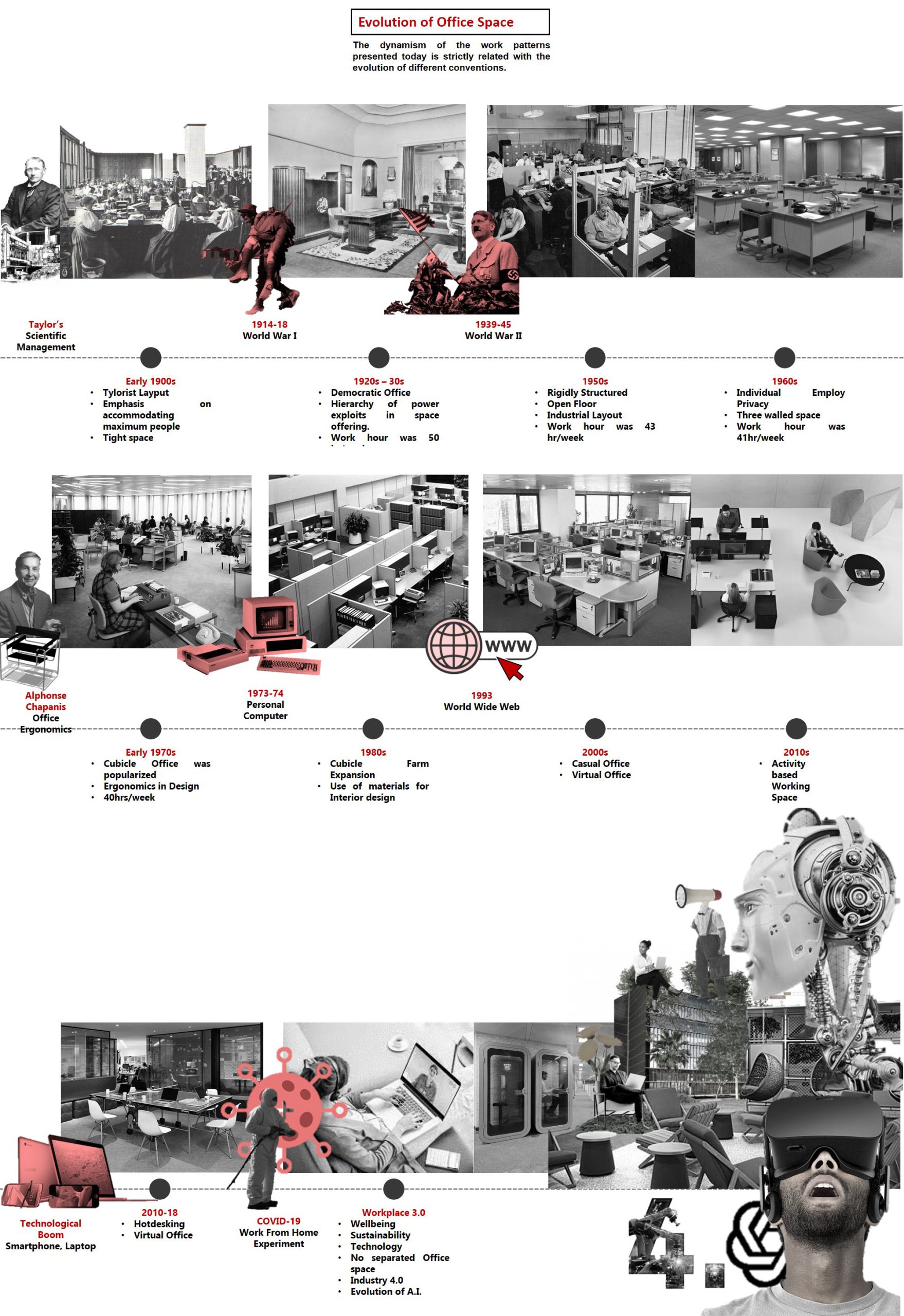
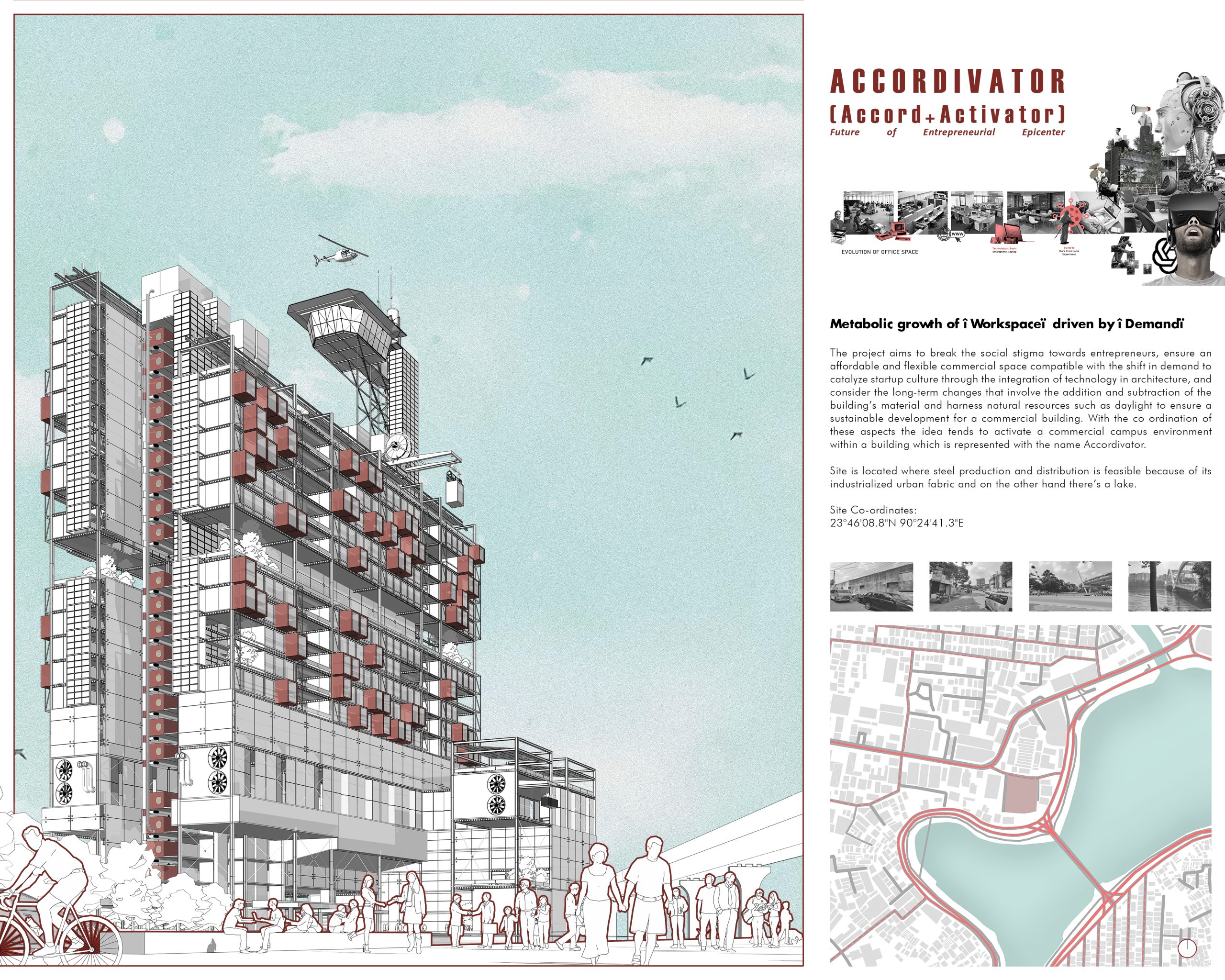
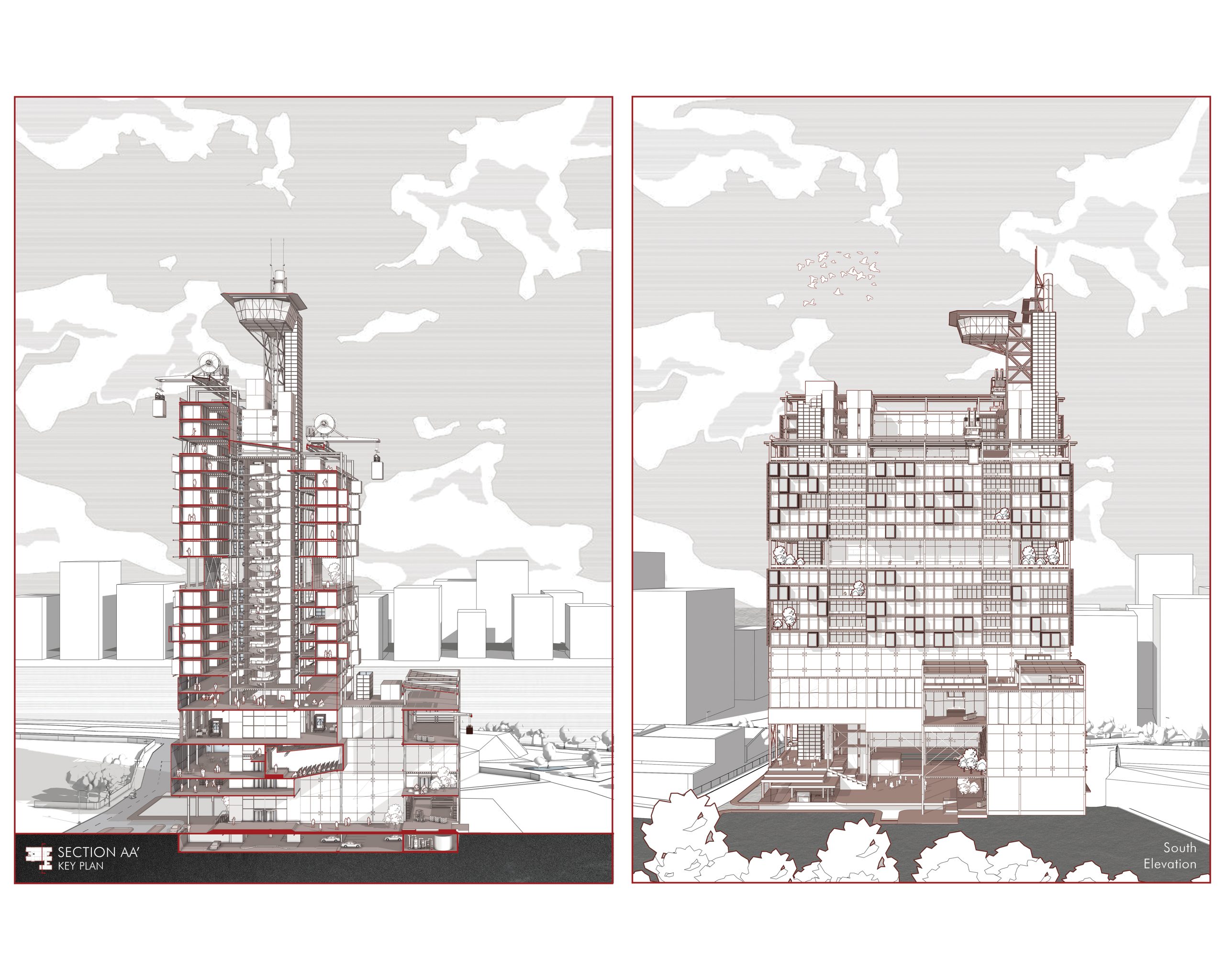
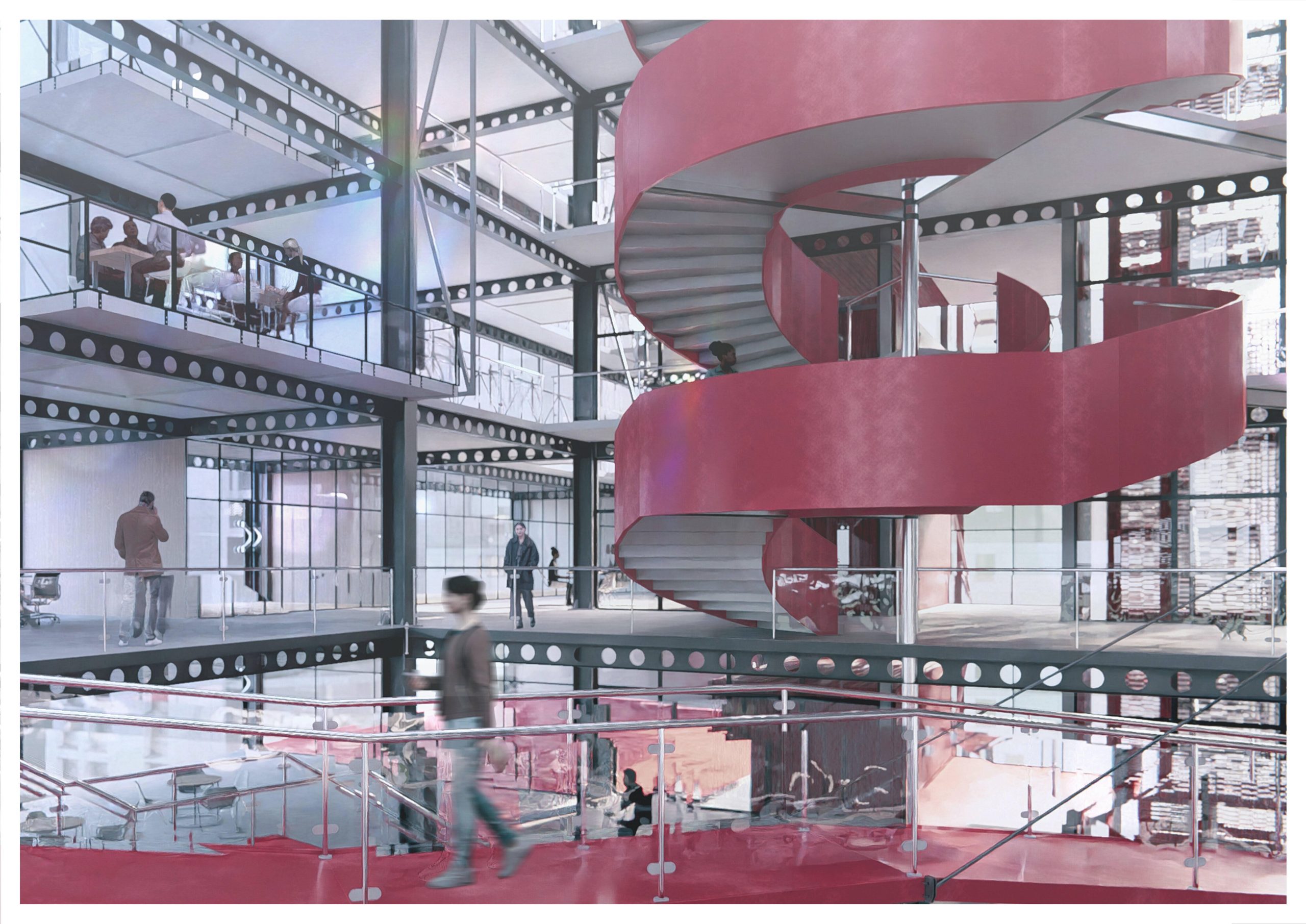
The project aims to break the social stigma towards entrepreneurs, ensure an affordable and flexible commercial space compatible with the shift in demand to catalyze startup culture through the integration of technology in architecture, and consider the long-term changes that involve the addition and subtraction of the building’s material and harness natural resources such as daylight to ensure sustainable development for a commercial building. With the coordination of these aspects, the idea tends to activate a commercial campus environment within a building which is represented with the name Accordivator.
The project was started as an architectural response to the rise and growth of entrepreneurial mindset in Bangladesh among the youth as well as people of different ages. In Bangladesh, it is typical to believe that jobs are safer than businesses, and that job holders are more praised, which leads to people feeling demotivated socially to establish a new business. This project tends to be a myth buster of this social stigma which can convey the message of social acceptance of entrepreneurial culture and make the entrepreneurs feel like a part of the society. An architecture dedicated to solving modern-day business problems, well-oriented and customizable space, futuristic approach to sustainability, and integration of circular economy can not only accelerate the growth of professionals but also investors around the world will feel more interested to count on our country that can push our economic growth one step ahead.
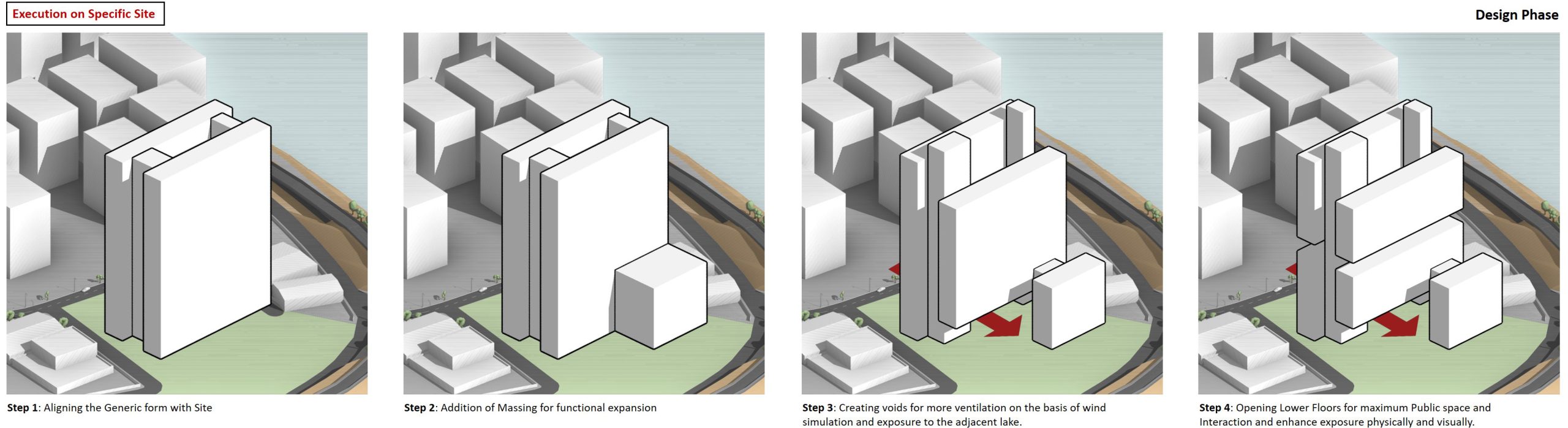
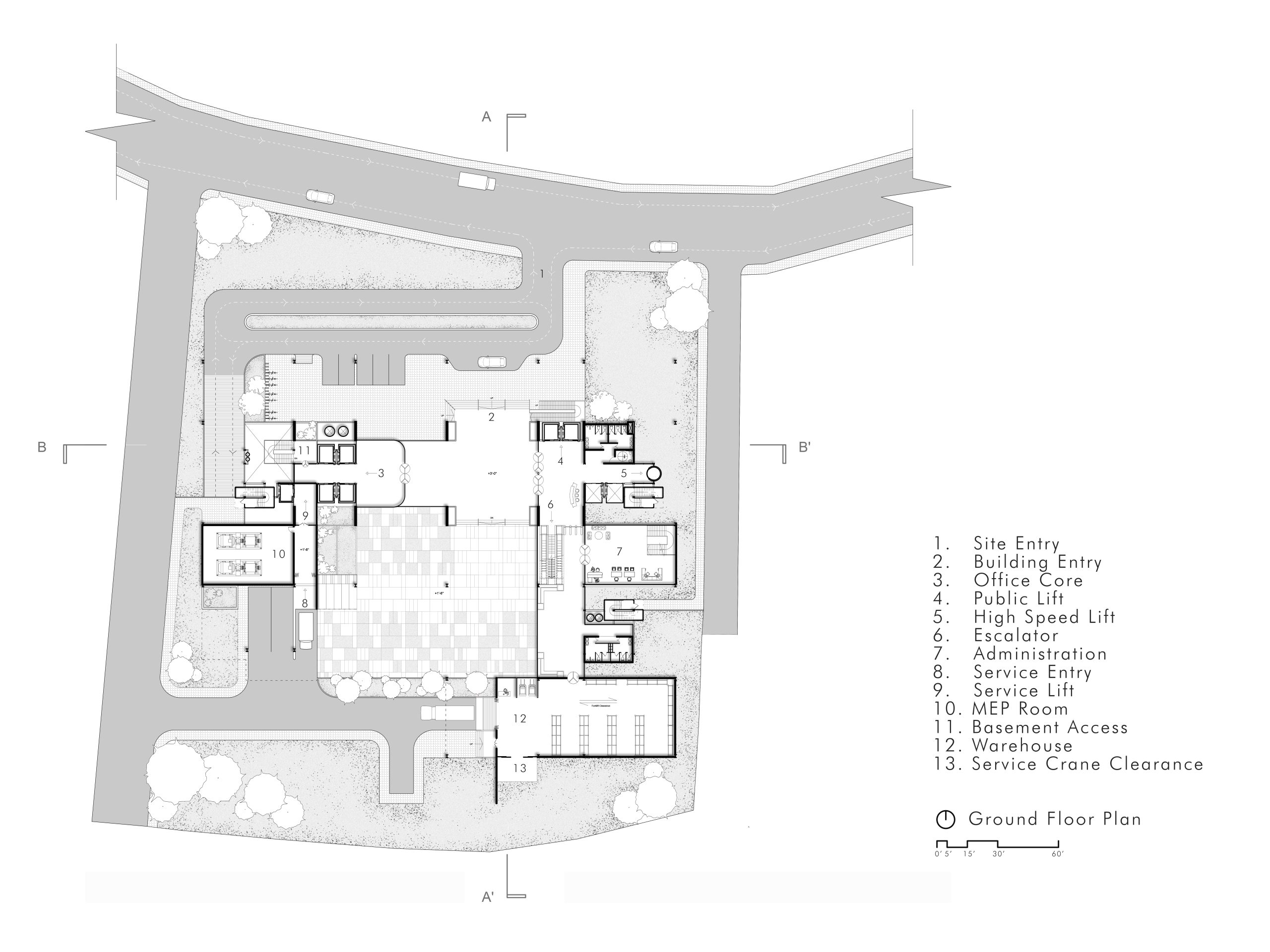
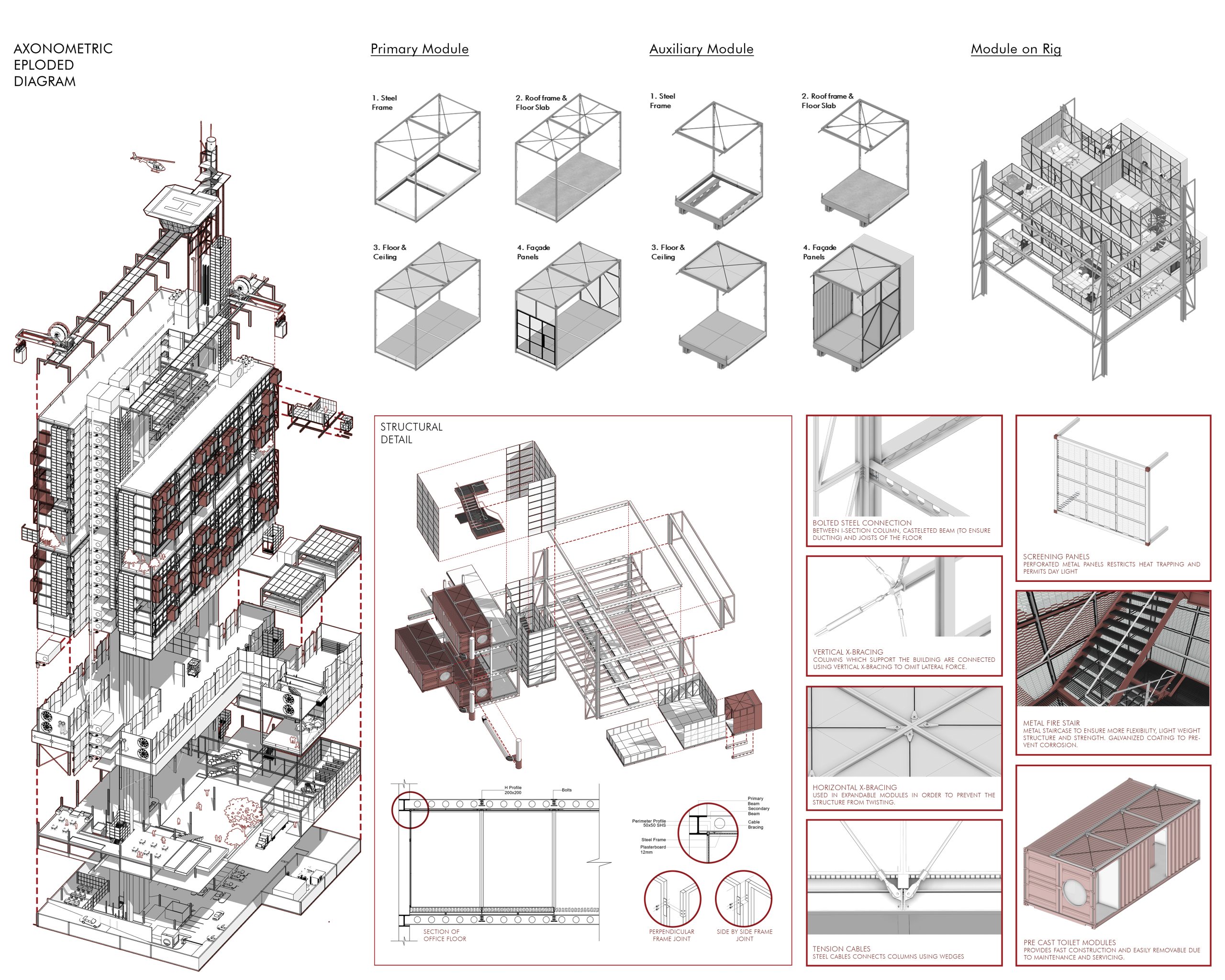
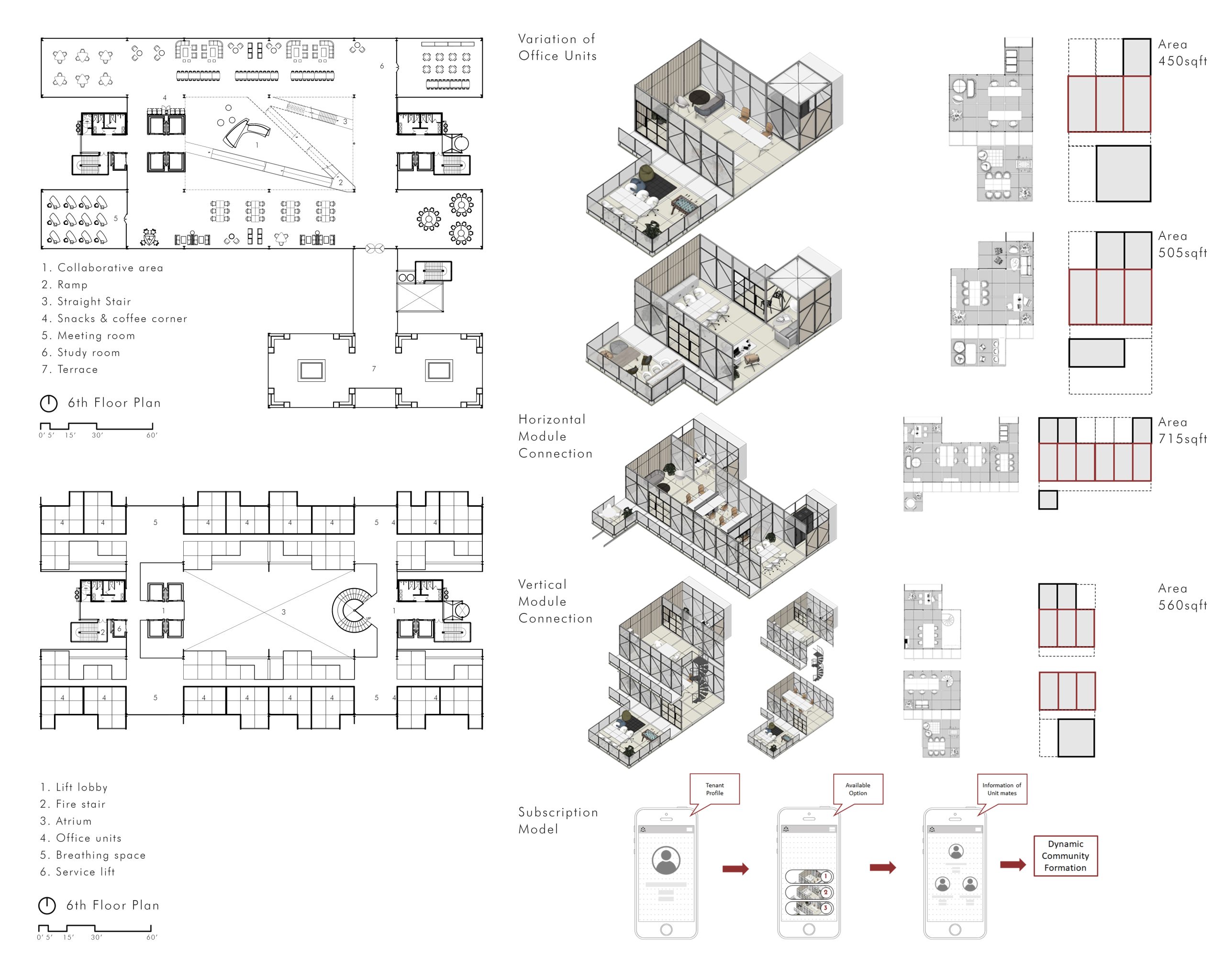
The idea was generated by the different needs of space demand collected from the survey and analyzing them an optimized size was decided and tried to provide some controlled customization and adaptability of spaces through modular architecture. This can give an individual touch to each office and the component-based customization can reduce the huge wastage of materials. The prototype was developed to be used in an open rig structure where the building can metabolically grow or reduce according to the demand and after a certain period of time when there will be more of this type of building they can share the materials among them and this can associate the economy not only with space but also with materials used in buildings. To serve this purpose a warehouse is integrated with the design that can store materials as well.