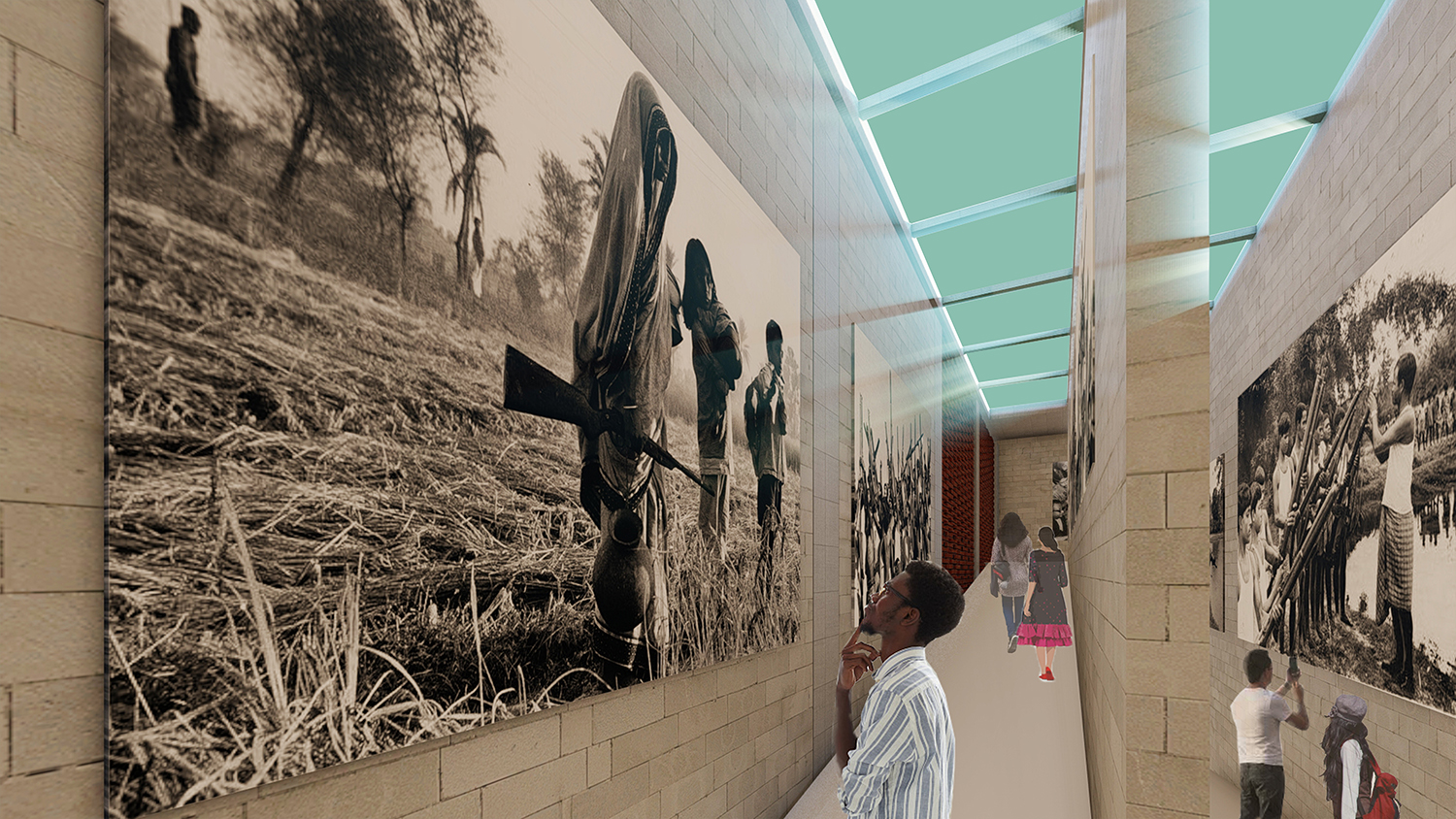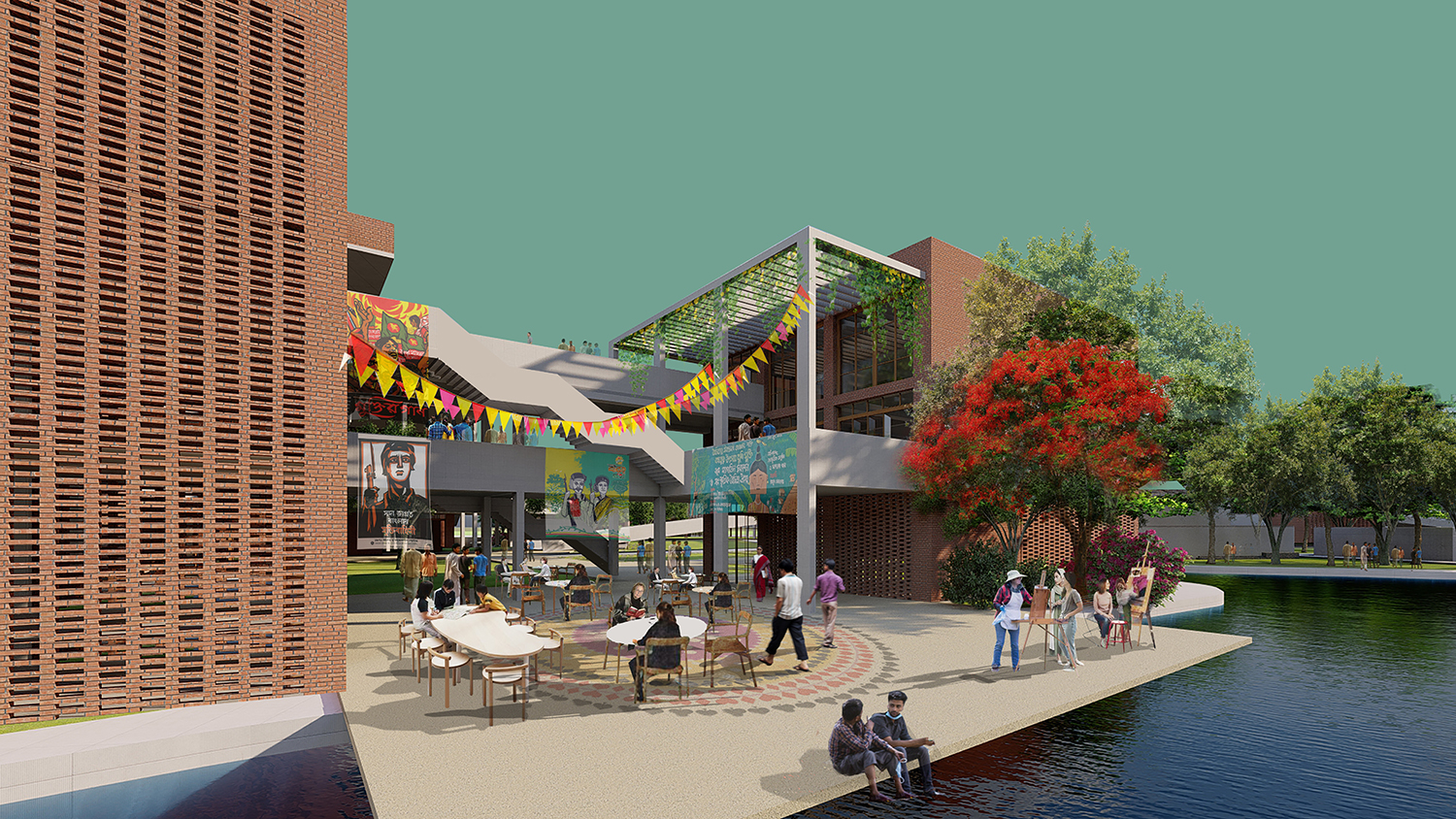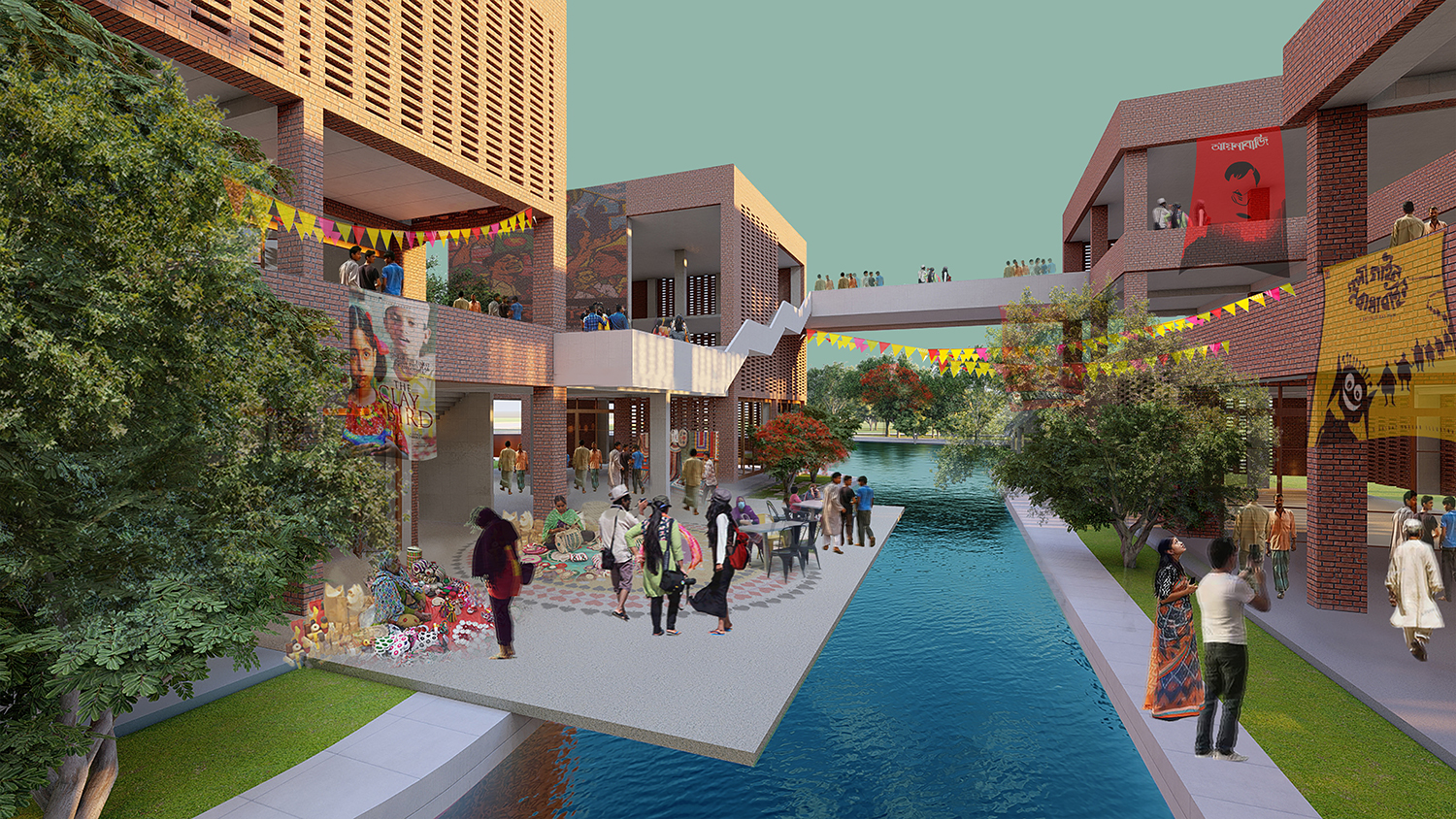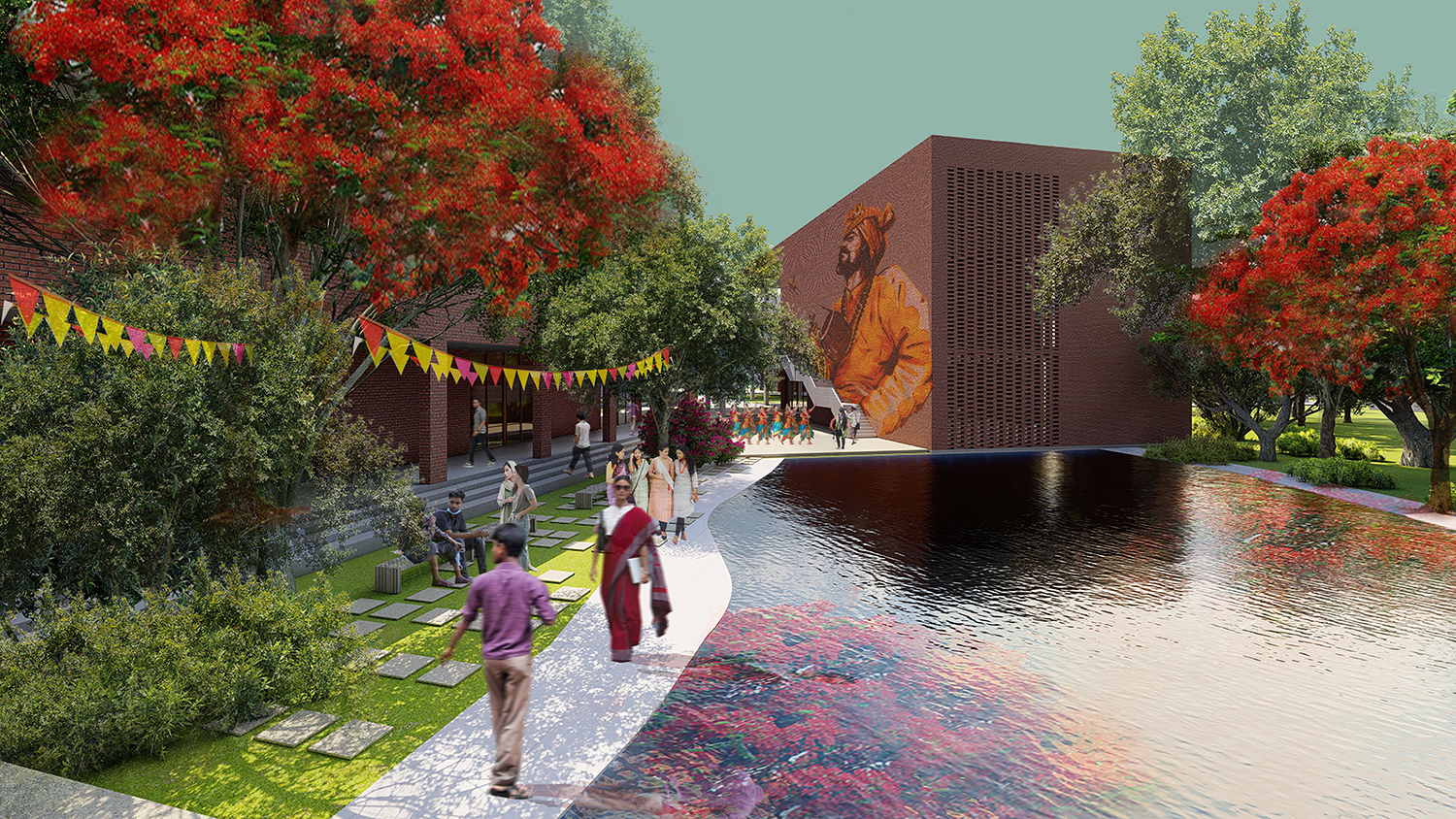
International Day for Monuments and Sites 2026

International Day for Monuments and Sites 2026

International Day for Monuments and Sites 2026

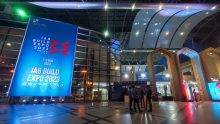
The IAB Built Expo 2023 pulls in crowd.

The Institute of Architects (IAB) arranged the most prestigious building material exposition in BICC where architects and interior designers, students as well as the general public can connect to various building and interior material companies and contractors under one roof. As like every year many dealers and companies have joined to introduce their products to visitors.

The opening ceremony of IAB Built Expo 2023 took place on 7th Nov at 7 pm in BICC celebrity hall. The event was graced by Mr. Sharif Ahmed, the Honorable State Minister of the Ministry of Housing and Public Works as the Chief Guest, while Ar. Mir Manzurur Rahman, Chief Architect of the Department of Architecture, Ministry of Housing and Public Works was present as the Special Guest. The ceremony was chaired by IAB President, AR. Prof. Dr. Khandaker Shabbir Ahmed.

IAB organized two technical seminars named BUILD TALK where renowned architects shared their valuable messages and product companies like Barobi Design, RAK, GPH, TOCCO showcased their product technologies and services.

This event had an extraordinary arrangement this year. There was an exhibition of the best thesis projects came from students of various universities. There was an Architectural photography exhibition and competition on the theme of BUILT ENVIRONMENT. Asif Salman won the competition.

Architects’ unbuilt project exhibition took the visitors’ attention most. Many architects and architectural firms submitted their projects by the call of IAB which were not constructed due to various reasons. However, only selected 46 projects were presented at this event. This initiative was appreciated by everyone.

IAB also arranged the Best Exhibitor Award for the building material companies in four categories – lounge, platinum, gold & and silver. Barobi Design, Rainbow, Indigo and ART DNA won the awards. The award ceremony was held on 9th Nov but that was not the end, after watching a huge response from the public IAB extended the event one day more.

Photo Gallery ( Courtesy: Rubayat Tasnim, Shahriar Mahmud & internet )


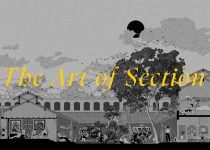
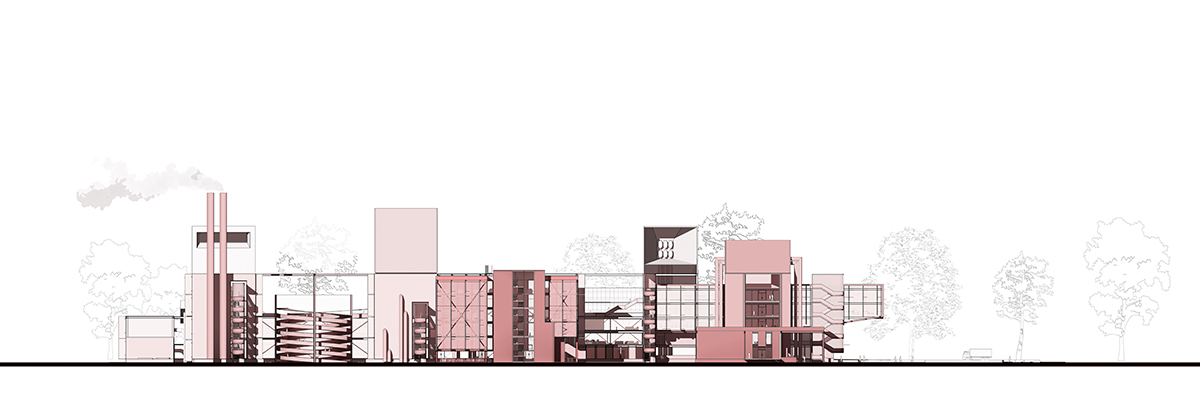
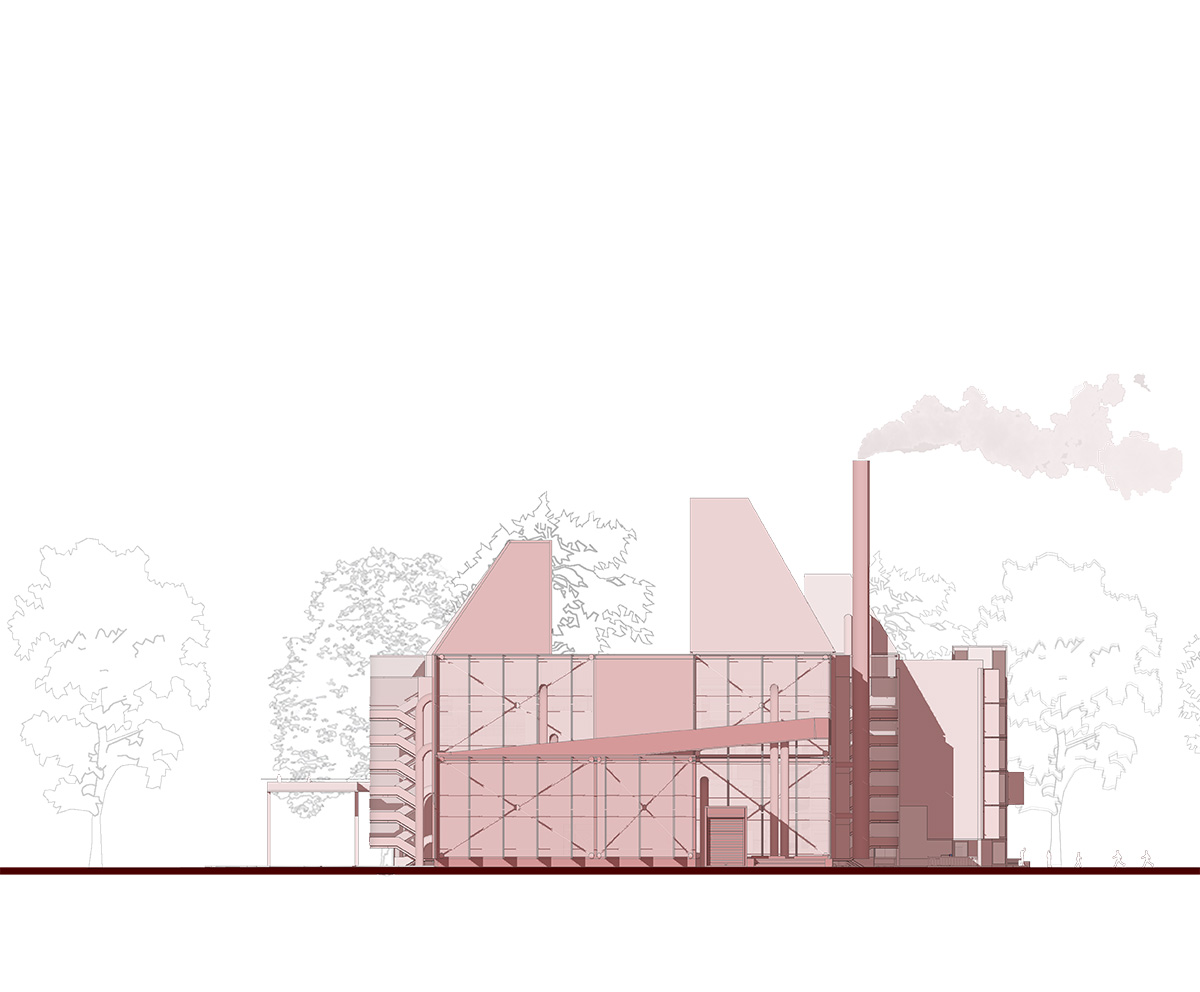
The Art of Section | Asad Hossen

This series delves into the captivating realm of art and architecture, exploring the inherent beauty of architectural drawings as a medium to narrate compelling stories.


The core focus of “The Art of Section” is to shed light on the often overlooked yet profoundly evocative nature of architectural drawings. The series aims to celebrate the ability of these drawings to transcend mere technical representations, evolving into visual stories that encapsulate the essence of structures, spaces, and their narratives. It entails cutting up some of my favourite architectural designs into cross-sections.; providing a glimpse into its interior spaces, structural elements, and spatial relationships.

This series of drawings attempts to establish the narrative that architectural sections are more than just technical drawings; they are a form of visual storytelling. Through carefully composed sections, these drawings try to communicate how natural light interacts with a space, how materials and textures come together, and how users will experience the built environment with a hint of ‘Magic Realism’

A profound comprehension of beauty and aesthetics is always necessary to create a stunning drawing. An architectural section done well is more than simply another drawing on the board; it’s a piece of art that encapsulates the spirit of a building and all of its practical and aesthetic aspects. As such, it’s a crucial tool for architectural storytelling and the design process.

Sou Fujimoto_House NA_Tokyo © Asad Hossen

Geoffrey Bawa_Da Silva House_Colombo © Asad Hossen

Eduardo Souto de Moura_Two Family House_Ponte de Lima © Asad Hossen

Bukit Cahaya_Charles Correa_Unbuilt © Asad Hossen

Bashirul Haq_Bhatshala House_Brahmanbaria© Asad Hossen

Alberto Campo Baeza_Casa Garcia Marcos_Valdemoro© Asad Hossen

About the Artist:

Currently working as an Architect and Urban Designer, Asad is passionate about creating unique and responsive design solutions that enhance the livability of our cities. He earned his B.Arch. from BRAC University and, supported by an ADB scholarship, finished his master’s degree in Urban Design at the University of Hong Kong. With a background in both architecture and urban design, he can bring a strong understanding of critical design thinking and architectural drawings to his work. Ever since he started studying architecture, he has been enthralled with architectural illustrations and drawings. Drawings and illustrations are always therapeutic to him.
Follow Asad on Instagram: https://www.instagram.com/hossen.works/

Follow Asad on LinkedIn: https://www.linkedin.com/in/asad0hossen/


Feni College War Memorial Complex | Vector Plinth

| Notes from the Architect |

During the Liberation War of 1971, Feni was one of the most crucial war zones because of its geographical location. Feni Government College field was used as a mass slaughtering ground by the Pakistani invaders. Martyrs were inhumanly tortured, murdered and buried beneath the college field. Families were rushed to the college grounds as soon as Feni was independent on December 6th, in the hope of finding their loved ones.

© Vector Plinth

© Vector Plinth

© Vector Plinth

Even after 52 years of independence, the people of Feni weeps recalling the horrors the martyrs endured during the war. Students of Feni Government College boldly portrayed the terrors of the war in a school play called “Goalpost”. They reminded the audience how their present college was converted into a torture cell by the Pakistani raiders in 1971. The Muktibahini and their supporters were brutally tortured and killed by gunshot while hanged by cords on the goalpost of the college field; later thrown in the pond or buried below the college ground.

© Vector Plinth

© Vector Plinth

© Vector Plinth

© Vector Plinth

The government authority of Feni was moved by the performance of the students. They were motivated to revitalize the abandoned space in honor of the martyrs of Feni. The architects of the project took inspiration from the cruel history of “goalpost” and initiated the idea of an abstract monumental goalpost – symbolizing the horrific incident of hanged martyrs. The concept was to revive the memory of the martyrs so that young students could understand and appreciate the sacrifices that were made in 1971.

এক সাগর রক্তের বিনিময়ে, বাংলার স্বাধীনতা আনলে যারা, আমরা তোমাদের ভুলবো না”

(“We will not forget you, who brought the freedom of Bangla, in exchange of an ocean of blood “)

This renowned quote was written on the right side of the façade of the monument, reflecting the concept of the project.

© Vector Plinth

© Vector Plinth


© Vector Plinth

© Vector Plinth

The goal was to curate a lively space where people can gather and feel connected to our history and interrelate. The enormous height of the monument can be seen from a long distance, calling out to people from afar. People all around the space are drawn to explore the outstanding landscape. The pavement of the structure is linked with the school courtyard. Moreover, it is easily accessible from the pathway beside the pond. Walking down the pedestrian, one can feel the vastness of the structure – two 40’ tall walls, representing the infamous football post. On the left side of the concrete façade –

মুক্তির মন্দির সোপানতলে কত প্রাণ হল বলিদান, লেখা আছে অশ্রুজলে”

(“On the steps of the temple of liberation, how many lives were sacrificed, it is written in tears”) written in Bangla golden font. The 40’ black wall on the back carries round blood-red punches, symbolizing the gunshots our martyrs had to endure. Sixteen lit steps till one stands on the monumental plaza, and looking up from there – six copper cylinders suspended by cords, which represent the journey of our immortal warriors of Feni. Each cylinder signifies different stages of the war –

চেতনা (Cognition); জাগরণ (Awakening); সংগ্রাম (Warfare); বেদনা (Agony); জয় (Victory); স্বাধীনতা (Independence).

© Vector Plinth

© Vector Plinth

Immediately following the launch, schoolchildren performed in the amphitheater, and members of the public gathered to pay tribute to the martyrs. While walking around, visitors learn about Feni independence by reading the four memorial plaques. They read about the history and stories of the sacrifices of our martyrs, names of 31 Bir Muktijoddha (Freedom Fighters), and later find themselves standing in front of our nation’s map and flag. People learned about stories of a man who came to Feni College slaughter-ground in 1972, in search of his brother. He picked up a skull from the piles of bones, holding it close to his heart. When asked why he is taking it, he said – “Pakistani invaders took my brother to the Feni College Camp and he has been missing ever since. My brother had a larger head, and this skull looks bigger than the others.” These shattering tales remind the youths about the sacrifices of their roots.

© Vector Plinth

© Vector Plinth

© Vector Plinth

© Vector Plinth

© Vector Plinth

© Vector Plinth

The once-abandoned area has become a ceremonial place to socialize and commemorate the history of Feni College Boddhobhumi.


Architectural Firm: Vector Plinth

Lead Architect: Muhammad Jabed Iqbal Rupam & Mohammad Faisal Sabri

Design Team: Md Jahirul Islam, Sabrina Lipy, Jahid Hossain

Structural & Plumbing Engineer: Pratim Bhuiyan

Project Co-Ordinator: Rana Nag

Site Supervisor: Abdullah Al Masud Tareq

Landscape & Lighting Design: Vector Plinth

Documentation and Illustration: Mouna Noor Al-Fatimy

Photography: Asif Salman

Email Id: info@vectorplinth.com

Website: www.vectorplinth.com

Social Media:  https://www.facebook.com/Vectorplinth

The New “Old”: Urban Renewal of Historic Chawkbazar

Chawkbazar, a historic treasure at the heart of Dhaka city, has evolved from a Mughal fort’s open marketplace to a bustling wholesale hub since its inception in 1602. This design project explores the rich history and complex challenges facing Chawkbazar. It presents the visionary Chawkbazar redevelopment project, aimed at preserving its heritage while paving the way for its next phase of development.

© Md. Golam Mohiuddin

Projecting the Unplanned Evolution of Chawkbazar © Md. Golam Mohiuddin

Over the centuries, Chawkbazar has witnessed transformative changes, transitioning from retail to wholesale trade in various goods. However, it now grapples with overpopulation, congestion, and fire safety concerns. The area’s fate is intricately tied to its shop owners and the local community, making careful planning imperative.

Proposed Strategy © Md. Golam Mohiuddin

Transformation chart © Md. Golam Mohiuddin

This proposal employs a strategic approach that places a strong emphasis on minimizing demolition and resettlement issues. By carefully selecting sites with a high density of one and two-story buildings, the project aims to strike a delicate balance between progress and preservation. Only 19% of the structures are planned to be demolished to facilitate road widening, and these will be replaced with new development. The remaining 51% of existing buildings will be preserved, ensuring the retention of Chawkbazar’s unique historical character.

Redevelopment Proposal for Chawkbazar © Md. Golam Mohiuddin

© Md. Golam Mohiuddin

Crucially, the project adopts a phased development model to ensure minimal disruption to the bustling marketplace. Temporary resettlement areas like the “Jahaji baris” site and innovative systems for rebuilt structures demonstrate a commitment to accommodating traders while compensating for any losses incurred. This approach safeguards Chawkbazar’s essence and forms a solid foundation for its future development.

© Md. Golam Mohiuddin

© Md. Golam Mohiuddin

Chawkbazar, steeped in history and standing at the crossroads of progress, offers a unique opportunity for reevaluation. With its historical significance preserved and its vibrant future secured, Chawkbazar is poised to continue thriving as a vital part of Dhaka’s history. The Chawkbazar redevelopment project serves as a testament to the careful balance between preserving historical places and embracing progress, setting a commendable example for urban development in historic districts.

বসতবাড়ি | চিঠি ২৬ | চৌরী ঘর

মূল চিঠি:

সুপ্রিয় অনাগত দাদু,

শুভ কামনা রইল। আমি আজ তোমার জন্য আমার ছেলেবেলা, বেড়ে উঠা এবং গ্রামীণ জনপদের কিছু স্মৃতিকথা ব্যক্ত করতে চাই; যাতে তুমি তোমার পূর্ব পুরুষ, তাদের ভিটেমাটি সম্বন্ধে জানতে পার।

জীবনের বড় একটা অংশ ঢাকায় কাটালেও আমি ছিলাম গ্রাম থেকে উঠে আসা এক তরুণ। মানিকগঞ্জের মুলজান গ্রামে এক সচ্ছল কৃষক পরিবারে আমার জন্ম। ঢাকা-আরিচা মহাসড়ক ঘেঁষে আমাদের বাড়ি। ফরায়েজী বাড়ি বললেই লোকে চিনেন। আমি জ্ঞান বুদ্ধি হওয়ার পর থেকেই বাড়ির চার ভিটায় চারটি ঘর দেখতে পেয়েছি। উত্তর ভিটায় বড় আকারের একটি টিনের ঘর। সেখানে দাদা দাদী থাকতেন। মজার কথা জানো? আমরা এখনও এই ঘরকে “বড় ঘর” ডাকি। যাহোক, অন্য বড় ঘরটি ছিল পশ্চিম ভিটায়। সে ঘরে বাবা-মা তাঁদের ছেলে মেয়ে নিয়ে থাকতেন। দু’টি ঘরেরই ভিত / প্লিন্থ ছিল পাকা। ভেতরের পিলারগুলি আগে ছিল বাগানের গাছের। পরে দরকার মত আমরা কনক্রিটের পিলার করে নিয়েছি। এর ওপর টিন দিয়ে করা বাইরের, ভেতরের দেয়াল। টিনের চৌচালা ছাদ ছিল দু’টোরই। এমন ঘরকে বলা হত ‘চৌরী ঘর’!

দক্ষিণ ভিটায় লম্বা আকৃতির একটি টিনের ঘর। সেটি ব্যবহৃত হত গোয়াল ঘর হিসেবে। অবশ্য, এ ঘরেরই পূর্ব পাশে পার্টিশন দিয়ে আলাদা একটি ছোট ঘর ছিল যাকে বলা হতো ‘বাংলা ঘর’। সেখানে তামাক, হুক্কা, বসার ব্যবস্থা, শোবার চৌকি সবই ছিল। রাতে রাখালেরা এ ঘরেই থাকতো। দক্ষিণে খোলা জায়গায় ছিল গরুর খাবারের জন্য গরুর গোরা। দক্ষিণ-পূর্ব কোণে ছিল ঘোড়ার আস্তাবল। এই ঘোড়ায় চড়ে আমার দাদাভাই হাট-বাজারে এবং বিচার-সালিশে যেতেন।

পূর্বের ভিটায় ছিল বাঁশের বেড়া দিয়ে বানানো বিশাল এক ঘর, যার ছাদ ছিল ছনের। এর একটি অংশ ঢেঁকির ঘর এবং বাকিটা রান্নাঘর হিসেবে ব্যবহৃত হত। শুকনো মৌসুমে রান্না ঘরের পাশে খোলা জায়গায় রান্নাবান্না করা হতো। অন্যদিকে বৃষ্টি বাদলের দিনে রান্না ঘরেই রান্নাবান্না করা হতো। এঘরেই একপাশে একটি মাচা ছিল যেখানে কাঠের লাকরি, গরুর গোবর শুকিয়ে তৈরী করা ঘুটে ইত্যাদি জ্বালানি হিসেবে মজুদ থাকতো। বলতে দ্বিধা নেই যে এই ঘরেই আমরা ভাই বোন সকলেই গ্রামের একজন দক্ষ ধাত্রী (দাই) এর হাতে জন্মলাভ করেছি। শুধু তাই নয়, গ্রামের অনেক নারীই সন্তান জন্মদানের জন্য ফরায়েজী বাড়ির এই ঘরে আশ্রয় নিতেন। এটাকে গ্রামীণ ভাষায় ‘ছটি ঘর’ বলা হতো। এই ধাত্রী (দাই) অত্যন্ত দক্ষ ছিলেন। তাঁর হাতে কোন নবজাতক মারা গিয়েছে এরকম কিছু শুনিনি। তিনি এই ঘর ব্যবহার করতে স্বচ্ছন্দ ছিলেন। আমার পরিবারও এই কাজে এই ঘর ছেড়ে দিতে দ্বিধা করেন নি কখনও।

বাড়ির দক্ষিণ পশ্চিম কোনে ছিল বিশাল খড়ের পালা। পূর্ব পাশে ছিল কয়েকটি আম গাছ এবং দক্ষিণ পাশে ছিল কয়েকটি খেজুর গাছ। গ্রীষ্মকালে আমরা গাছের কাঁচাপাকা আম খেতাম এবং শীতকালে খেজুরের রস এবং রস দিয়ে তৈরি খেজুরের গুড় খেতাম। এই খেজুরের গুড় ছিল আমার খুব প্রিয় খাবার। দিনে এক পাটালি গুড় না খেলে আমার তৃপ্তি হতো না।

বাড়ির সামনে অর্থাৎ দক্ষিণ দিকে একটি খাল ছিল। কালিগঙ্গা নদীর সাথে এই খালের সংযোগ ছিল। বর্ষাকালে এই খালে ভীষণ স্রোত থাকতো। এই খালে আমরা শৈশবকালে সাঁতার কাটতাম, কলা গাছের ভেলায় চড়ে মনের আনন্দে ভেসে বেড়াতাম। খালে জেলেদের পাতা ‘ভেসাল’ জালে ধরা তাজা নলা, ভেটকা, বোয়াল, টাটকিনি, রায়েক, বেলে, চিংড়ি ইত্যাদি মাছ কিনে আনতাম।

আমার বাড়ির এক মাইল দূরে ডাউটিয়া হাট। সপ্তাহে সোমবার ও শুক্রবার হাট (বাজার) বসতো। শুকনো মৌসুমে গ্রামের লোকজন পায়ে হেঁটে হাটে যেতো। বর্ষাকালে সকলে মিলে নৌকায় যেতো। গ্রামের কয়েকটি পাড়ার মধ্যে আমাদের একটি বড় নৌকা ছিল। গ্রামের লোকজন এ নৌকায় হাটে যাওয়া করতে স্বাচ্ছন্দ্য বোধ করতো।

শীতকালে পিঠাপুলি খাওয়ার ধুম পড়ে যেতো। পৌষ মাঘ মাসের সকালে রৌদ্রে বসে খেজুর গুড় দিয়ে মুড়ি খেতাম। গ্রামের লোকে মুড়িকে বলতেন ‘উড়ুম’। এই স্মৃতিগুলি লিখতে গিয়ে উপমহাদেশের  কিংবদন্তি সংগীত শিল্পী মান্না দে’র একটি গানের কথা মনে পড়ে গেলঃ

“পৌষের কাছাকাছি রোদ মাখা সেইদিন

ফিরে আর আসবে কি কখনো!”

এই চিঠি যখন তোমার হাতে পৌছবে তখন হয়তো ইহজগতে নাও থাকতে পারি। তবে, আমি না থাকলেও এর মাধ্যমে তুমি সেকালের জীবন ব্যবস্থা সম্বন্ধে সম্যক ধারণা পাবে আশা করছি।


তোমার অনাগত জীবন সুন্দর, সাবলীল ও সুখময় হোক- এই কামনা করি।


তোমারই দাদুভাই

মোঃ মঈন উদ্দিন

১৫ এপ্রিল, ২০২১

(সৌজন্যে: নাজিয়া তারান্নুম)


Plan Render and Annotation by Md Akibur Rahman Sikder © CONTEXT

Illustration by Taorem Rahul

Visualization by Taorem Rahul


Visualization by Taorem Rahul

English version | Translated by Labiba Nazeen

Dear unborn grandchild,

Sending you my best wishes. Today, I would like to share some memories from my childhood, youth and the rural life with you so that you may learn more about your ancestors and their homeland.

Though I’ve been living in Dhaka most of my life, I was a young man from the village. I was born in an affluent farmer’s family in Muljan village of Manikganj. Our house was located along the Dhaka-Aricha highway. The house was known to people as the ‘Forayeji Bari’. From the time I can remember, I saw four houses in the four sides of our home. A large house made of CI sheet was in the North, where my grandparents lived. Interestingly, we still call that house “the big house”. The other large house was in the west, where my parents lived with their children. The plinths of both the houses were brick made. The supporting columns were formerly from garden woods, which, later, we made from concrete as needed. The outer and inner walls made of CI sheet. The chouchala (house with four roofs) roof also made of CI Sheet was two-tiered. These types of houses were called ‘Chowree Ghar’ !

There was an elongated house in the South. It was used as cattle shed. However, there was a small room separated by a partition on the east side of this room which was called ‘Bangla Ghar’. There were areas where people may sit and smoke hookah or take rest. At night, the shepherds stayed in this house. Cow sheds were in the open area to the south where cows were fed. In the south-east corner were the horse stables. My grandfather used to ride to the bazaar and the court on his horse.

In the former house there was a large house made of bamboo fence, which had a thatched roof. A part of it was used as a shed and the rest as a kitchen. During the dry season, cooking was done in the open space next to the kitchen. On the other hand, on rainy days, cooking was done inside the kitchen. There was a loft on one side of the house where wood sticks, dried cow dung, etc. were stored as fuel. In this house, all of us siblings were born by a skilled midwife, ‘Dai’ of the village. Nonetheless, many women in the village took shelter in this house of ‘Forayeji Bari’ for giving birth. It was called ‘chothi ghar’ in local language. The midwife was very skilled, and no infant deaths were ever heard, in her hands. She was comfortable using that room and my family also never hesitated to leave this house for this purpose.

At the southwest corner of the house was a huge hayloft. There were some mango trees on the east side and some palm trees on the south side. In summer we ate mangoes fresh from the trees and in winter we ate palm juice and date jaggery. Date jaggery was my favourite and I would not be satisfied without eating one patali jaggery every day.

There was a canal in front of the house i.e. on the south side. This canal was connected to the river Kaliganga. During monsoon, this canal had strong current. We used to swim in this canal as children, and joyfully floated on the raft made from banana leaves. I used to buy fresh fish such as nala, betka, tatkini, rayek, bele (local fish), catfish, prawn etc. caught in the nets of the fishermen in the canal.

A periodic market called Doutiya Haat was located one mile from my home and was held on Mondays and Fridays. During the dry season, the people of the village went to the market on foot and during rainy season, they used boats. We had the largest boat within a few blocks of our village; and the people of the village used to feel comfortable using our boat to go to the market.

In winter, there was an exciting custom of eating Pithapuli (traditional steamed/ fried rice cakes or dumplings filled with local sweet/ savoury items). In the morning of Paush, Magh (winter months of the Bengali Calendar), I used to sit in the sun and eat puffed rice with date molasses. Village people used to call puffed rice ‘Udum’. While reminiscing, I am reminded of a song by the legendary music artist of the subcontinent, Manna Dey:

“পৌষের কাছাকাছি রোদ মাখা সেইদিন

(“It is the day when the sun shines near Poush)

ফিরে আর আসবে কি কখনো!”

(Will you ever come back!”)


I may not be in this world when you receive this letter. However, I’m hoping this gives you a good impression of how life was back then.

I wish you a nice, content, and happy future.


Your grandfather

Md. Main Uddin

April 15, 2021

(Courtesy: Nazia Tarannum)


হারিয়ে যাচ্ছে আমাদের গ্রাম। হারিয়ে যাচ্ছে মাটি ও মানুষের আত্মিক সম্পর্ক। জীবন ও জীবিকার সংগ্রামে আমরা ভুলতে বসেছি আমাদের শেকড়। গ্রামের বাড়ি আজ যেন এক নস্টালজিয়া। শুধু বেঁচে আছে আমাদের স্মৃতিতে। কি রেখে যাচ্ছি আমরা ভবিষ্যত প্রজন্মের উদ্দেশ্যে? সেই শিকড়ের খোঁজে আমরা খোলা চিঠির আহ্বান জানিয়েছিলাম।

আপনি যদি অংশগ্রহণের কথা বিবেচনা করে থাকেন তবে যত তাড়াতাড়ি সম্ভব চিঠিটি প্রেরণ করুন।

বিস্তারিতঃ http://localhost/context/events/event/basatbari/

ইমেইল: boshotbari.context@gmail.com; context.editor4@gmail.com


Disclaimer:

CONTEXT (www.contextbd.com) and their collaborators jointly hold the copyrights of all contents including, but not limited to, all text, information, illustrations, images. You may not duplicate or reproduce any of the content on this website, including files downloadable from this website

Retrospecting Genocide at Zinzira Bazar | BRACU

Three million people were ruthlessly killed in Bangladesh in 1971, however, the genocide is still unrecognized globally. The Pakistani militants and their collaborators systematically spirited people away, killed, dumped bodies in either the killing site or separate mass graves. These killing sites, mass graves, and torture cells are scattered across the country. Unfortunately, there was little visual documentation of these atrocities. After independence, only a few major mass graves were conserved, protected, and recognized as historical sites. Through this studio work, the site of Zinzira massacre is re-discovered to create a memorial journey that fosters harmony between the current usage and the history.


Atrocity Map (ZINRIA KALINDI SHUBHADYA) © Fazle Rubby Fahim | BRACU

© Fazle Rubby Fahim | BRACU

Zinzira bazar was one of the most atrocious killing sites in the history of our liberation war. On April 2nd, The Pakistani military vandalized the Zinzira bazar and killed almost 700 people who took shelter escaping from Dhaka during ‘Operation Searchlight’ took place on 25th March. The mass killing stretched in Zinzira, Kalindi, and Shubhadya union from Keraniganj. In the project ‘Retrospecting Genocide at Zinzira Bazar’ the task was to tie up this historical phenomenon with the existing functions in a way that no single attribute deluges another one.

Contextual analysis © Fazle Rubby Fahim | BRACU

© Fazle Rubby Fahim | BRACU

© Fazle Rubby Fahim | BRACU

The revival of the bazar comes as a part of the total thought process where neighborhood engagement would highly be encouraged. In order to express the rendezvous, it introduces a few new functions and withdraws its boundary to have access from all over the neighborhood, creating various types of facilities not only for the stakeholders of the project but also for the neighborhood and beyond. The additional functions along with the traditional bazar are- mosque, madrasa hostel, library, confectionary-café, movie hall, marketplace, warehouse, wholesale dock and a boat terminal. The experiential journey starts from a -15’ plaza connecting the boat terminal which is also a part of Gallery 1. Gallery 1 is based on the idea of prologue of our Liberation war. Gallery 1 leads to Gallery 2 which is placed under the traditional bazar respectively at -15’ and -25’ level. This one is based solely on the Zinzira massacre. A chair from one of the victims’ houses is placed there as an exhibit including other items.

Concept Diagram © Fazle Rubby Fahim | BRACU

Proposed redevelopment plan © Fazle Rubby Fahim | BRACU

Proposed redevelopment plan © Fazle Rubby Fahim | BRACU


North elevation © Fazle Rubby Fahim | BRACU

West elevation © Fazle Rubby Fahim | BRACU

Sections © Fazle Rubby Fahim | BRACU

The third gallery is a block of library and experiential pathway which connects the mosque and café terrace. The journey ends to a Banyan tree plaza that witnessed the Zinzira Genocide in 1971. The third gallery is design to express the story of our liberation war. The boat terminal has been redesigned to replace the existing ‘ghaat’ around the site while remaining operational at the same location. Additionally, passenger waiting area, toilet, docking system are included to enhance the experience.  A part of the terminal building has also been turned into Gallery 1, which houses the curatorial office.

© Fazle Rubby Fahim | BRACU

Terminal block © Fazle Rubby Fahim | BRACU

© Fazle Rubby Fahim | BRACU

© Fazle Rubby Fahim | BRACU

© Fazle Rubby Fahim | BRACU

© Fazle Rubby Fahim | BRACU

© Fazle Rubby Fahim | BRACU

© Fazle Rubby Fahim | BRACU

The mosque was relocated and re-designed to make it accessible from the neighborhood. The traditional bazar has been resurrected, along with some new facilities spread over different functional zones. The wholesale setup and warehouse have been relocated to the basement 1 level which also includes a loading unloading dock. The marketplace is designed to house other rentable shops and a movie hall having a rooftop café and a terrace garden. There is also a confectionary, café and a super-shop which is connected to the library block.


© Fazle Rubby Fahim | BRACU

© Fazle Rubby Fahim | BRACU

© Fazle Rubby Fahim | BRACU

© Fazle Rubby Fahim | BRACU

© Fazle Rubby Fahim | BRACU

Re-Thinking the Ashrayan Project-2

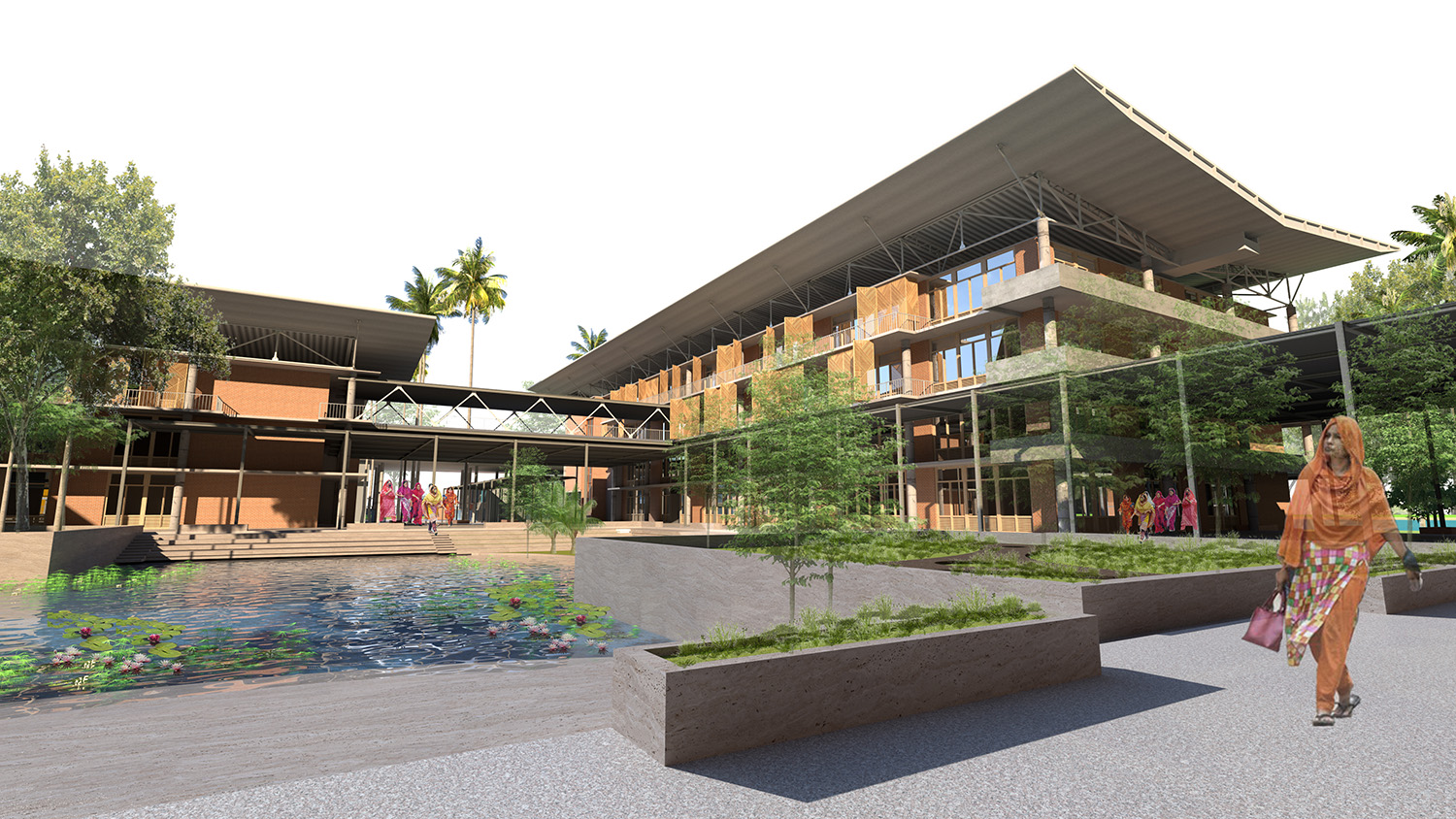
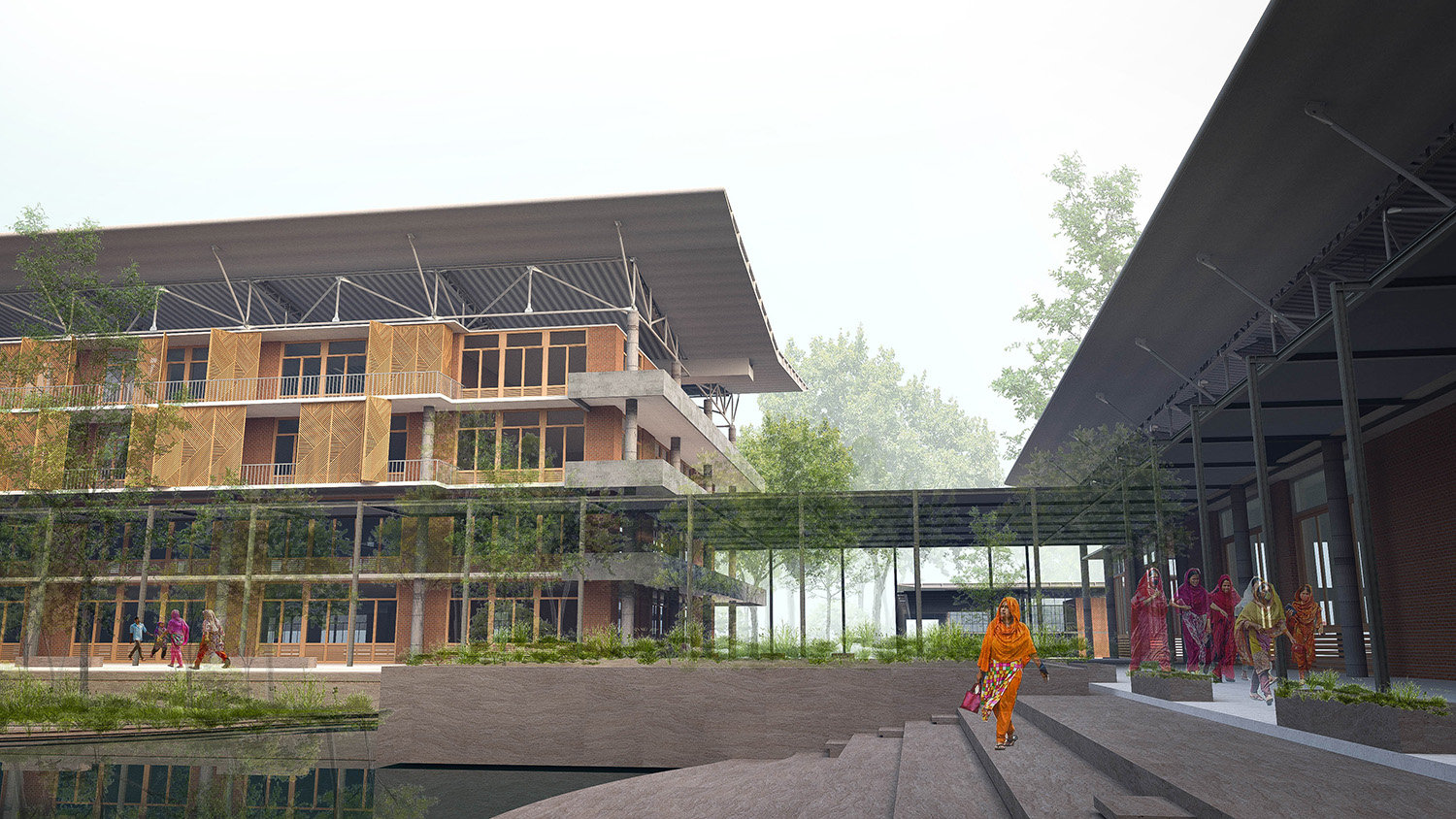
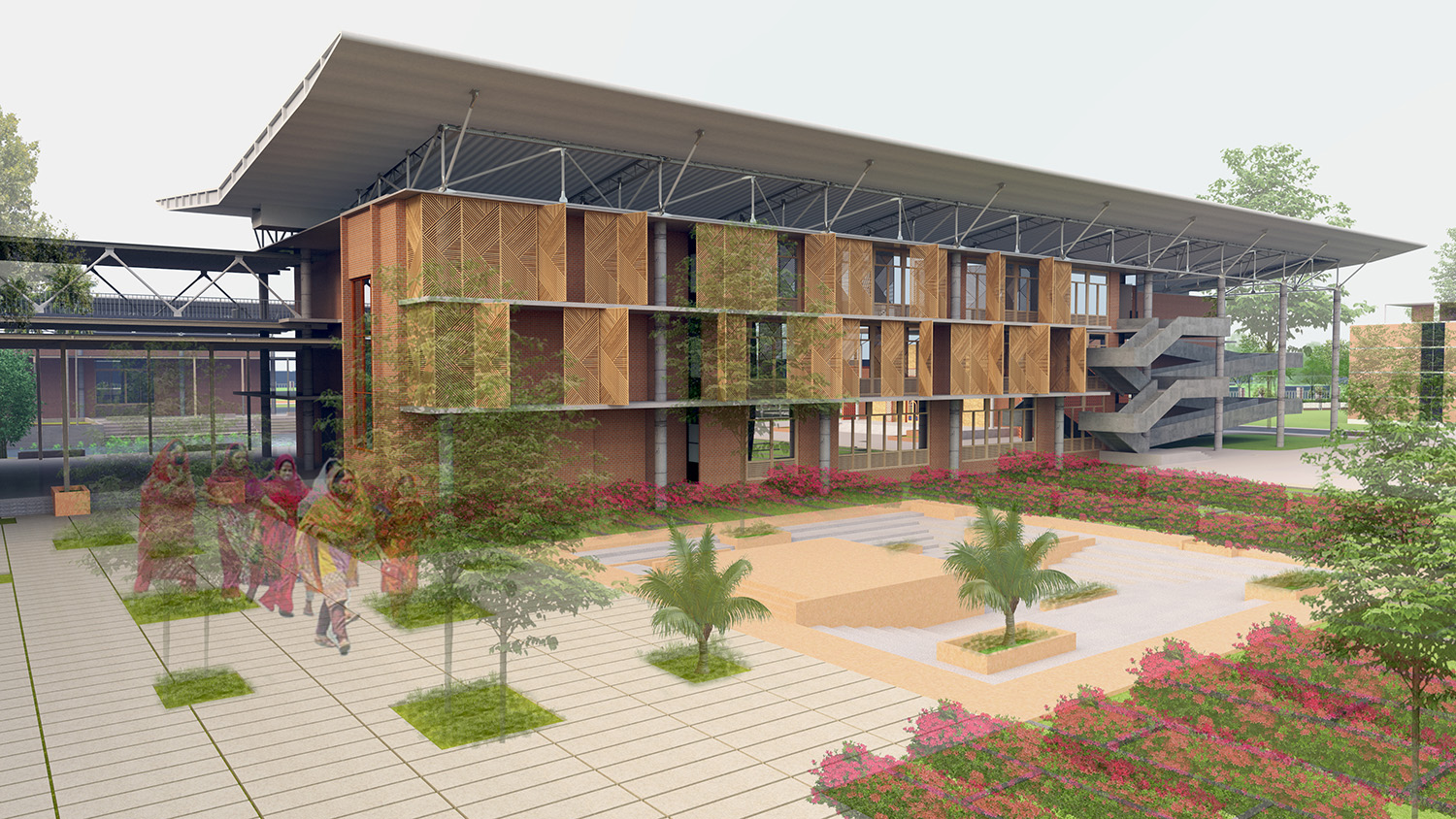
The Ashrayan Project 2 is a government-led initiative in Bangladesh to provide housing for disadvantaged families. While the government’s provision of two bedrooms, one kitchen, and one washroom for each family was a promising start, the families are struggling to live properly because the designs offered do not fit their lifestyle. The proposed design concept aims to improve the occupant’s quality of life by creating co-living spaces that foster social interaction and do not impede their usual activities and livelihood opportunities. The proposed masterplan accommodates 59 housing units in five clusters with functional courtyards and open spaces that do not compromise program, spatial quality, liveability, or project cost. The construction process prioritizes locally sourced materials, with an emphasis on eco-friendliness and sustainability. Additionally, the project has designated spaces for residents to cultivate vegetables for their consumption and for the local community, rickshaw garages, and a community hub with a marketplace to promote a sustainable economy.


Aerial view of the existing project

Background:

The Ashrayan Project 2, initiated by the Bangladesh government, has the primary objective of providing housing facilities for poor and underprivileged families. The project aims to resolve the housing problems of people and facilitate their development. The priority group for this project includes poor freedom fighter families, households affected by river erosion, families without agricultural land and habitat, families who have become landless due to an acquisition, and families headed by individuals who are no more than 50 years old.

The project has been initiated through several implementations across different parts of the country, including a project in Chor Narayanpur, Akhaura, Brahmanbaria, on a land area of 1.8 acres, aimed to accommodate 59 (45 houses have been constructed during field survey) housing units. Every allottee was provided with a single house built on a 2-decimal land area, having some open space at the front and back. However, despite the provision of two bedrooms with a front veranda, one kitchen, and one washroom for each family; the families were facing difficulties in living properly as the provided designs did not align with their lifestyle in some cases. Especially, the kitchen area being a part of the main house, was not functionally suitable for traditional rural cooking methods by using firewood, and most of them could not afford LPG cylinders for the purpose. Consequently, many families have constructed separate kitchens outside their homes or transformed their verandas into kitchens. Furthermore, there is no designated area for families to carry out their livelihood activities, vegetable gardening or cultivate crops as the front yard is too small for the purpose.

In addition, several families depend on vans and rickshaws for their livelihood, but there is no dedicated parking space for these vehicles, nor any specific place for vocational training or community gathering. During the field survey, the inadequacy of dedicated open spaces for individual households was identified as one of the main shortcomings of the existing prototypical master plan.

Proposed Masterplan © Alvi Md. Ragib Nihal khan, Gazi Anika Tasnim, Quazi Maliha Tahmin, Nazia Nasrin Aubontee

Concept:

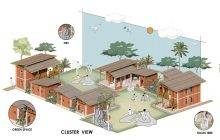
The primary objective of the design concept was to improve the occupant’s quality of life by creating co-living spaces that foster social interaction and do not impede their usual activities and livelihood opportunities. To achieve this, clusters were designed having central courtyards, where each family was provided with a single-story house and a personal courtyard for their vegetation and other activities. The design approach ensured that each family could access their own living facilities within their respective courtyards and territorial open space.

 Master plan:

The housing project features a well-planned layout that includes an 8-foot-wide accessway connecting every house’s entry, facilitating easy transportation during emergencies using rickshaws or vans. Each cluster has a central courtyard, providing ample space for various activities such as children’s play, goat grazing, and rice harvesting.

The site’s central space is dedicated to community facilities, including a multipurpose hall, local bazaar, community health clinic, and vocational training center. A water body has been created to collect water for household use and community gatherings, and the waterside spaces have sidewalks for relaxation and entertainment. The pond can also be used for the fishery as an income-generating source for the whole community. Additionally, each cluster has been provided with 3 tube wells for fresh drinking water. The proposed masterplan accommodates 59 housing units, which complies with the target unit numbers of the original proposal. Functional courtyards and open spaces have been incorporated into the proposed masterplan without compromising the program, spatial requirements, spatial quality, liveability, and project cost.

Housing units and proposed density:

Number of Clusters = 05

Total Unit: Type A = 35 nos and Type B =24 nos

Site area: 1.8 acre

Achieved unit density: 32.8 or 33 units per acre (Approximate)

Proposed Cluster Plan © Alvi Md. Ragib Nihal khan, Gazi Anika Tasnim, Quazi Maliha Tahmin, Nazia Nasrin Aubontee

Proposed Cluster Section © Alvi Md. Ragib Nihal khan, Gazi Anika Tasnim, Quazi Maliha Tahmin, Nazia Nasrin Aubontee

Units & Cluster:

The proposed cluster comprises two-unit types, Type A and Type B, while each cluster consists of a combination of both. Both units feature two bedrooms, a kitchen, one toilet, a storeroom, and a front veranda, while The Type A unit covers 588 square feet, and The Type B unit covers 567 square feet. Every unit has its own front vegetation space or garage, while each pair of units shares a common indoor courtyard space. Additionally, all units are naturally ventilated, with two windows in each room for cross-ventilation.

Each cluster comprises 11-15 units, and all clusters are single-story, with a common courtyard at the center and tube wells at one corner for sourcing fresh water. Two units’ side by side, share their front yard and inner court as shared open space to enhance social mixing and community bonding. The units are accessed by soft paves, which allow rainwater to drain and provide uninterrupted connectivity during monsoon.

Proposed and Existing Unit Plan © Alvi Md. Ragib Nihal khan, Gazi Anika Tasnim, Quazi Maliha Tahmin, Nazia Nasrin Aubontee

Proposed Unit Section © Alvi Md. Ragib Nihal khan, Gazi Anika Tasnim, Quazi Maliha Tahmin, Nazia Nasrin Aubontee

Material:

The construction process prioritized locally sourced materials. The proposed dwelling units feature a neat cement floor and a galvanized iron corrugated sheet roof. Sand Cement Block Type – 1 from HBRI (Housing and Building Research Institute) is used for partition walls instead of typical bricks. These blocks are made from soil/sand dredged from the river and these blocks are qualified to reduce weight and regulate heat. This eco-friendly solution requires fewer bricks for wall construction, as well as more cost-effective. Non-burned solidification bricks are utilized for screening purposes in the cooking area to provide better exhaust and reduce heat-trapping. The windows were designed in two portions to maximize daylight and natural ventilation while keeping privacy in the context of a rural community.

View of the inner court © Alvi Md. Ragib Nihal khan, Gazi Anika Tasnim, Quazi Maliha Tahmin, Nazia Nasrin Aubontee

Activities around the tube wells and private courts © Alvi Md. Ragib Nihal khan, Gazi Anika Tasnim, Quazi Maliha Tahmin, Nazia Nasrin Aubontee

Activities around the community center © Alvi Md. Ragib Nihal khan, Gazi Anika Tasnim, Quazi Maliha Tahmin, Nazia Nasrin Aubontee

Considerations for a community-based sustainable economy:

Front green spaces have been designated in the project to allow residents to cultivate vegetables for their own consumption and for the local community. Furthermore, rickshaw garages have been constructed on the front to provide parking space for the residents’ rickshaws. The central space of the project has been dedicated as a community hub, with the ground floor serving as a marketplace for local businesses in the area. The first floor of the hub will serve as a venue for elementary education, vocational training, and workshops at various times.

Common space between clusters © Alvi Md. Ragib Nihal khan, Gazi Anika Tasnim, Quazi Maliha Tahmin, Nazia Nasrin Aubontee

Community hub as a multifunctional space © Alvi Md. Ragib Nihal khan, Gazi Anika Tasnim, Quazi Maliha Tahmin, Nazia Nasrin Aubontee


The rethinking of Ashrayan project-2 has emerged from the shortcomings of the current scenario. Through this studio exercise, the students have learned to communicate with the underprivileged rural community and come up with a design solution based on their feedback aiming to improve the occupant’s quality of life by creating co-living spaces that foster social interaction without hindering their usual activities and livelihood opportunities.

Windows of Old Dhaka: Unveiling Stories

In the midst of rapid industrialization, those intricate details, elaborate motifs, and cultural gradations that once adorned the windows of Dhaka’s heritage buildings are sadly diminishing. Simultaneously, in their place, a universal trend of mass-produced windows with repetitive designs has emerged and dominating the city envelope of new architectural endeavors. This not only leads to a homogenization of architectural aesthetics but also weakens the connection to the city’s historical narratives. Those idiosyncratic stories that once whispered through intricate embellishment are being overshadowed by the standardized, cookie-cutter design.

However, the importance of preserving and promoting that intricate craftsmanship of the past needs recognition in order to ensure present architecture to reflect city’s unique history and also the context. Examples from the past also reflect integration of influence from different eras with local context. Ruplal House, an example of late Renaissance European architecture, has artistic window detailing having semi-circled arch on top with stained glass with lower opening having louvers to respect the local climate and context. Similarly, windows of Curzon Hall have European and Mughal influence with the traditional artistry of the time. Northbrook Hall, also locally called Lalkuthi is a fusion of Mughal and European architecture having prominent Muslim features incorporating local craftsmanship. Bulbul Lalitakala Academy, an institution of fine arts popularly known as BAFA, is an example of completion of British colonial era, has also influence of earliest style but in simplest way. Subsequently, this type of window style has become a popular choice for many households in old Dhaka, as it continues to be embraced and replicated in numerous dwellings.

Window details of Curzon Hall © Md. Ibrahim Badhan , Md. Faisal Hossen, Rubaiet Sharmeen Sornali

Window details of Bulbul Academy of Fine Arts (BAFA) © Md. Ibrahim Badhan , Md. Faisal Hossen, Rubaiet Sharmeen Sornali

Window details of Curzon Hall_ Type 02 © Md. Ibrahim Badhan , Md. Faisal Hossen, Rubaiet Sharmeen Sornali

Window details of Lal Kuthi © Md. Ibrahim Badhan , Md. Faisal Hossen, Rubaiet Sharmeen Sornali

Window details of Ruplal House© Md. Ibrahim Badhan , Md. Faisal Hossen, Rubaiet Sharmeen Sornali


About the Author:

Md. Ibrahim Badhan  has completed B.Arch from North South University (NSU) and is currently doing M.Arch from Bangladesh University of Engineering and Technology (BUET).
Contribution:  Illustration & Narrative.

Md. Faisal Hossen has completed B.Arch from American International University – Bangladesh (AIUB).
Contribution: Illustration.

Rubaiet Sharmeen Sornali has completed B.Arch from North South University (NSU) and is currently doing M.Arch from Bangladesh University of Engineering and Technology (BUET).
Contribution: Narrative.

The Padma River-Life Museum: Repurposing the Bridge Fabrication Shed

The Padma Multipurpose Bridge is a feat of engineering and a symbol of Bangladeshi national pride. Spanning across the mighty Padma River, it fulfills a long-held aspiration to improve connectivity and economic development. It bridges the geographical divide between the eastern and western regions of Bangladesh, providing a vital link for transportation and trade. The Padma Multipurpose Bridge project was first planned in the early 1990s, and after years of feasibility studies, design evaluations, and consultations with national and international experts, the construction of the bridge finally commenced in 2011.
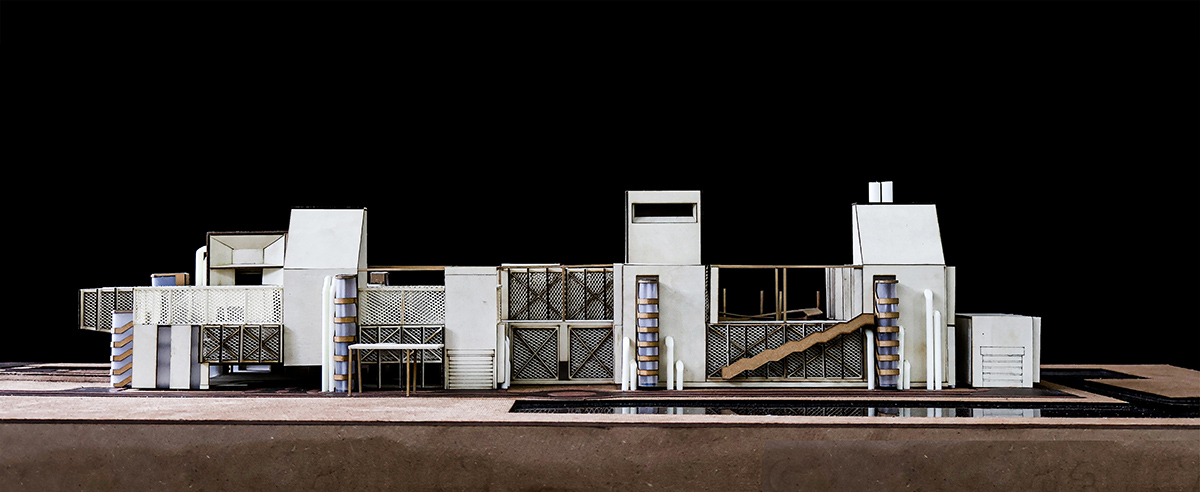
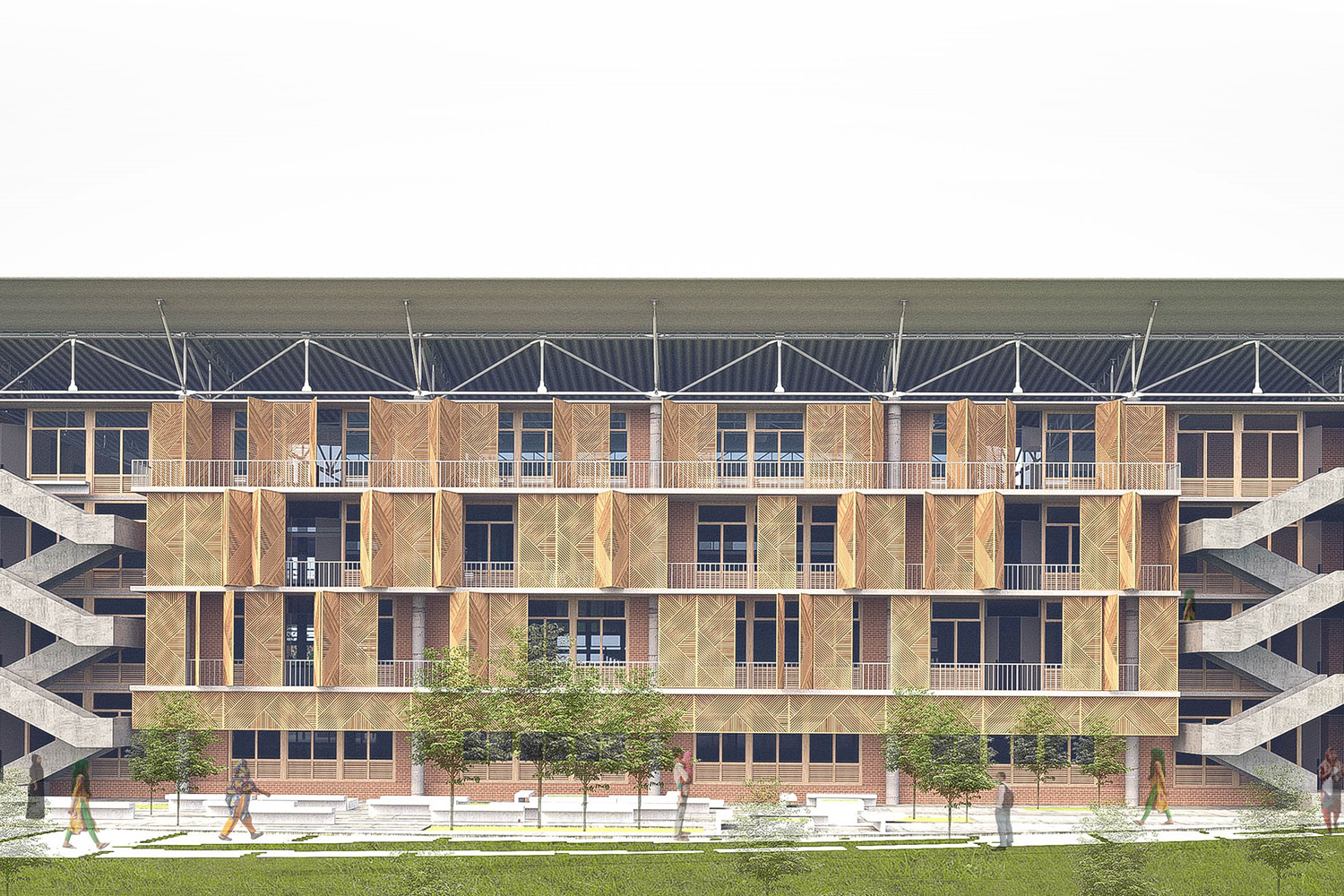
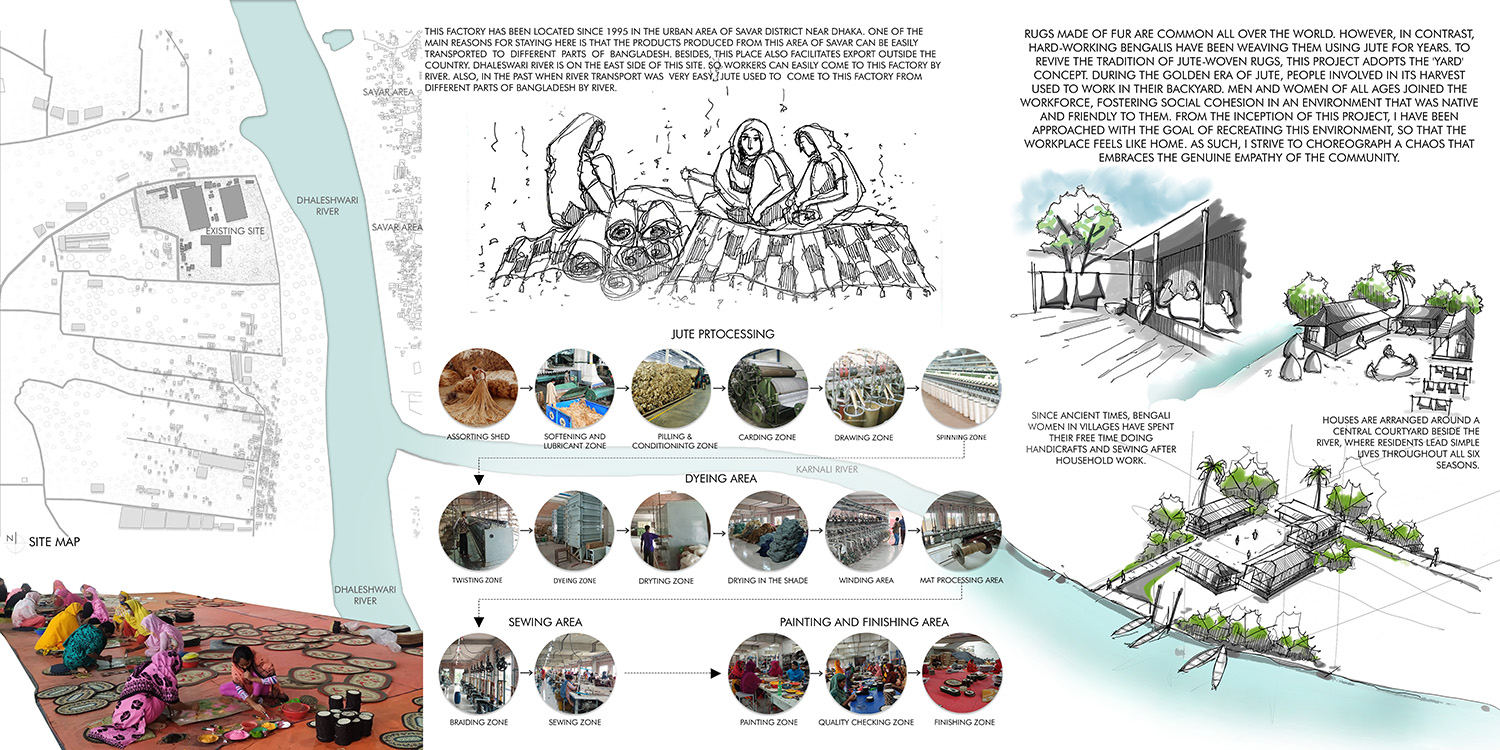
© Fahim Ashab Faroquee | CUET

© Fahim Ashab Faroquee | CUET

The focus of this studio project is to explore potential redesign options for the bridge construction yard situated at the Mawa end of the Padma Bridge. After the completion of the Padma Bridge project, the construction yard entered a new phase, transitioning from its role as an active construction site to a space ripe with possibilities for adaptive reuse. The 21.4 Acre site was chosen strategically to facilitate the construction process and ensure convenient access to the construction site. Currently, along with other establishments, the site contains a ‘Bridge Fabrication Shed’ on 6.01 Acre.

© Fahim Ashab Faroquee | CUET

© Fahim Ashab Faroquee | CUET

© Fahim Ashab Faroquee | CUET

© Fahim Ashab Faroquee | CUET

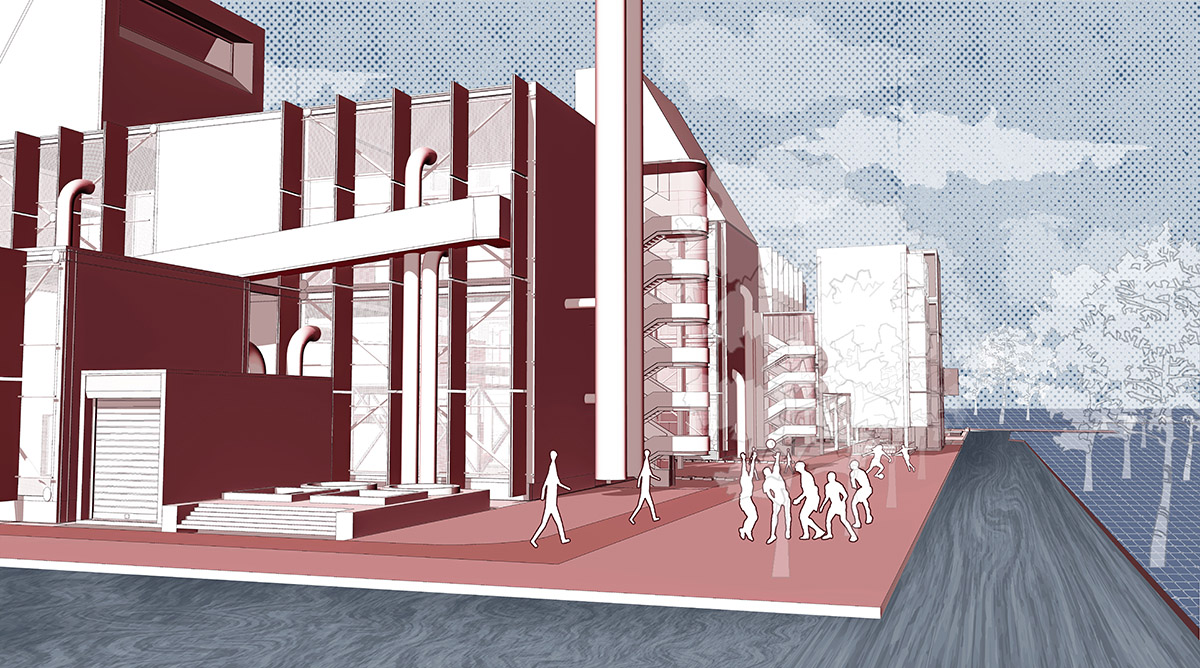
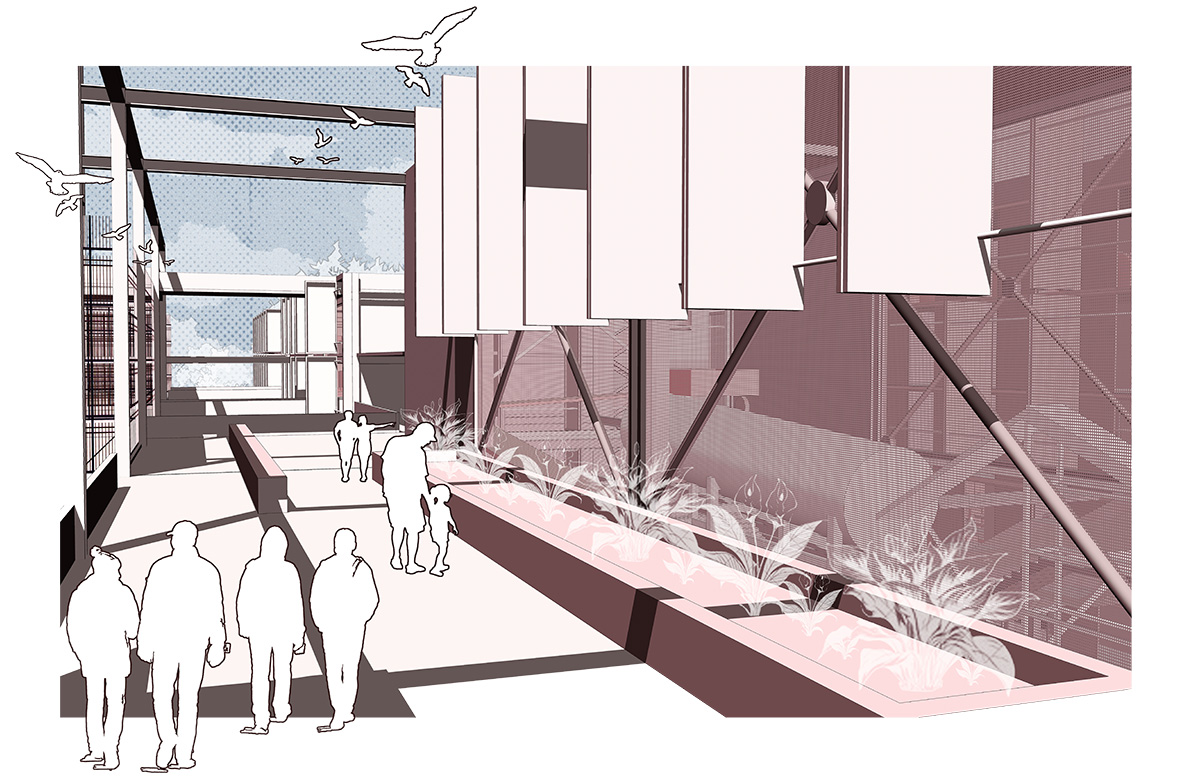
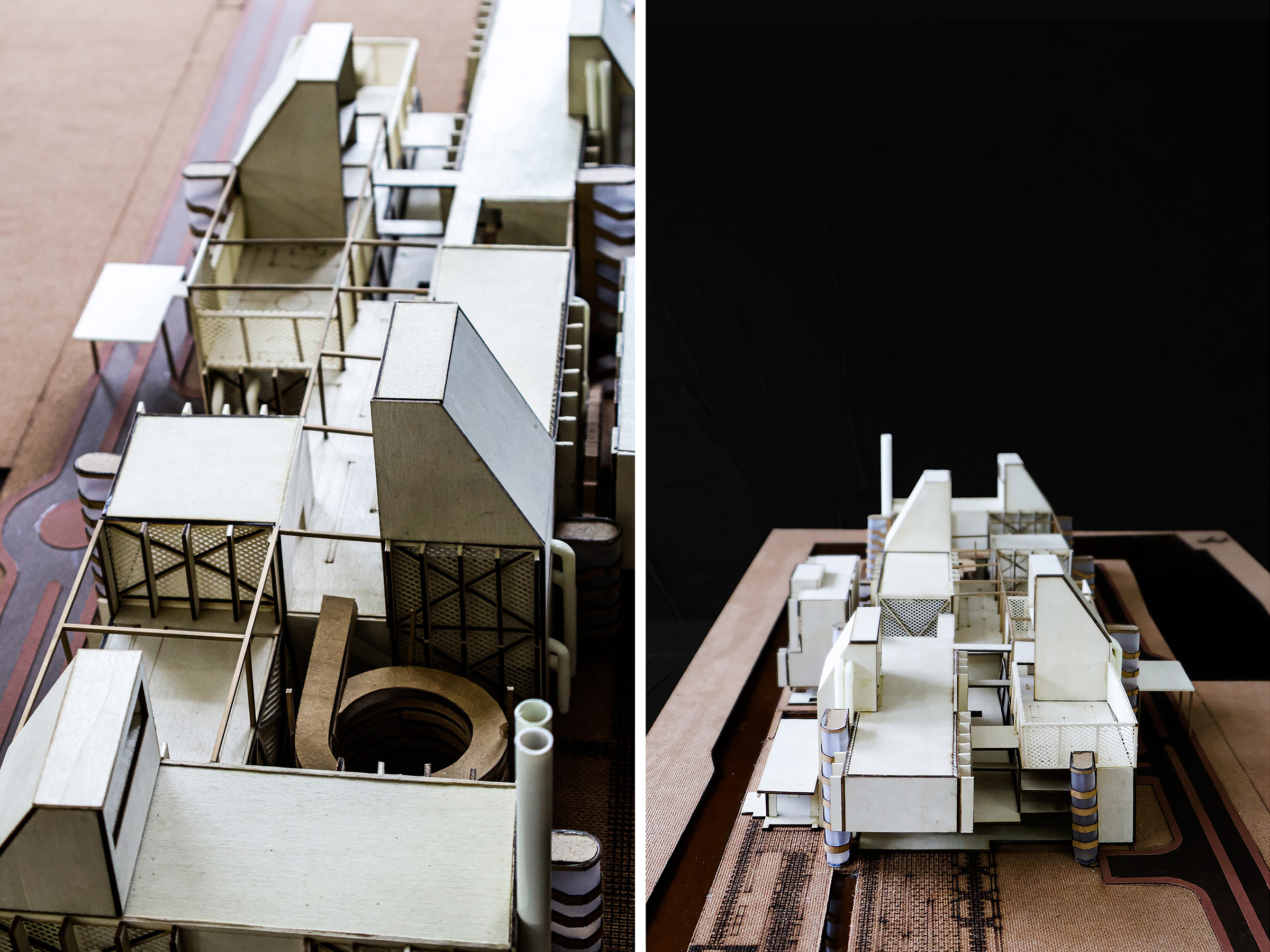
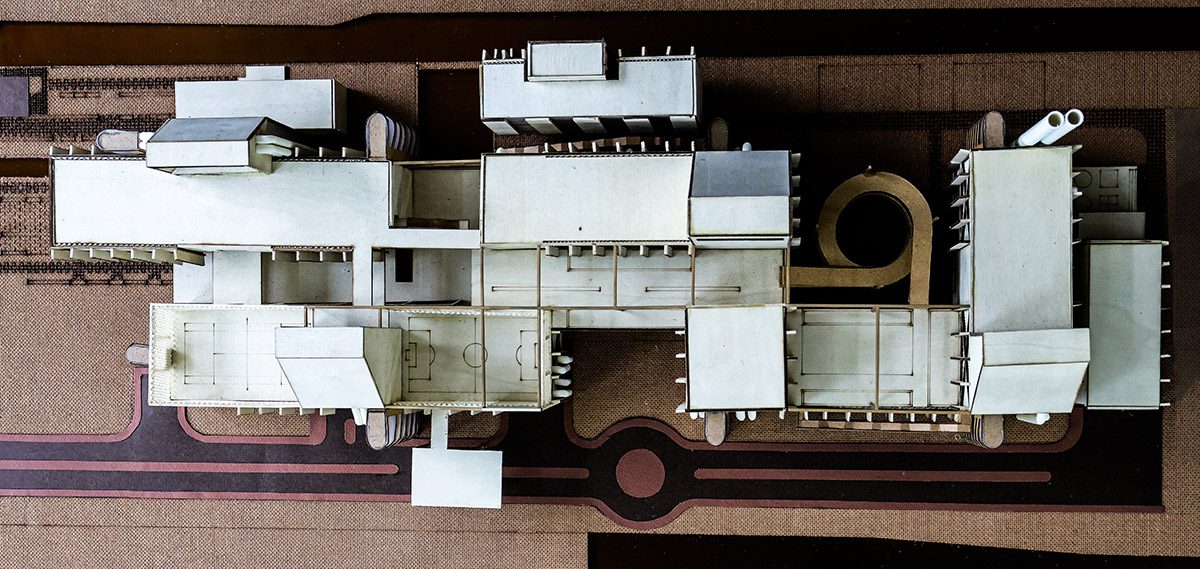
The project aims to reuse the bridge fabrication shed, giving it new life while also presenting the engaging story of the mighty Padma River and the Padma Bridge. The concept for the museum was inspired by the idea of reusing the existing shell of the Padma Bridge construction yard and by the dynamic nature of the Padma River. The museum galleries are designed to reflect the free-flowing shapes of charlands (riverine islands) produced by the river.

© Fahim Ashab Faroquee | CUET

© Fahim Ashab Faroquee | CUET

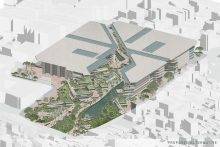
The masterplan integrates the museum complex with the surrounding landscape, creating a cohesive and inviting environment. A museum park is designed to enhance the visitor experience, offering outdoor spaces for relaxation, recreation, and public gatherings. The site layout includes separate entries for the museum and other functions, ensuring efficient circulation and visitor management. A public plaza serves as a focal point, providing a welcoming space for gatherings and events. Adequate parking and service drop-off areas are integrated into the site plan to ensure convenience and accessibility for visitors.

© Fahim Ashab Faroquee | CUET

© Fahim Ashab Faroquee | CUET

© Fahim Ashab Faroquee | CUET

The proposed Padma River-life Museum uses interactive exhibits, aquariums, and immersive installations to fully immerse visitors in the natural marvels of the river and highlight its rich flora and fauna. The museum also features fascinating boat exhibits that include a variety of modern and vintage riverboats, galleries of River Culture and Folklore, River History, River Ecology and River Bridges around the world. Adjacent to it, the museum exhibits the engineering features and the cultural significance of the bridge. The Padma Bridge Gallery features an open viewing deck that offers a stunning perspective of the majestic bridge. The research facility conducts studies and analysis related to the Padma River, exploring its ecological, cultural, and historical aspects.

© Fahim Ashab Faroquee | CUET

© Fahim Ashab Faroquee | CUET

© Fahim Ashab Faroquee | CUET

The project prioritizes sustainable design principles. The structural elements of the existing shed as well as the form factor were meticulously preserved, maintaining their structural integrity. A new structural grid layer applies to introduce additional floor areas while ensuring continuity and coherence in the design.

© Fahim Ashab Faroquee | CUET

© Fahim Ashab Faroquee | CUET

© Fahim Ashab Faroquee | CUET

© Fahim Ashab Faroquee | CUET

The design seamlessly integrates the existing industrial character of the site with contemporary architectural elements, resulting in a visually captivating and harmonious experience. By embracing adaptive reuse, the project not only honors the site’s history but also promotes sustainable practices by repurposing existing structures rather than engaging in wasteful demolition. This approach adds a unique and authentic charm to the museum, highlighting the interplay between old and new, and creating a space that celebrates both the past and the future.

Bunon – Kantha Sewing and Craft Training Center

Background:

Kantha sewing is a traditional art form that has been passed down for generations in Bangladesh. Women in rural areas are particularly skilled in this art form and have been using it to create beautiful, intricate designs on cloth for centuries. However, due to the lack of formal training opportunities, the art of Kantha sewing is in danger of dying out.

The Bunon project aims to address this issue by establishing a training center that will provide the necessary training and resources to preserve this traditional art form. The center will also provide a platform for local women to showcase their talents and sell their products, enabling them to earn a living and support their families.

© Md. Golam Mohiuddin

Ground floor plan © Md. Golam Mohiuddin

First-floor plan © Md. Golam Mohiuddin

© Md. Golam Mohiuddin

Design:

The center will feature a large workshop area where the women can learn and practice Kantha sewing and other crafts. Additionally, the center will offer a work exchange accommodation program for families from remote areas who work during the potato picking season. The accommodations will be located in a separate building, providing a safe and comfortable living environment for the families. The center will also have a communal area where the women can communicate and entertain while working together. This space will promote social interaction and a sense of community among the women.

The center will be built on the canal bank to take advantage of the scenic location, but the design will incorporate measures to protect the building from erosion. For example, the center’s foundation will be designed to withstand the heavy flooding that occurs in the area during the monsoon season. Further, it will be designed using local wood and tin construction techniques, which are readily available and cost-effective. The modular design will allow for easy disassembly and shifting, which is essential due to the heavy erosion in the area.

© Md. Golam Mohiuddin

North elevation © Md. Golam Mohiuddin

Section AA © Md. Golam Mohiuddin

© Md. Golam Mohiuddin

Sustainability:

The center’s sustainable design incorporates locally sourced materials, rainwater harvesting, and a focus on reducing environmental impact. Using local construction techniques will reduce the project’s carbon footprint and help support the local economy.

Additionally, the modular design of the center will allow for easy disassembly and shifting, which will minimize waste and save resources. The center will also incorporate rainwater harvesting to reduce its reliance on municipal resources.

© Md. Golam Mohiuddin

© Md. Golam Mohiuddin

From a socio-economic perspective, the training center can potentially have a significant impact on the local community by providing a platform for local women to earn a living. The center will also contribute to the local economy by using locally sourced materials and providing work exchange opportunities.

The center’s communal space will promote social interaction and a sense of community among the women, which is essential for their mental and emotional well-being. Additionally, the project’s sustainable practices will help reduce its environmental impact and contribute to a healthier planet.

By providing formal training, resources, and a platform for showcasing and selling products, the Bunon project addresses the risk of the art form dying out and empowers local women to support their families. The project’s work exchange accommodation program and communal space will promote social interaction and a sense of community among the women, which is essential for their well-being.

© Md. Golam Mohiuddin