
Tessellate Assembly: An Interwoven Urban Field for Living, Making and Gathering

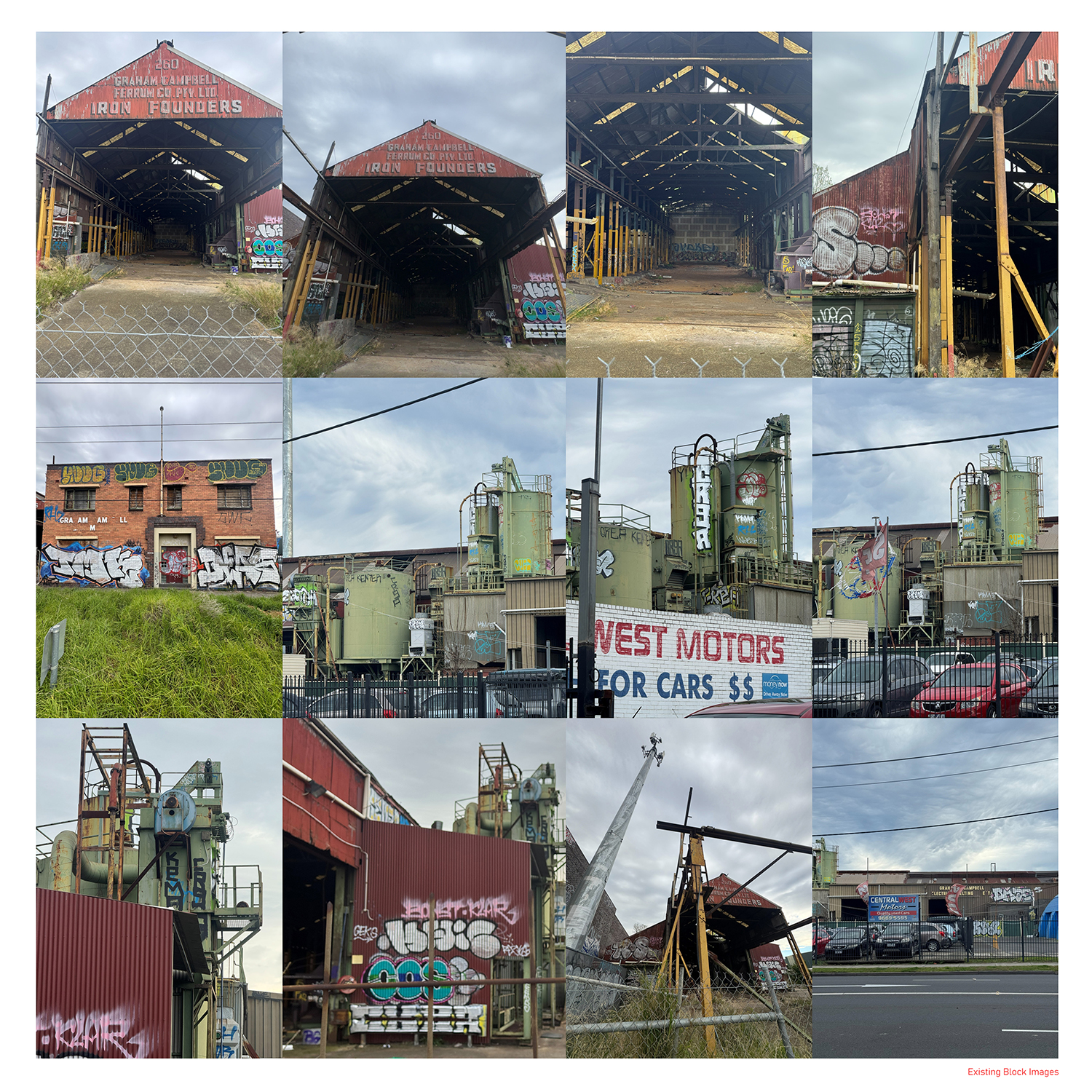
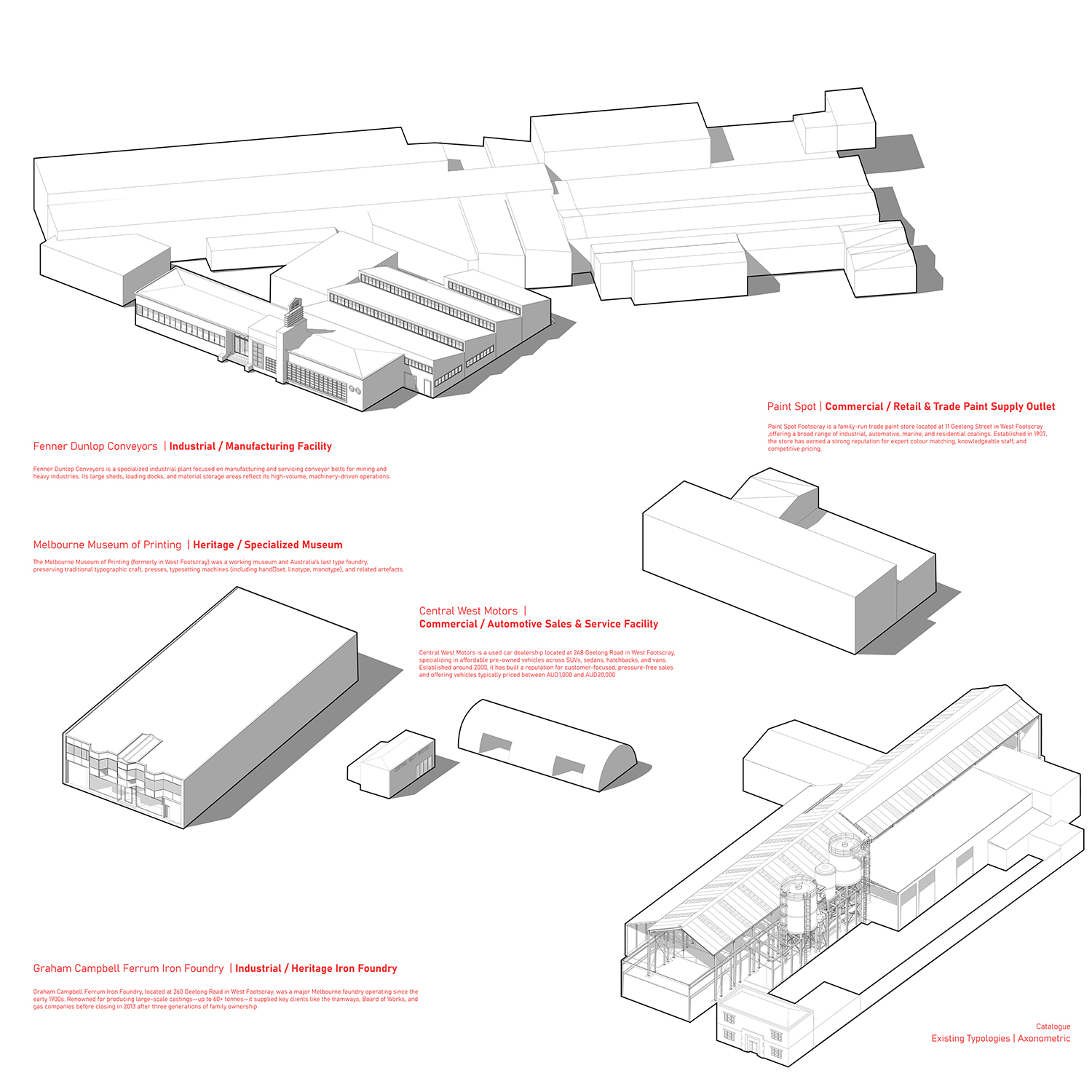
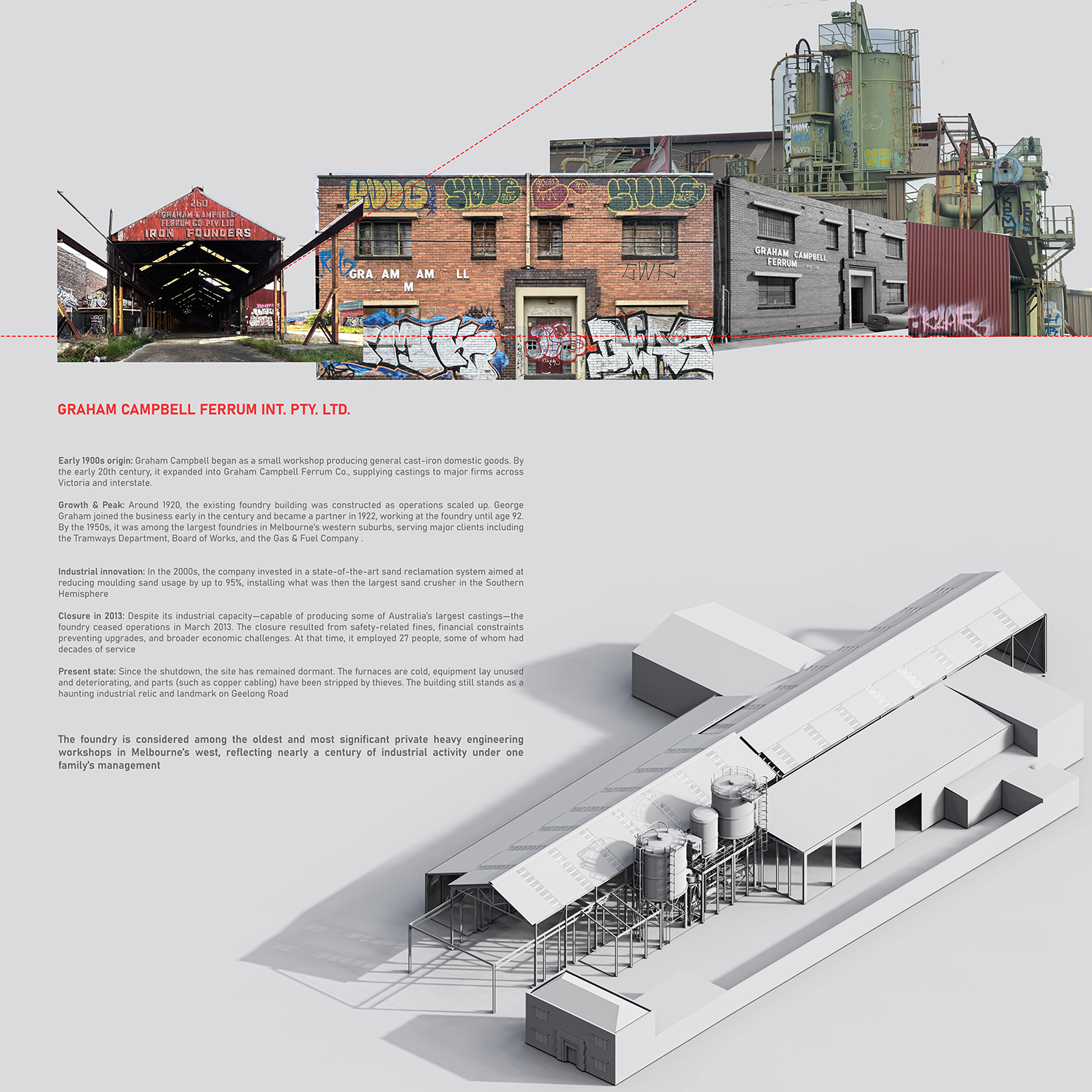
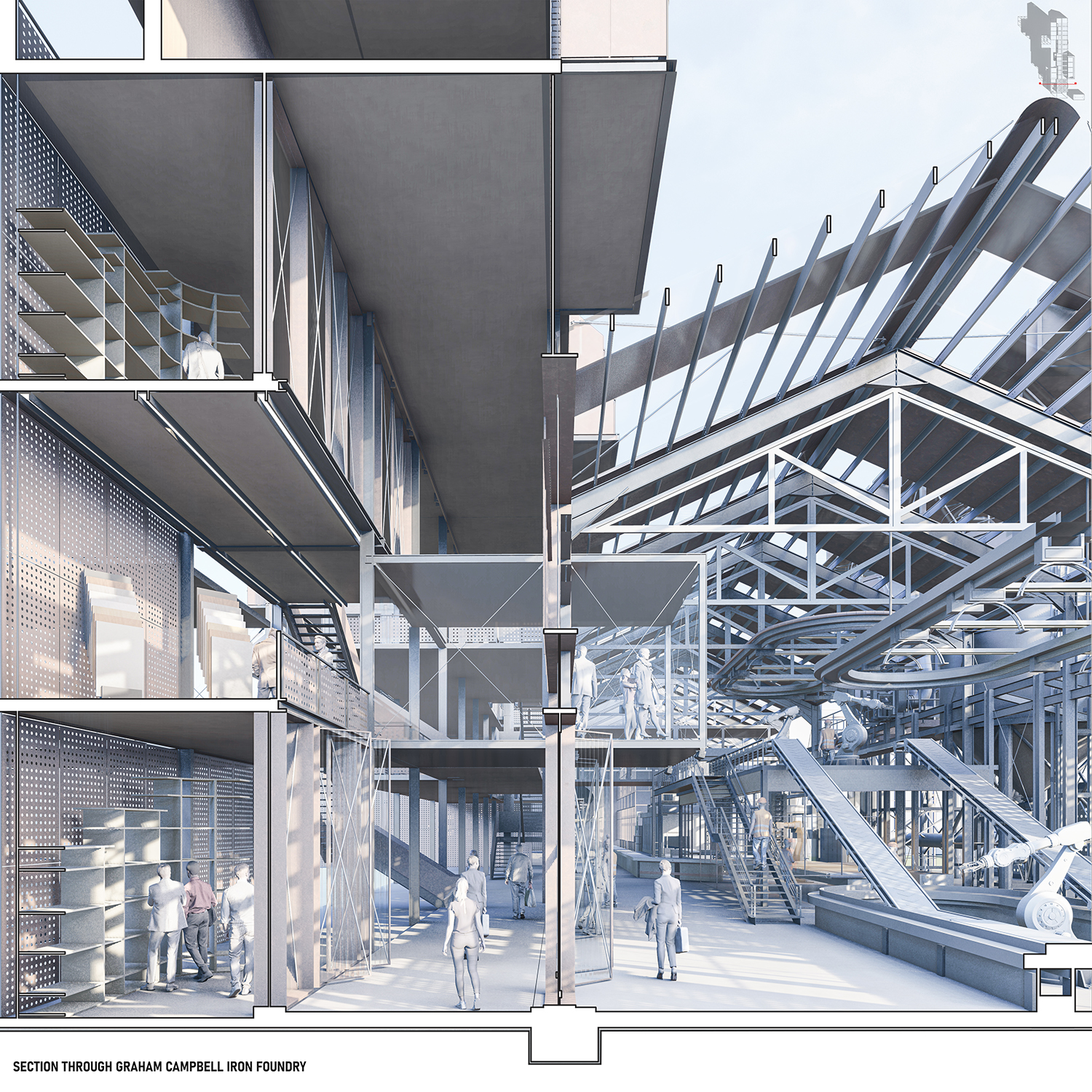
Tessellate Assembly proposes an urban block where the functions of living, working, and visiting interweave through memory, making, and spatial adaptability. Set within the industrial fabric of West Footscray, the project revitalizes two abandoned heritage sites -the Graham Campbell Iron Foundry and the closed Melbourne Museum of Printing, not as isolated architectural relics, but as productive civic anchors within a newly assembled block.
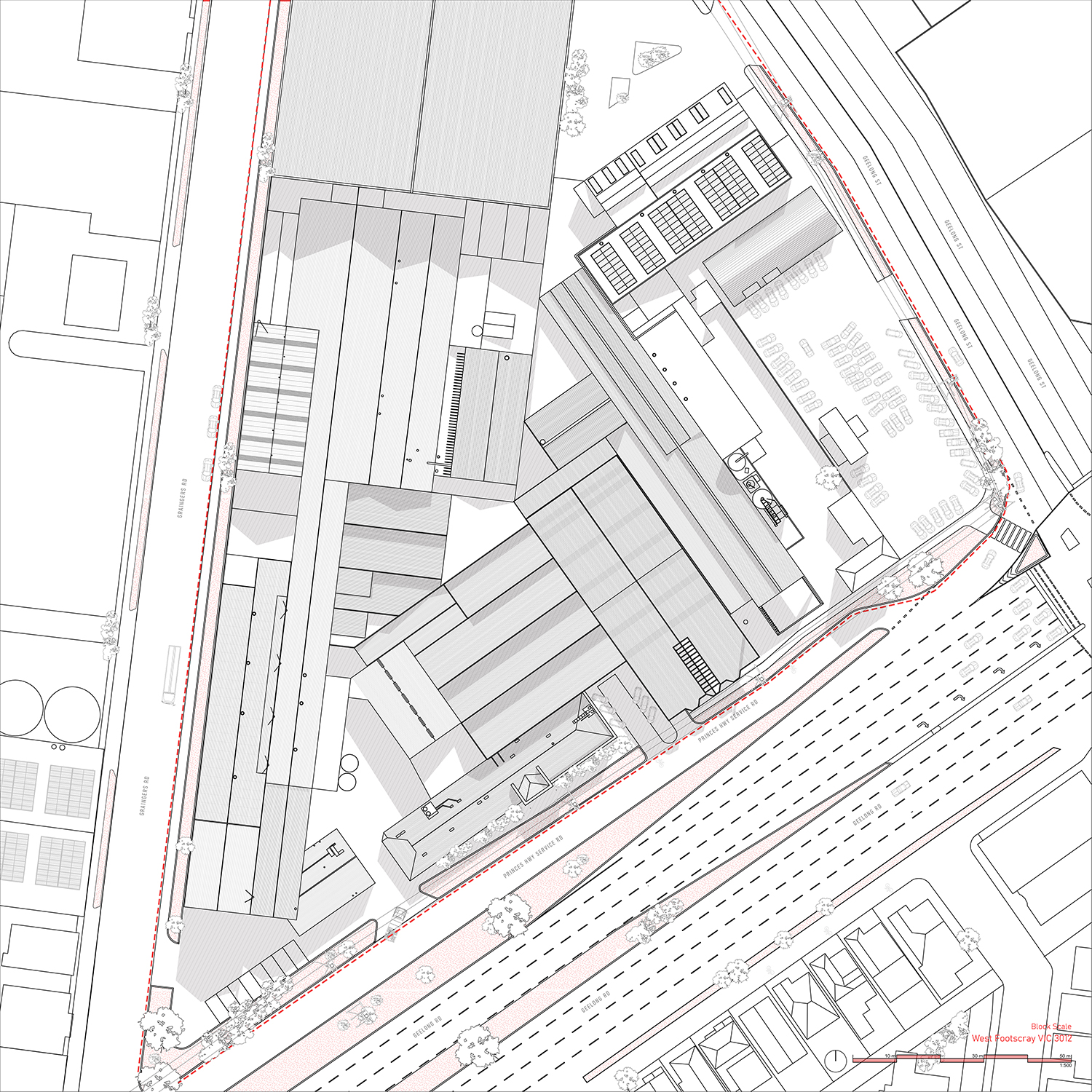

The strategy centers on tessellation, a logic of interlocking responsive parts. Each building in the block supports at least two distinct program types, and all are interconnected via transitional zones, shared pockets, and open circulation. Rather than imposing rigid zoning, the project introduces programmatic gradients, where housing overlooks workshops, galleries blur into fabrication spaces, and industrial production becomes part of the public life of the city.


The foundry is transformed into a recycled materials hub, while the museum becomes a contemporary education and printmaking center. In doing so, the project doesn’t merely preserve the old, it activates it. Traditional printing presses are juxtaposed with CNC mills; movable typefaces with digital laser etching. The new Manufacturing Core showcases a hybrid printing culture where visitors can witness both the process and evolution of printing, bridging analog heritage with digital fabrication.


A key architectural gesture is the gridded structural frame, a productive scaffold that both extends and echoes the site’s former industrial tectonics. It supports new volumes, hanging gardens, and open courtyards that foster collaboration between artisans, educators, residents, and visitors. The Living Strip, running above, integrates housing with urban farming via rooftop greenhouses, allowing makers to live and grow within the same environment they work in.
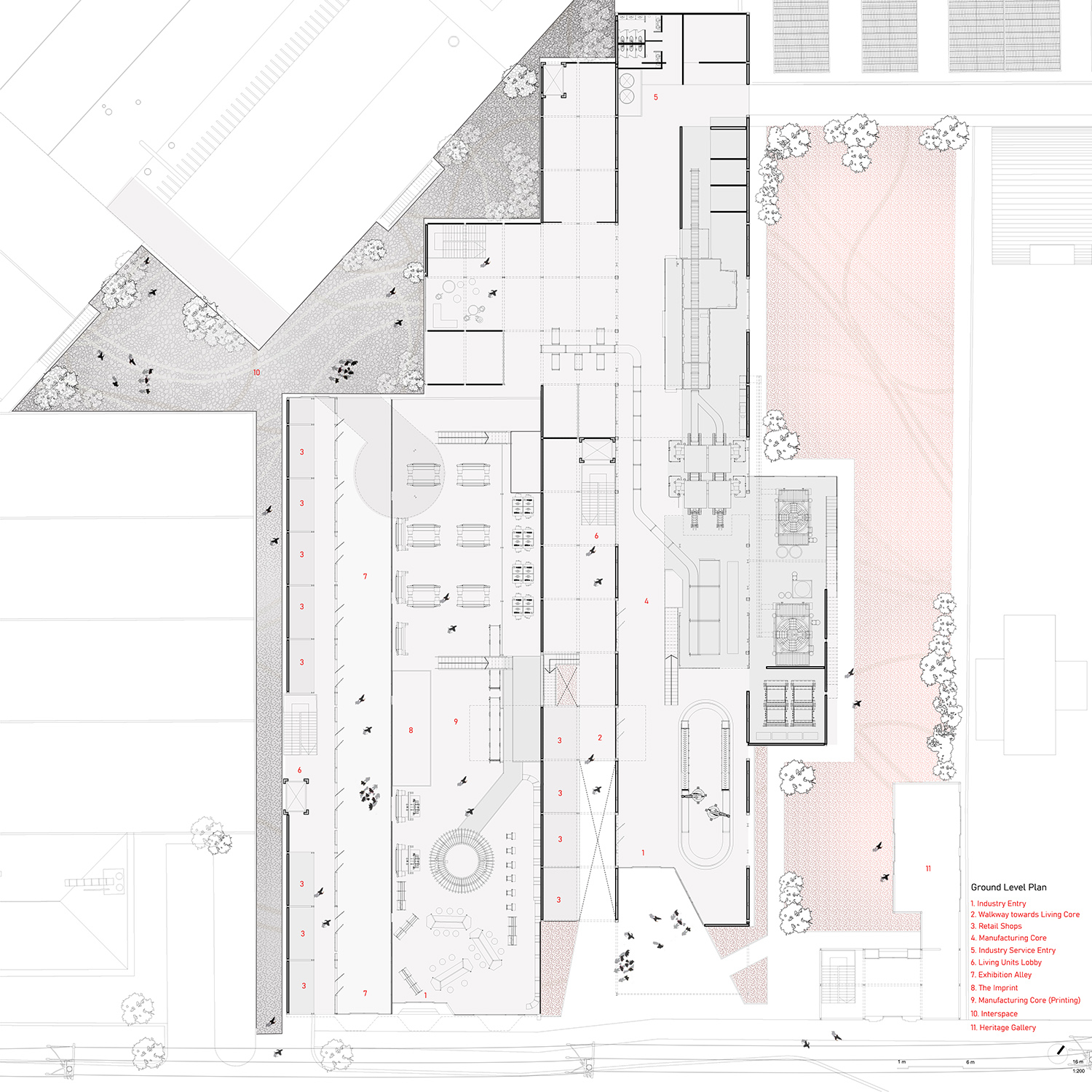
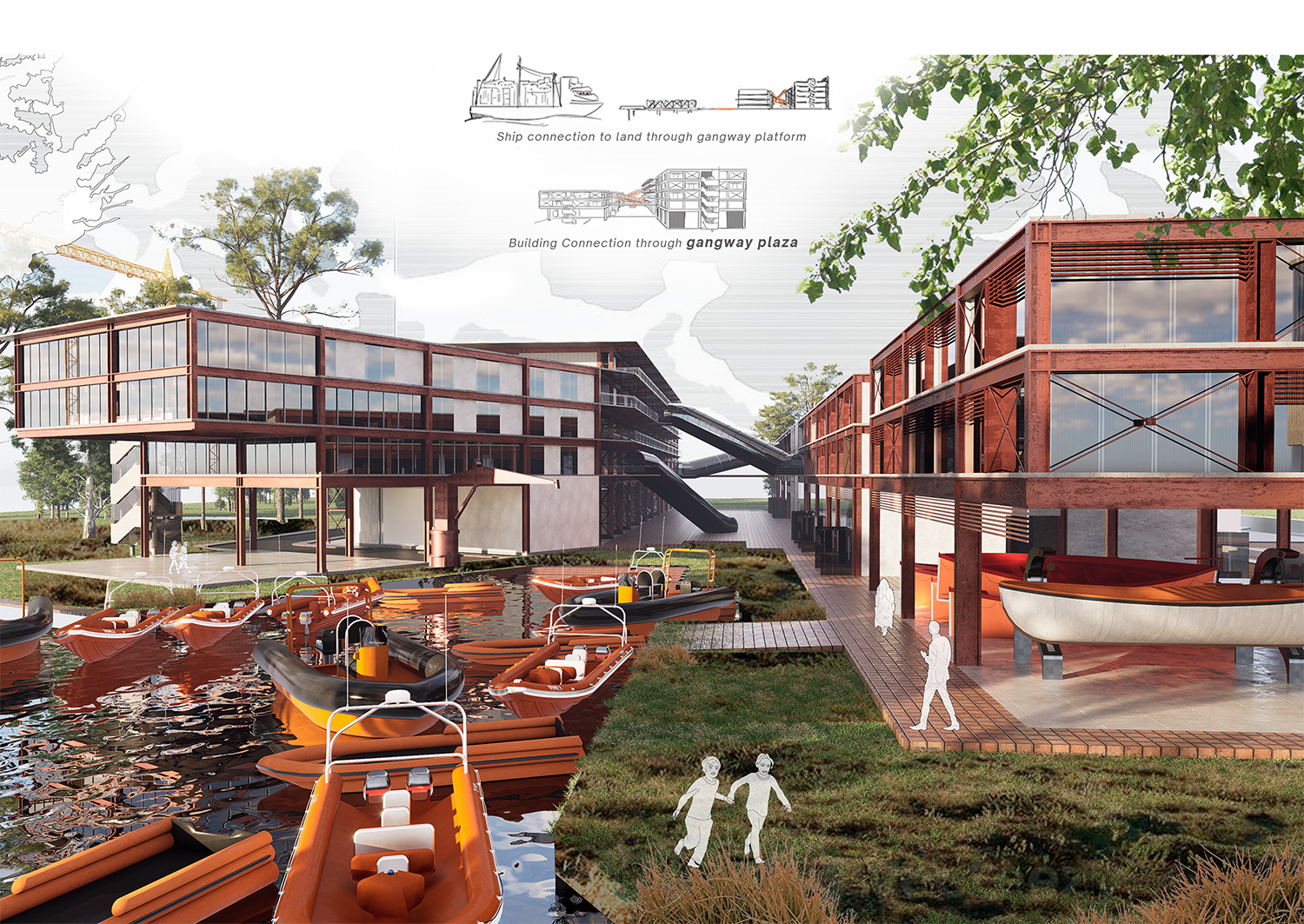
At the heart of the block lies a collective landscape that is publicly accessible from all sides. It functions as both ecological condenser and social gathering ground, acting as a soft edge between buildings and programs. The landscape is not ornamental but it is productive, edible, and performative.


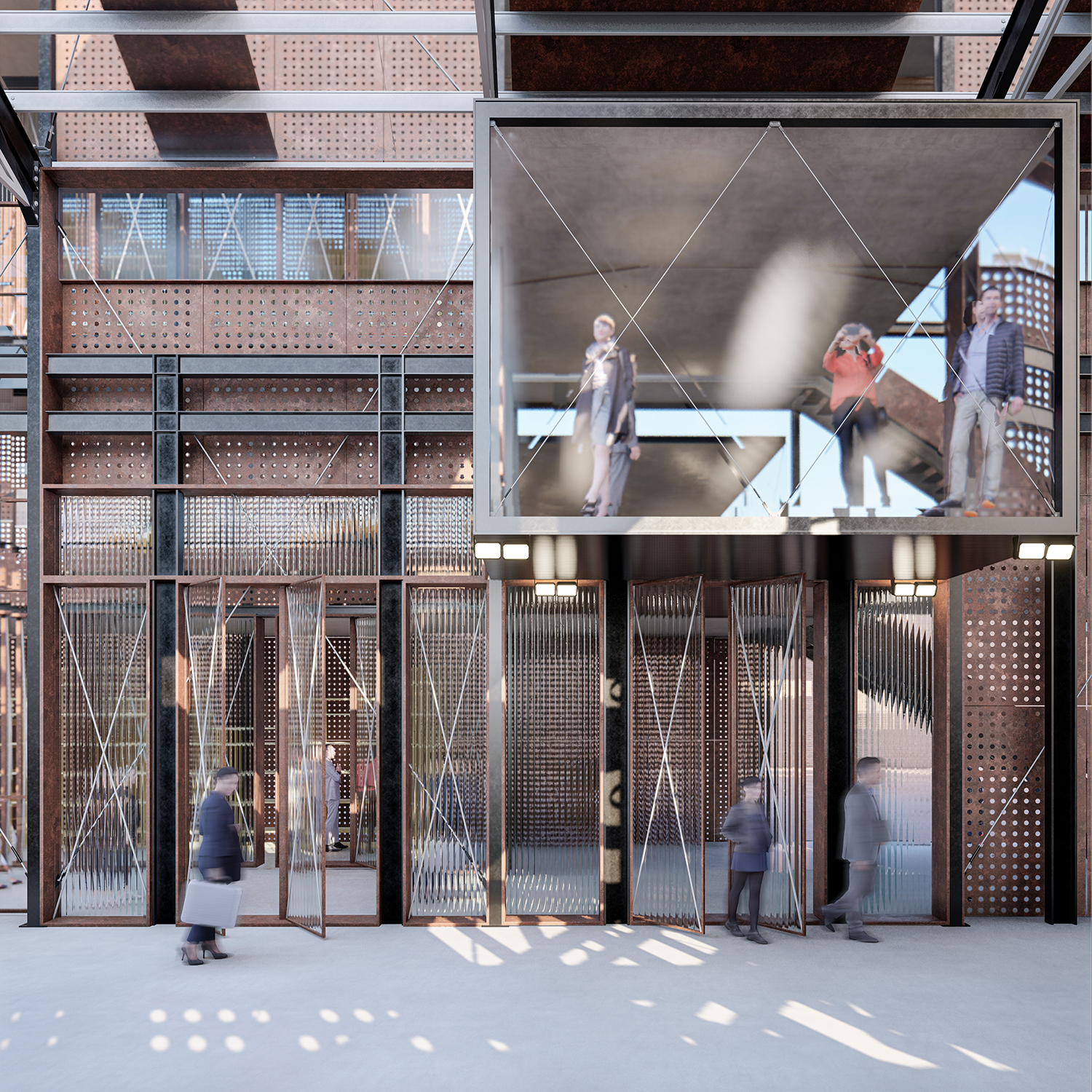

Tessellate Assembly draws from the logic of assemblage theory and rejects fixed masterplanning. Instead, it imagines a civic framework that is adaptable over time. Architecture becomes not an object, but a field condition, an interwoven network of transitions, overlaps, and potentialities.
In this speculative future, production is not hidden behind walls but made visible. Heritage is not isolated in museums, but lives on through craft, engagement, and education. And architecture becomes the stitching ground where memory, labor, and dwelling are braided together, enabling new forms of civic life.


PEOPLE ALSO VIEW


Printed Publications

NEXT 50: Collective Futures

ASPIRATIONS AND IDEAS: Designing with Context