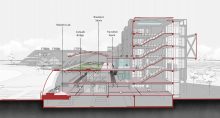
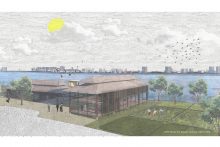
The proposed Robotics and AI Innovation Lab in Purbachal is an ultra-modern techno institute designed to facilitate cutting-edge Artificial Intelligence (AI) and Robotics researches and to inspire the young minds dedicated to the ICT-based industry of our country.
The core of the conceptual idea came from the hypothetical future situation of the possible conflict between Humans & Robots regarding the superiority issue. How the future world would look like? Is “Robot Invasion” or “AI Takeover” can be a possibility in near future? Is it possible to make a successful co-existence for both mankind and their own creation robots & automation? For this project, to conceptualize the spaces provided for both humans and robots, the answer should be always “Consilience and Companionship”, a facility needs to be designed where priorities will be set for both human comfort and technical considerations for robot making.
The selected site area is 14 acres and is surrounded by Narsunda River on the southeast side. There’s a 100 feet wide road on the west side that connects with the ‘helicopterchottor’ & there’s a 75 feet wide road on the south side also. The three major primary functions are: the academic block, the laboratory block and the dormitory block for the researcher. The academic block is placed in the north-south direction so that this particular orientation can provide the maximum amount of light and air ventilation throughout the year. The laboratory block is placed in the east-west direction so that it can get the maximum river view from the different types of labs. The dormitory block for accommodating the researchers is adjacent to the laboratory block. The building masses are facing the green landscape in front. These building masses are placed in a way so that they can get maximum exposure to the river.
The common ‘admin and faculty block’ is connecting both the academic and the research laboratory building. The research laboratory building is divided into two parts: One part is the lab functions with an open floor plan facing the riverside and the other part is the research department behind the labs with a common connection. The warehouse on one side of the building serves as a products storage for the labs. The design development is carefully handled by taking into consideration of site forces, road accessibilities, functions and service flow, and context. Nonetheless, consideration is given to compact massing in relation to the solid-void of the form. The design has prioritized both the natural and technical context in its space formation. The front plaza, deck near the river and arena space connecting the surrounding landscape will remain active all the time. All the labs, offices and academic blocks are designed to take benefits from daylight and natural ventilation. They offer wide-open view of the green and river, thus ensuring the proper space quality for collaborative research works and activities.
The ‘technical part’ is based on mainly 3 design principles-Motion, Energy, and Intelligence. The first step is to ensure the functional flow of a prototype making. For this, the whole process should be systematic and continuous without any interruption. That’s why the activity of the lab block is designed on the ground floor level while the major circulation for lab users is separated on the upper floor. The prototype will be started in the mechanical lab. After body making it will be sent to the electrical lab for power sourcing and then simulation lab. Finally, it will be assembled in the assemble room. The ground floor of the lab facility is an open free floor space where each lab has its separate areas and all the labs can be used as a single lab space. The upper catwalk bridge will be used for the major circulation of lab users so that they can monitor all the lab activities from the upper level without interrupting anything. The lab block is separated from the other functions by the sensor-controlled glass partition. This will provide the controlled temperature particularly required for the specific lab space. The firefighting system is also provided, sprinklers are installed in the lab ceiling in case of fire along with the air-conditioning ducts and ceiling lights.
The ‘natural part’ is also based on 3 design principles-Daylighting, Water proximity & Green adequacy. “Daylight is circadian-effective & triggers positive emotional, attitudinal and cognitive response in the individual” – (Strong, 2012). In a workspace like this, people need a space to relax and rest, to lessen their stress and tiredness. Water proximity in the workspace is the best way to do so. The sound and wave of water flow help to reduce mental stress. So, some water walls have been installed in both interior transitional spaces and adjacent to the exterior facades. Uplifted green terraces, open breakout spaces and green buffer spaces are introduced here to enhance the green adequacy. According to the World Green Building Council “Proximity to natural elements such as greenery and open sunlight was associated with 15% improved wellbeing and creativity and 6% of higher productivity”
This project is specifically designed to be an example of how nature & technology can merge together so that it can bring the best possible outcome in the future.
Karnaphuli river that passes through the Chattogram City is the largest and most important river in the south-eastern region of Bangladesh. Various activities take place along the numerous ghats of Karnaphuli river. It connects the city with both the seaport and airport. Understanding its significance for inland water transport, Chittagong Port Authority (CPA) undertook a project including the construction of water bus terminals to facilitate a smoother waterway cruise.
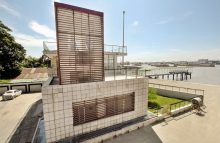
Initially set to be designed as a rest house cum water transport station, later the project was decided to be made open to the public by the architects. To implement the latter proposal, facilities like food courts and other refreshment areas were introduced on the riverside. Further, the transparency and openness of the public zone allow the passenger to enjoy the river view while waiting for their water buses. The waiting lounge on the ground floor leads to an intimate outdoor space that is further connected to an open to sky food court deck. Whereas, on the upper floor, functions such as VIP lounge, restroom, spacious open to sky terrace along with essential service areas are located. The simplistic approach to create harmony between nature and functions through the formation of flexible spaces is one of the main highlights of the project.
Atik Ishrak Chowdhury & Mohaimin Ali Khan | CONTEXT
On the 3rd of July, the architecture student community of Bangladesh celebrated their achievements in the ACGSA design competition 2021 themed “Designing for Resilience to the Changing Environment.” The competition was jointly organized by Architects Regional Council Asia (ARCASIA) and the Society of Nepalese Architects (SONA) involving 21 Asian countries. Students and professional architects from the member institutes were invited to participate in the competition. In the Student Category, groups of students from Shahjalal University of Science & Technology (SUST) and Ahsanullah University of Science & Technology (AUST) have won First and Third place respectively.
The project “উঠানবাড়ি” by Md. Ferdous Rahman, Ashefa Washema Basure & Fatema Tuz Zohora from SUST won the First position. Another entry titled “কল্পতরু” by Farhana Chowdhury, Md. Tanveer Bashar Uday, Naila Alam, Shahriar Kabir from AUST secured the Third position.
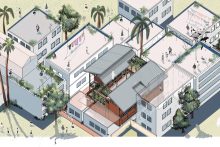
The goal of the “উঠানবাড়ি” (The Courtyard House) project was to transform the living space of the “Urban Poor” into a home resilient to climatic and health crisis. “Void as a heart of an ideal interactive community”- was the motto of the design project. Daily activities of the households were designed around the courtyard. Two types of dwelling modules were proposed to facilitate quarantine in compact living conditions. In Module 1, the bedroom with an attached toilet can turn into an isolation room for a patient and the other room can be used for non-affected family members. Module 2 is a small room with an “attic”. A patient can stay in the lower level with a toilet facility, while the attic space can be used for the non-affected members. The provision of a common toilet near the main entrance performs as a “filter zone”, and the roof garden as a relaxation zone.
The proposal “কল্পতরু ” advocated a therapeutic ‘green’ approach to design a multi-storied apartment building in urban areas where the risk of COVID exposure is relatively higher. “কল্পতরু ” means an imaginary tree which represents the concept ‘Recall the forest to heal the planet.’ Vertical ‘green’ walls, roof gardens, water features, etc. were introduced as healing elements.
The competition was announced on the 12th of May 2021. The winners were chosen in three rounds from among the 73 entries. On 12-13th June, the shortlisted 7 teams presented their project in front of the International Jury Board on the Zoom platform.
Team উঠানবাড়ি (First Place)
Md. Ferdous Rahman, Ashefa Washema Basure & Fatema Tuz Zohora
আজকে ঠিক করেছি তোমাকে আমার ছোটবেলার গল্প শোনাব। প্রযুক্তির অতিব্যবহার ছাড়াই সময়টা আমাদের কেমন করে কাটত সেই গল্প।বাড়ির একমাত্র মেয়ে হওয়ায় একা একা থাকতে মোটেও ভাল লাগতো না। তাই ছোটবেলায় মামাবাড়ি যাওয়ার জন্য যখন-তখন বায়না ধরতাম মায়ের কাছে। গাইবান্ধা থেকে বগুড়া দুই ঘন্টার রাস্তা মাত্র। ঢুলু ঢুলু চোখ নিয়ে যখন ভোরের ট্রেনে রওনা দিতাম,অর্ধেক রাস্তা আমার মায়ের কোলে মাথা রেখে ঘুমিয়েই পেরিয়ে যেত। মামাবাড়ি বগুড়া ছেড়েও প্রায় ৫-৬ টা স্টেশন পরে ছিল, জায়গার নাম নশরতপুর। বগুড়া আসতে না আসতেই লোকজনের সমাগমে ঘুম ভাঙতো আমার কেননা মানুষ বেশিরভাগ বগুড়াতেই নেমে পড়ত। বগুড়া পার হতেই দেখা যেত তালগাছ আর খেজুর গাছ, সম্ভবত মাটির কারণে পরিবেশের এই পরিবর্তনটা,কেননা এর আগের স্টেশনেও এই গাছগুলোর তেমন দেখা মিলত না।আমার তো ছোটবেলায় ধারণা ছিল তালগাছ- খেজুর গাছ খালি আমার মামাবাড়ির এলাকাতেই পাওয়া যায়।মনে হত গাছগুলো ট্রেনের সাথে সমান তালে ছুটছে পাল্লা দিয়ে।
স্টেশন থেকে মাত্র ২ মিনিট লাগত আমার মামাবাড়ি।মাটির দোতলা ভবনে অনেকগুলো ঘরে একান্নবর্তী পরিবার নিয়ে ছিল আমার মামাবাড়ি, সারাক্ষণ মানুষ দিয়ে বাড়িটা কেমন গমগম করতো। আমাদের ভাই-বোনদের বড় সুবিধা ছিল লুকচুড়ি খেলার। বাড়ি ফিরতে না চাইলেই লুকিয়ে থাকতাম কোন এক কোণায় কিংবা ঝোপের আড়ালে।আমার নানাভাইয়ের বাবার গাছের শখ ছিল, সেই সুবাদে বাড়ির ভেতর-বাহিরে গাছের কমতি ছিল না। আমাকে খুঁজতে খুঁজতেই ট্রেন ফেইল,ব্যাস্ আরো একদিন পিছিয়ে যেত বাড়ি ফেরার! মাটির ঘরের আরাম হচ্ছে গরমের দিনে ঘর থাকে ঠান্ডা আর শীতের দিনে থাকে গরম। শীতে আমরা ভাই-বোনরা সব একসাথে লেপের নিচে শুয়ে বসে আড্ডা দিতাম, চা-মুড়ি খেতাম। নানাবাড়ির সবথেকে যে অংশটা মজা লাগত আমার, রান্না ঘরের নিচে নানীর মুরগীর ঘর ছিল। মাচা সিস্টেম,উপরে রান্নাঘর আর নিচে মুরগীর ঘর। কেমন অদ্ভুত লাগতো দেখতে! সকালে নানী ওপর থেকে গেটটা টানতো আর সব মুরগী এক সাথে দিত ছুট। দেখার মত দৃশ্য সেটা।
বাড়ির থেকে দুই পা বাড়ালেই ছিল বিশাল বড় এক চাতাল। ধান শুকাতো সবাই সেখানে।আর আমাদের জন্য ওটাই ছিল খেলার মাঠ। আমরা ভাই-বোনরা একটা খেলা খেলতাম, দুপুরে যখন চাতাল রোদের তাপে কড়াইয়ের তাওয়ার মত গরম হয়ে উঠত,তখন আমরা খালি পায়ে চাতালে দৌড় দিতাম একসাথে,কে কতক্ষন থাকতে পারত এটাই খেলা। শীতের সকালে চাতালে বসে রোদ তাপাতাম আর নানীর হাতের পিঠে দিয়ে নাস্তা করতাম সব একসাথে বসে,আর সাথে থাকতো খেজুরের রস। একটু দুপুর হলেই করতাম কি সব বাচ্চা কাচ্চা মিলে পানি এনে রোদে রাখতাম আর পানি একটু গরম হলেই পানি ছিটিয়ে ছিটিয়ে একসাথে চাতালে গোসল করতাম। বিকেল হলেই দেখতাম মামি-নানিরা কাঁথা সেলাই করতে বসতো একসাথে। ঘন্টার পর ঘন্টা আড্ডা দিত ওরা। আর আমরা পিচ্চি বাহিনীরা গরমের সময়, রাতের বেলা মাদুর পেতে রাতে শুয়ে রাজ্যের গল্প করতাম, আকাশ দেখতাম, তারা গুনতাম আর খুঁনসুটিতে মেতে উঠতাম। তালের দিনে নানা কি করত, ভোর বেলা আমাদের ছোটদের ঘুম থেকে তুলে নিয়ে যেত তাল কুড়োতে। আমরা রেললাইন এর পাশে রাস্তা ধরে হইহই করতে করতে বের হতাম ভোরের আবছা আলোয় তাল পাবার আশায়। চাতালের পড়েই ছিল এক মস্ত বড় পুকুর। পুকুরের পাড় ধরে অনেকগুলো গাছ কেমন পানির উপর নুইয়ে থাকতো। দিনের বেলাতেও গাছের ছায়ায় পানি কেমন কালো হয়ে থাকতো। পুকুরের এক পাশে লাল শাপলা ফুটতো। হাতে গোনা যায় কয়েকটা মাত্র ফুটতো বলে আমরা কখনই তুলতাম না, নানার কড়া বারণ ছিল। সাঁতার প্রতিযোগিতা হতো কিন্তু আমি কখনোই সেই প্রতিযোগিতা জিততে পারি নাই কারণ আমি সাঁতারই জানতাম না।হা হা হা।
বাকিটা আর এক চিঠিতে লিখব আরেক দিন কেমন দীদুন?
ইতি,
তোমার দিদামণি।
প্রেরক: অনামিকা সাহা কথা
বি. এ. ইংলিশ, শাহজালাল বিজ্ঞান ও প্রযুক্তি বিশ্ববিদ্যালয়
Today I will tell you about my childhood that how we used to spend our days without even using technology. Sounds interesting? Being the only child of our house, I often got bored and insisted my mom to take me to my granny’s house. It takes only two hours from Gaibandha to Bogra. I would get on the train with sleepy eyes since we had to catch the very first train at dawn. I loved to spend half the pathway sleeping on my mom’s lap. Granny’s house was located five or six stations past Bogra, named Nashratpur. I would wake up to the racket of the people because most of them would get off in Bogra. It was always a wonder to me to notice the Palmyra trees and Date Palms more frequently as soon as we passed Bogra. This may be due to the local soil, as it felt wired to me as a child that how those trees cannot be seen even between Bogra and its prior station. It felt delighting as if the trees were running after us to keep pace with the moving train.
My granny’s house was two minutes away from the station. It was a two-storey clay-house occupied by the members of extended family. We children took the advantage of playing hide-and-seek fully in that big house. My great-grandfather cherished a hobby of planting trees, and there were thereby so many trees and bushes everywhere. I often tricked my mom hiding in such places to have us missed the return train. One great aspect of living in a mud-house is that it remains cooler in Summer and warmer in Winter. We loved to gossip on the bed under a blanket and have snacks all together during the chillier weather. What the funniest part of the house seemed to me is my granny’s kitchen; platforming the upper part as her kitchen and the base as a chicken coop. To me, it was a spectacular sight watching the chickens bustling everywhere just the moment my grandmother let them go.
There was a big paved yard called “Chatal” just two steps away from the house. Folk dried out their grains on it. Though it was a giant playground for the children. During the scorching days, enduring the heat of the paved floor barefooted as long as one can be was one of our favourite games. In winter mornings, we would sit basking in the sun and have our breakfast with granny’s handmade cake and date juice. Around midday, we would carry the buckets full of water and wait until the water gets warmer and then we would drench ourselves splashing each other. The female members could spend hour after hour sewing and gossiping sitting in the yard. During the warmer nights, we would spread out a carpet over the patio and watch the night sky, count the stars, and let ourselves lose in the world of fantasy. During the days of palm fruits, grandfather would wake us up at dawn. We would collect palms by the railway side larking in the dusky light. A huge pond was there adjoining the yard where the trees on the verge stood stooping over the water. How the tree shadow gave a darkish effect upon the pond water! A very few red lilies bloomed in the pond and we were strictly prohibited from culling them by grandfather. Swimming competitions would raise among the children every once and again. I had never won any of the competitions since I did not know how to swim. Ha ha !
Until I write you the rest.
Yours,
Gran.
Sender: Anamika Saha Katha.
B.A. in English, Shahjalal University of Science and Technology
Location of the described area: Nashratpur, Bogra.
হারিয়ে যাচ্ছে আমাদের গ্রাম। হারিয়ে যাচ্ছে মাটি ও মানুষের আত্মিক সম্পর্ক। জীবন ও জীবিকার সংগ্রামে আমরা ভুলতে বসেছি আমাদের শেকড়। গ্রামের বাড়ি আজ যেন এক নস্টালজিয়া। শুধু বেঁচে আছে আমাদের স্মৃতিতে। কি রেখে যাচ্ছি আমরা ভবিষ্যত প্রজন্মের উদ্দেশ্যে? সেই শিকড়ের খোঁজে আমরা খোলা চিঠির আহ্বান জানিয়েছিলাম।
আপনি যদি অংশগ্রহণের কথা বিবেচনা করে থাকেন তবে যত তাড়াতাড়ি সম্ভব চিঠিটি প্রেরণ করুন।
CONTEXT (www.contextbd.com) and their collaborators jointly hold the copyrights of all contents including, but not limited to, all text, information, illustrations, images. You may not duplicate or reproduce any of the content on this website, including files downloadable from this website.
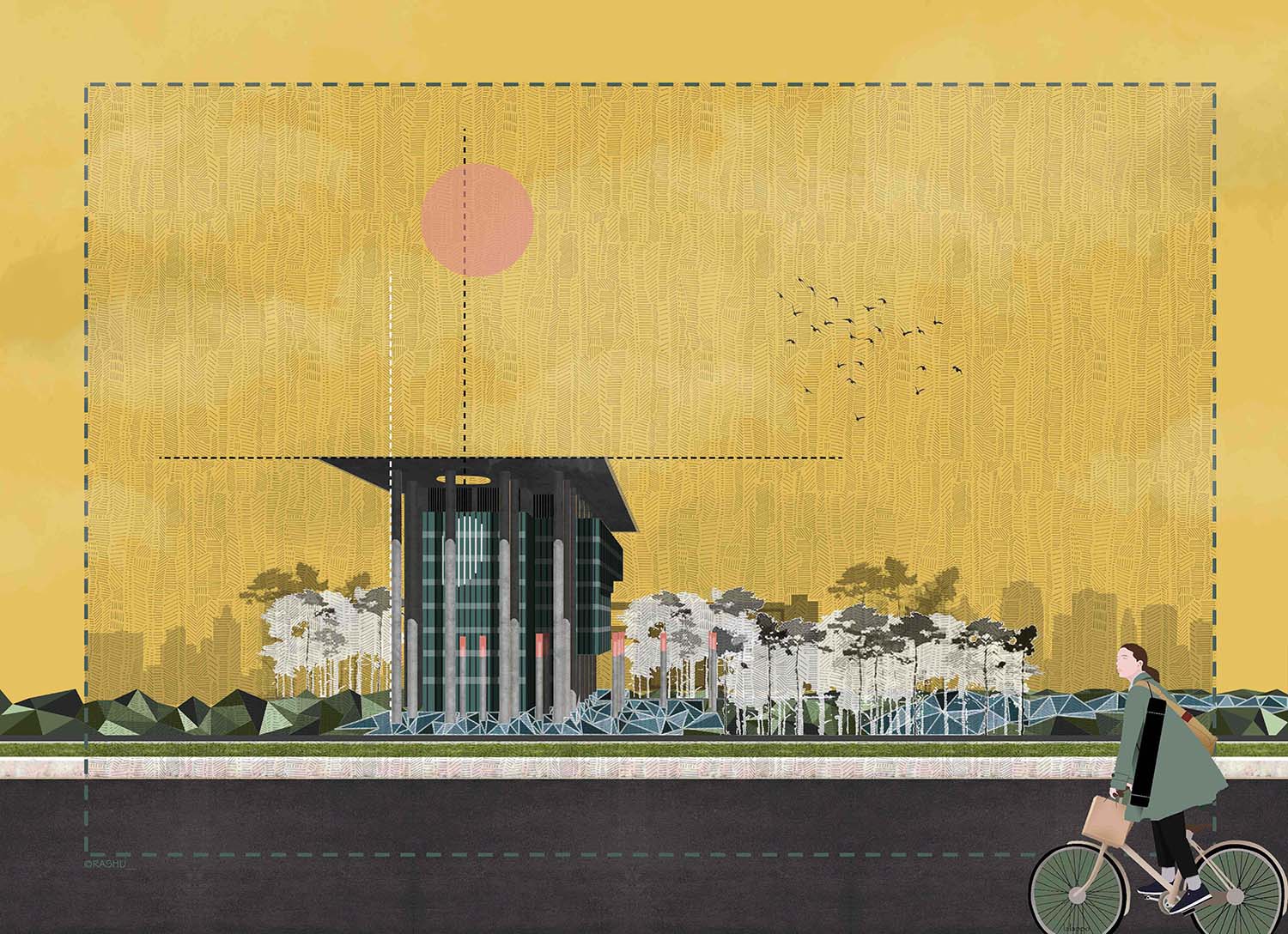
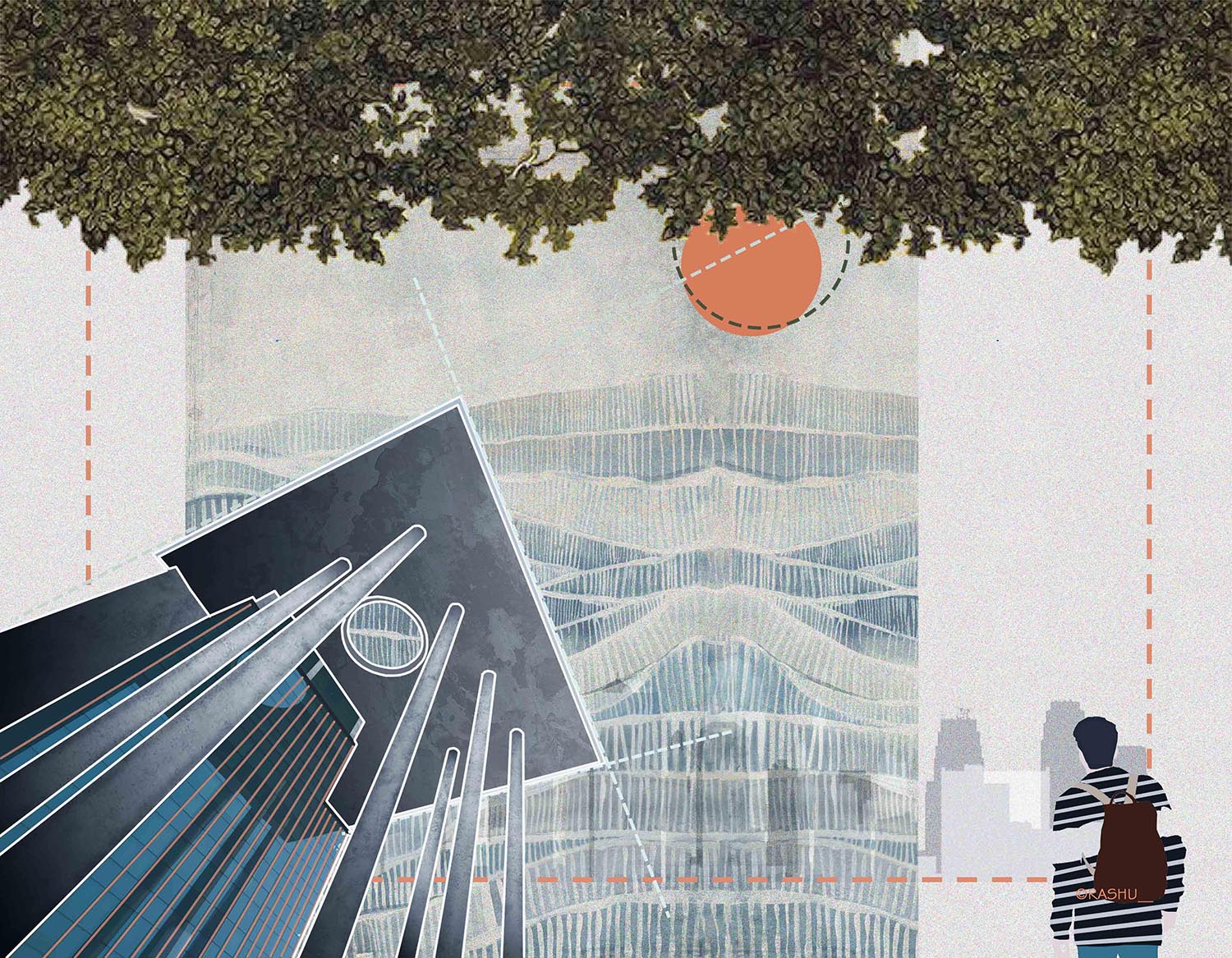
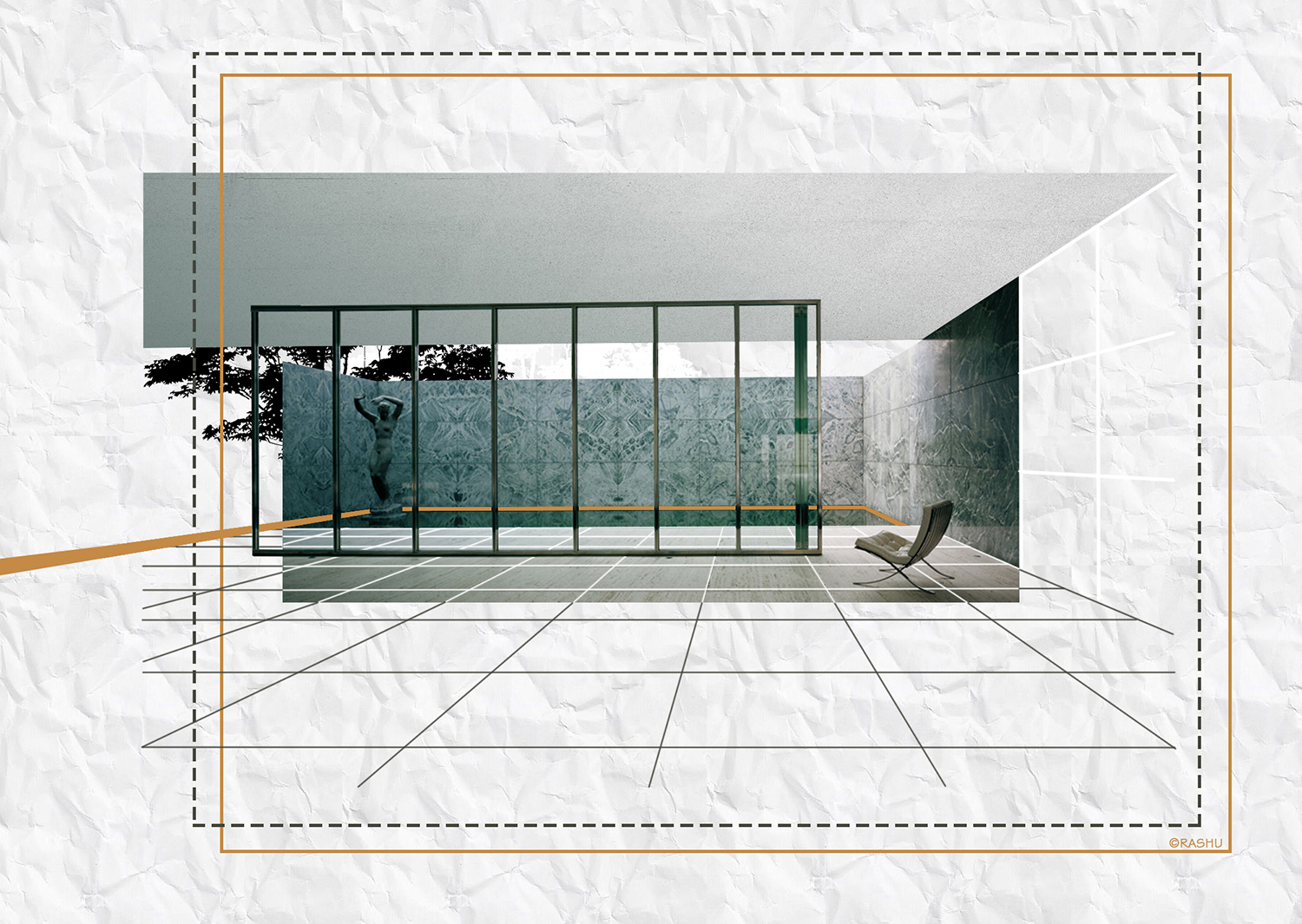
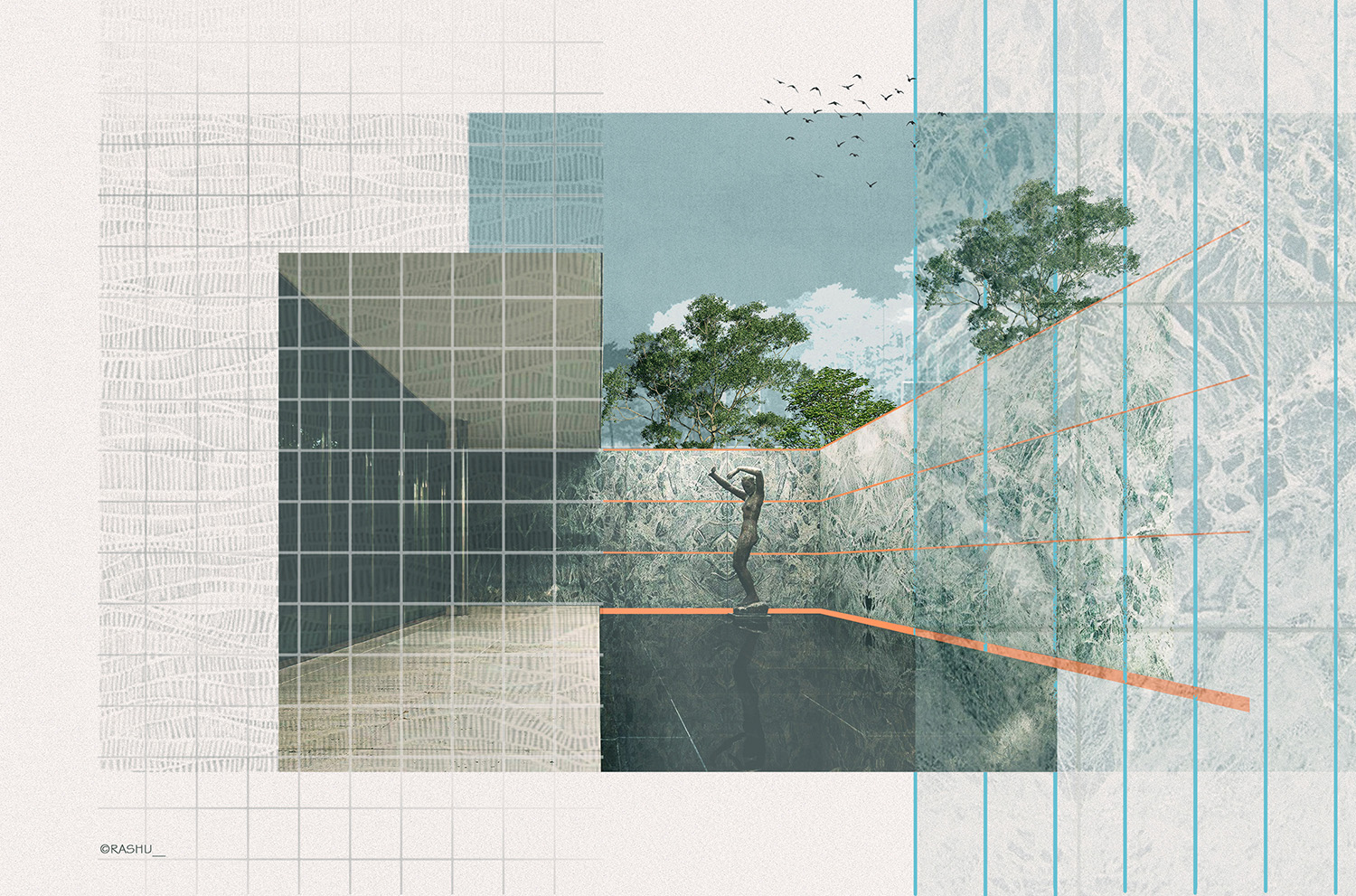
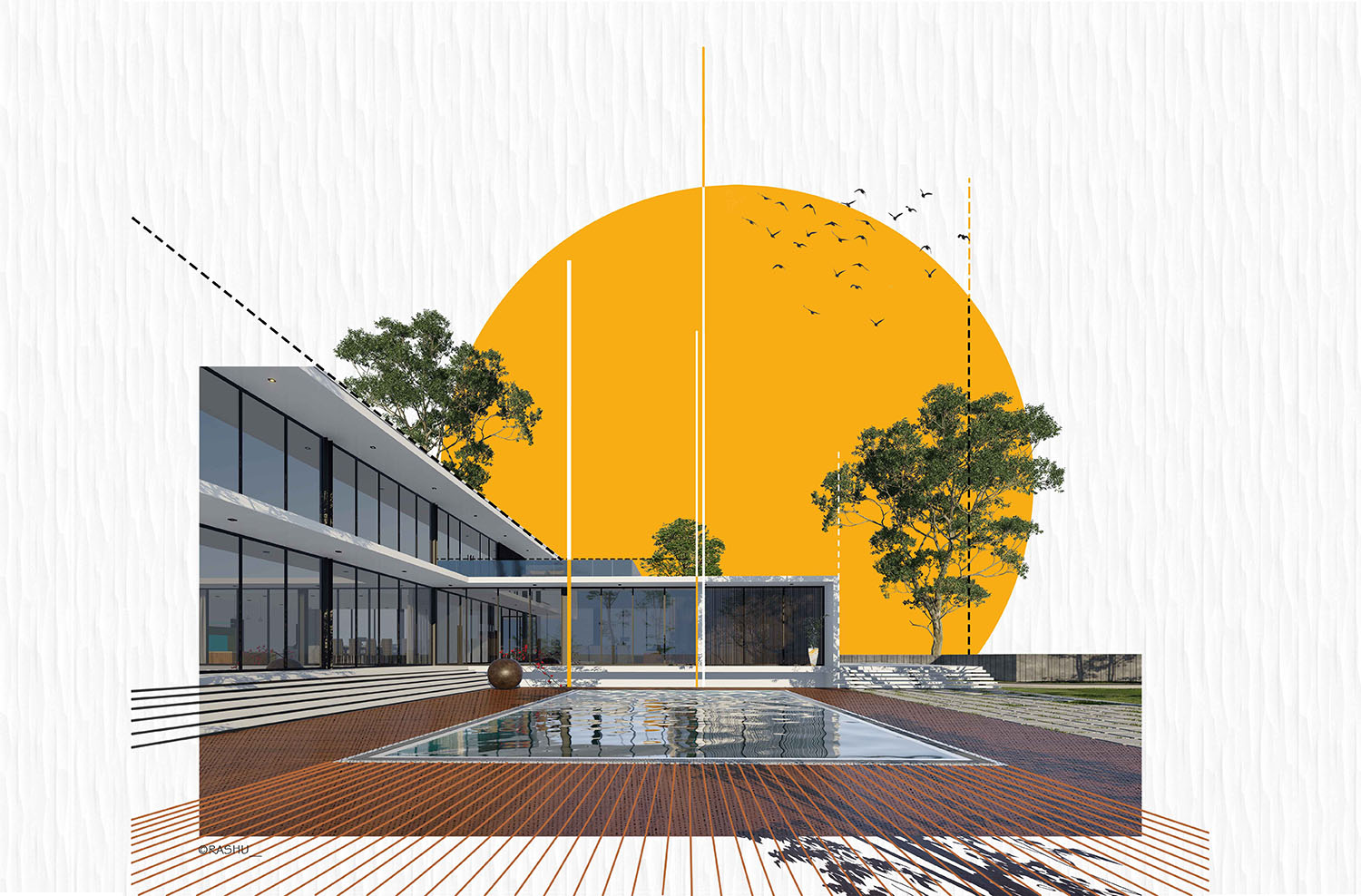
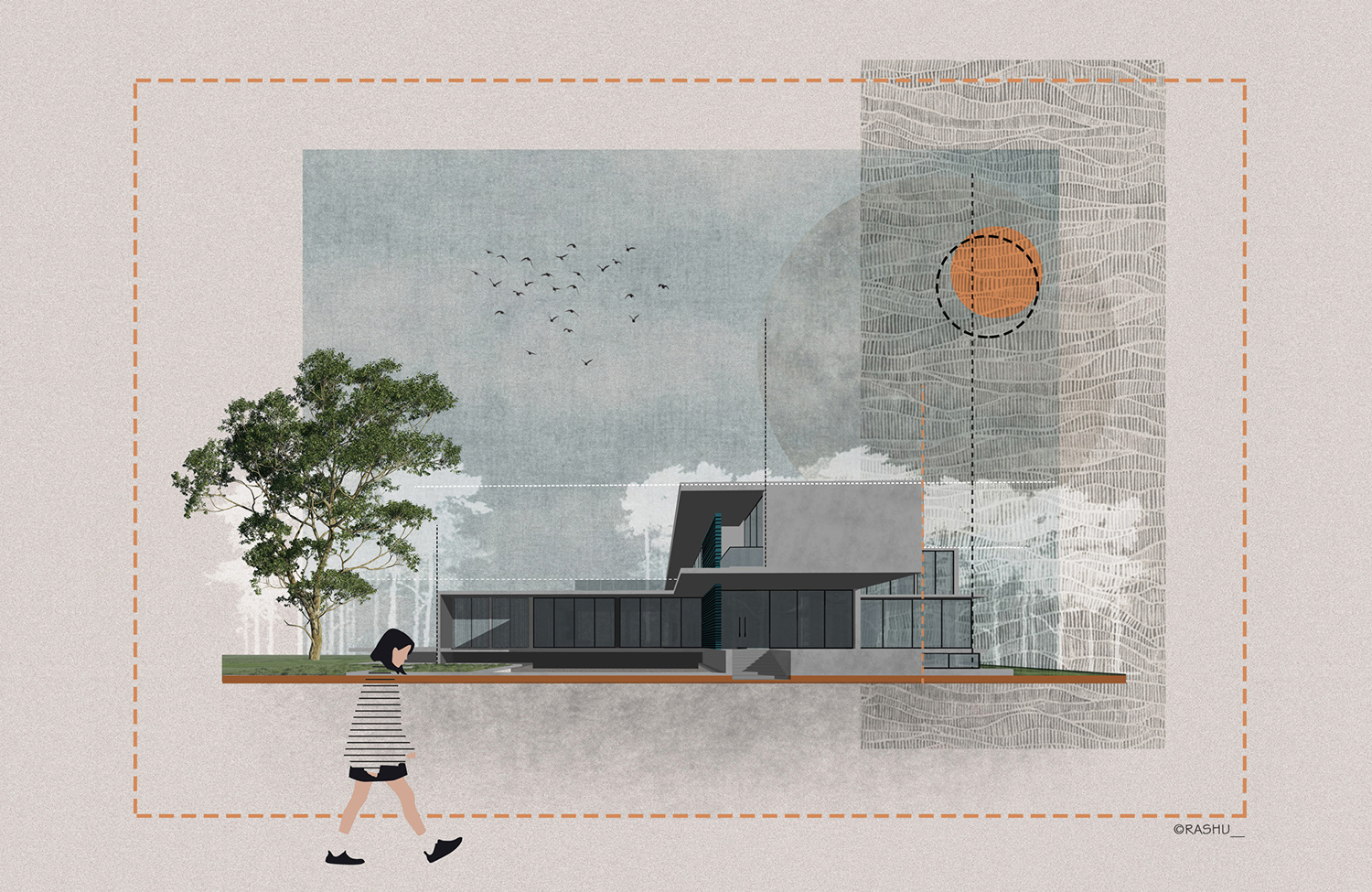
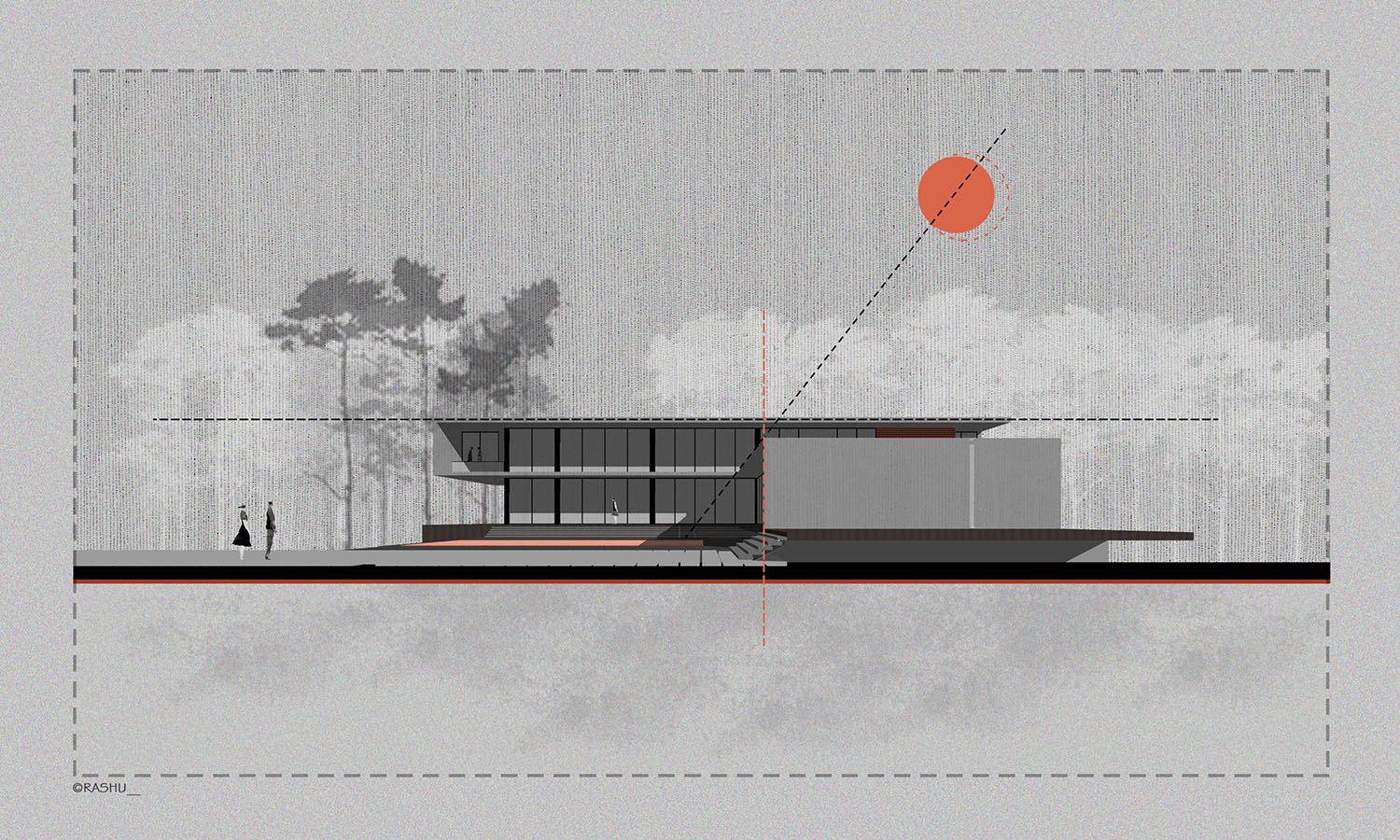
We live in a real-world but often tend to resort to imagination or unreal. This gives us a break from our day-to-day lives and thus help us add more colours to it. In my case, my artworks give me that opportunity to get a break from routines and explore the realms of imagination. That is why, in my collages, I often deliberately ignore some constraints that were considered in the design process.
When I see a design work, whether it is by myself or someone else, I often like to think, it can be interpreted in some other ways. The interpretation can come through colour, texture, light etc.
In my own perception, colour is not only light, beauty and harmony, but also mental balance, comfort and excitement. In architecture, colour helps to embellish, highlight, illuminate and separate spaces. So, in my works I often use different solid colours as alternatives to different natural elements such as sun, sky etc. Besides colours, I also use different textures to make the image more expressive. I use 3d software with photoshop and illustrator. I do not create them thinking too deep, rather I use the idea that comes to me spontaneously.
I have completed the bachelor’s degree in architecture from Stamford University and am currently working at a private consultancy firm as an associate architect. Besides, I have an interest in art, music, and documentary as well.
Architect Shaheen Choudhury Westcombe was one of the three pioneering female students, graduating from the Faculty of Architecture in Dhaka (established in 1962). Ms. Westcombe began her career as an educator teaching architecture students in Dhaka. She further studied for a Masters in Architecture, from Kyoto University in Japan.
Ms. Westcombe started her professional career as an architect in London working for private firms and then as a community development volunteer championing women’s rights and equality. She then worked with local governments in various senior roles. Due to her services to the communities, Ms. Westcome was awarded an MBE, an honour given by Her Majesty the Queen of the United Kingdom, in 2001. Currently, Ms. Westcombe holds many leadership positions for voluntary sectors.
Ms. Westcombe reflects upon her long and winding career path, which spans over five decades across the continents. Her determination to succeed and her commitment to serve the underprivileged people, especially women and children from Black and Minority Asian communities, are her key driving forces in life.
My formative years in architecture
I was amongst the first batch of female students who trained as architects at the then East Pakistan University of Engineering and Technology now known as BUET. I had studied Arts with Mathematics and was the only student in the class without science at Intermediate level.
The five-year architecture course was very wide and comprehensive. Apart from design, which was our main focus, we had to study various subjects like history, art and civilisation, music; to accounting, public speaking, structure and other engineering subjects. To my horror, there was physics in the curriculum. It was a struggle for me. Every time I thought of physics, I had tears in my eyes; but I was very determined. I surprised everyone when I got through with top marks.
The architecture subjects were taught by American teachers. Prof. Richard Vrooman, the Dean and Jim Walden were sent from Texas A&M University to set up the department. Another Architect, Daniel Dunham, joined soon after from Berger Engineers. The Dunhams were our family friends. Various well-known artists like Hamidur Rahman and Rashid Choudhury taught us art and sculpture. They had both returned from Europe and talked about their artistic ventures there. We had a great time with them. Hamidur Rahman, who had designed the Shahid Minar, took us there one day and explained his design concept.
Wajeda Jafar, Nazma Habib and myself were the only three female students at the University. People thought we were freaks. There were no facilities for female students. A little corridor was screened off and turned into a private space for the three of us. It had some chairs, a table and a locker. We kept packets of biscuits and drinks in it. One morning, we found that the snacks had disappeared. We were mad. The next day we found that there were some vitamin tablets in the locker in their place. We had to laugh. To this day I wonder how our fellow students opened the locker.
Architecture training often required us to stay at the University all night to finish our drawings. It was tiring and stressful. Our fellow students had great respect for us. It was mutual and we were like one family. To this day we have kept in touch.
We graduated in 1967. It was really great that all three of us, the female students, secured a first class. Wajeda came top. Soon after I joined the faculty as a lecturer. I taught for 18 months and then left for Japan for higher studies on a scholarship offered by the Japanese Ministry of Education. By then more female students started joining the University in both Architecture and Engineering. Years later, Khaleda Ekram, who was my student, was appointed the first woman Vice-Chancellor of the University. I congratulated her by e-mail. She was delighted that I remembered her. Sadly, Khaleda passed away prematurely.
My Journey in Japan
I cherish the memories of the time I spent in Japan. The Land of Cherry Blossoms is a beautiful country with a rich culture. As soon as I landed, I realised that hardly anyone spoke English. Without speaking the language, it was a problem even to buy a cup of coffee. I was at a foreign student house. The early days were difficult. It was a relief that most of the foreign students could at least speak English. There was only one Bengali student there. That helped greatly. I spent the first six months in Osaka studying Japanese at the University of Foreign Languages.
Communicating with family back home was time consuming. Letters took over a week to get there. By the time they would reply and I received their letter, it would be at least 3 weeks. Making phone calls was very difficult; direct dialling didn’t exist.
I have many incredible memories of Japan. A band of musicians was sent by Panasonic, and I was asked to sing the Pakistani national anthem, which they recorded. This was played at the 1970 Expo in Osaka, Japan. The national anthem of all the participating countries was played at the Panasonic pavilion. As I was a student I could not be paid. They gave me a Panasonic transistor radio as a present.
I joined Kyoto University for my Masters in Architecture. There were only two female students in my class. They were both from South America and spoke little English. The lectures were all in Japanese. It was tough. I was very lucky to be under Professor Atsushi Ueda. He was both a top architect and an academic with numerous publications. Prof. Ueda was involved in the design of Expo 70. He spoke little English. Sensei (teacher), as we called him, was very gentle and extremely caring. His students all loved him. Whilst in Japan, the 1971 war in Bangladesh broke out. I was completely cut off from home. There was no news. Prof. Ueda and his wife were always there to comfort me. I completed my Masters in 1972. My dissertation was on Housing in Japan. I wrote various articles on Housing. They were published in architectural magazines including the Japan Architect’s International Edition.
Kyoto, the ancient capital of Japan, is a city of gardens, shrines, temples and palaces. It is also famous for its geishas and is a traditional city, rich in beauty and culture. I fell in love with the place. After completing my Masters, I planned to leave Japan for London to gain some work experience. Prof. Ueda offered to enrol me in a PhD. Course and extend my scholarship. Staying another 5 years, the normal time period, for a PhD. seemed ages, and I declined. I left Japan sadly with tears and many fond memories.
Finding my grounds in England
I had been to England before; London was familiar but I did not have any contact with people from the architectural profession. I was not aware that architectural jobs were usually advertised in the Architects’ Journal. I bought a newspaper and in one corner found an advert saying “Architects wanted. All standards.” I contacted them. It was an agency. They referred me to a local practice. At the interview, the main partner said that as I had been trained abroad and had no experience in this country it would be difficult to employ me. I had a copy of the Japan Architect in which my article was published. I said give me a chance, and see if I can do the job. I was offered a position and soon they made me permanent. I had never worked in an Architect’s office before and had to be a fast learner. They were very organised and I fitted in quite quickly.
The first project I worked on was a computer centre for the Ministry of Defence. Quite a challenging job. After 2 years, I decided to move to gain some different experiences. From then onwards, most of my experience was in hospital planning and design. Two major hospital projects that I have worked on are a high security psychiatric hospital near Liverpool, and MedicalCity, a medical complex in Baghdad for the Government of Iraq.
Medical City, Baghdad. Iraq Architects: Whiting Associates International | Courtesy: Shaheen Choudhury Westcombe
The firm that had the Medical City contract was set up by an American international hospital planner and architect, Whiting. Whilst working there, I met many Iraqi architects both male and female. I realised that Iraq was quite a liberal country. My colleagues were a mixed group and came from different countries.
I met my husband there; he was English and also an Architect. After some years, I had my son. I decided to look for a part-time job. I had full-time offers but nobody wanted to employ me part-time. It was very sad. I decided to work for women’s equality; equal opportunities existed only on paper.
I started to do voluntary work for the Bangladesh Women’s Association in Great Britain, the first Bangladeshi women’s organisation formed in this country during the 1970 freedom movement. I developed many new projects for women including a training centre with childcare facilities to promote employment. We secured a grant from the EU to build a new centre and I had input in the design.
We campaigned for the introduction of Bangla in mainstream schools. We had some teachers in our organisation who wrote books that were tailor-made to teach Bangla to children in this country. Working in the community helped me to promote new ideas and I worked with women from a wide range of backgrounds. Empowering women was one of my major objectives.
After a few years, I joined a local authority as a Community Development Officer. What a coincidence that my boss, Graham Garbutt, was an Architect. He often lectured at the AA School of Architecture and took me with him. AA is a well-known school and architects like Muzharul Islam, Richard Rogers and Zaha Hadid trained there.
Graham Garbutt appreciated my multiple skills that I acquired during my architectural training. I could handle a wide range of projects, liaise with consultants, work in partnership, prepare schedules, write bids for funding, conduct meetings, produce complex reports and meet scheduled delivery times. My architecture skills were a blessing and capital projects were no problem for me.
I changed my job and moved to another local authority where I joined social services. I held various senior positions including Head of Equalities, Head of Community Partnerships and Assistant Director of Social Services, etc.
My job involved a lot of policy work, and I always made sure that my reports reflected equalities, community cohesion, fairness and social justice. I was the lead officer for a domestic violence project involving Sweden and Germany. Domestic Violence has no race, religion or class boundaries. Our recommendations were adopted as Government policy in these three countries. The project was called ‘Adhikar, My Right’.
In the same borough, which is multi-cultural, Idid a project titled ‘All Faiths’. The aim of the project was to create understanding and harmony between the different religious groups. The religious leaders and the Mayor provided every support and the project was very successful.
My reflections
In my personal capacity, I have been involved with projects in a wide variety of organisations. I was the Secretary General of the European Union Migrants Forum UK Support Group. It has been over 11 years since I retired, but my involvement with the voluntary sector continues. Currently, I am the Chair of Mind – a mental health charity in Bexley and East Kent, an executive member of the Gandhi Foundation, a board member of St. Mary’s Community Complex, and Chair of Mahila Sangha, a Bangladeshi women’s group. Through the Bishwo Shahetto Kendra, London, I have a link with my heritage, culture and language.
Community involvement is in my blood. I inherited this from my Aunt Shamsunnahar Mahmood and my mother Anwara Bahar Choudhury. They were both followers of Rokeya Sakhawat Hossain. Rokeya has always inspired me. I produced a play, Rokeya’s Dream, based on her story on women’s empowerment, Sultana’s Dream. The project was in partnership with Rose Bruford College of Drama, Mukul Ahmed of Tara Arts and Mahila Sangha. The play was very successful and we were invited to take some members of the team to Sakhawat Memoral School in Kolkata, Rabindra Bharati University and Bishwo Bharati.
In 2001, I was honoured by the Queen with an MBE (Member of the Most Excellent Order of the British Empire). This was for my contributions to community relations. When I went to receive my medal from Her Majesty the Queen at Buckingham Palace, she asked me about my work. I mentioned to Her Majesty that my Aunt Shamsunnahar Mahmud received an MBE in 1944 before my birth, during the reign of her Father King George VI. My Aunt was a writer, educator and politician. The Queen smiled and said, “it runs in the family.”
My life has been full of challenges. I was never afraid and always tried to do my best to achieve my goal. I tried new ideas and wanted to be creative. I have been very lucky that I have had an opportunity to meet and work with people from many different backgrounds, cultures, classes and professions. I have learnt something from everyone and that has enriched me. I have also had the chance to travel widely.
My husband was always very supportive. He excelled in art and was also a creative person who had a positive influence on me. We had many similar interests; he liked gardening whilst I enjoyed Ikebana, the art of flower arrangement that I learnt in Japan.
I have been away from home for more than five decades. I am proud of my heritage country and often miss home. I value and treasure what I have learnt from my parents. These values and my life experiences have moulded me into the person I am. Determination and hard work has always driven me forward.
প্রকৃতি, মাটি ও মানুষের সাথে বরাবরই আমি গভীর আত্মিক সম্পর্কের টান অনুভব করি। শতাধিক আধুনিকতার দেয়ালে আবদ্ধ হয়েও কখনো নিজের শিকড় ভুলতে পারিনি। স্মৃতিকাতর মন আজ বড্ড শিকড়ের টান অনুভব করছে। সেই অনুভব থেকেই আজ তোমাকে আমাদের পূর্বপুরুষদের ঐতিহ্য, ইতিহাস সম্পর্কে গল্প শোনাবো।
আজ তোমাকে আমার প্রাণপ্রিয় দাদুবাড়ির গল্প শোনাবো। কুষ্টিয়া জেলার,খোকসা থানার,শোমসপুর গ্রামে ছোট্ট একটি গ্রাম।ছায়াসুনিবিড়, প্রাকৃতিক সৌন্দর্যের লীলাভুমিতে ঘেরা গ্রামটিতে একান্নবর্তী পরিবারের বাস।চৌচালা টিনের বড় বাড়িটিই আমার দাদু বাড়ি।দাদুবাড়িতে যাবার কারণে মাটি,মানুষ ও প্রকৃতির একাত্মকে গভীরভাবে পর্যবেক্ষণের সুযোগ হয়।প্রতিবছর গ্রীষ্ম ও শীতের ছুটিতে আমি মা ও বাবার সাথে দাদুবাড়িতে যেতাম।বৃষ্টিতে ভিজে পুকুরে স্নান করা,কচু পাতা মাথায় দিয়ে বৃষ্টির জল আটকানোর চেষ্টা,শীতের সকালে খেঁজুর রস খাওয়া সব মিলে মধুর স্মৃতিগুলো আমাকে তীব্রভাবে নাড়া দেয়।
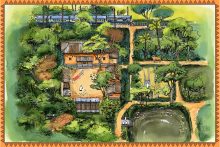
সুবিশাল উঠানই ছিল দাদুবাড়ির অবকাঠামোগত প্রধান বৈশিষ্ট্য। উঠানকে কেন্দ্র করেই সব অবকাঠামো গড়ে উঠেছিল ।উঠানের উত্তর ও পশ্চিম দিকে দুইটি বড় চৌচালা ঘর ছিল।একান্নবর্তী পরিবারের সদস্য সংখ্যা বেশি হবার কারণে আলাদাভাবে দুটি প্রধান ঘর ছিল যাতে যথাক্রমে দুইটি ও তিনটি কক্ষ বিদ্যমান ছিল।চৌচালা গঠনই ঘর দুইটির প্রধান বৈশিষ্ট্য ছিল।ঘরগুলোর বারান্দা অনেক বড় ছিল।বাসায় অতিথি এলে বারান্দায় শীতল পাটি বা খেঁজুর পাটি বিছিয়ে বসতে দেওয়া হতো।চাঁদনী রাতে সেই বারান্দাতে পাটি বিছিয়ে শুয়ে থাকতাম আর মা-দিদার সাথে গল্প করতাম।
সেসময় ঘরবাড়ির অবকাঠামোগত গঠন আজকালকার মতো আধুনিক ছিল না।দাদুবাড়ির মেঝে আধাপাকা ছিল।উত্তরদিকের ঘরের পাশেই ছিল হাঁস-মুরগির ঘর।পূর্বে অবস্থিত রান্নাঘরের টালি নির্মিত ছাউনি ছিল এর বিশেষ বৈশিষ্ট্য যা দেখতে খুবই আকর্ষণীয়। রান্নাঘরের প্রায় সাথেই ছিল ঢেঁকিঘর যেখানে ধান,চাল ভানা হতো সেখানে বড় চুলা ছিল।চুলায় ধান,গম সহ শস্যাদি সিদ্ধ করা হতো। আমাদের পূর্বপুরুষদের প্রধান পেশা ছিল কৃষিকাজ।
রান্না ঘর থেকে সামান্য সামনে ছিল তুলশীবেদী যেখানে প্রতিদিন সন্ধ্যায় সন্ধ্যাবাতি দেওয়া হতো।
বেদীর ঠিক পেছনেই ছিল ছোটো একটি জ্বালানিদ্রব্য রাখার ঘর।পাশেই ছিল একটা লেবু গাছ। লেবুগাছের পাশ ঘেষে পুকুরে যাবার একটি রাস্তা চলে গেছে।পথের পাশে দক্ষিণে ছিল একটি
গোয়াল ঘর।দাদুবাড়িতে আগে থেকেই হাঁস-মুরগী,গরু-ছাগল পালন করা হতো।পশ্চিমে প্রধান ঘর থেকে বেশ খানিকটা দুরেই ছিল শৌচাগার ও স্নানাগার।আগেকার দিনে শৌচাগার ও স্নানাগার সাধারণত প্রধান ঘর থেকে দূরে বানানো হতো।উঠানের এককোণে ছিল নলকূপ।প্রতিদিন বিকেল বেলা পাড়া-প্রতিবেশীরা এসে আড্ডার আসর বসাতো।যেকোনো আনন্দানুষ্ঠানে পুরো উঠান জুড়ে আল্পনা আঁকা হতো।সেগুলো দেখতে খুব সুন্দর লাগতো।
শীতের সময় পুরো উঠান জুড়ে গাদা ফুল ফুটতো।ফুলের ঘ্রাণে পুরো বাড়ি মৌ মৌ করতো।নলকূপের পাশ দিয়ে একটি রাস্তা চলে গেছে যা সরাসরি প্রধান ফটকের সাথে সংযুক্ত হয়েছে।দাদুবাড়িতে সবথেকে আকর্ষণীয় জিনিস ছিল বহুপ্রাচীন শানে বাধানো সুবিশাল পুকুর।পশ্চিমে প্রধান ঘরের পেছনে ছিল একটা ডোবা।ডোবায় প্রচুর শাপলা ফুল ফুটতো।ডোবা ও পুকুরে প্রচুর মাছ ছিল। আমি বর্শি দিয়ে মাছ ধরতাম।পুকুরে সাঁতার কাটতাম।পুকুরের তিনপাশে যথাক্রমে স্কুল,জমি ও আখ ভাঙানোর যন্ত্র ছিল। জমিতে দাদুরা শস্য ও সবজি চাষ করতো।আর আখ ভাঙানোর যন্ত্রে আখের রস থেকে গুড় বানানো হতো।শীতের সময় দাদু বাড়িতে গেলে আখের রস,গরম গুড় খেতাম।শীতের রাতে জমির মাঝে শেয়ালের ডাক শোনা যেত।গ্রীষ্মে চাঁদনী রাতে বাঁশ বাগানের দিকে তাকালে ভয়ে বুকটা কেপে উঠতো শুধু মনে হতো সেখানে ভুত প্রেতের বাস।সেসকল অনুভুতি ছিল অতুলনীয়।
যান্ত্রিকতার ভিড়ে, হাজার টা দেয়ালে আবদ্ধ জীবনে আজকাল আর সেই প্রকৃতির স্পর্শ অনুভব করতে পারিনা।বাঙালির ঘরবাড়ি সহ সকল অবকাঠামোগুলোর নিদারুন পরিবর্তন এসেছে। আধুনিকতার যুগে সোনালী অতীতের বুলি আওড়িয়ে সেসকল না জানা কথাগুলোর জানান দিলাম তোমাকে। আশা করি আমার বর্ণনা ও আঁকানো ছবি দেখে আমাদের পূর্বপুরুষদের ইতিহাস সম্পর্কে কিছুটা হলেও জানতে পেরেছো।আশা রাখি খুব শীঘ্রই তোমাকে নিয়ে আমার প্রাণপ্রিয় ভিটেমাটিতে একদিন উপস্থিত হবো।
I have always felt a deep spiritual connection with nature, landscape, and people. However, I was confined to the enclosure of modernity but I could never forget my roots. Today my mind is burdened with old memories and feeling the urge to go back to the roots. Those feelings today drove me to tell you the story about the history and heritage of our ancestors.
Today I will tell you the story of my beloved “Dadubari” (grandfather’s house). It’s a small village in Shomaspur village of Khoksathana in Kushtia district. It was a land of natural beauty, occupied with joint families. The giant house with “chauchala(thatched house with four roofs)” roof was my grandfathers’ house. Going to Dadubari was an opportunity to see the landscape, people, and most importantly nature closely. Every year I used to go to Dadubari with my mother and father during summer and winter vacation. We used to take bath in the pond completely drenched in the rain, even we used to try to stop the rainwater with the leaves of kachu (Taro), drinking date juice in the winter morning; all these sweet memories move me intensely.
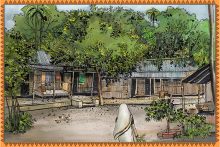
The vast courtyard was the main infrastructural feature of Dadubari. All the other structures were built around the courtyard. To the north and west of the courtyard, there were two large chauchala (thatched house with four roofs) houses. Due to a large number of members of the joint family, there were two main rooms separately with two and three rooms respectively. The main feature of the two houses was the structure of the chauchala (thatched house with four roofs). The verandahs of the houses were very large. When guests came to the house, they were allowed to sit on the verandah with a cool mat or Shital-Pati (a kind of mat that feels cold by nature)or a mat made of date leaves. On a moonlit night, I would lie on the verandah and talk to my mother and grandmother.
At that time the infrastructural structure of the house was not as modern as of today. The floor of the grandfather’s house was Semi puka. Next to the house on the north side, there was a small chicken house. The tiled canopy of the kitchen on the south was its special feature which was very interesting to see. Almost next to the kitchen, there was a Dhekighar ( Dheki is an agricultural tool used for threshing to extract rice grains from their outer husks while leaving the bran layer to produce brown rice; Dhekighar is where a Dheki is located). There was this large burner called Chulha. Grain, wheat, and other grains were boiled in the Chulha (a U-shaped mud stove made from local clay). The main occupation of our ancestors was agriculture.
A little far from the kitchen, there was a ‘Tulsibedi” (it’s an altar or a raised platform where a tulsi tree is planted) and where the evening lamp was lit every evening. Just behind the altar, there was a small fuel storage room. Next to it, there was a lemon tree. Alongside the lemon tree, there was a road leading to the pond. There was a barn on the south side of the path. Poultry, cows, and goats were already reared in my Dadubari. To the west, not far from the main house, were the toilets and baths. In earlier days toilets and bathrooms were usually built away from the main house. There was a tube well in one corner of the courtyard. Every afternoon the neighbors would come and have a chat. Alpana (a form of painting with colorful motifs that are done with hands-on auspicious occasions in Bengal) was painted all over the courtyard for various occasions. They looked so beautiful.
During the winter, Marigold flowers bloomed all over the court. The whole house was flooded with the scent of flowers. A road has passed by the side of the tube well which is directly connected to the main gate. The most interesting thing about Dadubari was the huge pond built with dilapidated steps. To the west, there was a shallow puddle behind the main house. It was filled with water lilies. There were lots of fish in the puddles and ponds. I used to have fun catching fish with a spear. I used to swim in the pond. On three sides of the pond were a school, abundant land, and sugarcane threshing machines respectively. Grandfathers used to cultivate grains and vegetables in the land. Delicious molasses were made from sugarcane juice in a sugarcane threshing machine. During the winters, I used to eat sugarcane juice and hot molasses in Dadubari. On winter nights, you would listen to foxes faraway. Summer moonlit night had a great illusion on the bamboo garden, looking at them made me tremble with fear as I used to believe ghosts were living there. All those feelings were incomparable to any other feeling in this world.
While visiting my grandfathers’ house we used to enjoy cakes, mango milk, bananas, Panta- Elish (traditional Bengali food including wet rice served with Hilsha fish fry), raw mangoes, guava, Jaam (Syzygium cumini-Black plum), Amshotto (sun-dried mango pulp mixed with sugar), cooked Kolar Mocha (cone of banana) and whatnot. Those golden days are lost. In this crowded monotonous mechanical lifestyle confined with thousand walls, we grew apart from nature. All the infrastructures, including the houses of the Bengalis, have seen the face change drastically. In this modern time, I have shared and uttered the words of these unknown things of our golden past. I hope you have found out a little bit about the history of our ancestors by looking at my descriptions and drawings. I hope to visit my beloved land one day with you soon.
Yours,
Didivai
Other information:
Name: Ritusree Modok Sathi
University: Hajee Mohammad Danesh Science and Technology University (HSTU),
Dinajpur -5200
Department: Architecture,
Level-1, Semester- l
Age: 21
Occupation: Student
Place of Origin: Khoksha,Kushtia
Information of Ancestors: Sonnyashi Family
Time of Establishment: 19th Century.
হারিয়ে যাচ্ছে আমাদের গ্রাম। হারিয়ে যাচ্ছে মাটি ও মানুষের আত্মিক সম্পর্ক। জীবন ও জীবিকার সংগ্রামে আমরা ভুলতে বসেছি আমাদের শেকড়। গ্রামের বাড়ি আজ যেন এক নস্টালজিয়া। শুধু বেঁচে আছে আমাদের স্মৃতিতে। কি রেখে যাচ্ছি আমরা ভবিষ্যত প্রজন্মের উদ্দেশ্যে? সেই শিকড়ের খোঁজে আমরা খোলা চিঠির আহ্বান জানিয়েছিলাম।
আপনি যদি অংশগ্রহণের কথা বিবেচনা করে থাকেন তবে যত তাড়াতাড়ি সম্ভব চিঠিটি প্রেরণ করুন।
CONTEXT (www.contextbd.com) and their collaborators jointly hold the copyrights of all contents including, but not limited to, all text, information, illustrations, images. You may not duplicate or reproduce any of the content on this website, including files downloadable from this website.
In recent years, we have been observing a growing environmental, ecological and landscape awareness among the architect community of Bangladesh especially relating to our urban living conditions. This project can be an appropriate example of such a landscape systems-informed architectural endeavour. The major aim of the project, as evident from the phase of analysis to the details of design depiction, is to design a public realm on one of the edges of the Buriganga River where native agricultural practices and ecological landscapes are revived.
In the scope of a final year studio project, the intended design has some notable positive aspects. The design inception stems from the awareness about the fluid nature of our landscape and the dynamics of river-edge while thinking of future urbanity. The vernacular agricultural landscape of Bangladesh has been portrayed here as an integral part of urban leisure, recreation and at the same time, source of fresh flow of food. It is noteworthy how the design intervention is aware of temporality in landscape such as changing water levels with seasonal variation. The architecture that comes as a part of the landscape intervention has an artless nature being inspired from local building traditions. The open public ground floors of the humble structures remind us of the most rudimentary form of rural shelters amid vast agrarian landscapes. The design intervention also points out the vitality and applicability of ecological design initiatives in ameliorating our urban environment.
While having plenty of positive aspects, the design however has a few limitations. While there is a consideration of seasonal water levels, the project lacks a minute reflection on the existing topographical characteristics or underlying references in the landscape. The agricultural parcellation, as well as the geometry of routing lines or islands amid the wetlands, seem somewhat arbitrary and imposing. Also, the project intends to ensure better connectivity between the inner Dhaka city and riverbank on the other side as a public riverfront, but it overlooks to indicate the intricate neighbourhood connections with its immediate surrounding rural or sub-urban/future urban settlements in its master plan.
Lastly, it can be said that the project aims towards a transient landscape amid the changing courses of land and water where architecture becomes integrated into the process. Such a project is always better understood and implemented as a part of a bigger regional system rather than an individual endeavour. Nonetheless, in the scope of a studio project, the design successfully depicts the environmental and socio-cultural awareness of the designer which is a much-needed virtue for ensuring future resilience of our urban public green-blue systems. -Editor
Text from the student:
Dhaka is the gift of Buriganga. Over time, the city has turned its back towards this historic river and forgotten that the city is associated with the most dynamic water flow in the world. In the name of development, the low-lying flooded areas, canal and river encroachment had eroded the natural water ecology of the city. The river became a safe place for dumping waste, Consequently, it became polluted and narrow. The depth and breadth of the river are gradually decreasing. It has affected Buriganga, Turag, Shitalakhya, Bali and Tongi canals and 26 more such waterways. If this so-called development cannot be controlled, the other side of the river, the newly expanded city, will have to face a similar faith.
The city dwellers’ need for fresh produce is met at a high price. If agricultural products can be produced in the lands next to the city such as Keranigonj, this will benefit the local farmers living in these fringe areas. At the same time, our tendency to occupy land along the river can be eliminated. City dwellers can also enjoy fresh vegetables and agricultural products at a reasonable cost. People will find a better place for their recreation, which is very much needed for the city.
Buriganga riverfront has lost its natural habitat in the past centuries due to industrial, residential, and human occupation. Through the implementation of the hydro-ecological design, this thesis explains how urban agriculture can potentially contribute to a better environment for both people and the environment and enhance social life and green spaces along the riverfront. The project site is located at the southwest of the Dhaka City Corporation area near the Buriganga Third Bridge (Bosila Bridge) next to Washpur Jhawchar Nayachar on the Keranigonj Upazila.
If we want to save our city, we need to save its peripheral rivers. If the river survives, the city will survive, agriculture will survive, farmers will also survive. So, I have tried to explore how to save the rivers from land grabbers (through various law enforcement) and if we can cultivate the salvaged land year-round as well as engage the community, the interest in agriculture among the people will increase, farmers will benefit, recreation space will be created as well. Generations will be able to gain practical knowledge about agriculture and city dwellers will get fresh produces.
CONTEXT Contributing Editor: Alia Shahed, Lecturer, North South University
Tangible and Intangible Cultural Heritages exhibit and encapsulate popular memories of the city through a complex interplay of production, consumption, re-construction, interpretation and diverse tactics of remembrance – a comprehensive observation by sociologist Anouk Bélanger. Every time the wrecking ball unceremoniously razes off an old building, chunk of our history and identity is forever wiped off from the earth’s surface. Do our past not deserve a future? More importantly, can our past ensembles coexist with the rendition of our future development? Unsettled agitations as such led to the launch of two competitions followed by an online symposium “Cities in Transition: preserving our past, building for the future” in the first quarter of 2021. By engaging people and built environment professionals, the collective events aimed at raising public awareness through heritage appreciation in order to reinforce a sense of identity and continuity in a fast-changing world that we live in.
In the march of progression, where economic rationalism seems to dictate the fate of our cities, built heritage management is often perceived as the “hindrance in development opportunities”. Often times, we bulldoze old structures and landmarks to make way for swanky new buildings without being critical of its consequences. Such act is far more lethal than the mere losses of brick and mortar, threatening the city’s heritage and landmarks that are strongly associated with people’s memory and image of the city.
Protection of Cultural Heritage: Global Perspectives
The destiny and the future of us all in the world are increasingly intertwined as we face global challenges unprecedented in terms of numbers, dimensions and severity. Since our capital Dhaka is going through a phase of re-development and time-space compression in terms of cultural protection, we ought to go along with the tide of times and rise to challenges by leaning on to global strategies, collaborations and good practices. Professor and UNESCO Chair in Intangible Heritage, Filipe Themudo Barata stressed on two institutes that deal with the cities in transition; UN-Habitat which deals with cities and issues such as explosive urban growth in Asia and the changes of demographic profile in cities, and UNESCO, which talks about the ease of our memories being lost in metropolis as cities convene towards a heterogeneous narrative in contrary to the past homogeneous situations. This occurs particularly due to the displacement of people from the stability of a horizontal society towards the mobility of a vertical organization. All these have influences on our collective memory. Filipe further encompasses on what such movements do to the existing construct of a city and its culture as it now must house diversities in culture which takes dozens or even hundred years to establish. He sees possibilities of establishing new policies in a city through negotiation with the policymakers and the inhabitants that might help preserve the collective memories of a city. Collective memory relates to multiple narratives and architectural heritage sits intrinsically at the intersection of multiple narratives as palimpsest. This is where a very good relationship is found between tangible and intangible heritage which has been extensively discussed by Dr. Mizanur Rashid. In reality, the phenomenon becomes more complicated questioning what is borrowed, authentic and reconstituted as identity/heritage through time and space. In his presentation, he argues for the need for a new theoretic framework and re-centering our position to interpret the past. His prolific speech leaves us to wonder whether we are inclusive enough to acknowledge the osmotic process of heritage creation that absorbs, shares, borrows and reconstitutes narrative through time. Preservation of Intangible heritage, as well as associated legislation and institutional practice, is relatively new and yet to be adopted in many parts of the world, whereas the same of tangible heritage has gained quite momentum over time. Architect-Planner Nigar Reza, who is a senior policy officer in Commonwealth Heritage Team, described the Australian government policies as an international case and how Bangladesh may look upon them regarding the preservation of heritage to begin with. She suggests how we may convene to the practice by learning about the existing status and gaps, listing and knowing the authorities involved. She further stressed upon generating public awareness and establishment of the legislative framework in order to make it happen.
Built Heritage in Bangladesh Context
In a country like Bangladesh, where the population is explosive while land and economy being scarce, sparing funds to conserve built heritage is often perceived to be a “drain in the society”. The underlying ideology that heritage conservations are mere extravaganzas and not an asset or an investment seems to dominate the minds of the majority. The scenario becomes more acute when stakeholders like elected people, local leaders bother less about the values and future of these heritage buildings and their cultural context. For them, ‘future’ is a nebulous concept which does not march past the periodic political timeline, followed by the re-election cycle. A deep-rooted connection has been observed between institutional negligence and derelict traditional settlements. Some of the institutional drawbacks include inadequate management plans, legislative and regulatory frameworks, biased political and economic interests to safeguard both intangible and tangible assets of urban heritage. Through a series of magnificent illustrations, Dr. Sajid Bin Doza exhibits the traditional areas (particularly the historic city of Rajshahi) which are getting dilapidated due to the carelessness of the administration and authority. He grieves on the loss of the certain patterns that the traditional towns were built around and the sequence of realms that allowed inhabitants to perform daily activities and lively interactions. The organic sequence is now being out shadowed by the gridiron pattern of planning which does not quite seem to connect to the memoir of these places with the dwellers within. This as a result leads to pretentious cultural practices and knowledge gaps, as inhabitants are very unaware of their city’s histories and past. Institutional capacity must address the importance as well as the threats and challenges arising from lack of availing the traditional techniques, building materials and craftsmanship. Being in the field for much of the past, Professor Abu Sayeed aligned the renditions of pen and paper to the reality of the practice. Pioneer in the heritage conservation management in Bangladesh, Sayeed suggested that we see each conservation process as opportunities to enhance skill-building roles for the masons and craftsmen and revival of original technology. However, in the light of his in-hand experiences in the country, he fears that the traditional building materials used in building heritages are now about to reach extinction. He shared the challenges that he had to face in the field. Some of them are: Lack of research in Bangladesh about the knowhow of traditional architecture, methods and its practice; Lack of skilled craftsman, lime mason, chinnitikri mason, brick dresser, etc.; and Scarcity of traditional methods and materials which are being replaced by new techniques.
As the discussion now zooms out to bring agendas out from the institutional framework to the public domain, much has been discussed about the likability of the public domain to potentially become a way forward to our future interventions to do justice to our treasured past. Carrying forward the eloquent observations made by Dr. Rashid and Professor Sayeed, Adnan Morshed, Professor at the Catholic University of America, shared his thoughts based on what he has seen and understood in the wake of the conversation that was going on since the specter of demolishing TSC and Kamalapur Railway Station. Morshed hunched that the production of knowledge ought to operate in two layers; decolonizing knowledge production and internalizing it whatsoever. He argued the need for curricular reformation as an integral part of the experimentation that education allows and gets past the semantics of the colonial framework of education. He further suggested that unless we bring historic preservation with some economic incentives, it is not going to work. He further weighed in the significance of the public domain of heritage preservation and encouraged the younger generation to participate in the knowledge gap and democratize the knowledge production in the process. Lastly, Humaira Zaman, a prolific conservation activist and an architect, highlighted the challenges she thinks should be considered when discussing heritage conservation in Bangladesh. Devoid of policy implementation in practice of heritage preservation, lack of knowledge, resource and interest, we are constantly losing our ancient artifacts. The lack of awareness and jurisdiction on the national level results in jeopardy and vandalism of several past structures of great importance. In order to safeguard our cultural heritage, we need to edify our future generations and ensure that the heritages are relevant to the aspirations of the present-day communities.
SDGs of the United Nations give light to the growing consensus that the future of our societies will be decided in urban areas in which culture plays a key role. The sustainable management of heritage buildings, sites, and their cultural context are going through a process of change both in theory and practice, with a shifting focus on isolated built heritage assets towards a landscape-based approach (adopted by UNESCO as HUL). The emerging population is changing the profile of the cities as it is now more heterogeneous than ever before. Immigrants and foreigners generate new heritage and culture. Heritage is therefore not static. However, the changes should be condoling and beneficial to the country as it is a part of the social development. For this to occur, we must refrain from objectifying our heritages as that is when we can easily trade it off. The significance of heritage conservation should be brought forth to the public domain while involving all the stakeholders and incorporating some economic incentives along the way. It is obligatory for the heritage professionals to demonstrate the relevance of historic preservation and break free from the stigmas of the aforementioned being the luxury of the “chattering class” but establish it as an integral part of the community at large. Conservation is out beyond the mere preservation of façades, freezing the building in time. By favoring restoration over the replacement of both tangible and intangible artifacts, we can retain our identity, promote cultural tourism and reduce demolition waste besides preserving the ambiance and character of a living piece from the past that accentuates social cohesion and wellbeing of the community.
About the Authors:
Sadequl Arefin Saif | Research Assistant, BRAC University.
Shajjad Hossain | PhD Researcher, University of Évora, Portugal.
Illustration: Dr. Sajid Bin Doza | Associate Professor & Head,Department of Architecture State University of Bangladesh.
Endnote: The online symposium “Cities in Transition: preserving our past, building for the future” was jointly organised by ContextBD and Bangladeshi Architects in Australia (BaA) . The recorded session of the symposium can be viewed here:
আজ তোমাকে এক স্বপ্নপুরীর গল্প শোনাবো।এটা কোনো কল্পপুরীর গল্প নয় বরং বাস্তবের এক স্বপ্নপুরীর গল্প, এক সবুজপুরীর গল্প। এই চিঠিতে সেই বর্ণনাই তোমার জন্য লিখছি।
আমার ছেলেবেলাটা কেটেছে সবুজ বেষ্টনীতে ঘেরা বসতির সবুজাভ আলো আর মাটির সোঁদা গন্ধ মেখে। বিশেষ করে আমার নানাবাড়িতে সেই রকমই এক আবহ সবসময় মনকে মাতিয়ে রাখত।শৈশবের সব স্মৃতিই এ বাড়িতে লেপ্টে আছে।সবুজপুরীর গল্প মূলত সেই নানাবাড়িকেই ঘিরে।
আমার নানার বাড়ি ছিল ফরিদপুর জেলার সদরদী নামক এক নিভৃত গ্রামে।প্রকৃতিকে এখানে রূপের পসরা নিয়ে বসতে দেখেছি রোজ; বেলা কিংবা অবেলায়, দিনে কিংবা রাতে।ঋতুবৈচিত্র্যে তখন এতটা খামখেয়ালিপনা ছিলনা।তাইতো বাড়ির আঙিনা জুড়ে খেলা করত ষড়ঋতুর বৈচিত্র্য।
বসতবাড়িটি একটা উঠানকে কেন্দ্র করে করা।তার চারপাশ ঘিরে সাজানো হয়েছে ঘরগুলোকে।মূল উঠান ছাড়াও আরও কিছু ছোট ছোট উঠানআর কয়েকটা বাগান নিয়ে মলত গুচ্ছ আকারে করা পুরো বাড়িটি। মূল ঘরের পাশাপাশি অতিথিদের থাকবার ঘর, বৈঠকখানা, রান্নাঘর, গোসলখানা, টয়লেট ও কলপাড় সংলগ্ন একটি ছোট্ট চৌবাচ্চা ছিল।ঘরের দেওয়ালগুলো ছিল টিনের তৈরি, দরজা ও ছোট ছোট জানালা কাঠের তৈরি।এর এক পাশের দেওয়ালের সাথে লাগোয়া বারান্দা ছিল।পাকা মেঝের কাঠের খুঁটির উপর ছিল চৌচালা ছাদ।সিলিং ছিল কাঠের তক্তা দিয়ে বানানো।শুধুমাত্র রান্নাঘরের দেওয়ালগুলো পাটখড়ি আর শেড হিসেবে টালি ব্যবহার করা হয়েছিল আর মেঝে ছিল মাটির তৈরি। রান্নাঘরের সামনে কিছুটা খোলা জায়গা ছিল যেখানে রোজ সকাল-বিকাল চায়ের আড্ডা জমতো।শীতের দিনে এখানেই সবাই ভীড় করতাম পিঠা-পুলির লোভে।এছাড়াও পাকা পোতা আছে যেগুলোতে এখন কোন ঘর নেই, ফাঁকা পড়ে আছে (পোতা বলতে সাধারণত ঘরের প্লিন্থ লেভেলকে বুঝানো হয়)।পোতাগুলোতে কাপড় শুকাতে দিত কিংবা বিভিন্ন রকম মজাদার আচার রোদে দেওয়া হত।শীতের সকালে এখানে মাদুর বিছিয়ে আয়েশ করে সবাই রোদ পোহাতাম।
বৃষ্টির সময় এ বাড়ির চিত্র আরেক রকম।টিনের চালে বৃষ্টির অবারিত সুরধারা কিংবা শিলাবৃষ্টির টুংটাং শব্দ যেন এক অন্য জগতের, অন্য পরিবেশের আবেশ ছড়ায়।ব্যাঙের দেখা মিলতো উঠানে,সিঁড়িতে কিংবা বারান্দায়।এসময় এক ঘর হতে অন্য ঘরে যাওয়ার জন্য ইট বিছানো পায়ে হাঁটা পথ ব্যবহার করতে হত।
সবচেয়ে বিস্ময়কর লাগে এ বাড়ির অসংখ্য সারি সারি গাছ আর হরেক রকম ফুলের সমারোহ দেখে।ঘরের সিঁড়ির দু’পাশে দুটো হাসনাহেনা গাছ লাগানো।বর্ষাকালে হাসনাহেনার ফুলের সুগন্ধ ঘরময় ছড়িয়ে পড়তো।উঠানের এক কোণে ছিল কদম ফুলের গাছ আর বাগানে রয়েছে আম, ডালিম, পেয়ারা, জামরুল, কাঁঠাল, সফেদা, মেহগনি, নারকেল কিংবা সুপারি গাছের সমারোহ।উঠানের বড় সফেদা গাছের ডালের সাথে ঝুলানো ছিল একটা ছোট দোলনা।বাড়ির পূর্ব দিকে একটা পুকুর ছিল। সেখানে প্রায়ই ডাহুক পাখির দেখা পাওয়া যেত।মাঝেমাঝে গড়িয়ালের দেখা মিলতো বলে পুকুরটিতে সচরাচর কেউ যেতাম না।পুকরের আশপাশ ঘিরে ছিল সুপারি গাছ আর বেতের ঝোপ।
সেখানে বিদ্যুৎ ছিলো না কিন্তু সন্ধ্যা নামতেই উঠানজুড়ে নামতো অসংখ্য জোনাকি।মনে হতো আকাশ থেকে উঠানটায় সব তারা নেমে এসেছে।বাঁশঝাড় আর ঝোপের আড়ালে থাকা ঝিঁঝিঁ পোঁকার বিরামহীন শব্দ এক ঘোরলাগা অনুভূতির সৃষ্টি করত।সে সময় ঘরে মাদুর বিছিয়ে হারিকেনের আবছা আলোয় মুরব্বিদের কাছে শোনা হাজার রূপকথার গল্প যেন আমরা সত্যি সত্যি অনুভব করতাম।
অকৃত্রিম এ ভালো লাগার পরিবেশ সময়ের অগোচরে হারিয়ে গেছে।মাটি আর সবুজের ঘ্রাণ মানুষের মধ্যে যে প্রাণের সঞ্চার করে-তা ভুলতে বসেছি সবাই।অথচ প্রকৃতিকে লালন করা আমাদের দায়িত্বের মধ্যে পড়ে।আশা করি তুমি এর মর্ম অনুধাবন করবে।
Today, I shall tell you the story of a magical wonderland. Surprised? Well, you should be. But remember, it’s not an imaginary fictional world as you see in the fairytales. Rather, it’s quite real. This is the story of an enchanted world that used to exist. It was my home, my beautiful green paradise.
In this letter, I’m going to write to you about this forgotten world, so that the memories live on.
I spent my childhood and grew up in my maternal grandparents’ ancestral home, which was surrounded by greeneries all around. I can still remember the golden sunlight passing through the green canopies and branches overhead; with a wonderful greenish hue. I can still smell the fresh soil and wet earth beneath my feet. The very atmosphere had a unique homely flavor to it, which captivated my young mind. All the memories of my childhood belong to that special house. And yes, the story of the ‘green paradise’ basically revolves around it.
My grandparents’ house was located in a secluded village called Sadardi in Faridpur district. There, each day nature presented itself with different shades of beauty in different season and time of the year. It was the era when seasons were not so unpredictable like now; so the variety of beauty of the six seasons could be overwhelmingly felt and observed all over the yard.
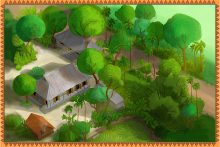
The main house was centered around an inner courtyard; with different sections of the house arranged around it. The whole house was built in a cluster system; and in addition to the main yard, there were several additional courtyards and also few gardens connected to the central premise. Along with the main house, there were guest rooms, living room, kitchen, bathroom, toilet and a small bathtub adjacent to the tube well area. The walls of the house were made of tin; and the doors and small-sized windows were made of wood. It also had an adjoining verandah with a side wall. The chauchala roof was supported by wooden pillars on the paved floor; and the ceiling was made of wooden planks. Only the walls of the kitchen were made of jute-stick, while the overhead shed was made of tali, and the floor was made of clay.
There was a little open space in front of the kitchen where we used to have tea every morning and afternoon. During winter days, we all used to gather here and wait for pitha-puli while my grandma prepared them in the kitchen. Also, there were a few raised plinths (known as paka pota) here and there, which were basically empty spaces on raised platforms without any house or shade over them. These were used for drying clothes as well as drying variety of tasty jams and pickles. In the winter morning, we used to sit on the mat and relax here while enjoying the sun.
During rainy season or monsoon, the picture of the house became quite different. The uninterrupted melody of rain on the tin roof or the tung-tang sound of hailstorm seemed to create a surreal atmosphere inside the house. It felt like a different heavenly environment; a different living and breathing world! Frogs could be seen in the yard, on the stairs or on the verandah during rain. At that time, brick pedestrians were used in the yard to move from one part of the house to another.
The most amazing thing was to see the innumerable rows of trees and all kinds of flowers around the house. There were two hasnahena trees on either side of the stairs. In the rainy season, the sweet fragrance of those beautiful flowers would spread around the house. In one corner of the yard, there was a kadam tree, and in the garden there were mango, pomegranate, guava, jamrul, jackfruit, sofeda, mahogany, coconut, and betel trees. There was a small swing hanging from the branches of a big sofeda tree in the yard. There was also a small pond on the east side of the house. Dahuk birds were often seen there. We didn’t usually go to the pond because crocodiles could be seen roaming around the pond from time to time. The pond was surrounded by betel trees and cane bushes.
There was no electricity available, but in the evening countless fireflies started to roam and fly all over the yard. It was as if all the stars had fallen from the sky and came to inhabit our home. There was also the incessant sound of crickets behind bamboo bushes which definitely made one feel dizzy and light-headed. At that time, in the dim light of the hurricane, we used to spread mats on the floor and sat around the elders, and listen to thousands of fairytales and stories. It used to be such an ethereal experience for us, as all the characters of the fables and fairytales became somewhat real; and we could almost feel their presence around us.
To be honest, this unadulterated environment of feeling good has been lost over the flow of time. We almost forgot how the raw smell of soil and greenery breathes life into human beings; how it makes us alive. But the fact is, it is our responsibility to nurture the nature, so that it becomes more sustainable. And not to mention, our very life depends on it. I hope one day you will understand the true meaning of it all.
No more today, dear one.
Yours,
Beloved dida
হারিয়ে যাচ্ছে আমাদের গ্রাম। হারিয়ে যাচ্ছে মাটি ও মানুষের আত্মিক সম্পর্ক। জীবন ও জীবিকার সংগ্রামে আমরা ভুলতে বসেছি আমাদের শেকড়। গ্রামের বাড়ি আজ যেন এক নস্টালজিয়া। শুধু বেঁচে আছে আমাদের স্মৃতিতে। কি রেখে যাচ্ছি আমরা ভবিষ্যত প্রজন্মের উদ্দেশ্যে? সেই শিকড়ের খোঁজে আমরা খোলা চিঠির আহ্বান জানিয়েছিলাম।
আপনি যদি অংশগ্রহণের কথা বিবেচনা করে থাকেন তবে যত তাড়াতাড়ি সম্ভব চিঠিটি প্রেরণ করুন।
CONTEXT (www.contextbd.com) and their collaborators jointly hold the copyrights of all contents including, but not limited to, all text, information, illustrations, images. You may not duplicate or reproduce any of the content on this website, including files downloadable from this website.