Globally, there are about 195 countries and 270 nationalities. Each nationality has their own characteristics and ways to lead their lives. These unique characteristics depend on those nation’s heritage, culture, social life, literature, anthropology, art, architecture and many other socio-cultural aspects. Now, how have we come to know about these unique characteristics and ways of our life? At the beginning of all life, we were in the fight for survival as a species. Through evolution, humans have learnt how to survive and thrive as social beings. A sense of belief has eventually grown. Those beliefs continuously transformed into many ways of social construction and many methods of life. Today’s human society is largely depending on the social structures they’ve inherited from the past. In the context of accelerating pressure for development, Bangladesh needs to be sensitive to its cultural heritage. Archaeology, being one of the most important parts of cultural heritage, needs to be protected and conserve.
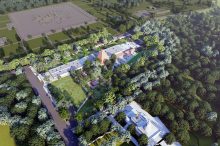
The project is right beside Shalban Vihara at Mainamati, Comilla, Bangladesh. Mainamati is an isolated ridge of low hills in the eastern margins of deltaic Bangladesh, about 8 km to the west of Comilla town is a very familiar name in our cultural heritage, where archaeological excavations have revealed very significant artefacts. The principal monument is the Shalban Vihara, which is the main interest here.
There are about 55 scattered ancient remains of settlements from the 8th – 12th Century AD known as Mainamati, Lalmai are located throughout the Comilla district. The Shaban Vihara is in the middle of the Mainamati range and consists of 115 small rooms. Excavations have continued since 1955, and items such as copper plates, gold and silver coins, and more than 150 bronze statues have been found. The largest number of stone sculptures and terra-cotta plaques were found in Comilla’s archaeological sites, representing Bengal and the sub-continent.
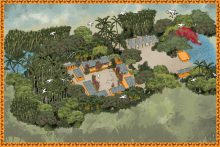
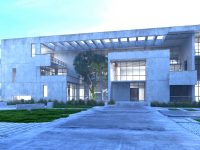
The main objective of this project is to signify the importance of this vihara and conserve its territorial area. The proposed site is just beside the monument. Therefore, a deliberate attempt was taken to go underground as it would not overpower the 1300 years old ancient structure. Again, archaeology deals with unearthing monuments that have been concealed within. From that perspective, it does add credibility to the thought that digging inside the earth will recreate an experience that will allow the visitors to have a deeper realization and of course a sense of discovery. The main complex has two parts; one is the museum, which is the main part, and for public use. And the other part is the research centre and dorm for the research employees. The design vision is to recreate the ambience where archaeologists work and how those artefacts or physical remains were originally discovered. So, a walk for reconciliation path is proposed which is the main spine of the project and the whole museum part. This path is right up to the excavation research ground so common people have the chance to know about both the excavated remains and the research formulas. The ground level on a certain part of the site is lowered, so that visitors get the opportunity to experience the beautiful topography of Mainamati, Comilla.
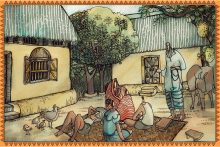
২০২১ এর আজকের এই পড়ন্ত বিকেলে তোমাকে উদ্দেশ্য করে লিখছি, তুমি হয়তো এমনি কোন বিকেলে ঘরে বসে কম্পিউটার গেম খেলছো। তোমাকে আজকে বলবো আজ থেকে আরো কুড়ি বছর আগে এক পড়ন্ত বিকেলের গল্প। যখন আমাদের খেলার জন্য কোন কম্পিউটার ছিলনা, বিশাল বড় পুরো বাড়িই ছিল আমাদের খেলার জায়গা।
জানো তো আমাদের বাড়ি ছিল গাইবান্ধায়। গ্রামের নাম কিশামত মালিবাড়ি, সরকার পাড়া। আমার দাদুর নাম ছিল জয়েন উদ্দিন সরকার। উনার ছিল তিন মেয়ে আর ছয় ছেলে। বড় পরিবার হয় আমাদের দাদু আনুমানিক ৬০ এর দশকে বিশাল জায়গা জুড়ে একটি বড় বাড়ি তৈরি করেন, সেই থেকে আমাদের বাড়ি ‘বড় বাড়ি’ নামে পরিচিতি পায়। আজকে তোমাকে সেই ‘বড় বাড়ির’ গল্প বলছি।
আমাদের বাড়িতে দুইটা বড় উঠান ছিল। একটা ছিল ভেতরের উঠান যাকে আমরা ‘আইগ্নো’(আঙিনা) বলতাম, আর একটা ছিল বাড়ির পূর্বদিকে বাহিরের উঠান, যাকে আমরা ‘বাইরাগ’ (বাড়ির আগে> বাড়ির সামনে) বলতাম। প্রকৃতপক্ষে বিশাল বড় উঠান দুইটা ছিল বড়দের ধান-গম মাড়াই ও শুকানোর জায়গা, যা কিনা বিকেলে হয়ে উঠত ছোটদের খেলার মাঠ..! সেই উঠানে আমরা পাড়া ছেলেমেয়েরা মিনিট কতকিছু খেলতাম তার ইয়াত্তা নেই…! কানামাছি, গোল্লাছুট, দারিয়াবান্দা, মার্বেল, ডাঙ্গুলি, লুকোচুরি, ফুটবল,ক্রিকেট আরো কত্তকি..। ভেতরের উঠান কে কেন্দ্র করে চারিদিকে ছিল অনেকগুলো ঘর। তার মধ্যে পূর্ব দিকের একটি ঘর ছিল বৈঠকখানা, অন্য একটি ছিল অতিথির থাকার ঘর। অন্য ঘরগুলোতে পরিবারের লোকজন থাকতো। উঠানের উত্তর-পশ্চিম কোণায় ছিল বেশ বড়সড় রান্নাঘর। রান্না ঘরের ভেতরে মাদুর পেতে বসে খাওয়ার ব্যবস্থা ছিল। রান্নাঘরের পশ্চিম দিক ছিল নলকূপ আর উত্তর দিকে পায়খানা উঠানের উত্তর-পূর্ব দিকে ছিল বিশাল বড় শান বাঁধানো ইন্দিরা ও গোসলখানা। মজার ব্যাপার হল বিশাল ইন্দিরার দুইটা অংশ ছিল, বাইরের অংশটা ছিল পাড়ার মানুষজনের ব্যবহারের জন্য, আর ভেতরের অংশ আমাদের ব্যবহারের জন্য। এ কারণে বাড়িটি যেমন বাড়ীর মানুষদের আগলে রাখত, তেমনি পাড়ার মানুষদের সেবা করতো..। ইন্দিরার পাশেই ছিল গোসলখানা। মেয়েরা ইন্দিরা থেকে পানি তুলে নিয়ে গোসলখানায় গোসল করত, আর পুরুষরা গোসল করত সান বাঁধানো ইন্দিরার পাড়েই। বাহিরের উঠানের উত্তর দিকে ছিল গোয়াল ঘরের সারি। আর পূর্বদিকে এক বড় পুকুর। পুকুরপাড়ে অনেক অনেক গাছ ছিল। তবে পুকুরের ওপরে থাকা কৃষ্ণচূড়া গাছটি আমাদের সবচেয়ে প্রিয় ছিল। সেই গাছের ডাল থেকে আমরা পুকুরে ঝাঁপিয়ে পড়তাম।আমাদের বাড়িতে ঘরগুলোর মেঝে ছিল উঠান থেকে প্রায় দুই ফুট উঁচু। পূর্বদিকের দুইটা ঘরের মাঝখানে দিয়েছিল বাড়ির ভেতরে আসার মূল রাস্তা, যাকে আমরা সুলি সুলি বলতাম। বাড়ির বাইরের উঠান থেকে কয়েকটা ধাপ (সিঁড়ি) উঠে সেই সুলি অতিক্রম করে আবার কয়েকটা ধাপ নিচে নেমে আঙিনায় আসতে হতো। আমাদের বাড়িতে সবগুলো থাকার ঘর ছিল উপরে টিনের চাল লাগানো চৌচালা ঘর। কিন্তু বেড়াতে ছিল ভিন্নতা। পূর্ব দিকের ঘরগুলোতে ছিল টিনের বেড়া উত্তর দিকের ঘরে ছিল কাঠের বেড়া। কাঠের বেড়াগুলোতে আঁকা ছিল ফুল, পাখি ও বিভিন্ন রকম কারুকার্যপূর্ণ নকশা। কাঠের ঘর গুলিতে শাল গাছের শক্ত খুঁটি ব্যবহার করা হয়েছিল, যা অনেক বছর পর্যন্ত টিকে ছিল । দক্ষিণ ও পশ্চিম দিকের ঘরগুলোতে ছিল চুন-সুরকি (সিমেন্ট এর পরিবর্তে) ব্যবহৃত ইটের গাথুনির দেয়াল। এই চুন-সুরকির দেয়াল ওয়ালা ঘরের গরমের সময়ও বেশ শীতল পরিবেশ থাকতো। পূর্বদিকের ঘরগুলোর ভেতরে ও বাহিরে বারান্দা ছিল, আর অন্যদিকে ঘরগুলোতে ছিল শুধু ভেতরের দিকে।
বাড়ির চারিদিকে বিভিন্ন ফল ও ফুলের গাছ ছিল। ফল ও ফুলের মৌসুমের ঘ্রানে বাড়ির চারিদিক মৌ মৌ করতো। বাড়ির উত্তর-পূর্ব কোনায় ছিল নারিকেল গাছের সারি। উত্তরদিকের ঘরের পেছনে কাঁঠাল গাছের সারি, আর পশ্চিম দিকের ঘরের পেছনে বড় দুটো লিচু গাছ । লিচু গাছের পরে ছিল সুপারি বাগান। সুপারি বাগানের পরে বড় আম গাছের সারি। ঝড়ের সময় গোটাপাড়ার ছেলেমেয়েরা আসত আম কুড়াতে। সবাই মিলে আম কুড়াতে কি যে মজা..! আম গাছের সারির পরেই ছিল বাঁশ ঝাড়। আমার বাবা খুব ফুল ভালোবাসতেন। উনি বিভিন্ন রকমের ফুল গাছ সংগ্রহ করে বাগানে লাগাতেন। ভেতরের উঠানে প্রতি সাইডের ঘরগুলোর সামনে ছিল ফুলের বাগান। বাড়িতে ঢোকার রাস্তার সাথে ছিল সুন্দর মাধবীলতা ফুল, উত্তরের ঘরের দরজার সামনে ছিলো বাগানবিলাস, আর পশ্চিমের দিকে নলকূপের পাড়ে ছিল হাসনাহেনা। ফুলের সুবাসে ভারী হয়ে উঠত বাড়ির বাতাস।
শৈশবের সেই আনন্দঘন দিনগুলোর কথা তোমাকে জানাতে পেরে ভালো লাগছে। অবশেষে বলতে চাই যৌথ পরিবারের সবাই মিলে একসাথে বসে খাওয়ার যে কি আনন্দ তা শত কোটি টাকা দিয়েও তুমি কিনতে পারবে না। শুধুমাত্র এই বাড়িটির কারণে সে আনন্দটুকু আমরা উপভোগ করতে পেরেছি। সম্ভব হলে আমাদের স্মৃতি জড়িত এ বাড়িটি বাঁচিয়ে রেখো।
I’m writing this letter to you on a fine afternoon of 2020. And I guess, many years later, on a similar afternoon like this- you might be spending your free time playing computer games at home. Today, let me tell you the story of another beautiful afternoon twenty years ago, when we were kids and had no such thing as computers to play with; instead, we had our own house as a huge playground. Can you believe it?
Our ancestral home was located in a village called Kishamat Malibari, Sarker Para in Gaibandha district in North Bengal. The name of my grandfather was Joyen Uddin Sarker. He had three daughters, and six sons. Since my grandfather had such a large family, he built this big house during the ‘60s to accommodate his full family in it. And thus everyone started to call our house ‘Boro Bari’, which literally means ‘Big House’. Today I am telling you the story of the ‘Boro Bari’.
The house had two large courtyards. One was an inner court, which we called ‘aigna’ (derived from ‘angina’ meaning private yard), another was an exterior court on the east side of the house, which we called ‘bairag’ (meaning outside yard). In fact, these two large yards were generally used by the adults to thresh paddy and wheat during the daytime, which became the children’s playground in the afternoon. We along with the children of our neighborhood used to play together various games in that yard; such as- kanamachi, gollachut, marble, danguli, lukochuri, cricket, football etc. There were many separate rooms around the inner courtyard of the house. One of the rooms on the east side was the living room, and the other was the guest room. The rest of the rooms were for the family members. In the northwest corner of the yard was a large kitchen. Inside the kitchen, there was provision for spreading a mat on the floor as a seating arrangement during mealtime. A tube well was on the west side of the kitchen, while the toilet was in the north. On the northeast side of the courtyard were a large paved ‘indira’ and a bathhouse. The most interesting thing about the huge indira was it had two parts; the outer part was for the use of the people of the neighborhood, and the inner part was for the use of our family members. For this reason, just as the house was a safe haven for its inhabitants, it also served the people of the neighborhood. The bath house was right next to the indira. The women and girls used to fetch water from the indira and took a bath in the adjacent bath house, while the men used to bathe on the open platform of the paved indira. To the north of the outer courtyard was the barn. And a big pond was located on the east side. There were many trees on the bank of the pond. However, the krishnachura tree leaning on the pond was our favorite. We used to jump into the pond from the branches of that tree.
The floor height (plinth level) of the rooms in our house was about 2 feet high from the ground level of the yard. The main entrance to the house was between the two parts of the house on the east side; which we called ‘suli’ (narrow alley). We had to climb a few steps (stairs) from the outer yard, cross that narrow alley and come down a few steps again to reach the inner courtyard. All the living rooms in the house were tin-roofed ‘chauchala ghor’. But there were differences on the walls, as different materials were used in different portions. The houses on the east side had tin walls, while the houses on the north had wooden walls. The wooden walls were decorated with various artistic designs including floral patterns and drawings of birds, trees etc. Hard thick poles made of ‘shal tree’ wood were used to erect the structure of the tin-shed and wooden houses, which lasted for many years. The houses on the south and west sides were made of brick walls plastered with lime-surkhi (instead of cement). These lime-walled rooms had a cool atmosphere inside even during the hot seasons. The houses on the east side had verandahs on both inside and outside. However, the rest of the houses used to have only inside verandahs.
There were various fruit and flower trees around the yards, from where sweet fragrance spread all over the house during the monsoon seasons. There were rows of coconut trees in the north-east corner, rows of jackfruit trees on the north, and two large litchi trees on the west side. Right next to the litchi trees, there was a betel garden; and rows of large mango trees. During the storm, little boys and girls from the whole neighborhood used to come here in order to pick mangoes. I remember, it was a very fun thing to do; picking mangoes together. There was also a big bamboo bush right next to the rows of mango trees.
My father had a great love and affection for flowers, so he used to collect different types of flower seeds and plant them in the garden. In the inner courtyard, a flower garden was grown in front of the houses on each side. The main entrance to the house was lined with beautiful ‘madhavilata’ flowers, while ‘baganbilas’ sprouted in front of the north entry door, and ‘hasnahena’ bloomed on the west bank of the tube well. As soon as evening fell, the air of the house became heavy with the beautiful sweet fragrance of many different flowers.
It feels really nice to tell you all about those happy days of my childhood. Finally, I would like to say that you can never buy the joy and simple happiness of sitting and eating together in a joint family, no matter how much money you are willing to spend for it. And I was very lucky to grow up in such an environment. And not to mention, it is only because of this great house that we were able to enjoy this kind of happiness; and now can relive the childhood nostalgia. If possible, please keep the house alive, so that the memories live on.
With love,
Your Elder
হারিয়ে যাচ্ছে আমাদের গ্রাম। হারিয়ে যাচ্ছে মাটি ও মানুষের আত্মিক সম্পর্ক। জীবন ও জীবিকার সংগ্রামে আমরা ভুলতে বসেছি আমাদের শেকড়। গ্রামের বাড়ি আজ যেন এক নস্টালজিয়া। শুধু বেঁচে আছে আমাদের স্মৃতিতে। কি রেখে যাচ্ছি আমরা ভবিষ্যত প্রজন্মের উদ্দেশ্যে? সেই শিকড়ের খোঁজে আমরা খোলা চিঠির আহ্বান জানিয়েছিলাম।
আপনি যদি অংশগ্রহণের কথা বিবেচনা করে থাকেন তবে যত তাড়াতাড়ি সম্ভব চিঠিটি প্রেরণ করুন।
CONTEXT (www.contextbd.com) and their collaborators jointly hold the copyrights of all contents including, but not limited to, all text, information, illustrations, images. You may not duplicate or reproduce any of the content on this website, including files downloadable from this website.
The body is never just a body. And the mind is never limited to the body. The boundaries of the body are porous. We incorporate external devices- from our cell phones, tablets to our shelter into our body schema. In this way, these devices become prostheses, extensions of our minds. Instead of memorizing phone numbers, we keep them on our cell phones. Our social contacts are stored there. Our whole lives are contained there. They have become part of who we are. And so too- along with our cellphone, clothes, shoes and fashion accessories- our own resting place become highly personal statement about our identity.
Could we not push this analogy further? Why limit ourselves to our devices and outfits? Our external environment can also be part of who we are. It can influence us through feedback. What about our architectural environment? Could we not also claim that our houses, offices are part of who we are, and help to maintain our psychic equilibrium? They can calm us down, they can stimulate us.
It was a great opportunity to deal with Mr. Anwar Hossain to create a ‘Homeostasis’ for him on his large prairie site. Complete with 10 bedrooms and multiple living spaces and terraces, the residence itself is a three-storied 18,000 sft home located in Sirajdikhan, Munshiganj on a 2.7 acres site. Everyone dreams of a home to retire to, far from the hustle and bustle of city life but not too far away so that friends and family can visit. Mr. Anwar Hossain christened his whole site ‘Shekor’[ root], where he came from and where he wants to go back. This is one of those projects that fill all the properties of a grand residence. Approaching from Shekhor Nagar, the residence can be easily distinguished through a straight ceremonial axis from the entry gate. The axis created two parts on the site-children play area with the soft landscape in one part and a grand playfield and a pond on the other side.
Our environment is also part of our extended mind. Whether we are talking about architecture or music, the feedback from our environment maintains our psychic equilibrium and gives us a sense of homeostasis. Indeed our environment can also help to forge our identities, and condition our behavior.
Adjacent to the home many small and big gathering spaces have been shaped with different trees with their different colors for diverse family performances. Connected to this performing space is the swimming pool. Fruit garden, vegetable garden, swimming pool and the deck, a pond for fishing, front and back courtyard have been created to serve the family members of this home. Rokto Kanchan, Jarul, Kath badam, Shimul, Palash, Coconut, Neem, Shonalu, Krishnochura, Nageshor, Chatim, Gogon Sirish, Oshothho, Kodom, Mohua, Swarna chapa, Cherry, Magnolia, Kath golap, Beli, Bokul, Parul, Mehogani, Ashaka, Debdaru, Muchkundo trees and many more flower plants and mango and jackfruit trees have been planted over the total site-one can walk through the landscape can have the experience of a living exhibition of diverse trees, flowers and their texture, color and fragrant. We have placed more than 30 types of local trees. These trees would create a unique place for the inhabitants and for the natural world alike.
Entering the home from the main entry, there is a central foyer that connects the home vertically and horizontally. Services like the main dining hall and formal living are placed on the west with a pool view. The kitchen connects service staff to the home. There are two inner courts on two sides of the stairs.
On the first floor, the Master bed is close to the stairs with an outdoor sitting area and a family living area. Moving on to the east wing, there are three bedrooms with their own space qualities and the centre is another small family living room that doubles as the music corner. There is a library and kitchenette adjacent to it.
This is where the stair’s shape and location change. Connecting the third floor from the music corner is an L-shaped stair. There is a small family living area, surrounded by three bedrooms. Next to it is the open terrace and on the west wing is another open terrace with indoor play space facilities, right next to it is the child bedroom.
Co-living is a fairly recent housing model that has gained traction in response to the problem of rising population, increased urban migration and exorbitant housing prices, especially in larger metropolises like Dhaka. Co-living is when people come together to share living spaces, and benefit from a more affordable lifestyle in some of the world’s most desirable locations. It is also a way to interact with like-minded people and is becoming a growing trend in countries throughout the world.
It offers small private rental units with only a bedroom and shared bathroom. Occasionally, these units come with an attached bathroom as well. Communal spaces like kitchens, living rooms and dining rooms are extracted out from the apartments and larger facilities like shared kitchens, social lounges and recreational amenities are provided instead. This allows for a reduction in the overall area of individual apartments and consequently, creates possibilities of lowered rents. Such apartments often come furnished with a bed, wardrobe and a work desk, and almost always include Wi-Fi and utilities. The building management sometimes also offers housekeeping services and catered functions. Besides, the tenants can enjoy multiple amenities such as common living rooms and kitchens, laundry rooms, fitness rooms, game rooms and co-working spaces. This model benefits developers as well by enabling them to lease more units within the same overall floor area of the building, when compared to the traditional housing models where private living rooms, kitchens and bathrooms are provided within each unit.
Co-living, however, caters to a niche within the demographic. The renters of such units are typically young professionals and newcomers looking for independence, affordable short-term leasing opportunities, or a place for social engagement. These tenants typically move out with professional career growth or for the development of their personal lives. This transient population with an unpredictable duration of stay creates inconsistent periods of low occupancy and constantly challenges the management to find ways to make this housing model profitable for the owners and developers. In order to make itself profitable and sustainable in the long term, this model certainly needs a revamp.
Image courtesy: Author
One way this problem can be addressed is by offering a hybrid between the co-living and traditional rental model with a range of unit types within the same building and a choice of short- and long-term leasing, or even homeownership. Unit types may consist of micro-units (with only a bedroom and shared bathroom), mini-units (with a bedroom and an attached bathroom), standard units (with a bedroom, bathroom, and kitchen), as well as premium units (with a living room, bedroom, bathroom, and kitchen). The premium units could be offered with 2- and 3-bedroom options as well. By designing these different unit types in proportional modules, they could be combined or sub-divided with minimal construction intrusion using components such as sliding partition walls, prefabricated kitchens and bathrooms, and removable wardrobes. A slowdown in demand for one unit type could be compensated by the other, which would provide more economic stability to the management. This model would also lessen residential segregation by serving a varied range of age groups and being more inclusive of varying demographics or socio-economic backgrounds. The tenants may upgrade to bigger rental units or have the option to even buy apartments within the same building as they progress in their professional or personal lives while living in the same community. This would provide lasting tenancy for the developer as well.
Meticulous interior design and planning strategies can allow for even more flexibility and choice for the tenant. For example, a bed can turn into a couch, a kitchen counter can double up as a work desk or sliding partitions can convert a living room during the day to a bedroom at night, and so on. Offering the choice of furnished or vacant apartments would leave room for personalization, thus promoting individuality. The feeling of ownership could also be bolstered by forming inclusive policies such as voting rights on operational decisions and budgets, to name a few.
This hybrid model may also sustain better in the current age of social distancing and remote working, as it offers more flexibility for all parties involved as compared to the current co-living model. The long-term impact of COVID-19 still remains unknown, nevertheless, the present pandemic scenario is arguably presenting a challenge to survival of the co-living model since it relies heavily on social interaction and sharing. A holistic approach is required to incorporate pandemic friendly measures and build a sense of safety and belonging among residents. This can be achieved by creating active communities within the buildings that organize virtual social gatherings or mental health check-ins for people facing loneliness and isolation. On-site staff can provide support to tenants for shopping trips, food deliveries, or medical assistance. Shared co-working spaces are part of most co-living developments and can offer ‘work from home’ facilities with superior health safety protocols. Co-living can certainly survive in its modified form if it steps up and incorporates strategies to adapt to changing needs, create a feeling of ownership, offer flexibility, and provide long-term opportunities.
CONTEXT Contributing Editor:
Dr. Kishwar Habib, Mitacs Elevate Post Doctoral Fellow, The University of Alberta, AAA Intern Architect, Manasc Isaac Canada.
আজ তোমাকে শোনাব এক রুপকথার গল্প! হ্যা, রুপকথাই বলা যায়, কারণ তোমার জন্ম থেকে বেড়ে ওঠার পরিবেশ হয়ত ইট-কঙ্ক্রিটের চার দেয়ালে বন্দি। কিন্তু তুমি শুনলে অবাক হবে, তোমার নানাভাই দের বেড়ে ওঠা খুবই অসাধারণ ছিল! ১২ বোন আর ১১ ভাই এর বিশাল জমিদারবাড়ি! তোমার নানার বাবা, মানে আমার দাদাভাই চেয়ারম্যান নবাব মিয়া চৌধুরির হাতে গোড়াপত্তন এই বাড়ির , সে ১৯৩০ সালের কথা!
আর্ট ডেকো স্টাইলে গড়ে ওঠা পুরো বাড়িটি ছিল মাটির তৈরি! চৌচালা টিনের ছাদে বৃষ্টির শব্দ কত সুন্দর হয় তোমরা কি জানবে কখনো তা? কিংবা পুকুরে কলাগাছের ভেলা ভাসিয়ে ঘন্টার পর ঘন্টা ভেসে থাকা? তোমার নানাভাই খুব দস্যি ছিল, তার কিছুটা বুঝতে আমিও চেয়েছিলাম উঠানের লিচু গাছ থেকে লিচু চুরি করতে, তা না পেরে শেষে শসাই খেয়েছিলাম একবার ক্ষেতে দাঁড়িয়ে! ছোট্ট টিলা থেকে গড়িয়ে পরে ঘাসে উপুড় হয়ে আমবাগানের পাতার ফাঁকে নীল আকাশ ও দেখা হয়েছিল কয়েকবার, সেই টিলা অবশ্য এখন আর নেই!
আমার দাদার আমলে কোনো কিছুই টাকা দিয়ে কেনা লাগতোনা! কিছু ছিল, নিজেদের , আর বাকিটা বিনিময় প্রথা। ধানের বদলে কেউ মুড়ি দিত, গরুর দুধের বদলে দিত ঘানি ভাঙ্গা তেল!
ধানের বিস্তৃত মাঠ পেরিয়ে বিশাল ফটক বাড়ির। সীমানার একেবারে শেষ প্রান্তে ছিল আমাদের বাড়ি! তবে বলতে গেলে, পুরোটাই আমাদের বাড়ি! প্রতিবেশির বাড়ির পাশে কোনো সীমানা থাকত না! আমাদের দাদুবাড়ি তে প্রবেশ ছিল কাচারি ঘর (যেটা মূলত আমার দাদাভাই এর মিটিং এবং কাজের ঘর ছিল) এবং ধানের গোলার মাঝ দিয়ে কাঠাল গাছের ছায়ার নিচে। ছায়া পেরিয়ে বিশাল উঠান, চারপাশে লাকড়ি, গবাদী পশুপাখি আর মাঝে দিনে ধান শুকানো হত, রাতে বসত গানের আসর! পুরো ঘরটি সমান ২ ভাগে ভাগ করা ছিল ২ দাদীর জন্য!বসার ঘরের ২ পাশে পড়ার ঘর, এরপর বাচ্চাদের ঘর এবং শেষে শোবার ঘর এবং প্রস্তুত কক্ষ। ছোট উঠান পেরিয়ে বেড়ার দেয়ালের রান্নাঘরটিতে সারাক্ষণ চলত আলো-আধারির খেলা, পেছনের পুকুরের পানিতে সূর্যের আলোর প্রতিফলন হত বেড়ার ফাকে, সেই আলো এসে পড়ত চাঙ্গে ( বিশেষভাবে তৈরি বাশের খোপ,যেখানে মাটির হাড়ি রাখা হত) একপাশে ঢেকিতে ধান ভাঙ্গার শব্দ শুনে শীতের রাতে খেতাম নানা রকমের পিঠা! সবচেয়ে ভয় হত পুকুর পেরিয়ে টয়লেটে যেতে! আশেপাশের বাঁশঝাড়ে লুকিয়ে থাকা জ্বিনের গল্প শোনার পর তো সারা রাত ভয়ে প্রাকৃতিক ডাক কেও সরিয়ে রাখতাম! সবচেয়ে মজার ব্যাপার হল, মাটির পুরো দেয়ালের কারণে এই ঘর গ্রীষ্মে শীতলতা আর শীতে দিত উষ্ণতা !
ইদানিং সব বদলে গেছে, মাটির বাড়ির অর্ধেক এখন টাইলস দিয়ে মোড়ানো । পুকুর ঘাট আর উঠানেও পিকনিক হয়না বহুদিন। কানে শুধু বাজে সেই গান, “কেরে তুই সব দৈত্য দানব, সব যে কেড়ে নিলি?” শুধু রয়ে গেছে হাসান চৌধুরী বাড়ির জৌলুসের স্মৃতি!
ইতি,
তোমার প্রাক্তন
প্রেরক: সাজিয়া নিহা
বাড়ির অবস্থান: হাসানখিল, ডাবুয়া, রাউজান, চট্টগ্রাম
Today I am going to tell you a fairytale. Yes, it can be considered as a fairytale as you are being brought up within the cage of concrete. But you would be surprised to hear that the era in which your grandfather were brought up was extraordinary. A humongous Jamindar bungalow with 12 sisters and 11 brothers! My grandfather Chairman Nawab Miah Chowdhury founded this house in 1930.
This art deco style building was made of earth. Will you ever know how melody of rain hitting on a tinshade roof feels? Or floating on a raft made of banana log in the pond as long as heart wants? Your grandfather was very mischiviuos. I wanted to emulate him by stealing lychee from our premises but failed miserably. Watched the azure sky through the canopy of mango trees after rolling from a small hill numerous times; however, that hill is not there anymore.
In my grandfather’s era, money was not used as a medium of exchange, rather they exchanged goods.
The enormous entrance of the house was at the end of a vast rice filed and the house was at the end of the border. But you can say that the whole area was home to us. No fences were there to create division between neighbors. At the entrance of the home there was an office (used for meeting and other official purpose) and a granary. After that a spacious courtyard wherein, at daytime cattle, burning woods occupied the space but at night, the place was lit by the sound of music. The whole house was divided into two equal parts for my two grandmothers. Two reading rooms on either side of the drawing room then children’s room and bedrooms. The kitchen came afterwards and it was sandwiched between a small yard and a pond. The kitchen always witnessed the game of hide and seek between sunlight and shadow. Lights reflected from the pond to the fence wall of the kitchen. We used to devour pithas in winter while listening to the thud of dheki. The most frightening thing was when we had to go to the toilet. The bamboo bushes surrounding the toilet was said to be the hotbed of jinns. We used to hold our bowel movements after hearing their stories at night.
Everything is changed now, tiles replaced half of the earth wall. Picnic on the yard beside the pond has become a distant memory. Time has taken everything but only the radiance memories of Hasan Chowdhury Bari.
Yours
Ancestor.
Sender: Sajia Niha
Location: Hasankhil (named after the father of my grandfather Hasan Chowdhury), Dabua, Raozan, Chittagong
Re-construction date: 2017
Notes from the sender: My grandfather was a chairman in the reign of Pakistan and this house was a shelter for the Hindus of the village in the war of 1971. Later he was bombed by the Rajakars of our village for giving shelter to the fighters and non-Muslims! He was attacked at our “kachari ghor” while attending a meeting and 2 persons were killed right at the moment leaving my grandfather paralyzed for the rest of his life!
হারিয়ে যাচ্ছে আমাদের গ্রাম। হারিয়ে যাচ্ছে মাটি ও মানুষের আত্মিক সম্পর্ক। জীবন ও জীবিকার সংগ্রামে আমরা ভুলতে বসেছি আমাদের শেকড়। গ্রামের বাড়ি আজ যেন এক নস্টালজিয়া। শুধু বেঁচে আছে আমাদের স্মৃতিতে। কি রেখে যাচ্ছি আমরা ভবিষ্যত প্রজন্মের উদ্দেশ্যে? সেই শিকড়ের খোঁজে আমরা খোলা চিঠির আহ্বান জানিয়েছিলাম।
আপনি যদি অংশগ্রহণের কথা বিবেচনা করে থাকেন তবে যত তাড়াতাড়ি সম্ভব চিঠিটি প্রেরণ করুন।
CONTEXT (www.contextbd.com) and their collaborators jointly hold the copyrights of all contents including, but not limited to, all text, information, illustrations, images. You may not duplicate or reproduce any of the content on this website, including files downloadable from this website.
The Kamalapur Railway Station, designed by Robert Boughey in the 1960s, is the largest and most significant railway station for transit between Dhaka and the rest of Bangladesh. The railway station is currently serving a large portion of the country’s commuting population and functioning adequately to a large extent. Due to the rapid growth in the economy, many people come to Dhaka city for various purposes, leading to rapid urbanization. Thus, to support the insufficient transport system and networking with Dhaka city, the government has taken multiple initiatives to restrain the issue.
Padma Multipurpose Bridge is a megaproject planned to develop regional connectivity and serve the country’s south zone. Kamalapur Railway Station will be the final destination in Dhaka for the new rail link coming from the south zone. However, the Railway Station already serves beyond its capacity, and additional passengers will generate a massive occupancy and traffic cognition at Kamalapur. Furthermore, according to the revised STP (Strategic Transport Plan), MRT-1 and MRT-6 will connect at the Kamalapur Railway Station, adding more complexity to that area. So, the proposal of the thesis project will help to support the upcoming load within 20 years and also an initiative of integrating different transportation modes in a cohesive way to facilitate traffic movement as well as contribute to the urban fabric in terms of environment and social interaction to make it a vital transit hub.
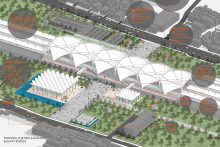
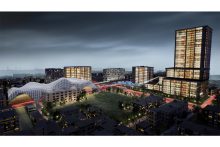
A transit hub becomes more vibrant and lively with local businesses and public recreational space around it. Surrounded by a dense residential area, the railway station can be considered a focal point or hub connecting users of all age groups offering various facilities. The aim is to create an urban experience through uninterrupted pedestrian movement, smooth vehicular circulation, recreational spaces with plaza, greenery, and transforming the whole 150-acre site, currently acting as a bounded negative space, into an urban park.
According to PPP (Public-Private Partnership), the existing ICD (Inland Container Depot) at Kamalapur will be relocated to Dhirasram, Joydebpur. Thus, almost half of the site area will become empty, offering a scope to rethink the Kamalapur Railway Station. Currently, there are two existing terminals; one is the primary and the other is just for Narayanganj passengers. Both of the existing terminals cannot handle the increased passenger load in the future. Therefore, the purpose of the project is to shift the whole railway station program into a new terminal with adequate amenities while keeping the existing terminal for the public realm as it is a national asset.
The main challenge of this project is the integration of MRT-1 & MRT-6. According to STP, MRT LINE-1 will run from the airport to Kamalapur, while MRT LINE-6 (elevated) will run from Mirpur to Motijheel and then to Kamalapur. MRT LINE-1 has a subway section from Notunbazaar to Kamlapur. Therefore, a multilevel spine has been designed to link transportation mediums as well as the neighborhood and serve as a common platform for various user groups. The existing terminals are retained and renovated, with the present main terminal proposed to be an exhibition gallery and the other as a library. The library and the exhibition gallery connect on the ground level through the spine. As a result, the spine serves as a hub with diverse activities and functions, playing a significant role in urban life and serving as a transit hub.
The design proceeds with pedestrian and vehicular circulation, along with additional interconnections. The existing main entrance is on the west side of the current railway station, at a three-way intersection, which is a major concern. During pick-up hours, the roads get extremely busy, resulting in traffic congestion and also the situation may worsen due to Padma rail route extension. Therefore, the entrance has been shifted to the east side of the existing terminal, adjacent to the Atish Deepankar Road, where the ICD is also situated. Following the complete relocation of ICD, a new railway station can be proposed for that site. Designing the new railway station separates pedestrian and vehicular circulations by establishing several layers where vehicle circulation is positioned below the surface level helps to create a plaza on the surface level so that pedestrians may move freely without encountering any obstructions on their way to the railway station.
After returning from the moon Apollo-11 astronauts were quarantined for 21 days after setting foot to the moon. This contingency plan was placed due to the question raised What if the astronauts returning home bring some foreign germs or in another term -Moon plague”. The current pandemic situation brought us back to our living rooms. The idea of quarantine is not something new at all. Though pandemic teaching us lessons that might not have been possible if we didn’t face this situation. This edition of Summer school,2020 at AA focuses on three major issues “The climate, ethics, and health”. There was a total of five units in this edition. Our unit was titled The Planetary Household: Bio-control, Microclimates and the Hacking of Domestic Machines. This workshop aimed at examining the pandemic household as a scientific and ontological project. We targeted to put a spatial narrative and produce drawings of containment and interiorization. Perceiving the house as a machine of ingestion and excretion. Our homes are isolated and, penetration into the inner spaces is maintained in a strict protocol. The door is working as an airlock to the unknown world of contamination. Houses became individual space pods. Psychologically the outside world turned into a desert.
Process:
The whole process started with looking into the illustration of British cartoonist William Heath Robinson. The illustrations used various contraption mechanisms which might seem risky but worked as labor-saving automated domestic machines. Those contraption illustrations have become symbols of suburban modernity inside the homes following World War II. Though the ridiculousness encapsulated by Robinson was almost a century old but reflects the large-scale disorientation of domestic enclosure during the beginning of 2020. With reference from Heath Robinson, we examined modern-day domestic machines like Roomba, Samsung’s Ballie, IKEA’s Growroom, Aereco’s Smart Ventilation System, and Microbial Home Kitchen by Philip Design.
The Folding Garden Illustration by W. Heath Robinson | Image courtesy: Amit Imtiaz & Saipreethi Durairaman
Objective:
The core objective was to hack Heath Robinson’s contraption devices and reinvent the house as a complete mechanism of metabolism and process of digestion. In the process, we would discuss and critique the ideal notion of comfort, the fear of disease, and our fascination for biocontrol. And finally to produce collective narratives and drawings expressing the hysteria we are going through this confinement.
Initial work and Mid Review:
We started to look and find illustrations of William Heath Robinson. We have picked 3 individual illustrations by William Heath Robinson. Their titles were
1.“How to Dispense With Servants in the Dining Room”,
2.”Ingenious alarm clock” and
3.”How to Dispense with Servants in the Bedroom”
We inspected and deconstructed the three illustrations of Robinson. It was evident that every element used were aimed at human comfort. A few common features were there such as any windows inside the room are hardly noticeable. However, doors and trapdoors were present.
All the mechanisms used steam boilers or kettles, those were heated with candles or a spirit lamp. Some mechanisms used only hand gears. In most cases, pulley arrangements with knotted ropes or string function to complete the processes.
Then we studied the pattern of Roomba and How Li-dar technology works. Roomba uses a navigation algorithm called VSLAM- visual simultaneous location and mapping. In the optical system, the machines can judge the distance between walls or determine how close it is by vertical objects. On the other hand Lidar – Light Detection and Ranging, a remote sensing tech that uses light as a pulsed laser to measure distances. The light pulses combined other information recorded by the airborne system to provide accurate three-dimensional data about objects.
In modern times we use Alexa or Siri to our convenience and the internet is a must for combine data and sharing information. we thought of the Internet of things. We have considered a closed world where we inhale and exhale, we are in isolation however we are connected to the world virtually. Our inside world became the wallpaper background of our lives. This place is the subject to be get contaminated. We tried to modify a device that can detect the whole condition of the interior space in terms of dirt, air quality, temperature, and noise.
As Roomba has a decreased height it only can clean and detect the ground level of the room. Which means we cannot reach the upper level of the house. We thought of an integrated device that understands the architecture of the room and the air quality. So that everyday work becomes more comfortable and safe. The illustration of Heath Robinson also suggests human comfort at its best.
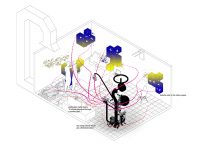
Due to Covid-19, our movement is reduced and human contact can be infectious. In that case, we can use drones for goods transportation. Air quality in the room can be measured by a nano-bot. According to the temperature and air quality level, our air controlling machines can be adjusted. It is necessary as there are particles below 10 microns that cannot be seen in the naked eye however an air sensor can easily detect the air quality and inform us. Considering these facts and inspired by William Heath Robinson’s illustration we created a dispensing bot that can control air quality and cleans the dirt. We were highly inspired by the drawing titled Anatomy of a Dwelling, from Reyner Banham, ‘A Home Is Not a House’, Art in America (April 1965) where various domestic gadgets are connected in a single unit.
As boredom piles up due to home-stay we added a talking arm so that it can be communicated and listened to as well. As per the functionality of Roomba suggest the device will be able to move and dispense according to the need of the dweller. A Thermostat attached to the system can regulate the temperature so that comfort level retains.
All the home appliances are connected to a single network and they are all programmed to act according to the internal environment of the interior space. Due to the Covid-19 situation, the practice of hand sanitizing is a mandatory act to survive in this pandemic situation. We attached an ergonomic sanitizing unit integrated with a UV light chamber as this sanitizer can kill 99% of germs. It also eliminates the provision of a continuous water supply.
As the interior of the air gets polluted or odor starts, the air gets pulled off by the air suction unit and replaced by fresh outdoor air. Continuous noise can cause irritation and anxiety for the dwellers. In this pandemic, we are roaming in the four walls of the house for an indefinite period. Noise can be a fatal element for peace of mind. A sound ranger will detect any sound above 85 dB and provide a threshold alarm so that we can monitor the situation.
In conclusion, we tried to explore the bio-sphere of the homes and the relationship of the machines with the inhabitants. William Heath Robinson’s illustrations played a major role in our design process. We developed an architecture for cleaning and disinfection unit. Which is not only connected to the machines inside the house also in symbiosis with the surrounding room environment.
কেমন আছো? তোমরা হয়তো ইট-পাথরের জঙ্গলে হাঁপিয়ে উঠেছো, হয়তোবা দীর্ঘশ্বাস ছেড়ে ভাবছো কেমন ছিল আমার দাদার বাড়ি, তাই তোমাদের দীর্ঘশ্বাসকে আরও একটু ভারি করার জন্য তোমাদের জন্যে লিখে গেলাম এই চিঠি।
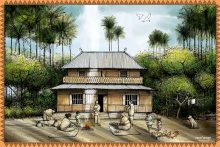
অসংখ্য গাছ-গাছালীর সবুজের অরন্যের মাঝে ভালবাসায় পরিপূর্ণ ছিল আমাদের টিনের ছোট্ট ঘর। বৃষ্টির দিনে টিনের চালের ঝুম বৃষ্টির শব্দ আবার শীতের সময়ে হীম কাঁপানো অনূভুতি, প্রচন্ড শীতের সকালে বাড়ির উঠানে সকলে মিলে শুকনো পাতা পুড়িয়ে আগুন পোহানো অথবা বাড়ির পাশের সুপারি বাগান থেকে সুপারি কুড়িয়ে ১ টাকার বনক্রীম খাওয়া কিংবা শীতের সকালে ঘরের উঠনে ছোট-বড় সবাই মিলে মৃধু রোদের মধ্যে এক সাথে ভাত খাওয়া। আমাদের বাড়ি পিরোজপুর জেলার, স্বরূপকাঠি(নেছারাবাদ) থানার জগন্নাথকাঠী নামক একটা গ্রামে, এখন আর এটাকে গ্রাম বলা যাবে না, অলরেডি এটা একটা মিনি শহর। এখন এখানের সকল মাটির রাস্তা পাকা হয়ে গেছে, ছোট ছোট টিনের ঘর গুলি মস্তবড় অট্রলিকায় রূপ নিয়েছে, সুপারি, নারকেল ও বাঁশের সাঁকো গুলি এখন কার্লভাট ও ব্রিজে রূপ নিয়েছে। আশির দশকের দিকে যখন আমার মা-বাবা এখানে ঘর তুলেছিল তখন আমাদের চারপাশে ছিল উঁচু-নিচু ধানক্ষেত, সুপারী ও নারকেল গাছের বাগান সহ জঙ্গলে ভরপুর আর এরই মধ্যখানে আমার বাবা-মা তৈরি করেছেন তাদের স্বপ্নের বাড়ি, সুন্দরী কাঠের খুটি উপরে দোতলা টিনের চৌচলা ছাদ, চারপাশে রেইনট্রি গাছের তক্তার বেড়া, দোতলায় শাল লোহা কাঠের পাটাতন আর মাটির মেঝে, সামনে-পিছনে দুটি বারান্দা সহ মাঝখানে বড় একটি ঘরের আদলেই ছিল আমাদের ঘরটি, পিছনের বারান্দার পরে আলাদা করে ছোট একটি রান্নাঘর, ঘরের ভিতরে বড় একটি খাট সহ একটি আলমারি, একটি আলনা ও ঘরের এক কোনায় আম্মার নামাজের জায়গা, সামনের বারান্দায় একপাশে একটি খাট ও অন্যপাশে চেয়ার ও টেবিল আর পিছনের বারান্দার একপাশে একটি চৌকি ও অন্যপাশে পাটি বিছিয়ে খাওয়ার জন্য একটু জায়গা, ঘর থেকে বেশ খানিকটা দূরে খালের পাশের ঝির গাছের পাশে ছিল টয়লেট।
আমাদের ঘরের পূর্বপাশেই ছিল ঘন জঙ্গল যেখানে শিয়াল, বনবিড়াল সহ প্রচলিত অনেক ভূতের নিবাস ছিল, যে কারনে রাতে আমি কখনই একা ঘরের বাহির হতাম না, তখন বিদ্যুৎ ছিল না ল্যাম্প (কুপি), হারিকেনই ছিল অন্ধকার দূর করার মাধ্যম, এই হারিকেনের আলোতে পড়া-লেখার যে কি শান্তি, সেটা তোমরা কখনই অনূভব করতে পারবে না। রাত বাড়ার সাথে সাথে ঝিঁঝিঁ পোকার শব্দ, হুতোম পেঁচার ডাক কিংবা নাম না জানা কোন পাখির ডানা ঝাপটানোর শব্দে ঘুমিয়ে পরা, আবার প্রকৃতিক এলার্ম মোরগের ডাকে ঘুম থেকে উঠা, এভাবেই কেটে যেত আমার ছেলেবেলা।
How are you? Panting in this concrete jungle, you may be sighing and wondering what my grandfather’s house was like, so I wrote this letter for you to make your sigh a little heavier.
Our little tin shed house amidst the greenery was full of love. The sound of rain falling on the tin roof on a rainy day and bone-chilling cold in winter were mesmerizing experiences. On a very cold winter morning, we used to burn dried leaves and warm ourselves by sitting around it or collect betelnut from the neighbour’s house and selling them to buy a cream bun with one taka only or eat steamed rice together by sitting in the yard while enjoying the warmness of soft golden sun of the winter morning.
Our home is in a village called Jagannathkathi of Swarupkathi (Nesharabad) police station in Pirojpur district. It can no longer be called a village today; now it becomes a small town. Now all the dirt roads here have been paved, small village houses have been replaced by brick buildings; the betel, coconut trunk and bamboo bridges have now taken the form of culverts and bridges. When my parents built a house here in the 80’s, it was surrounded by high and low paddy fields, a forest full of betel and coconut groves, and in the middle of it, my parents built their dream house, a beautiful two-storey house with a hip roof over wooden poles made of Sundari (Heritiera fomes) tree.
The house was enclosed by walls made of raintree planks; the 1st-floor deck was made with hardwood sourced from Sal (Shorea robusta) tree and finished with mud plaster. The house had two verandas in front and back and a big room in the middle. There was a separate kitchen behind the back veranda. Inside the room, there was a large bed along with an ‘almirah’ and a cloth stand. A prayer space for my mother was in one corner of the room. In the front veranda there was a bed on one side and a table and a chair on the other side. The back verandah has a stool and a cozy corner to dine on a rug. Separate from the house, there was a toilet next to the Jhir tree near the canal.
To the east of our house was a dense jungle where foxes, wild cats and many other haunted souls lived, which is why I never went out alone at night. There was no electricity or lamp then. A lantern called Hurricane was a means of dispelling darkness. Your generation can never feel how restful it was to study under the dim light of Hurricane lamp!
As the night wore on, we fell asleep listening to the hoot of the owl or to the sound of fluttering wings of unknown birds and again we woke up the next day by the sound of a natural alarm rooster, and that’s how our childhood had passed.
From
Your Predecessor
Sender: Md Shahin Al Mamun Joy
Civil Engineer
BRAC (HCMP) Construction and Child protection
District: Pirojpur
Division: Barisal
হারিয়ে যাচ্ছে আমাদের গ্রাম। হারিয়ে যাচ্ছে মাটি ও মানুষের আত্মিক সম্পর্ক। জীবন ও জীবিকার সংগ্রামে আমরা ভুলতে বসেছি আমাদের শেকড়। গ্রামের বাড়ি আজ যেন এক নস্টালজিয়া। শুধু বেঁচে আছে আমাদের স্মৃতিতে। কি রেখে যাচ্ছি আমরা ভবিষ্যত প্রজন্মের উদ্দেশ্যে? সেই শিকড়ের খোঁজে আমরা খোলা চিঠির আহ্বান জানিয়েছিলাম।
আপনি যদি অংশগ্রহণের কথা বিবেচনা করে থাকেন তবে যত তাড়াতাড়ি সম্ভব চিঠিটি প্রেরণ করুন।
CONTEXT (www.contextbd.com) and their collaborators jointly hold the copyrights of all contents including, but not limited to, all text, information, illustrations, images. You may not duplicate or reproduce any of the content on this website, including files downloadable from this website.
“If there is not one thing inside the body then it is not outside the body either“—Fakir Lalon Shah
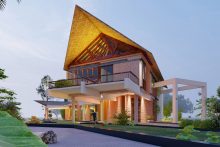
Access to the property is provided from the east side through a ceremonial walkway flanked by water bodies and a garden lawn. The floor area on the ground level is articulated between the Kachari, the formal living room, located in an isolated front, and the dining hall at the rear tip, which is exposed into nature through the Poschati verandah, the projected balcony. To keep the formal living area close to the lawn level, it is stepped down to 18 inches from the plinth level where a double-height space is introduced with a high window allowing the opportunity to experience nature on different occasions (moonlight, raindrops, cloudy sky, etc.). This can be also enjoyed from upper-level family living.
To maintain the balance between privacy and conviviality, the Basok (the bedrooms) are located on the first floor. A deck is introduced at the south side with stairs down to the water body, giving an impression of a Jolghat as well as a place for family gatherings. A Krishna Chura tree is placed beside the ghat, just in front of the dining area to enhance the beauty of the streaming water body. There is a dedicated space for barbeques on the west side of the deck. The backyard can be utilized as an outdoor kitchen for hosting large gatherings on special occasions.
Full height openings are introduced to make the most extreme visual connection with the natural environment. Vertical louvers are installed as sun breakers while keeping visual linkage and permitting tender breezes to pass through. Pergolas are designed as shading gadgets, making the sensational environment of light-shadow as well as giving the impression of a semi-outdoor space.
A good soul needs a good shell. The pitched roof is covered with thatch and the building skin is wrapped up with an auxiliary layer of uncovered brick. A wooden raised floor adds charm to the living space. A portion of the exterior wall is crafted with brick detail.
MRT is a massive intervention in the traffic infrastructure of the dense, urban context of Dhaka. This project explores the possible changes in urban fabric if an MRT station is introduced and the potential opportunities it might bring about. The objective is to find a Transit-Oriented Development (TOD) solution by integrating multi-layer transportation and uninterrupted pedestrian flow while enhancing the quality of the surrounding urban environment and landscape. -Editor
Considering the rapid urbanization in Dhaka, the Government of Bangladesh has taken “Strategic Transportation Plan (STP)” through Dhaka Transport Coordination Board (DTCB). Under this plan, the entire Dhaka will connect with multi-layer transport systems. Initially, the funding organization of this project, JICA proposed 6 MRT routes to connect the entire Dhaka city. According to STP, MRT-6 and MRT-5 are the first routes to be constructed. There are several places where MRT routes meet, and Mirpur-10 roundabout is one of them.
MRT alignments in Dhaka and Mirpur 10 intersectionThe existing urban fabric of Mirpur 10 intersection
Mirpur-10 roundabout is renowned as a junction of vital roads and for its proximity to Sher-E- Bangla National cricket arena. From the early 2000s, this area has undergone a considerable building and construction boom. Consequently, it has become an important transportation hub of Dhaka. It is often one of the busiest and most jam-packed areas of the city.
This project has the scope of incorporating architecture and urban design issues together. It deals with terms and issues regarding transport planning, urban intervention, pedestrian linkage and urban regeneration. The challenge of this project lies in how to address these issues and simplify them into a particular solution. To achieve this, the focus has been placed on sustainable environment and transport system, proper greenery and landscape design for nature and public, accommodation for informal business sector, stands for buses, cars as well as tempo and rickshaw, etc.
To develop the master plan of this area, Begum Rokeya Avenue is taken as an axis. This avenue is considerably busy with mostly mixed-use and commercial developments along the roads. MRT-6 and MRT-5 stations are placed according to JICA’s proposal. Whenever major development interventions such as a metro station occur in a place, it causes an increase in the land price of the surroundings. Since the station is a place where a large number of people come and go on a daily basis, there is a huge possibility for commercial developments such as – shopping malls, banks, restaurants, office spaces, and mixed-use spaces. To ensure that the urban infrastructures have the capacity to support future growth, the proposed redevelopment plan is divided into 3 zones:
Metro station building at Mirpur-10’s roundabout
Mixed-use commercial hub in the South of the roundabout
Residential development in the North of the roundabout
Various factors have been considered while designing the metro station such as – environment-friendliness, smooth circulation, proper ventilation, contemporary form and innovative structural solution. The MRT-6 station structure is cantilevered with PC girder columns and lightweight space framed canopy while for MRT-5 there is an underground station in the conventional grid structure. The station has two main parts: concourse level and platform level. Concourse level contains administrative, maintenance, AFC (automatic fare collection), ticket room and other amenities. On the other hand, the platform level maintains the arrival and departure of the trains and passengers. To run a station successfully there should be smooth circulation between paid zone, unpaid zone and platform. The design strategy here is to allot a fair amount of space at ground level as well as the concourse and platform level for transferring people to the stations.
There is a commercial building and a fire station beside the proposed MRT-6 station. A cooperative development approach is suggested by leaving the ground level of both buildings open for the public plaza. This can reduce the human load on the existing pedestrian facility and make that space a transitional place. It will also create opportunities for commercial growth. Further, a skywalk is proposed which connects the Metro station and commercial developments to ensure the safer pedestrian and integrity of the functions. The integration of these buildings with the station platform will let the people enter the station through skywalks first into the free zone and then into the paid zone after collecting the ticket.
For the MRT-5 underground station, people can enter the ground level plaza where they will find vertical circulation for the concourse level. From the unpaid zone of concourse level they collect the ticket via manually or vending machines. Then they will get into the underground platform and easily depart for their destination.
Throughout this design project, it is attempted to achieve a commuter-friendly transport interchange and local urban environment integration.
CONTEXT contributing editor: Louise Bani Sarcar, B.Arch ( BUET)