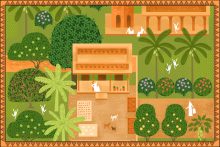
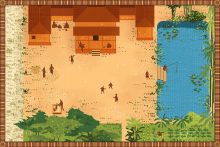
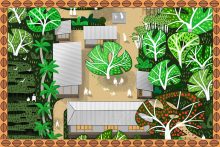
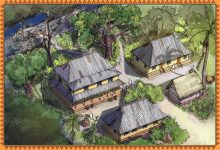
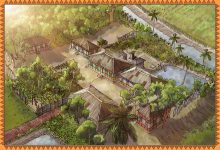
তেরদাগ থেকে হরিনেরশিং আমার দূরত্ব, সইলুকুপা (শৈলকুপা) খুলনা বিভাগ। তেরদাগ পেরিয়ে নামবে; দক্ষিণ দুয়ার দরজা ধরে ঢুকবে বাড়ির উঠানে । শুনতে পাবে পানের বাটার আওয়াজ। হেঁটে যেও সন্ধ্যামালতির পথ ধরে। দেখবে মাধবিলতা আঁকড়ে রেখেছে আমার বাড়ির কার্নিশ। কমলা জবা,স্থলপদ্ম,কল্কিজবা,নয়নতারা পেয়ে যাবে সামনেই। বাম এ পাবে পুকুর, দুইদিকে ঘর, উত্তরে মন্দির আর সাথেই কুমার নদী। আমার বাড়ি সূর্য উঠে অর্জুন গাছের পিছনে,অর্জুন-এর ফল কামরাঙা এর মত সবুজ দাগকাটা। হাতের তালুর মত বিস্তীর্ণ উঠান, গ্রীষ্মকালে তাতে আলু এবং চালের পাপর; বৃষ্টিতে ব্যাঙের থপথপ শব্দ আর মাটির সোঁদা গন্ধ; শীতকালে মা কুকুরটা তার তিন ছানা নিয়ে রোদ পোহায় ।
উঠান থেকে বটের ঝুরির মত উঠে গেছে ঘরগুলোর চার ফিট সিঁড়ি। আমার মুখের মানচিত্রের মত ফেটে গেছে “শানগুলো”। কাঠের মোটা হাকয়ালা দরজা ছিটকানি দেয়া; দেয়ালগুলো মোটা ইস্পাতের চাট দেয়া ঢালাই করা, যার ফাঁকে শিশু বট গাছ বেড়ে উঠেছে। আর বারান্দার রোদে রাখা আচারের বোতল সামলে রাখে বছর আশির এক বৃদ্ধা ১২ জোড়া উড়ন্ত কবুতর থেকে। ঘরে দেখবে আলকাতরা মাখা পালঙ্ক, কিম্বা আকাশি রঙ করা মরিচা পরা জানালার শিক। কাচের বয়ামে কত শত আচার, অথবা মেলা থেকে কোন শিশুর কেনা শুকনো খাবার- হাতি, ঘোড়া, মাছের আকৃতির চিনির মিছরি আর বাতাসা।
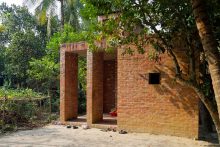
অর্জুন গাছের পিছনে ১৫শতকের মন্দির। ১৯৬৯ এ বাড়িটি কেনার সময় মন্দির এর জায়গা দান করা হয়; মূলত মন্দির আর বাড়িটি সহদর। লুট হয়ে যাওয়া মন্দিরের দুপাশের একতলা কাঠামো ছাড়া অবশিষ্ট নেই তেমন কিছু। এই নাট মন্দির শিশুদের খেলার জায়গা, সারাবছর মূর্তি তৈরি হয় এখানে। মন্দিরের চার থামে বাধা রয়েছে এই বাড়ির শিশুদের শৈশবের স্মৃতি।
মুল ফটকের বাম-এ পুকুর; গ্রীস্মকালে পুকুরের জলে ঝড়ে পরে পাকা আম। পুকুরভরতি মোটামাথার বিশাল কাতল আর রুই মাছ, যার পাড়ে গর্ত করে বাসা করে নীল মাছরাঙ্গা ।
পশ্চিমে মাটির রান্নাঘর, সাথে বড় বাগান — কি নেই তাতে? আম গাছ, বেল গাছ,কিম্বা বাতাবি লেবু ও লিচু গাছ; পেঁপে গাছে কানাকুয়ো পাখি কিম্বা নারকেল গাছ বেয়ে উঠা লাল পিঁপড়ার দল। রাতে এই বাগানে মেলা বসতো পেঁচা, বাদুর ও হাজার হাজার জোনাকির। জঙ্গল ঘিরে নদী, কোন এক বাবা কাঁধে করে মেয়েকে তুলে দেয় কছুরিপানার ফুল; জঙ্গল তাকে গল্প শোনায় – তুলোর বুড়ি কিম্বা সোনার শিঙওয়ালা হরিণের গল্প ।
দিদিভাই,তোমার জন্য লাল মলাটের তেল চিটচিটে খাতায় আমার এই লেখা। ২০০৩ এ নষ্ট হয়ে গেছে এই বাড়ির প্রায় সবই। জ্বলে যাওয়া কাল কালির অক্ষরে পেয়ে যাবে আমার বাড়ি। ভরদুপুরে তোমাকে স্বাগতম। তুমি লাল মলাট সরিয়ে পা রেখো আমার বাড়ির উঠানে।
My distance is from Terodag to Harinershing, Shailikupa Khulna division. Upon crossing Terodag, through the south door, you will enter the house’s yard. You will be able to hear the sound of betel boxes. As you walk along the path of Shandhyamalati flowers, you will be able to see Madhabilata plants covering the cornice of my house. Orange hibiscus, Cotton rose, Kalkijaba, Nayantara flowers can be spotted nearby. On the left, you’ll see a pond, with houses on both sides, a temple on the North and Kumar river alongside. The sun rises behind the Arjun tree, the fruit of which has a similar green texture like star fruit. The courtyard is vast like the palm of the hand, where, during summer, you’ll see potato wafers and rice wafers; during monsoon, frogs jump amidst the earthy smell of the soil; during winter, the dog sunbathes with its 3 puppies.
From the yard, rises the four feet stairs to the houses. The cracks on the surface are like the wrinkles on my face. Thick wooden doors have locks; the walls are lined with thick steel, in the gaps of which grow small banyan trees. An eighty-year-old woman guards pickle jars on the verandah, from 12 pairs of flying pigeons. Inside the house, you will see tarred beds, or blue painted rusty window grills. There are hundreds of glass jars containing pickles, or sugar puff with shapes of elephant, horse or fish brought by some child from the fair.
Beyond the Arjun tree, stands the 15 Century temple. In 1969, when the house was bought the land for the temple was donated; the temple was part and parcel of the house. There is nothing left but the one-storey structure on both sides of the looted temple. This Nat Temple is a children’s playground, where idols are made all year round. The four pillars of the temple are the testimony of the children’s childhood memories.
To the left of the main gate is the pond, where ripe mangoes fall during summer. The pond is filled with large Katal, Ruhi fish, with blue kingfishers making holes in the bank.
To the west, is the kitchen made of mud, with a large garden next to it — what’s not in this garden? The Kanakuyo bird can be seen eating papaya, the red ants climbing the coconut trees, large mango tree, wood apple tree, limetree, or the litchi tree. Owls, bats, or thousands of fireflies’ chirp at the garden at night. The river surrounds the forest, where a father picks water hyacinth for his daughter. The forest reads out fairytale stories of ‘tulor buri’ or ‘shonar horin’ to her.
Didibhai, this is my greasy red cover notebook, written for you. In 2003, almost everything of it has almost ruined. You will find my house in the letters written in burnt black ink. You are welcome at mid-day. Remove the red cover and step in my house’s yard.
Your didimoni
Name: Karabi Datta
Profession: Student (Statistics, PUST) (2nd year 2nd semester)
Address:Sailukupa
Construction period:1969
হারিয়ে যাচ্ছে আমাদের গ্রাম। হারিয়ে যাচ্ছে মাটি ও মানুষের আত্মিক সম্পর্ক। জীবন ও জীবিকার সংগ্রামে আমরা ভুলতে বসেছি আমাদের শেকড়। গ্রামের বাড়ি আজ যেন এক নস্টালজিয়া। শুধু বেঁচে আছে আমাদের স্মৃতিতে। কি রেখে যাচ্ছি আমরা ভবিষ্যত প্রজন্মের উদ্দেশ্যে? সেই শিকড়ের খোঁজে আমরা খোলা চিঠির আহ্বান জানিয়েছিলাম।
আপনি যদি অংশগ্রহণের কথা বিবেচনা করে থাকেন তবে যত তাড়াতাড়ি সম্ভব চিঠিটি প্রেরণ করুন।
CONTEXT (www.contextbd.com) and their collaborators jointly hold the copyrights of all contents including, but not limited to, all text, information, illustrations, images. You may not duplicate or reproduce any of the content on this website, including files downloadable from this website
The narrow, linear site is measured 100 ft by 20 ft and characterized by lush vegetation surrounding it. Restricted by the limited budget and site constraints, the goal was to design a basic single-storey house with the linear articulation of domestic spaces based on the degree of privacy. Habitable spaces are arranged along a circulation spine that connects the semi-private and private spaces through an open courtyard. The shifted, segmented, and alternated walls are strategically placed to perform both as structure and as perforated enclosure while creating a strong connection with its surrounding.
Spatially, the house is divided into two parts and separated by a court which contains a kitchen. The front portion comprises the dining cum living space and this living has an outdoor extension which has given privacy from the road by a wall and exposes it to the adjacent green. A small kachari (visitors seating) beside the entry door is facing a small garden. A flight of steps leading towards the roof from dining cum living space is designed to facilitate future extension. The rear part contains two bedrooms with attached toilets and a long linear verandah connecting the bedrooms to the front and the back of the house while protecting the room from the west sun.
This project applies the urban design principles of “Sponge City” in the context of Khulna, Bangladesh. It advocates for an absorbent urban environment to cope with excess rainfall and water-related disaster. It uses nature-based infrastructure to bring environmental and socio-economic benefits. The sponge city programme is currently in place as a key planning approach for urban developments across China.
Khulna, a low-lying city in the Ganges-Brahmaputra delta, is located on the south-western coast of the Bay of Bengal. Water, being the source of life and hazards, has a large impact on this region. Over the last several decades, the region is experiencing notable changes in local human and natural habitats. Experts often explain this as an effect of climate change. Rising sea level coupled with an increasing amount of rainfall is causing frequent waterlogging and flooding in urban and rural areas of Khulna. Moreover, the soft surface to absorb the rainwater is disappearing fast due to continuing urbanization and river encroachment. The objective of this project is to explore sustainable design strategies for managing urban stormwater that would potentially perform as a catalyst for regenerating the landscape of the city.
An online survey among different groups of people from Khulna city, which was conducted as a part of the study, has identified different aspects of waterlogging, flooding, and climate change. Human interventions are commonly identified as causes of waterlogging and flooding. Moreover, climate change is playing a driving role in water management and natural drainage systems. The Mayur River that passes through the urban and peri-urban areas of the city, is heavily suffering from illegal encroachment, lack of waste management, and planning policy. Whereas in the past, the Mayur River used to be the main stormwater flow path in this area. Further, due to rapid urbanization, public and private open spaces such as courtyards, gardens, and ponds are disappearing at an alarming rate, thus making the urban area vulnerable to stormwater flooding.
Under these circumstances, a water-sensitive landscape design solution- Sponge City- holds promises to alleviate the situation. In a conventional city, development disrupts the natural water balance, by rapidly discharging the stormwater to the waterways. Sealed concrete surfaces of the city also create heat islands. The concept of ‘sponge cityscape’ enables the application of certain different strategies in a unified way. According to this concept, a large part of rainwater would be retained in the city and slowly discharged into the waterways. Many small retention storage spaces would be created at the street and building levels which would collectively reduce the urban runoff. At the same time, it would help to improve the urban microclimate through evaporative cooling.
The proposed strategies include the retention of stormwater both underground and above the ground to restrict the runoff water. Other strategies include rainwater harvesting, implementing bioswale area in the streetscape, securing the remaining ponds and lakes in the city.
Uncovering and unsealing are the ways to revive the old natural canals or water sources which was channelized or covered by the pipe system. The use of water-permeable materials in public plazas, outdoor markets, and parking spaces would absorb the excess water and recharge the aquifer.
Moreover, the proposal also applies the idea of multifunctionality which plays a vital role in riverside landscape regeneration. A water park around the Moyur River area is proposed following this idea. Strategies include reclamation of the river edge from illegal encroachment with the help of the local community. In the dry season, the proposed multifunctional open space along the riverbank will perform as a recreational space while in the rainy season it will become an active part of the river. In this way, the water park would enhance the interaction between the community and the natural ecosystem.
কেমন কাটছে তোমার শহুরে জীবন? তোমার কি জানতে ইচ্ছা করে কেমন ছিল আমার গ্রামের বাড়ি? আজ তোমাকে বলব আমার সেই মাধুর্যময় ছোটবেলার কথা।
সারাবছর অপেক্ষার পর বার্ষিক পরীক্ষা শেষে আসত সেই আকাঙ্ক্ষিত ছুটি। ব্যাগ-বস্তা গুছিয়ে পরিবারসহ রওনা হয়ে যেতাম গ্রামের বাড়ির উদ্দেশ্যে। পটুয়াখালী জেলার বড়বিঘাই ইউনিয়নের সাইচাবুনিয়া গ্রাম। বাসে করে লম্বা রাস্তা পাড়ি দিতে দিতে দুপাশের ছড়ানো ধানক্ষেত আর পদ্মবিল দেখত দেখতে স্বপ্নের রাজ্যে হারিয়ে যেতাম। বাস থেকে নেমে নসিমন নামের এক বিশেষ গাড়ী, তারপর ট্রলার, সবশেষে পায়ে হেঁটে যখন নানুবাড়ির দোরগোড়ায় পৌঁছুতাম তখন গভীর রাত। ল্যাম্পুর টিমটিমে আলোয় নানীজানের রান্না করা ঝাল ঝাল তরকারি দিয়ে ভাত খেয়ে কাঁথা বিছানো নরম বিছানায় লেপমুড়ি দিয়ে ঘুমিয়ে পরতাম।
সকালে ঘুম ভাঙত কবুতরের গম্ভীর বাকবাকুম ডাকে। সেই কাকডাকা ভোরে সবাই উঠে পড়ত। পুরো বাড়ি মানুষের আওয়াজে গমগম করত। নানী আর মামীরা রান্নাঘর কাজে লেগে যেতেন। মামারা উঠানের সামনের সবজি ক্ষেতের যত্ন নিতেন। আগাছা পরিষ্কার আর পানি দিয়ে ডালা ভর্তি তাজা সবজি নিয়ে ফেরত আসতেন। মামাতো ভাইরা গরু ছাগল নিয়ে যেত মাঠে। ততক্ষণে কুয়াশা ফুঁড়ে রোদ এসে উঁকি দিত। নানীজান ডাক দিতেন নাস্তার জন্য। রান্নাঘরের সামনে খোলা বারান্দায় নরম রোদের মধ্যে পাটি বিছিয়ে খেতে বসতাম। নতুন চালের ভাপা, পুলি, পাটিসাপটা হরেক রকম পিঠা থাকত। কখনো থাকত সেই তাজা সবজি দিয়ে রান্না করা খিচুড়ি, কখনো আবার গরম ধোঁয়া ওঠা ভাতের সাথে কয়লায় পোড়ানো বেগুন ভর্তা আর শুকনো মরিচ। বেলা বাড়লে মামাতো ভাইয়েরা হইচই করে পুকুরে মাছ ধরতে নামত। আর আমি বোনদের সাথে সেই মাছ কুড়িয়ে টুকরিতে নিতাম। দুপুরে রান্না করা তাজা মাছের সেই স্বাদের কোন তুলনা হয় না। মাঝেমধ্যে ভাইরা কলাগাছ কেটে ভেলা বানিয়ে দিত। আমরা সেই ভেলা বাকিয়ে পুকুরজুড়ে ঘুরে বেড়াতাম। বিকাল বেলা উঠানে খেলা শুরু হতো। কানামাছি, গোল্লাছুট, বৌ-চার খেলতে খেলতে সন্ধ্যা। ইলেক্ট্রিসিটি না থাকায় সন্ধ্যা হলেই গাঢ় অন্ধকার চেপে বসত। ল্যাম্প আর হারিকেনের আলোয় সেই অন্ধকার দূর হত না। শীত কমাতে সবাই চুলার আগুন ঘিরে বসে গল্প করত। মাঝেমধ্যে বড়মামা ভূতের গল্প জুড়তেন। সেই রোহমর্ষক গল্প শুনে ছোট থেকে বড় সবার গায়ে কাটা দিয়ে উঠত।
নানুবাড়ির সামনে ছিল বিশাল উঠান, তার পাশে ছিল ইয়া বড় পুকুর। উঠানের সামনে একদিকে সবজীক্ষেত আর একদিকে বড় গাছের বাগান। সেই বাগানে দিনের বেলাতেও আলো ঢুকতো না ঠিক করে। নানা ভুতপ্রেতের কাহিনী ছিল সেই বাগান জুড়ে। সেই ভিটেবাড়ির চারপাশজুড়ে আদিগন্ত বিস্তৃত ধানক্ষেত। শীতের সকালে কুয়াশা মোড়ানো সেই পাকারঙ্গা ধানক্ষেত দেখে মনে হত কেউ বুঝি মাঠ জুড়ে সোনা বিছিয়ে রেখেছে।
গ্রামের শীতের সকালগুলো একেকদিন একেক রকম হত। কোনদিন সকালে উঠে দেখতাম ধান কাটার তোড়জোড় শুরু হয়েছে। কাটা ধান আঁটি বেঁধে মাথায় করে এনে উঠানে টালি করে রাখা হচ্ছে। পরদিন হয়তো ঘুম ভাঙত ধান মাড়াইয়ের শব্দে। মামীরা পুকুরপাড়ে সেই ধান উড়াতেন। কোনদিন সকালে আবার সেই ধান সিদ্ধ করে দেওয়া হত। সিদ্ধধান ছড়িয়ে দিলে তারমধ্যে গুপ্তধনের মত পাওয়া যেত কলাপাতায় মোড়ানো ধান-ভাপা পিঠা। খেজুর রসে ভিজিয়ে সেই পিঠা খেতে কিযে মজা !
এমনি করে দেখতে দেখতে কিভাবে যেন ছুটি শেষ হয়ে যেত। সেই সুন্দর মায়াবী গ্রামগুলো এখন আর নেই। ইলেক্ট্রিসিটির আলোয় তারাভরা উজ্জ্বল আকাশ অথবা ভরা জ্যোৎস্নার আলোআঁধারি কোনটাই উপভোগ করা যায় না। আধুনিক এই প্রযুক্তিগত সভ্যতার সাথে সাথে সেই প্রাকৃতিক প্রাচুর্যও ফেরত আসা দরকার। তোমাদের প্রজন্মই হয়তো সেই গুরুদায়িত্ব কাধে নেবে এই আশা করি।
ইতি
তোমার দাদিমা
নামঃ নাবিলা নার্গিস
পেশাঃ ছাত্রী
বয়সঃ ২৩
এলাকাঃ পটুয়াখালী জেলার বড়বিধাই ইউনিয়নের সাইচাবুনিয়া গ্রাম
How is your city life going? Do you ever wish to know how my village house was? Today I will share the tales of my sweet childhood with you.
After waiting all year, at the end of the annual exams those long-awaited holidays used to come. I packed my bag and baggage and left with my family for our village home – Saichabunia village of Barabighai union in Patuakhali district. Throughout the journey on the road by bus, I used to get lost in the realm of dreams seeing the paddy fields and lotus ponds on both sides of the road. On a special vehicle named ‘Nasimon’ after getting off the bus, then on a trawler, finally on foot when we reached the doorstep of my grandma’s place, it happened to be the in middle of the night. Having our supper in a dim gleam of lamp with rice and hot-spicy curry cooked by Nanijan (grandmother), we fell asleep on the soft warm bed covered up with the warm blanket.
We woke up to the coo of the pigeon every dawn. Everybody used to get up that cockcrow in the morning. The whole house remained filled with the resonance of the peoples’ voices. Grandmother and aunts got engaged with cooking stuff. Uncles used to take care of the vegetable field in front of the yard. They watered the plants, cleaned up the weeds and used to come back with baskets full of fresh vegetables. My cousins used to take the cows and goats to the field for grazing. By that time the sun peeked through the fog. Nanijan used to call us for breakfast. We sat for our breakfast on a mat on the veranda in front of the kitchen, beneath the soft sunlight. There used to be Vapa, Puli, Patisapta and many more pithas (sorts of local cakes) made of new rice. Sometimes there was ‘khichuri’ (hotchpotch) cooked with fresh vegetables, sometimes there were smoky-hot steamed rice with mashed brinjal burnt on charcoal and dried chilies. As the day progressed, my brothers used to go fishing in the pond. And I used to pick up the fishes and put those in the basket with my sisters. There is no comparison to the taste of those fresh fishes cooked at noon. Sometimes my brothers used to cut banana trees and make rafts. We floated all around the pond on that raft. In the afternoon the games started in the yard. It usually would be evening playing Kanamachi, Gollachhut, Bou-chor, etc. As there was no electricity back then, no sooner had it fallen dusk than it became very dark all around. Lamps and hurricanes could not cease that darkness. To reduce the cold, everyone used to sit around the stove and chitchat. Sometimes my uncle used to yarn ghost stories. Hearing those thrilling stories, everyone from the youngest to the oldest used to come up with shivers down their spine.
There was a large yard in front of my grandma’s house, next to it was a big pond. In front of the yard, there was a vegetable garden on one side and a large orchard on the other side. Sunlight hardly entered the orchard during the daytime. There were many ghost stories about that orchard. There were vast paddy fields around this house, as far as the eyes could see. Seeing those tow-coloured paddy fields in the foggy winter morning, it seemed as if someone had sprinkled gold all across the field.
Winter mornings in the village felt anything but repetitive. Some days we woke up to the clamour of villagers of harvesting paddy, bundling them up and laying them over the courtyard. Maybe the next day we got up to the sound of threshing. Aunts used to clean the threshed paddy by the pond. Some morning afterward the crops were boiled to separate the grains. Sometimes some ‘Dhan-vapa pitha’ (sort of rice cake) wrapped in banana leaves could be found as a hidden treasure with the spread boiled paddy. How delicious it was to eat that pitha drenched in date juice!
This is how the holidays came to an end. Those beautiful, mesmerizing villages are no more. Neither the bright starry sky nor the full moon can be enjoyed in the light of electricity. Along with this modern technological civilization, that natural abundance also needs to come back. I hope that your generation will take on that responsibility.
Love,
Your Grandmother.
Author: Nabilah Nargis
Occupation: Student
Location: Saichabunia village of Barabighai union in Patuakhali district
Age: 23
Ethnicity: Bengali
Building Materials: Mud, wood, bamboo, thatch, tree stump
Construction period: About 150 years ago
হারিয়ে যাচ্ছে আমাদের গ্রাম। হারিয়ে যাচ্ছে মাটি ও মানুষের আত্মিক সম্পর্ক। জীবন ও জীবিকার সংগ্রামে আমরা ভুলতে বসেছি আমাদের শেকড়। গ্রামের বাড়ি আজ যেন এক নস্টালজিয়া। শুধু বেঁচে আছে আমাদের স্মৃতিতে। কি রেখে যাচ্ছি আমরা ভবিষ্যত প্রজন্মের উদ্দেশ্যে? সেই শিকড়ের খোঁজে আমরা খোলা চিঠির আহ্বান জানিয়েছিলাম।
আপনি যদি অংশগ্রহণের কথা বিবেচনা করে থাকেন তবে যত তাড়াতাড়ি সম্ভব চিঠিটি প্রেরণ করুন।
CONTEXT (www.contextbd.com) and their collaborators jointly hold the copyrights of all contents including, but not limited to, all text, information, illustrations, images. You may not duplicate or reproduce any of the content on this website, including files downloadable from this website
তুমি দ্রুত বড় হয়ে যাচ্ছো। তোমার বয়স এখন চৌদ্দ বছর। কদিন পরে তুমি হয়ে যাবে একজন সুদর্শন তরুণ। তখন তোমাকে আর পায় কে? তোমার তখন মনে রঙ লাগবে। চোখে খেলা করবে রঙিন স্বপ্ন। এখনই তোমাকে গল্প করার জন্য পাওয়া যায় না! সারাদিন তোমার চোখের সামনে খোলা থাকে হয় স্মার্ট ফোন নয় ল্যাপটপ, নয় টিভি স্ক্রিনে ভিডিও গেমের জগতে ঘুরে বেড়ায় তোমার চোখ আর মন। কানে গোঁজা থাকে ইয়ারফোন। ভার্চুয়াল পৃথিবীই এখন তোমাদের পৃথিবী। তোমার জন্ম শহরে। বড়ও হয়ে উঠছো শহরে। আমরা অনেকদিন ঢাকার হাতিরপুল এলাকায় ভাড়া বাসায় ছিলাম। সেখানে তোমাদের কোনো খেলাধুলার জায়গা ছিল না। তোমার বাবা একটু প্রাকৃতিক পরিবেশে, খোলা জায়গায় যাতে তোমরা ঘোরাফেরা করতে পারো, সেজন্য ঢাকার বর্ধিত আবাসিক এলাকা বসুন্ধরায় ফ্লাট কিনলো। এখানে ছিমছাম পরিবেশ। রাস্তাঘাট বেশ নিরিবিলি। বাসায়ও আছে সুন্দর বাগান, খোলা কমন স্পেস। তবে সেসব জায়গায় খেলাধুলা করার সময়ই নেই এখন তোমার। কিন্তু খোলামেলা জায়গায় ঘুরতে, দৌড়াদৌড়ি করে খেলতে তুমি অনেক ভালোবাসো, সেটা আমি জানি। কারণ, ছোট থাকতে তুমি মানিকগঞ্জের পশ্চিম দাশরা গ্রামে তোমার দাদাবাড়ি, যেটা তোমার গ্রামের বাড়ি, যতবার গিয়েছো, ততবারই তুমি খোলা উঠোনে খেলায় মেতে উঠেছো। বারান্দা থেকে লাফিয়ে নেমেছো উঠোনে। আঁজলা ভরে ধুলো নিয়ে এর ওর গায়ে ছুঁড়ে দিয়েছো। গাছের পাতা ছিঁড়ে ডাল ভেঙে একাকার করেছো। এসব দেখতে আমার খুব ভালো লাগতো। আমার তখন তোমার বাবার ছোটবেলার কথা মনে হতো। ছোটবেলায় তোমার বাবা ধুলোমাটি দিয়ে সারাদিন খেলতো। দিনশেষে আমি যখন বাড়ি ফিরে আসতাম তখন ওকে মনে হত একটা মাটির পুতুল। হ্যাঁ, আমি তখনও ছিলাম ছাত্রী। তোমার বাবার ফুপুদের সাথে আমি কলেজে যেতাম। ফিরে আসতে আসতে বিকেল হয়ে যেত। গাছপালার তলা দিয়ে পায়েচলা পথ পেরিয়ে আমি যখন বাড়িতে ঢুকতাম, তোমার বাবা দৌড়ে এসে আমাকে জড়িয়ে ধরতো। গা ভরতি মাটি। নাক দিয়ে পানি পড়ছে। জামাকাপড়ে কাদা পানি। তোমার বাবার বয়স ছিল তখন তিন-সাড়ে-তিন বছর। ছুটোছুটি করে বেড়াতো। মোরগমুরগির পেছনে ছুটতো। কলতলায় গিয়ে পানি কাদা মাখামাখি করতো। সবজি বাগানে গিয়ে গাছের লতা ধরে টানাটানি করতো। তুমি গত কয়েক বছরে বেড়াতে গিয়ে যে বাড়ি দেখেছো, তোমার বাবার ছোটবেলায় কিন্তু বাড়িটা এমন ছিল না। ছিল অন্যরকম। শান্ত, খোলামেলা, রৌদ্রময়, ছায়াঢাকাও ছিল। তাই বাড়ির নাম ‘ছায়ানীড়’। একটা ছোট্ট শ্বেতপাথরে বাড়ির নামফলকটা এখনও সদর দরজায় লাগানো আছে। এখন বাড়িতে কেউ থাকে না বলে ছায়ানীড়ের সৌন্দর্য আর সমৃদ্ধি সবই শেষ হয়ে গিয়েছে। কিন্তু যখন আমি ওখানে থাকতাম, সেটা হল ১৯৭৬ থেকে ১৯৮১ এই পাঁচ বছর। তখন বাড়ি ছিল লোকজনে সরগরম। তোমার বাবার দাদা দাদি চাচা ফুপু সবাই তখন ঐ বাড়িতে। সবাই স্কুল কলেজে পড়ে। আমার চাচা শ্বশুরও সপরিবারে ঐ বড়িতে থাকতেন। তাঁদের আলাদা ঘর ছিল। কিন্তু এখন যেমন দেখছো তেমন ছিল না। এবার তাহলে বাড়িটার একটা মানচিত্র আঁকি।
১৯৭৩-এ বিয়ের পরে আমি যখন প্রথম ঐ বাড়িতে যাই, সে সময়ে বাড়িতে ছিল মোট দুটো ঘর। পুব দিকে বড় ঘর আর দক্ষিণ দিকে এক রুমের একটা ছোট দোচালা ঘর। এ ঘরটাতে আমি থাকতাম। (কয়েক বছর পরে অবশ্য ঘরটির পাকা দেয়াল করা হয়েছিল। রুমও একটা বাড়ানো হয়েছিল।) আর মূল ঘরটি ছিল উত্তরে দক্ষিণে অনেকটা লম্বা। ওখানে আসলে দুটো ঘর একসাথে তোলা হয়েছিল। একপাশে তোমার দাদাদের ঘর, আর অন্যপাশে তোমার দাদার ছোট চাচার ঘর। দুই ঘরের সংযোগ স্থানে একটা ছোট রুম। এটা কমন। অনেক বছর পরে এইসব জায়গা ভাগটাগ হয়ে আলাদা আলাদা ঘর আর সীমানাদেয়াল তুলে বাড়িটাকে ঘিঞ্জি বানিয়ে ফেলা হয়েছে। বলছিলাম তোমার বাবার শৈশবকালে বাড়িটার চেহারার কথা। বাড়ির বাইরের দিকে একটা উঠোন আর ভেতরে একটা উঠোন। মূল ঘর থেকে নেমে ভেতরবাড়ির উঠোন পেরিয়ে পশ্চিম দিকে রান্না ঘর। উঠোনের মাঝখানে ছাতার মত ছড়ানো এক পেয়ারা গাছ। বাড়ির সবাই কাঠবিড়ালির মত যখন তখন এ গাছের ডালে চড়ে বসে থাকতো। খুব মজার পেয়ারা হত। রান্নাঘরের পেছনের অংশে ছায়াঢাকা অনেকটা জায়গা। সেখানে বড় বড় কাঁঠাল, নারিকেল, বড়ই পেয়ারা নিম আর মেহগনি গাছ। আর ছিল মনের আনন্দে ডালাপালা মেলা একটা এলাচি লেবু গাছের জঙ্গল। গাছ ভরতি সবুজ বাল্বের মত লেবু। সুগন্ধে পুরো জঙ্গল মউ মউ। একপাশে টিউবওয়েল। মানিকগঞ্জে পানির অভাব। টিউবওয়েলের পানিও আয়রন ভরতি। সেখানে তোমাদের বাড়ির টিউবওয়েলের পানি খুব ভালো ছিল। আশেপাশে ছিল বেশ কয়েকটা দরিদ্র রাজবংশী জেলে পরিবার। সেসব বাড়ির বউ ঝিয়েরা কলসি নিয়ে আসতো কলের পানি নিতে। আর সকালের নাশতা খাওয়া হয়ে গেলে একরাশ থালাবাটি হাড়িপাতিল নিয়ে কলতলায় মাজতে বসে যেতাম। ততক্ষণে বাজার আসতো। সেই ছায়াঢাকা গাছতলাতে বসে আমরা মাছ তরকারি কুটে ধুয়ে রান্নার জন্য প্রস্তুতি নিতাম। কলতলা থেকে একটু দূরে একটা ডোবা ছিল। মাটি কেটে বাড়ি বাঁধানোর সময় তৈরি হয়েছিল ঐ ডোবা। আমরা সেখানে কাপড় টাপড় কাচতাম। তবে পানি তত ভালো না হওয়াতে গোসল করতাম না। কিন্তু রাজবংশী পাড়ার লোকজন এসে তাতে স্নানও সারতো। তোমাদের বাড়ির পুব দিক দিয়ে বয়ে যেত একটি খাল। উত্তরে দক্ষিণে প্রবাহিত এ খালটি কালীগঙ্গা নদীর এক পাশ দিয়ে বেরিয়ে মানিকগঞ্জের কয়েকটি গ্রাম বেড় দিয়ে আবার আর এক পাশে কালীগঙ্গার সাথেই মিশেছে। এ খালটিতে বলতে গেলে সারা বছরই পানি থাকতো। আমরা কাপড়চোপড় ধোয়া আর গোসলের জন্য খালেই চলে যেতাম। বর্ষাকালে খালে লঞ্চ চলতো। লঞ্চের শব্দ শুনলেই তোমার বাবা ভোঁ দৌড় দিয়ে খালের পাড়ে চলে যেত। যতক্ষণ লঞ্চ দেখা যেত দাঁড়িয়ে থাকতো। একটা লঞ্চের নাম ছিল ‘মনের মিল’। সেটাকে তোমার বাবা আধো উচ্চারণে বলতো ‘মমের মিল’! এখন সে খাল শুকনো খটখটে। খালের দু পাড় স্বার্থান্বেষী মহলের দখলে। সেখানে নানারকম অবৈধ স্থাপনা গড়ে উঠেছে। আর খাল হয়েছে ময়লা আবর্জনার নর্দমা।
একবার বাড়িতে বনায়ন কার্যক্রম চললো। তোমার দাদা স্থানীয় কৃষি অফিস থেকে বেশ কিছু গাছের চারা নিয়ে এলো। নারিকেল, নিম, জলপাই, আম, জামরুল আর নানারকম কাঠের চারা। সে সব লাগানো হল। তোমার ছোট্ট বাবাটির হাত দিয়ে আমরা একটা মেহগনি গাছের চারা লাগালাম খালের পাড় ঘেঁসে। যাতে গাছটা বড় হয়ে খালের মাটি রক্ষা করতে পারে। গাছটা বেশ বড়–ও হয়েছিল। কিন্তু পরে দখলদারদের কারণে ওটা কাটা পড়েছে। দক্ষিণ দিকটা জুড়ে ছিল অনেকটা ফসলের জমি। সেখানে বেশিরভাগই পাট ধঞ্চে আর তরিতরকারির চাষ করা হত। আমার শাশুড়ি, মানে তোমার বড় আম্মা বাড়ির দক্ষিণ সীমানায় লাইন ধরে লাগিয়েছিলেন প্রায় দশ বারোটা নারিকেল গাছ। মৌসুম অনুযায়ী শাকসব্জিও লাগাতেন। জাংলার নিচে ঝুলে থাকতো লাউ-চিচিঙ্গা-চাল-কুমড়ো। আর নিচের জমিতে ফলতো টমেটো বেগুন ঢেঁড়স, পুঁইশাক। প্রতিদিন তাজা শাক সবজি আর বাজার থেকে কিনে আনা তাজা মাছ রান্না হত। একবার একটা গাভীও কেনা হয়েছিল। এত সুন্দর ছিল দেখতে, তোমার দাদার বোনেরা সেই গাভীর নাম দিল ববিতা। বাড়ির সদর দরজা পেরিয়ে দক্ষিণ দিকের টানা জায়গাটায় কয়েকটা নারিকেল সুপুরি আর কাঁঠাল গাছ ছিল। তার ছায়ায় বসে ববিতা জাবর কাটতো। তোমার বাবা একটা ঘাস কিংবা একটা কাঁঠাল পাতা গরুটার মুখের সামনে নিয়ে বলতো, খাও গরু খাও, অনেক মজা।
উত্তর দিকটার কথা বলি এবার। বাড়ি থেকে বের হওয়ার জন্য আমরা তখন উত্তর দিকটাই ব্যবহার করতাম। একটা বেশ বড়সড় বাঁশঝাাঁড় জায়গাটাকে ছায়াময় করে রেখেছিল। খোলা কিছু জমি। ভাঁট ফুল, ছিটকি, বনকচু আর কলাবতীর জঙ্গলে ভরতি। আর একপাশে একটা শিমুল গাছ। শীত শেষ হলে লাল ফুলে ভরে যেত। বড় বড় ভারি ফুল ধুপ ধুপ করে নিচে পড়তো। শিমুলের ডালে বসে বসন্তের কোকিল ডাকবে না তা কি হয়? কোকিলও ডাকতো! শি শি করে হাওয়া বইতো। নিচে ঝরা বাঁশের পাতার ওপর পড়ে থাকতো শুকনো মেহগনি ফল। ওপর দিয়ে সর সর করে চলে যেত গুঁই সাপ আর গিরগিটি। ওরা ভয় পেত না। মাঝে মাঝে চলা থামিয়ে লাল লাল মোতির মত চোখ তুলে তাকিয়ে থাকতো। সে সময় শুধু তোমাদের বাড়ির চারপাশেই না আশেপাশেও অনেক জঙ্গল ছিল। এখানে সেখানে বাঁশঝাড় আর বড় ছোট গাছপালা, পুরোনো বাড়িঘর, ধ্বংসপ্রাপ্ত মন্দির দালান ঘিরে গজিয়ে ওঠা অনেক জঙ্গল ছিল। সেখানে থাকতো শেয়াল। এক দিক দিয়ে সন্ধ্যা হতো আর এক দিক দিয়ে ডেকে উঠতো শেয়ালের দল। একটা শেয়াল ডাকলে সমস্বরে অন্যগুলোও ডাকতে থাকতো। শেয়ালের ডাক খুব ভয় পেত তোমার বাবা। যতক্ষণ শেয়াল ডাকতো ততক্ষণ ভয়ে কাঁদতো ও! তখন গ্রামে ইলেকট্রিসিটি নেই। ঘরে আলো বলতে টিমটিমে হারিকেন। কাজেই ঐ ভুতুড়ে অন্ধকারে শেয়াল তো শেয়াল একটা বিড়াল ম্যাও করে উঠলেও ভয় লাগতো! এখন সেই বাড়ির ভূগোল অনেকটা বদলে গেলেও গাছপালা ছাওয়া একটা প্রাঙ্গণ আছে আর আছে স্মৃতির গন্ধ নিয়ে হু হু করে বয়ে যাওয়া বাতাস।
You are growing up so fast. Your age is fourteen now. In a few days, you will turn into a handsome young man. Who gets you then? You will get colours in your heart. Colorful dreams will play before the eyes. I don’t get to have small talk with you already! All day long, your eyes are stuck to the screen of either smartphone or laptop, your mind roams around the world of videogames or on the TV screen. Earphones are hanging from the ears. The virtual world is your world now. You are born in the city. You’ve been brought up in the city as well. We lived in a rented house in Hatirpul area of Dhaka for a long time. There was no place for you to play. So your father bought a flat in Bashundhara, an extended residential area of Dhaka, so that you can move around in a natural environment, in an open space. It’s quite a serene environment there. The roads are quite secluded. The house also has a beautiful garden, open common spaces here and there. But now you don’t have time to play there. But I know, you love to run around and play in the open. Because, when you were little, you used to play in the open yard every time you went to your grandfather’s house in West Dashara village of Manikganj. You used to gambol around the open yard, jumping off the porch into the yard. You’d take those handful of sands, sprinkling on others. Creating your own mess, plucking the leaves and breaking the stalks of trees. I so much loved to see all these things. Those reminded me of your father’s childhood. As a child, your father used to play in the dust all day long. When I returned home at the end of the day, he looked like a clay doll. Yes, I was still a student back then. I used to go to college with your father’s aunts. It would have been afternoon for me to return. When I entered the house through the walkway shaded by trees, your father used to rush in to hug me. His body bathed in dust, runny nose, mud all over his clothes. Your father was three-and-a-half years old then. He used to play around, run after the roosters all day. Used to play in the muddy water beneath the tubewell. He used to run to the vegetable garden to play with the vines. The house you saw in the last few years was not like this when your father was a child. It was different. It was calm, open, sunny and also shadowy. That is why the name of the house is ‘Chhayaneer (The Shadowy Nest)’. The nameplate of a small white stone house is still placed in the front door. Since no one is living there now, the beauty and wealth of ‘Chhayaneer’ is all but lost. But when I was there, it was 1976 to 1981 – these five years. At that time the house was always filled with the resonance of people’s chitter-chatter. Your father’s grandparents, uncle and aunt were all living in that house back then. Everyone used to go to school or college at that age. My uncle-in-law also lived with his family in that house. They had separate rooms there. But it was not as you see it now. Now, let’s draw a plan of the house.
When I first went to that house after my marriage in 1973, there were two rooms. A large one on the east side and a small pitch roofed one on the south. I used to live in this smaller one (A few years later, however, the room was paved with walls, a room was also extended later on). And the main house was quite elongated from north to south. There were actually two houses built together. On one side is your grandfather’s house, and on the other side is your grandfather’s youngest uncle’s house. A small room was there at the junction of two houses. This one was the common room. Many years later, after these properties have been divided into separate rooms, boundary walls and smaller rooms one after one made it crumby. I was talking about the outlook of the house when your father was a child. There was a yard on the outside of the house and another one inside. The kitchen was on the west side, down from the main house and across the backyard. A guava tree spread the canopy like an umbrella in the middle of the yard. Everyone in the house used to sit on the branches of this tree like a squirrel. The guava of that tree was really delicious. The kitchen backyard was pretty shadowy. There were big jackfruit, coconut, guava, neem and mahogany trees there. And was an orchard of cardamom and lemon trees spreading stalks with their heart’s content. The lemon trees were filled with lemons like green bulbs. The whole jungle remained overwhelmed with the aroma. There was a tubewell on one side. In Manikganj, we had scarcity of drinking water. Tubewell water also contained plenty of iron. The water from the tubewell in our house was pretty drinkable then. There used to live several poor Rajbangshi fishermen families nearby. The wives and daughters of those houses used to bring pitchers to fetch tap water. And after having breakfast, we used to sit on the floor with all the dishes to wash. By then the groceries would have arrived. Sitting in the yard by the shadowy trees, we washed and prepared the fish for cooking. There was a pond a little away from the tubewell. The pond was dug while building the house by cutting soil from there. We used to wash clothes there. However, I did not take a bath because the water was not so good. But the people of Rajbangshi Para used to come and bathe in it. A canal used to flow towards the east side of this house. The canal, which flows from north to south, exits on one side of the Kaliganga river, fences several villages in Manikganj and merges with the Kaliganga on the other side. This canal was filled with water all year round. We would go to the canal to wash clothes and take a bath. Launches used to run in the canal during the rainy season. As soon as your father heard the sound of the launch, he would rush off to the bank of the canal. Stood there as long as the launch could be seen. One of the launches was named ‘Moner Mil’. Your father used to call it ‘Momer Mil’ in his childish accent! The canal is bone-dry now. Both sides of the canal are occupied by selfish troops.
Various illegal structures are built there now. And the canal has become a sewer. Once we arranged some tree plantation activities in our house. Your grandfather brought some saplings from the local agricultural office. Coconut, neem, olive, mango, jamrul and various wooden saplings. So all of those were planted. With your father’s tiny hands, we planted a mahogany sapling along the canal. So that the tree can grow and protect the soil of the canal. The tree was quite large. But later it had to be cut down due to the occupiers. There was a lot of cropland across the south. Most of the jute and vegetables used to grow there. My mother-in-law, which means your great-grandmother planted about ten to twelve coconut trees along the line at the southern boundary of the house. She also planted vegetables according to the season. Gourd-chichinga-rice-pumpkin used to hang from the Jungla (a kind of bamboo pergola). In the lower lands, tomatoes, eggplants, potatoes, spinach are grown. Every day fresh vegetables and fresh fish bought from the bazaar were cooked. Once a cow was also bought. It was so beautiful to see, your grandfather’s sisters named that cow Babita. There were a few coconut supuri and jackfruit trees on the south side of the front door of the house. Sitting by its shadow, Babita used to chew the cud. Your father used to put grass or a jackfruit leaf in front of the cow’s mouth and say, “eat, cow, eat, it’s yummy!”
Let’s talk about the north side now. We used to use the north side to get out of the house. A large bamboo grove overshadowed the place. Some open land. Bhant ful (flowering shrub with little white flowers), chitki, bankachu and kalabati plants covered the whole ground. And on one side was a Shimul tree. When the winter was over, it would be full of red flowers. Flowers used to drop down on the ground. What is spring if the cuckoo doesn’t call sitting on the branches of Shimul? The cuckoo used to koo!
Then, the chilly wind started to blow. Dried mahogany fruit used to shred on the dry bamboo leaves. Snakes and chameleons used to crawl over it here and there. They were not afraid at all. Sometimes they would stop and look up with their red pearl-like eyes. At that time there were many jungles not only around your house but also spread further. There were bamboo bushes and big and small trees, old houses, lots of jungles growing around ruined temples. Foxes used to live there. As it started getting dark, a fox would howl and the rest of the group would join in harmony. Your father was very afraid of the howl. As long as the fox hawled, he kept crying in fear! By that time, there was no electricity in the village. There was that dipping hurricane lamp as far as light in the room was concerned. So in those haunted dark nights, it was so spooky even if a cat meowed around, let alone the fox howls! Today, the outlook of that house may have changed a lot, but there still remains a courtyard shaded by trees and the breeze blowing with the fragrance of old memories.
Love,
Your grandmother
Jharna Rahman
Bashundhara, 20 November 2020
হারিয়ে যাচ্ছে আমাদের গ্রাম। হারিয়ে যাচ্ছে মাটি ও মানুষের আত্মিক সম্পর্ক। জীবন ও জীবিকার সংগ্রামে আমরা ভুলতে বসেছি আমাদের শেকড়। গ্রামের বাড়ি আজ যেন এক নস্টালজিয়া। শুধু বেঁচে আছে আমাদের স্মৃতিতে। কি রেখে যাচ্ছি আমরা ভবিষ্যত প্রজন্মের উদ্দেশ্যে? সেই শিকড়ের খোঁজে আমরা খোলা চিঠির আহ্বান জানিয়েছিলাম।
আপনি যদি অংশগ্রহণের কথা বিবেচনা করে থাকেন তবে যত তাড়াতাড়ি সম্ভব চিঠিটি প্রেরণ করুন।
CONTEXT (www.contextbd.com) and their collaborators jointly hold the copyrights of all contents including, but not limited to, all text, information, illustrations, images. You may not duplicate or reproduce any of the content on this website, including files downloadable from this website
তোমাদের চিঠিটা যখন লিখছি তখন হয়তো পৃথিবীটা ঠিক আগের পৃথিবীটার মত নেই। চারপাশের পরিবেশটাও পালটে যাচ্ছে প্রতিনিয়ত। ছেলেবেলা গুলোও পালটে যাচ্ছে। তোমাদের ছোটবেলা আর আমাদের ছোটবেলায় যে দূরত্ব সেটা হয়তো তোমরা কখনও নিজের চোখে দেখতে পারবে না। তাই তোমাদের জন্য চিঠি লিখে যাচ্ছি। আমার ছোটবেলার গ্রামের বাড়ির কথা।
তোমরা গল্পে যে সবুজ গাছ পালায় ভরা গ্রামের বাড়ির কথা পড়েছো, ছোটবেলায় আমাদের গ্রামের বাড়িগুলো এমন ছিল। আমাদের বাড়ি ছিল চট্টগ্রামের রাউজান সুলতানপুর গ্রামের নন্দীপাড়ায় । আমাদের বড় পরিবারের বাবা কাকাদের একসাথে বাড়ি। বিশাল বড় জায়গা, চারপাশে বড় বড় গাছ। আম,কাঁঠাল, নারকেল, মেহগনি, সেগুন। গ্রামের বড় রাস্তা থেকে বাড়িতে ঢোকার রাস্তায় দুটো বড় পুকুর। পুকুরে নানা মাছ। সেটা পেরিয়ে বড় খোলা জায়গায় সারি সারি গাছ আর বাড়িতে ঢোকার আগে ছিল বড় একটা আম গাছ। প্রহরীর মত চারপাশে তার হাত ছড়িয়ে ছায়া দিয়ে রাখত৷ আম গাছ পেরিয়ে ঢুকতেই হাতের ডানদিকে ছিল আমার বাবার কাকুদের দোতলা মাটির বাড়ি। টিনের চালা দেয়া, সামনের দিকে খোলা বারান্দা দেয়া ৷ সেকালে যাদের বড় পরিবার ছিল তারা দোতলা মাটির ঘর বানাতো বড় করে। ওনাদের ও তাই ছিল। গ্রামের অন্য বাড়িদের মত। আর ঠিক বাঁ দিকে ছিল আমাদের একতলা মাটির ঘর ৷ টিনের চাল। দোতলা বাড়ির সামনেই ছিল আরেকটা মাটির একচালা ঘর ৷ আর আমাদের ঘরের সামনে ছিল ছোট বেড়ার ঘর। আগের দিনে আমার দিদুমণিরা সবাই ওই কুঁড়ে ঘরে রান্না করত ৷ আর দিন শেষে খালি উঠানে এসে সবাই বউরা মিলে পুঁথি পড়ত ৷ পুরো বাড়ির চারপাশে ছিল ছোট খালের মত করে কাটা। আমাদের ভাষায় ওটাকে আমরা বলতাম গড়াই। ভেঙে যদি বলো তাহলে গড় করা। তখনের দিনে গ্রামে সীমানা ভাগ করতে কেউ বেঁড়া, পাঁচিল দিত না ৷ সবাই গড়াই করে দিত। আর গড়াই এর দুপাশে গাছ লাগিয়ে দিত৷ এই ছিল জমি ভাগ করার উপায়।
ছোটবেলায় যখন বাড়িতে যেতাম তখন পুকুর পাড় থেকে বাড়িতে আসার পথে গাছে গাছে পাখিদের গান শুনতাম। সকালে সূর্যের আলো গাছের পাতার ফাঁক দিয়ে জানলা দিয়ে ঘরে এসে পরত ৷ বৃষ্টির দিনে পুকুরের পানি বেড়ে গিয়ে ডাঙ্গায় মাছ উঠে আসত। আর টিনের চালে বৃষ্টির আওয়াজ শুনতে পেতাম।রাতে মিট মিট করে হলুদ বাতি জ্বলত, আর চারপাশে ঝিঁঝিঁ পোকার ডাক, জোনাকি পোকা পথ দেখিয়ে নিয়ে যেত, হাতের মুঠোই নিয়ে লুকোতাম । শীতের দিনে কুয়াশায় সব ঢেঁকে যেত, গ্রামের বুড়োরা পাড়ার চায়ের দোকানে বসে টেলিভিশন চালিয়ে আড্ডা জুড়ত। রাঙামাটি আমাদের গ্রাম থেকে বেশি দূরে ছিল না বলে হাটবারে পাহাড়ীরা আসত বাজার করতে। কিন্তু তোমরা কি সেসব দেখতে পাবে? হয়তো পাবে ৷ হয়তো না ৷ পৃথিবী পাল্টাচ্ছে, গ্রামগুলো শহরের মত যান্ত্রিক হয়ে যাচ্ছে। হয়তো গ্রামের মেঠোপথ পালটে পিচঢালা রাস্তা হবে, মাটির বদলে ইট, সিমেন্টের দালান। কিন্তু যেমনটা গ্রাম আমরা দেখেছি সে স্মৃতি কখনও পাল্টাবে না। গ্রাম —সেই সবুজ গাছপালা, পুকুরের স্বচ্ছ জল, সন্ধ্যায় পাখির ঘরে ফেরা, মন্দিরের ঘন্টার শব্দ, বৃষ্টির টাপুর টুপুর। সে পৃথিবীটা অনেক সুন্দর দাদু। চিঠিতে যদি সেটার অনুভূতি পাও, তাই লিখে গেলাম।
ইতি,
তোমাদের দাদাই
অন্যান্য তথ্য
নাম – সুদীপ্ত নন্দী
পেশা– ছাত্র
(স্থাপত্য ও পরিকল্পনা বিভাগ )
চট্টগ্রাম প্রকৌশল ও প্রযুক্তি বিশ্ববিদ্যালয় , চট্টগ্রাম
বয়স – ২১ বছর
স্থানীয় ঠিকানা – রাউজান সুলতানপুর নন্দীপাড়া
বর্তমান ঠিকানা – নন্দনকানন , চট্টগ্রাম
পূর্বপূরুষের তথ্য্ – এই বংশের পূর্বপুরুষেরা রাউজান সুলতানপুরের নন্দীপাড়া গ্রামে বসবাস শুরু করে । এই বংশের মুকুটরায় নন্দী মতান্তরে রায়মুকুট নন্দী মুসলমান শাসনামলে হিন্দু জমিদার ছিলেন । বসবাস শুরুর পূর্বে এখানে বসতবাড়ি তেমন ছিল না , গরু চরানোর ভূমি হিসেবে ব্যবহার করা হতো । এই বংশটি বলা যায় বিশাল শাখাপ্রশাখায় বিভক্ত হয়ে গেছে , যার একটি ক্ষুদ্র শাখা অংশ মাত্র ।
পুরোনো অবস্থা – পূর্বে মাটির বাড়ি ৩টি বাড়ি ।( দুটি একতলা , ১টি দোতলা )
বর্তমান অবস্থা – বর্তমানে দোতলা বাড়িটি ভেঙ্গে গেছে । তার সামনের মাটির বাড়িটি ভগ্নপ্রায় , অন্য মাটির বাড়িটি কে টিনের বাড়ি করা হয়েছে , বসবাসের সুবিধার্থে । পরিবর্তনের আগে একতালা মাটির বাড়িতে বারান্দা ছিল যা বর্তমানে অনুপস্থিত। বাঁশ এর কুঁড়ে ঘর টিকে টিনের করা হয়েছে ।
When I am writing you this letter, perhaps, the world will not be the same as before. With the constantly changing environment, childhoods have evolved as well. Undoubtedly, you will never be able to perceive the difference between our childhood with yours. Hence, I’m writing you a letter about my childhood village home.
Our village homes were like those you read about in stories, amidst green and full of trees. It was in Nandipara of Raozan Sultanpur village in Chittagong. In our big family, our father and uncles had a house together. Big trees like mango, jackfruit, coconut, mahogany and teak encircled vast spaces. On arrival to the house from the main road, were two big ponds, with a variety of fish. Beyond that, there was an open space with rows of trees and a large mango tree located at the entry to the house. The mango tree, like a guard, with its spreading canopy, provided shade to the surroundings. Upon crossing the tree, to the right was my father’s uncles’ two-storied mud house, tin-roofed with an open front facing verandah. At those times, only larger families built two-storied mud houses like this, identical to other village homes. On the left, was our one-storied, single tin-roofed mud house. Opposite the two-storied house was another single-roofed mud house. And situated in front of our house was a small fenced hut. Previously, my grandmothers used to cook in the small hut and, at day end, the women would gather in the yard to read books. Small canal-like channels bordered the whole household. It was locally known as gorai, meaning a moat. Back then, in villages, fences or walls were not used to divide the land. Rather, gorai was used with trees planted alongside them.
During childhood, while heading home, I listened to the singing of the birds in trees, all the way from the pondside to home. In the morning, sunlight gleamed past the window through the gaps of the tree leaves. On rainy days, the water of the pond rose and brought the fishes ashore. I could hear the sound of the raindrops on the tin roof. At night, yellow lights flickered, besieged by the sound of the crickets; the fireflies led the way as I tucked them in my fist. In winter, everything was cloaked in fog, and the elders of the village sat and chatted in the neighborhood tea shop with television turned on. Since Rangamati was not far from our village, people from there came to the market for shopping. But will you be able to see any of it? Maybe you will. Maybe not. As the world is reforming, villages are adopting the mechanical lifestyle like the cities. Probably, the pitch roads will replace paved ones, and brick-cement houses will take the place of mud houses. Nevertheless, the memories we have will never fade away – a village with green trees, clear water of ponds, homeward birds flying in the evening, sound of temple bells and drizzling rain. That was a beautiful world, grandchild; hope that you will feel it through this letter.
Yours truly,
Your Grandfather
Other Information
Name– Sudipta Nandi
Profession– Student
(Department of Architecture and Planning)
Chittagong University of Engineering and Technology, Chittagong
Age– 21 years
Local Address– Raozan Sultanpur Nandipara
Current Address– Nandankanan, Chittagong
Ancestor Information – The ancestors of this family started living in Nandipara village of Raozan Sultanpur. Mukutrai Nandi, from this family, was a Hindu zamindar during the reign of Raimukut Nandi Nusalman. Before colonization, not many houses were here and lands were mostly used for cattle grazing. This family is a small part of a lineage, that is said to be divided into extensive branches.
Old Condition– Former mud- house 3 houses (2 one-storied, 1 two-storied)
Current condition – The two-storied house has collapsed. The mud house in front of it is almost under ruins, the other mud house has been turned into a tin house for the convenience of living. Prior to the conversion, the one-story mud house had a veranda, which is missing at present. The bamboo hut has been converted to a tin house.
হারিয়ে যাচ্ছে আমাদের গ্রাম। হারিয়ে যাচ্ছে মাটি ও মানুষের আত্মিক সম্পর্ক। জীবন ও জীবিকার সংগ্রামে আমরা ভুলতে বসেছি আমাদের শেকড়। গ্রামের বাড়ি আজ যেন এক নস্টালজিয়া। শুধু বেঁচে আছে আমাদের স্মৃতিতে। কি রেখে যাচ্ছি আমরা ভবিষ্যত প্রজন্মের উদ্দেশ্যে? সেই শিকড়ের খোঁজে আমরা খোলা চিঠির আহ্বান জানিয়েছিলাম।
আপনি যদি অংশগ্রহণের কথা বিবেচনা করে থাকেন তবে যত তাড়াতাড়ি সম্ভব চিঠিটি প্রেরণ করুন।
CONTEXT (www.contextbd.com) and their collaborators jointly hold the copyrights of all contents including, but not limited to, all text, information, illustrations, images. You may not duplicate or reproduce any of the content on this website, including files downloadable from this website
তোমরা কি চিঠি লেখ ? আমাদের সময়তেই অবশ্য চিঠির প্রচলন উঠে গিয়েছিল । আমি আমার দাদুর কাছে ছোটবেলায় একটা কি দুইটা চিঠি লিখেছিলাম । তিনি যখন শহর এ বেড়াতে আসতেন আমি কাগজে চিঠির মতো কি যেন লিখে দিতাম যাতে গ্রামে গিয়েও আমকে মনে থাকে। আজ তোমার জন্য সেই গ্রামের বাড়ি নিয়ে একটি চিঠি লিখছি যেন তুমি শহরের আদলে ক্রমশ্য রূপান্তরিত ইটপাথরের যে “গ্রাম” কে দেখবে তার হারিয়ে যাওয়া সিগ্ধ রুপটিও জানতে পার।
ছোটবেলা থেকে শহরে থাকলেও সারাবছর ধরে অপেক্ষা করে থাকতাম —কখন ছুটি পাব আর যাব গ্রামের সেই স্বপ্নপুরীতে। গ্রামে যাবার পথে বাস যখন শহর পেরিয়ে গ্রাম্য এলাকায় প্রবেশ করত তখনই মনে হত চেনা-জানার সীমানা পেরিয়ে অজানা সেই স্বপ্নের দেশে প্রবেশ করেছি। বাসের পথ শেষ করে নদী পাড় হয়ে তার কল-কল ধ্বনির রেশকে সাথি করে আরো দুইদফা গাড়ি বদল করে বাড়ির কাছাকাছি পৌছাতাম। পথ এখানেই শেষ নয়! আরও বিশ-ত্রিশ মিনিট হাটলে পাব বাড়ির দেখা। কিছুদুর হেটেই বসে পড়তাম, দিগন্ত বিস্তৃত ধানক্ষেত এর পাশে। আর তখনই বুঝতাম এখানে গাছের নিশ্চুপ হয়ে বসে থাকার ফুসরত নেই, বাতাস এখানে কখনো বইতে ভুলে যায় না। হাটার পুরোটা পথ জুড়ে অফুরান বাতাস আর সবুজ এর সাথে আমাদের সঙ্গী হত ছোট্ট ছোট্ট খাল,বরিশাল এর ভাষায় যাকে বলতাম “ব্যাড়” ।
বাড়ির সীমানা যে কোথা থেকে শুরু তা বলা মুশকিল, আসলে তো পুরো গ্রামটাইতো সবার বাড়ি। “দরজা” নামে একটা জায়গা থাকত প্রত্যেক বাড়িতে যেটাকে হয়ত একরকম বাড়ির শুরু বলা যায়।“দরজা” পেরিয়ে, দুপাশের ছায়া আচ্ছাদিত পথ পেরিয়ে এসে পড়তাম বাড়ির উঠানে। উঠানের সামনে-ডানে তিনটি ঘর, বামে শাক-সবজির মাচা,তার ওপাড়ে পাশের বাড়ির উঠান।নানান রঙ এর টিন আর কাঠের নকশা করা বাড়িটা ছিল আমাদের ।দুই ধাপের মাটির ভিটাটা ছিল একরকম “ডাইনিং রুমের সোফার মত”। বাচ্চা-বড় সবাই এই ভিটার ধাপে বসেই দেখত উঠানের সব কাজকর্ম। কি হত না উঠানে! খেলাধুলা, ছোটাছুটি থেকে শুরু করে ধানমাড়াই এমনকি গরমের দিনে রাতের আড্ডা। বাড়ির ওপাশে রান্নাঘরের সাথে ছিল অন্য একটি উঠান। শীতের দিনে এই উঠানটিই হয়ে যেত রান্নাঘর। চুলার চারদিক ঘিরে সবাই বসে থাকতাম গরম পিঠা কিংবা খেজুরের রসের অপেক্ষায়।এর পাশে ছিল ছোট একটা পুকুর আর তার চারপাশে নানান রকমের গাছ-পেয়াড়া,বেল,সফেদা,লেবু,আম…।
গ্রামে থাকা প্রতিদিনই ছিল ধরা-বাধা নিয়মের বাইরে, ইচ্ছা-খুশিমত থাকার অপার আনন্দে পরিপূর্ণ। শীতকালে যখন চারদিকে কিছু দেখা যেত না সেই ভোরে ফুফাত-চাচাত ভাইবোনদের সাথে গ্রামময় ছুটে বেড়ানো, লুকোচুরি খেলা,গাছের ডাল দিয়ে ক্রিক্রেট খেলা, গা ছমছম রাতের অন্ধকার রাস্তা দিয়ে আব্বু-চাচ্চূর সাথে বাজার থেকে আসা, আম-পাড়া, কলাপাতা মাথায় দিয়ে বৃষ্টির পানি থেকে বাচার ব্যর্থ চেষ্টা, সাতার কাটতে গিয়ে হাবুডুবু খাওয়া… … … সবই অন্যরকম অনুভুতি! একসময় ছুটি শেষ হতো ,আসত বিদায়ের দিন । গ্রামের মায়াবী আকর্ষণ অন্তহীন নিয়মের বেড়াজালে পরাজিত হত।
দাদুভাই/নানাভাই, তোমাদের সময় এই নিয়মের বেড়াজাল হয়ত আরও কঠিন, তবুও আশা করতে ইচ্ছা হয় এই সিগ্ধ গ্রামের আরেকটি ইট কংক্রিট এর জঞ্জাল এ পরিনত হবার যে সূচনালগ্ন আমি দেখেছি তাকে রুখে তোমরা আবার ফিরিয়ে আনবে সেই সিগ্ধতা,সেই শান্তিময় সুন্দরকে।
Do you have the habit of writing letters? Of course, the habit was already in decline during our times. I remember writing a letter or two to my grandfather in my early years. Every time he would visit us in the city I would hand him a small note scribbled on a piece of paper so that he would have something to remember me by once he returned home. I am writing you this letter today to acquaint you with our village home, so that beyond the town-like machinic form you see today, you can envision an image of its tranquil past.
Even though I grew up in the city, I would spend the entire year waiting for the holidays when we would visit our rural wonderland. Every time the bus would travel beyond the familiar limits of the city, I would feel like I was entering a new and unknown land of dreams. Getting off the bus we crossed a river and had to change transportation twice more before we reached the proximity of our village home. But that was not the end! We had to walk another twenty to thirty minutes before we could actually spot the house from afar. Along the way, I would often stop to sit beside the unending paddy fields that stretched into the horizon. It seemed that the trees were always bustling and restless there and the breeze never ceased to blow even for a moment. In the entire walk towards our home, we would be accompanied by the breeze and the greenery as well an abundance of small canals which were called ‘byar’ in the local dialect.
It was difficult to discern between the thresholds of the houses, the entire village appeared like one extended household. There was, of course, an adjoining element in each house called ‘doroja‘ or door which might be ascertained as the onset of the premises. Beyond the ‘doroja‘ you had to walk between welcoming rows of shade trees to reach the main courtyard of the house. There were three rooms abutting the end of the courtyard and also towards its right, on the left, there was a vegetable garden and beyond that the courtyard of the adjacent house. The household with multicolored tin and wooden decorations was ours. The two-tiered earthen plinth acted like an outdoor sofa. All the family members would sit here and observe the activities in the courtyard. And what a variety of activities they were! Starting from various games and running about to threshing paddy and even late-night chitchats during summer evenings. On the other side of the house, there was the kitchen with its own yard. In the wintertime, the entire yard transformed into an outdoor kitchen. We would then all gather around the open hearth for warm “pitha’s” or fresh date syrup. Beyond the kitchen, there was a small pond surrounded by a variety of trees- guava, wood apples, chikoo, lime, mango, etc.
Each day we spent in the village was fun-filled, easy-going, and bursting with our carefree whims. Running about with our cousins in the vagueness of the misty winter mornings, playing hide and seek, playing cricket with random branches, returning home from the bazaar with my father and uncle through the eerie darkness of the village roads, picking mangoes, our inept attempts to defy the pouring rain by covering our heads with banana leaves, submerging in the water while attempting to swim- these were all remarkable experiences. At one point our holiday would end and it would be time for us to leave. The mystical lure of the village was overturned by the conventional beckoning of our everyday lives.
Dadubhai/Nanabhai, the bounds of your regular routines are probably even more stringent than ours. And yet I cannot but hope in anticipation that you will one day be able to halt the gruesome havoc wreaked by urbanization and revive the tranquility and serene beauty that once existed in our villages.
Sincerely,
Your Dadabhai/Nanabhai
General Information
Sender: Md. Toukir Hossain
Occupation: Student, Khulna University Architecture Discipline
Age: 22
Location: Bahadurpur, Jhalokathi, Barishal
GLOSSARY
Dadubhai: Paternal grandfather (here also referred to in reverse to the grandson)
Nanabhai: Maternal grandfather (here also referred to in reverse to the grandson)
Byar : small canals
Doroja: translated as door, refers to the threshold
Pitha: a variety of rice cakes made from rice flour
হারিয়ে যাচ্ছে আমাদের গ্রাম। হারিয়ে যাচ্ছে মাটি ও মানুষের আত্মিক সম্পর্ক। জীবন ও জীবিকার সংগ্রামে আমরা ভুলতে বসেছি আমাদের শেকড়। গ্রামের বাড়ি আজ যেন এক নস্টালজিয়া। শুধু বেঁচে আছে আমাদের স্মৃতিতে। কি রেখে যাচ্ছি আমরা ভবিষ্যত প্রজন্মের উদ্দেশ্যে? সেই শিকড়ের খোঁজে আমরা খোলা চিঠির আহ্বান জানিয়েছিলাম।
আপনি যদি অংশগ্রহণের কথা বিবেচনা করে থাকেন তবে যত তাড়াতাড়ি সম্ভব চিঠিটি প্রেরণ করুন।
CONTEXT (www.contextbd.com) and their collaborators jointly hold the copyrights of all contents including, but not limited to, all text, information, illustrations, images. You may not duplicate or reproduce any of the content on this website, including files downloadable from this website
My client lives in the capital city, Dhaka. Despite his busy schedule, he makes time to relax and fraternize with his family and relatives to his native village Raichota, 25 kilometers from Chottogram. The Bay of Bengal is about 2.5 kilometers away from the site, which gives an added advantage for vacation. He is quite a popular and respectable person in the region because of his amiable behavior, social activities, and support to the locals.
To escape the hustle and bustle of the big city, he decided to build a vacation house just opposite his old home and developed a new land with a pond, for privacy and good security measures surrounded it with boundary walls. The basic program was very minimum- living, dining, four beds, and a meeting room.
After visiting the site and considering the client’s requirements, the one-acre land (4337.46 sqm) is divided into two functional areas; a semi-public zone consisting of the pond with two ghats for bathing and outdoor meeting, and a private zone consisting of the main building with a lush lawn and a water body. For walking, a pathway is designed around the pond. The pond itself is a great feature for swimming and fishing.
In the main complex, the building is placed at north-south orientation to get maximum benefits of natural light and cross ventilation. An outdoor staircase is designed in the west which connects each floor and the meeting room on the roof. It also acts as a barrier to protect indoor from the hottest hours of the day. At the lower-level living, dining with a double-height volume, family living on the upper floor all together create a fluidity of the space and enhance the indoor-outdoor relationships. All viewpoints to the exterior terminate upon the lush landscaping and amazing surroundings of the site.
The upper floor is connected with an internal stair alongside the double-height wall. Visual interactions between two levels are created through the double-height space. Family living is extended with a balcony, down to green verandah looking upon the surroundings. The upper floor consists of three bedrooms with attached washrooms and verandahs, allowing maximum natural light and cross ventilation, and an amazing view of the surroundings. Interior architecture is kept to a minimum and simple for this project. A small meeting room with an open terrace is designed at the roof. The rest of the roof is kept open with seating facilities and gardening. Pergolas above the roof minimize heat; create a beautiful texture of light and shadow.
In addition to internal landscaping, almost 200 Areca Palms are planted on both sides of the access road which adds green to the local landscape. Due to proximity to the sea, the impact of salinity is considered during the construction period and materials selection. Different types of shading devices on exterior facades are designed in accordance with solar exposure. Waterbody, pond, thoughtfully placed seating walls, lush lawn, ghats all these landscape features invite the users to spend more time outdoor. Reflection of the building on the pond which emulates an inseparable relationship between a body and soul gives immense pleasure and peace.