Echoes of the Estuary: A Tourism Center at Hatiya Dwip

World Environment Day 2026

Urban [Re]Stitch

Bongotaj Memorial and Museum Complex | AUST

Architectural representation of a person’s philosophy, leadership, journey, and life is a challenging endeavor that often gets lost in the complex aspects of functionality, aesthetics, and zoning. Bongotaj Memorial and Museum Complex at Kapasia, Gazipur by Md. Shahadat Hossain attempts to negotiate with those challenges in its efforts to portray the inspirational life and journey of Tajuddin Ahmed, the Prime Minister of the Provisional Government of Bangladesh during the Liberation War in 1971. Tajuddin Ahmed’s greatest contributions were his leadership in the absence of Bangabandhu during the Liberation War and his critical role in obtaining international recognitions for the newly formed country. Perhaps the biggest challenge of the project was not just finding architectural expressions to celebrate Tajuddin’s life’s work but also creating a space or an experience for the visitors to remind them about the painful end of his journey when Tajudding, along with three other imprisoned leaders was killed inside the jail on November 3, 1975. In the carefully crafted masterplan of the project, a strong central axis represents the succinctness of Tajuddin’s personality and his bold, brave, and monodirectional approach to achieve Bangladesh’s political goals. However, the central axis is not just a formal expression, it also contains the journey for the visitors from the start to the end. Built forms and spaces along the axis represent the eventfulness of his life in four major periods of his political career. The death of Tajuddin is symbolized by space, forms, and artifacts in Gallery 05 called ‘Opurnota’ which means unfulfillment. Like Bangabandhu, Tajuddin Ahmed could not fulfill his responsibilities due to his untimely demise in the hands of the enemies of Bangladesh. While the museum complex glorifies Tajuddin’s life, it will also keep the visitors wondering how much more he could have contributed to the welfare of Bangladesh if allowed to live his full life.   -Editor


Text from the student:

The proposed memorial museum complex is a thesis project aiming to pay tribute to a great national leader Bongotaj Tajuddin Ahmad and his journey through the political history of Bangladesh. Bongotaj Tajuddin Ahmed is one of the most notable national leaders of Bangladesh who led many historical movements of the country. He was a constant companion in the political journey of our father of nation Bangabandhu Sheikh Mujibur Rahman and accompanied Bangabandhu from the frontline in almost every historical uprising leading to the birth of Bangladesh. His life’s greatest achievement was leading and organizing the 1971 Liberation Wartheabsence of Bangabandhu. The nine-month Bangladesh War of Independence witnessed his great leadership and vision. He united all political personalities and the people of Bangladesh and led the first Provisional Government of Bangladesh popularly known as the “Mujibnagar Government”. He played an important role incollecting supports for our liberation war.  Tajuddin Ahmed strongly handled all the conspiracies against the freedom of Bangladesh during the 1971 war. Unfortunately, he, along with many other notable leaders of the country fell victim to the enemies of the young nation after its liberation. Following the tragic assassination of Bangabandhu and his family members; Tajuddin along with three other imprisoned leaders was killed inside the jail by a group of army officers on August 22, 1975.

Biography Timeline of Tajuddin Ahmed © Md. Shahadat Hossain | AUST

Project location and site surroundings © Md. Shahadat Hossain | AUST

© Md. Shahadat Hossain | AUST

This project is located at Tajuddin Ahmed’s birthplace Kapasia, Gazipur. The site is a part of his home, with existing residential units, a school, a mosque, the school field, and a pond. Bongotaj Tajuddin’s life journey can be divided into four major periods –  the British Period, the Pakistan Period, the Liberation War period, and the Bangladesh Period. To my understanding, each of these four periods provided unique attributes, achievements, gains, and losses to his journey in politics.

Proposed Site Plan © Md. Shahadat Hossain | AUST

Floor Plans © Md. Shahadat Hossain | AUST

Aerial view of the proposed complex © Md. Shahadat Hossain | AUST

I developed my design concept from inspirations found in Bongotaj Tajuddin Ahmed’s numerous speeches. My idea was to find him in his great works and his historical journey tothe glorious victory of Bangladesh and translate such inspirations into built forms. The title of the concept is ‘A Journey throught the Glorious Victory’. The following design-built expressions were incorporated into the design.

Tajuddin Ahmad was extremely focused and disciplined to reach the political goals of Bangladesh. So, I created a bold axis through the site representing his life’s journey and arranged some volumes of space along the axis to represent the eventfulness and milestones of the journey.

© Md. Shahadat Hossain | AUST
The Axial Path © Md. Shahadat Hossain | AUST

Section through gallery space © Md. Shahadat Hossain | AUST

I created some green slopes to blend the built form with nature to represent the personality of Tajuddin Ahmad. From the entry of the site, people would see only green slops at the front and the axis at the back, and the green natural beauty of Shalban as a backdrop.

© Md. Shahadat Hossain | AUST

I created a continuous water body with five gallery spaces. Water is used to imitate the deltaic landscape of Bangladesh as well as a guiding element. Water channels and the sounds of water flow will guide the visitors to the end of the journey – a terminal place to evoke a sensual emptiness that would remind the absence of Tajuddin Ahmad.

Gallery 1: গঠন  © Md. Shahadat Hossain | AUST
Gallery 2:  অর্জন © Md. Shahadat Hossain | AUST
Gallery 3:  ঐক্য © Md. Shahadat Hossain | AUST
Gallery 4: নেতৃত্ব © Md. Shahadat Hossain | AUST
Gallery 5: অপূর্ণতা © Md. Shahadat Hossain | AUST

We walk through his life’s timeline and at the end, we feel the deep sadness of losing him. When people will go to “Galley 05” they will witness the darkest history of our nation  the brutal murders of the leaders who led the people to find a new nation.

Hall of Remembrance © Md. Shahadat Hossain | AUST

The “Hall of Remembrance” would embrace the historical ambiance of losses & sacrifice. A screen of life’s timeline of the political journey of Tajuddin Ahmed’s will be placed for the visitors in front of the “Hall of Remembrance”. Finally, a pathway with the existing residence and other structures would allow visitors to visit the historical residence of Tajuddin Ahmad where he was raised.

Connecting path to the existing residence of Tajuddin Ahmed
View of the residence © Md. Shahadat Hossain | AUST

The proposed project would show our collective respect to this great leader and allow future leaders of our country to find inspiration from his life’s work, leadership philosophy, and journey.

Aerial view of the proposed complex © Md. Shahadat Hossain | AUST

Model of the complex © Md. Shahadat Hossain | AUST


CONTEXT Contributing Editor: Dr. Muntazar Monsur, Assistant Professor, Department of Landscape Architecture, College of Agricultural Sciences and Natural Resources, Texas Tech University
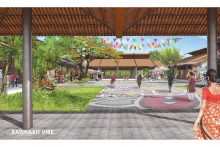
In Search of Roots: Folklore Museum and Research Centre, Rajshahi

Folklore is the reflection of ordinary life of the commoners. The sublime simplicity of folklore offers uncommon philosophy of life to others. Rajshahi, for instance, an ancient and culturally enriched region of Bengal, is affluent with folk tradition. The establishment of a centre to collect, research, preserve and exhibit local folklore in Rajshahi is on demand. The following student project envisions the centre as a living museum aiming to provide a comprehensive insight into the local folk culture. The down-to-earth design approach is manifested through its pavilion-like structures — a sensible effort to portray the “sophistication in simplicity” of folklore. The designer further emphasized that despite our utmost sensitivity to uphold folk culture and tradition, the cultural invasion has become a threat today and it is high time to establish such facilities to protect our identity. – Editor


Text from the Student:

The vision of this project is to explore the context of our Bangladeshi folk culture and heritage and bringing them in the same compound where it gets rich environment to grow. Here, the aim of this project is to design an establishment where both our lost and existing folk culture can come out alive for people, not only just for pleasure but also for learning and passing our heritage to future generations.

Site plan © Farah Chowdhury
© Farah Chowdhury
© Farah Chowdhury

The designated site for this particular project is in Rajshahi district, where a vast level of folklore veins runs in the context itself. Other than that, the site, which is near the Padma River, is declared as a recreational zone. The project eventually turns out to be a public facility hosting a folklore museum and research centre along with other recreational activities.

© Farah Chowdhury

© Farah Chowdhury

The core idea is to design a pathway where people can walk along to reach different functional spaces while experiencing the cultural activities by the local folks. The project is absolutely down to earth which is the main agenda of folk culture. The transitional pathway is leading people to multiple courtyards where they can experience various roots of our vast folklore culture.

© Farah Chowdhury

The museum © Farah Chowdhury

The project contains various programs to be accommodated in the site, but as the folklore stands out to be “people and their artistic mind”, the proposed layout offers local people to get blended in by their recreational need while the museum and research facilities run alongside.

The master plan has been designed to create a dialogue between land and river nearby; all come together in a place to celebrate the vibrant aspects of folklore culture in accord with the events and seasons of Bangladesh.

© Farah Chowdhury


বসতবাড়ি | চিঠি ১০ | খাল পাড়ের ভিটা বাড়ি

মূল চিঠি:

প্রিয় নানাভাই,

আজ তোমাকে বলব আমার নানু বাড়ির গল্প। আমরা থাকতাম বরিশাল শহরে, কিন্তু গ্রীষ্মের বা শীতের বন্ধে স্কুল ছুটি দিলেই আমরা চলে যেতাম আমাদের নানুবাড়ি, ঠাকুরমল্লিক । সকালে নতুন বাজার ঘাট থেকে নৌকো নিলে বিকেলেই পৌঁছে যেতাম। মাঝে মাঝে নানুই নৌকো পাঠিয়ে দিতেন, এক মাল্লাই বাশের ছইঅলা নৌকো। নৌকো পার হত কত কত নদী আর খাল, শুধু আড়িয়াল খাঁ নদী আর খয়রাতির খাল দুটো নাম মনে পরে। খাল ধরে সে নৌকো পৌঁছে দিত একেবারে নানুর বাড়ির লাগোয়া ছোট্ট পুকুরটায়। পাড়ের মস্ত বড় বেল গাছটার শেকড় বেয়ে পৌঁছে যেতাম একদম উঠানে।

খাল ছিল উত্তর দিকে, আর দক্ষিনে ছিল দুই গ্রাম এর সংযোগকারী রাস্তা। দক্ষিনের রাস্তা আর উত্তরের খাল এর মাঝে নানুর বিশাল বাড়ি । রাস্তা আর খালের ওপারে ফসলের খেত। রাস্তার পরেই কাছারি ঘর, এর বেশ কিছুটা দূরে গাছপালার মাঝে দিয়ে পৌঁছানো যেত বিশাল উঠানটায়। উঠানের উত্তরে নানুর সুন্দর টিন আর কাঠের চৌচালা ঘর আর উল্টোদিকে বড় মামার। উঠানের পুব দিকে ছিল বড় রান্নাঘর। লাকরির চুলোটা ছিল এক্কেবারে পুব এ, যেন ধোঁয়া থাকার জায়গায় না পৌঁছে। ছিল একটা বিশাল ঢেঁকি। বৃষ্টির দিনে নানার বাড়ির থেকে একটা ছাউনি দিয়ে রান্নাঘরে যাওয়া যেত।

এটা হল রবিশস্যর এলাকা। উঠানের পশ্চিমেই ছিল চৌকো এক বিশাল গোলাঘর। গোলা ভরা থাকত ফসলে। গোলার পাশে কবুতরের ঘর, আর পিছনে গোয়াল ঘর, একটু গন্ধ থাকত কিনা, তাই বাড়ি থেকে দূরে। গোয়াল এ দুই জোড়া হালের গরু আর এক জোড়া দুধের গাই থাকতো সবসময়। আর বাছুর। দুই জোড়া হালের গরু কেন বলতো? একজোড়া হাল চাষ দিলে আরেকজোড়া বিশ্রাম নিতো যে।

নানুর বাসার সাথের ছোট্ট পুকুরটায় তো খাল থেকে নৌকা নিয়ে চলে আসা যেত, কিন্তু আরও দুটো বড় পুকুর ছিল, পুব দিকে ভেতর বাড়ির পুকুর রান্নাঘর এর কাছে, আর পশ্চিমে বাহির বাড়ির পুকুর। লোহা কাঠের তক্তা দিয়ে ঘাট। পুকুরের ‘জান’ চেন নানুভাই? জান হলা ফাঁপা তাল গাছের কাণ্ড, পাড়ের নিচ দিয়ে পুকুর কে সংযোগ করত খাল এর সাথে, পাইপ এর মত। পুকুর ভরা ছিল মাছ। ‘জান’ এর মুখে একটা বাশের ফাঁদ থাকতো, বন্ধ করে দিলেই মাছ আটকা। আবার একটা সুপুরির ফাঁপা কাণ্ড ফেলে রাখা হত পুকুরে, শিং মাগুর এর মাঝে থাকতে পছন্দ করে। খপ করে ওটা উঠিয়ে ফেল্লেই মাছ! কি বোকা মাছগুলো তাই না? চালাক মাছগুলকে ধরত বড়শিতে ওস্তাদ ছোট মামা। বাহির পুকুরের পাড়ে  ছিল ৭ টা জাম গাছ। বাড়ি ভরতি গাছপালা আম, জাম, লিচু, জামরুল, তবে কাঁঠাল কম ছিল। তাল আর খেজুর , নারিকেল সুপারি একটু কম।

 কত কি যে করতাম, উঠানে জ্যোৎস্নাা রাতে সবাই মিলে ভুতের গল্প, শুকনোর সময়ে পাটখেতে লুকোচুরি, খেসারির শাক তোলা। তারপর খেয়ে দেয়ে ঘুমাতাম নানুর বাসার বারান্দায়। নারার ওপর হোগলা দিয়ে তার ওপর চাদর দিয়ে বিছানা।গোয়াল ভরা গরু, গোলা ভরা ফসল আমি দেখেছি নানুভাই।

কি ছিল না, হাঁস মুরগি তো বাদ ই দিলাম। স্বয়ংসম্পূর্ণ ছিল সেকালের লোকজন। এমনকি বড় ভোজ এর জন্য বাড়িতে একটা বিশাল হাড়ি ছিল। আমি ছোট ছিলাম দেখে আরও বিশাল লাগত হয়ত। অবশ্য মুক্তিযুদ্ধের সময় ওটা লুট করে নিয়ে যায় কারা যেন। ভাবছ এটা আবার এমন কি লুট করার? ওটা তো আজকালকার আলুমিনিয়াম এর হাড়ি না, মোটা পিতলের বিশাল হাড়ি, পিতলের বিষ দূর করতে নিকেলের কলাই করা থাকতো। সবার ছিল না যে এত দামি হাড়ি।

আরও কত কি হারিয়ে গেছে, বাড়ির পশ্চিমে এখন নানুদের কবরস্থান। ভাগাভাগি হয়ে আর এর কিছু নেই হয়ত। কত কাল যাওয়া হয়না, কিন্তু কিছুই ভুলিনি। তুমিও মনে রেখ নানু ভাই।

ইতি

তোমার নানু

প্রেরক: খানম রাশিদা নার্গিস

পরিশেষঃ

খানম রাশিদা নার্গিস এর পক্ষে  চিঠিটি লিখেছেন তার সন্তান স্থপতি বিন সাঈদ বাখতী । এটা বাখতী -র মায়ের নানাবাড়ির স্মৃতি। মায়ের কাছ থেকে ফোনে শুনে লেখা। লেখিকা খানম রাশিদা নার্গিস এর নানা বহু আগে তার পৈতৃক বাড়ির পশ্চিমে নিজের এই বাড়ি করেন। পেশায় তিনি ছিলেন ব্রিটিশ সরকারের ম্যারেজ রেজিস্টার। বরগুনায় কাজ করতেন। ৩০-৪০ বছর চাকরির পর ফিরে আবার এখানে সপরিবারে থাকতেন। আশির দশকে সম্ভবত ভাগাভাগির পরে সবকিছু বদলে যায়। বড় হবার পরে নানা কাজের চাপে লেখিকার ওদিকে আর যাওয়া হয় নি ।

Visualization by Parvin Akther Nawrin © CONTEXT

Visualization by Manal Anis, labeling by Saad Ben Mostafa © CONTEXT

Visualization by Saad Ben Mostafa © CONTEXT

English Version| Translated by: Ismat Hossain

Dearest Nana Bhai,

Today I will tell you about my grandparents’ home. We used to live in Barisal but whenever we had summer holidays or winter break from school, we would head straight for Thakurmollick, my grandparents’ village. If we took a boat from the Notun Bazar Ghat in the morning, we could arrive there by afternoon. Sometimes Nanu himself would send a boat with a large awning made from one mallai bamboo. The boat would pass by numerous rivers and canals although I can only remember the names of the Arial Khan river and the Khoyrati khaal. The boat would ply through the canal and drop us at the small pond just adjacent to Nanu’s abode. We would climb over the roots of the huge Bel tree that embraced the banks and arrive straight into the courtyard.

The canal was towards the north and on the southern fringe was a road that connected the two villages on either side. The huge compound of Nanu’s house was snuggled in between these two. Beyond, on either side, stretched out the fields. Coming from the road you were greeted by the kachari ghor, a little further up was a grove of trees through which you would arrive upon the sizeable courtyard. On the north of the courtyard was Nanu’s beautiful hut made of tin and wood and just opposite to that was Boro Mama’s. On the eastern side of the courtyard was a large kitchen. The wood burning stove was placed at the eastern edge so that the smoke did not penetrate into the living quarters. There was also a huge dheki. There was a shaded verandah that lead you from the house to the kitchen on rainy days.

The primary harvest of the area was in the spring. A large granary stood towards the west of the courtyard. The granary was always teeming with yields from the crops. Beside the granary was a pigeon coop and behind that was the cow shed, probably placed farthest to keep the stench away. There would always be two pairs of bullocks that pulled the plough and a pair of milking cows. And of course there would be calves. Can you guess why there were two pairs of bullocks? So one pair could plough the fields while the other pair rested, of course.

I already mentioned the small adjoining pond that could be approached from the canal, but there were two much larger ponds as well. The one for the inner house was on the east near the kitchen and the one for public use was towards the west. The ghat was made with iron wood. Do you know what the ‘jaan’of a pond is, Nanu bhai? It’s the hollow trunk of a palm tree that runs underneath the banks of the pond like a pipe, connecting it to the canal. The pond was abundant with fish. There was a bamboo trap attached to the opening of the jaan. Once closed it would trap all the fish inside the pond.  A hollow fallen betel nut tree trunk was left in the water for fish like Shing and Magur to inhabit. You could just raise the trunk and you would have all that fish. The poor, silly fish, don’t you think? My skillful Choto Mama caught the cleverer ones with his fishing rod. The outer pond was lined with seven jamun trees. The homestead was filled all kinds of trees in abundance-mango, jamun, lichee and jamrul. There were not so many jack-fruit trees though. Palms, dates, coconut and betel nut trees were also not so many in number.

We did so many things during our visits there, sharing ghost stories in the courtyard on moon lit nights, playing hide and seek among the jute stalks, picking khesari greens. After a full meal we would sleep on the verandah on sheets spread over beds made of hogla underlined with stalks of rice straw. I’ve seen so much abundance, Nanu bhai. Sheds full of cattle, granaries full of yields.

There was no scarcity of anything. Poultry and ducks were in plenty.  People back then were so self-subsistent. We even had huge cauldrons for cooking up large feasts. Maybe it looked so grand because I was much smaller then. The cauldron was somehow stolen during the Liberation War. Are you wondering why anyone would want to steal a cauldron? This was not like the regular aluminum pots of today, it was a heavy bronze pot, coated with nickel to wane off the poison. Not everyone could own an expensive cauldron like that.

So much more has gotten lost over the years. My grandparents were buried on the western grounds of the homestead. Who knows what has happened since the property got subdivided. I have not been there for ages, yet I have not forgotten a thing. I hope my words continue to live in your memory, too.

From

Your Nanu

Sender: Khanum Rashida Nargis

Endnote:

The letter was written on behalf of Khanum Rashida Nargis by her son Architect Bin Sayeed Bakhti. These are Bakhti’s mother’s memories of her grandparents’ home. The description is set in the 1960’s. The location is Thakurmallik village under Babuganj zilla in Barisal. Bakhti’s great grandfather built this house on the west of his own paternal home many years ago. He was a marriage registrar under the British government. He was employed in Borguna. After working for 30-40 years he returned to live here with his family. The property was probably subdivided amongst the heirs during the 80’s, after which everything changed. Caught up in the intricacies of life, Bakhti’s mother never had the chance to re-visit after she grew up.


Glossary:

Nana Bhai: A term used to call one’s maternal grandfather. Here it is reversely used by the grandmother to address her grandson lovingly.

Nanu: A term referring to one’s maternal grandfather.

Mallai: Boatman

Arial Khan River: One of the main south-eastward outlets of the river Padma.

Khoyrati khaal: A well-known local Canal.

Bel: Also known as wood apple. A hard shelled round fruit with a thick and sticky flesh.

kachari ghor: A room presented at the front of the house usually used as a sitting room for greeting outsiders.

Boro Mama: Eldest among maternal uncles or ‘Mamas’’’.

Dheki: A traditional wooden device used for milling rice.

Ghat: A series of steps leading down to a body of water or wharf usually used for bathing.

Choto Mama: Youngest among maternal uncles or ‘Mamas’’’.

Khesari: Also known as blue sweet pea, a small lentil bearing plant. The greens are also consumed by locals.

Hogla: Local name for a bush-like small plant, Typha elephantiana of family Typhaceae. Extensively used to make mats and different kind of handicrafts.


হারিয়ে যাচ্ছে আমাদের গ্রাম। হারিয়ে যাচ্ছে মাটি ও মানুষের আত্মিক সম্পর্ক। জীবন ও জীবিকার সংগ্রামে আমরা ভুলতে বসেছি আমাদের শেকড়। গ্রামের বাড়ি আজ যেন এক নস্টালজিয়া। শুধু বেঁচে আছে আমাদের স্মৃতিতে। কি রেখে যাচ্ছি আমরা ভবিষ্যত প্রজন্মের উদ্দেশ্যে? সেই শিকড়ের খোঁজে আমরা খোলা চিঠির আহ্বান জানিয়েছিলাম।

আপনি যদি অংশগ্রহণের কথা বিবেচনা করে থাকেন তবে যত তাড়াতাড়ি সম্ভব চিঠিটি প্রেরণ করুন।

বিস্তারিতঃ http://localhost/context/events/event/basatbari/

ইমেইল: boshotbari.context@gmail.com; context.editor4@gmail.com


Disclaimer:

CONTEXT (www.contextbd.com) and their collaborators jointly hold the copyrights of all contents including, but not limited to, all text, information, illustrations, images. You may not duplicate or reproduce any of the content on this website, including files downloadable from this website.

KDS Head Office | Weavers’ Studio

Architect’s Note:

The architects, from the conceptual phase, intended to design this office building in such a way that it embodied the client’s commitment to contribute to the development of the nation through their endeavors and to become a prominent multinational organization in the country. This led to a dignified and professional, yet amicable, design approach. However, it also created some conceptual impediments throughout the design process, from diverse design perspectives; in trying to create a robust and bold architecture with noticeable features and synchronized play of functions that blends smoothly with each other. These along with making a statement in the urban setting to communicate honest material expression that is welcoming, warm and contextually modern. A decision was taken unanimously to adhere to unpretentious form in a bold manner but embrace softness through greeneries, smart planning of function and fluidity of space. The designers envisioned a design language that is aesthetically pleasing–embodying an open floor plan in the workstations area – that moved easily yet could be controlled effortlessly.

© Weavers’ Studio

© Weavers’ Studio

As the building is to be located adjacent to an already existing factory, the designers explored the option to portray the building as a buffer between private industrial area and the public outer area. This enables users of the factory a sense of crossing over a prominent threshold and a screen of pleasing view to the passer-by. The site is located at a node, therefore is quite visible from different points and allowed the designers to be playful with the exterior facades. During design initiation, the key aspect to be considered was the users of the building and their experience through it. The regular users will spend a great chunk of their day here, hence, the functions inside were arranged in an unrestricted manner to limit monotony as much as possible, the green terraces and rooftop also adding to the cause.

© Weavers’ Studio

© Weavers’ Studio

Speaking of users, it is expected by the client that many people will come here from different organizations, including VIP’s, who may visit the place recurrently for diverse purposes. That insinuated the design of two entry points. Factory lorry and office executives will enter through the double-height eastern entry which also houses a security vestibule and a pedestrian entry for the factory workers. The western entry, nearer to the node, is for the VIP’s access. This entry displays lush greenery with a statement sculpture to welcome the visitors and also subtly add to the beautification of the node. On the road-side of the structure, a pedestrian plaza is provided to serve the immediate pedestrians, which is connected with the large assembly space through security inside. Partially shaded and otherwise open, it can serve and be enjoyed in all seasons.

Ground floor plan © Weavers’ Studio

Second floor plan © Weavers’ Studio

The building was planned bearing in mind the site’s terrestrial condition. The function of the project is immaculate and modest to provide all the facility and utility works in a cost-effective and environmentally sustainable way, while being efficiently usable. Two blocks are connected with a central service zone for maximum efficacy. Although the building is fortunately elongated at north-south direction, measures were taken to design the surfaces of the building to lessen heat-gain but enable a useful amount of daylight access to save energy. Wire-mesh housing greenery has been used to reduce heat and filter pollutants from the natural air. The west facade is designed with more solidity and indirect openings and the rooftop houses a 1.5 feet deep grass-bed for the same purpose. The roof and green terraces act as respite areas for the users.

© Weavers’ Studio

© Weavers’ Studio

Internally, the plan is kept open and adaptive, considering the purpose of usage for maximum efficiency and minimum monotony. The meeting rooms and senior employee cabins are designed in a manner to convey the welcoming trait yet prominence of the organization, while giving the entire office open view of the road side. There are four main functions in the building after the entrance lobby –all of which are well connected yet significantly separated by vertical arrangement.

© Weavers’ Studio

© Weavers’ Studio

The expectation from this design, as mentioned in the beginning, is to make a statement and grab attention. An additional key consideration of the design was also to not overwhelm with dominance, but rather be complementary to the surroundings. This practice led to an end result that is well accepted yet distinctly memorable to the clients, designers and most importantly and hopefully, the future users.

© Weavers’ Studio

Project Team:

Architectural Design Team:Lead Architects: Ar. Ashiqur Rahman Ar. Mainul Hassan Tuheen Project Architects: Ar. Shaikh MahfuzAlam Ar. Tanveer Ahmed.
Structural Designe Team:Engr.TarequlAlam, Engr. Moin Uddin.
MEP Design:Engr. Saju Banik, Engr. Humayun Kabir, Engr. Mahmud Hassan, Engr. Tahmina Ferdous, Engr. Ashraful Islam.
Contraction Company:Finlay Properties
Article writeup:Nabeela Nushaira Rahman

Affordable Housing for Vasantek Slum Dwellers | AIUB

This project has tackled one of the key housing challenges in Bangladesh and globally as well. More than 4 million people live in informal settlements in Dhaka and many are in need of upgrading into better conditions. Studio projects such as this one is vital to ensure that architects are able to engage with the dwellers and, therefore, practice architecture more broadly for all levels of society.

There are a few positive aspects of the project. Firstly, the project here itself understands the need to re-settle the dwellers in the existing place, a crucial socio-economic aspect often missing in slum rehabilitation projects. In-situ upgrading has been a key policy recommendation by UN-Habitat. Secondly, the project resolves the housing at a very humane scale, keeping a minimum height profile, aiding adaptation and possibilities of using the ground floor and surrounding areas for different purposes by the dwellers. Thirdly, the idea of phase-wise planning is another key aspect that this project has been able to incorporate. Incremental upgrading and quick construction that minimizes the dweller’s inconvenience of relocation indicates a nuanced sensitivity to the dweller’s everyday life. Lastly, the design has been able to think of and integrate considerations for livelihoods, as exemplified by the diverse uses proposed aside from the dwelling units. Enabling livelihoods is fundamental in designing for the low-income segment.

However, there are certain areas that the project can further improve and/or re-think its approach. Engaging with informal settlements for housing clearly overlaps with slum upgrading and a vast literature exists that can be helpful in thinking about appropriate architecture and urban design strategies. The project perhaps could examine the existing urban morphology and salvage some of the existing streets as an armature for the redevelopment design rather than starting with a clean slate. Such street-led approach (Un-Habitat, 2012) or “conservative surgery” (Patrick Geddes, 1917) is not new in slum upgrading interventions or overall city planning. Numerous projects have been done in slums that use “re-blocking” as an urban design method to keep the sense of place as intact as possible. The project may receive additional criticism for not being sensitive to the shrinking waterbody as no attempt was made to reclaim the historical wetland. Another key aspect that needs to be foregrounded is the participation of the dwellers in the design and planning of their own settlements. More than using their labour for construction, architects must learn how to design participatory processes that integrate the dwellers in every aspect of the design. It may involve co-design workshops, town hall meetings, storytelling sessions, the formation of finance and savings groups, knowledge exchange programmes etc. While this is difficult to reproduce in a studio setting, at least these have to be proposed to the client/city—whoever is in charge of the implementation of the project. Successful housing is more than the physical design of the houses since placemaking requires both spatial and social affordance. – Editor


| Notes from the submission |

The Background

The project is located in Vasantek area of metropolitan Dhaka, where one of the largest informal settlements exists. The students of the Housing Studio at AIUB have tried to rehabilitate the slum dwellers by providing them with affordable housing solutions while retaining and restoring their existing community bonding and neighbourhood qualities.

As a part of the studio project, a particular area of the total site was assigned to the students to study and design. Given site area was approximately 17.27 acres with an existing large water body. Currently, around 6500 inhabitants are living in this area. The existing situation of that slum area is unhealthy for living. The area is overcrowded having narrow streets and tiny dwelling with barely any provision for daylight and ventilation. Basic facilities like open community spaces, playground and vehicular access are absent there. One and two-bedroom units form a house there, and a group of these houses create a cluster. Shared kitchen and toilets serve as common service facility in each cluster. Most of the houses are single-storied, but some two-storied houses are also seen. Bamboo and C.I. Sheet have been used in most of the houses along with brick as building materials. Some elementary schools and public toilets were provided by the NGO as a part of the community and sanitation development scheme. Overall, the dwellers of the Vasantek slum are currently living an unhealthy and substandard lifestyle, although, they are providing with many kinds of service supports to the Dhaka city dwellers.

Transformation of Land at Vashantek Slum from 2001-2019 © Architecture, AIUB

Existing Road Network © Architecture, AIUB

Concept

The idea behind the design was to upgrade the living standard by creating socially interactive, co-living spaces without compromising dwellers’ usual activity and livelihood opportunity. All the housing clusters are proposed as 2 storied building blocks, to make provision for courtyards and community spaces, while considering affordability and minimum construction period. Cluster by cluster construction will also allow phase-wise planning, and the rehabilitation is possible without evacuating the existing dwellers for a long period.

Formation of cluster © Architecture, AIUB

The Master Plan

A 7.62m wide primary road is proposed as a loop in the site, where all kinds of vehicles can access. Secondary roads having a width of 3.65m wide have access to all the clusters and are connected to the primary road. Secondary roads were designed for light vehicles like rickshaws, vans, etc., which community people use to earn their livelihood. In case of emergency, it will also allow ambulance or firefighting units to access the site.

Central space of the site is proposed for the community facilities such as school, local bazar, community health clinic, mosque, etc. The existing water body has been reshaped and regenerated as a community gathering space. Waterside spaces, having a sidewalk surrounding the edges, can be used for relaxation and entertainment purposes.

A peripheral pedestrian road is proposed along the edge of the site with provision for some small shops and rickshaw garages at different points. This will facilitate community gathering and vigilance. Some open spaces and parks are also proposed at different places throughout the site, which may be used by the community people for vegetation and household farming.

Proposed redevelopment plan © Architecture, AIUB

Housing units and proposed density

Number of cluster: Type-A (23) + TYPE B (16) + TYPE C (4) = 43 nos

Total Unit: A (23) x 28 + B (16) x 17+ C (4) x 8 = 948 units

Site Area: 17.27 acres. (16.1 acres without water body)

Achieved density = 60 units per acre (Approx)

Existing and proposed cluster. Ground floor and First floor plan of the proposed cluster showing dwelling units (Type A and Type B), common services. © Architecture, AIUB

Longitudinal section through a cluster © Architecture, AIUB
Section through two clusters showing access, courtyard and space for vegetation space © Architecture, AIUB

Unit and Cluster

Two types of units are proposed to form a cluster. Every cluster is formed having both Type A and Type B units. Type A unit size is 365 Sft, which has one bedroom, a small living room and a toilet. Type B unit size is 567 Sft, having two bedrooms, a small living room, a small utility room (dwellers can use it as a kitchen) and a toilet. All the clusters are two-storied having a common courtyard. Units are aggregated to form 3 different sizes of clusters. Every unit on the ground floor has a veranda and access to the vegetation space. On the first floor, every unit can be accessed by a common corridor, which is visually connected by the courtyard it surrounds. A common kitchen, a wash area, and some common toilets are proposed on the ground floor to provide sanitation and cooking support for the dwellers of smaller units. It also reflects the current user pattern and works as a socialization zone (cooking area) for the cluster dwellers.

Proposed community bazar © Architecture, AIUB

Material

The building process involves the use of local materials and the participation of local dwellers in construction work. Brick wall, concrete floor and corrugated sheet roof are proposed to build the dwelling units. The roof of the upper floor is made of lightweight materials to reduce construction costs and to limit the possibility of vertical extensions. It is also widely used as a roofing system because of its low maintenance profile.

Activities on the street and open space © Architecture, AIUB
Activities around the water body © Architecture, AIUB

Considerations for sustainable economy inside the community

Spaces for vegetation have been provided between two clusters, where dwellers can produce vegetable to serve their daily needs as well as the local needs. Rickshaw garages are provided at different points to accommodate the rickshaws owned by the dwellers. In addition to a central market (community bazaar), shops at different points have been provided for dwellers to facilitate local businesses within the territory. The proposed school building will provide elementary education in the morning, while it will work as a centre for vocational training in the evening and an elderly learning centre at night.


Contributing Editor: Tanzil Shafique, PhD researcher, University of Melbourne

ASEDAS 2021 International Digital Art Exhibition

Competition brief: 

On the great success of ASEDAS 2020 Virtual Exhibition, ASEDAS once again organized the ASEDAS 2021 International Digital Art Exhibition with the theme “NEW HOPE” and inviting all Artists, Photographers, Videographers, Academicians, Students and Public around the globe to join and participate in this great event.

This year ASEDAS Malaysia and CONTEXT are in strategic partnership along with other International Prestigious Universities and brands from Malaysia, Indonesia, Japan, India, Mexico, South Africa, Belgium, Iran, Phillipines, USA and so on. CONTEXT, therefore, invites all Artists, Photographers, Videographers, Academicians, Students and Public to participate in this event.

What can be submitted to this event?

Any painting, artwork, illustrations (digital or hand-drawn), photography (modern or traditional), hand embroidery, paper crafts, sculpture, collage, photomontage, model, etc. Please take a photo of it and submit it via the google form.

Scanned or digital version of old or traditional work (painting, crafts) is allowed.

In case of painting, fine art or craft work, digital photograph of them is allowed.

Video Art or (videography / Artificial Intelligence) in mp4 format. 1024×768 pixels size

How many entries can be submitted?

There are no limitations as all submissions will go through a curation and evaluation process.

Why do I have to provide my photo?

As we promised, we are an international exhibition platform affiliated with universities worldwide. We encourage creativity and talent and expose your work through ASEDAS website and partners globally.

Jury:

  1. Assoc, Prof. Ahamad Tarmizi Azizan (Malaysia)
  2. Dr. Maria Mohamad (Malaysia)
  3. Dr. Jasni Dolah (Malaysia)
  4. Rosidi Semail @ Rossem(Malaysia)
  5. Ariesa Pandanwangi S.Sn (Indonesia)
  6. Yunisa Fitri Andriayani M.Ds. (Indonesia)
  7. Maya Purnama Sari M.Ds. (Indonesia)
  8. Sigit Purnomo Adi M.Sn. (Indonesia)
  9. Roy Espinosa (Philippines)
  10. Mohd Idham (Singapore)
  11. Nguyen Thai Binh (Vietnam)

Jurors for Children’s Category:

  1. Peter Rhian Gunawan MD.s (Indonesia)
  2. Anitra Lykke, Ph.D (Norway)
  3. Elida Maria Matsumoto (Japan)

Curators:

  1. Prof. Ahamad Tarmizi Azizan (Malaysia),
  2. Prof. Dr. Nuning Damayanti (Indonesia),
  3. Angela Saldanha (Poland)

Awards:

  • Certificate of Appreciation from Organisers/Head of the departments.
  • Publication on ASEDAS website.
  • Publication in our catalogs and social media accounts with full credits to you/your team.
  • Global exposure across our platform.
  • International exposure across our other partners around the world
  • Opportunity to have your work featured in a curated exhibition (online due to COVID-19).

Schedule: February 15 – April 25, 2021 (Please refer to Google registration form)

E-Catalog compilation 1 – May 15, 2021, or post-event

Compilation E-Book: post Event

Gallery: Maranatha Kirsten University Team

Exhibition opening: Monday, June 1, 2021

Exhibition duration: June 2 – December 31, 2021

The opening will be by Mr. Pustanto – Head of the National Gallery of Indonesia, Ministry of Education and Culture, Republic of Indonesia.

Deadline: 25 APRIL 2021

Registration: (Please refer to Google registration form) NO PRE REGISTRATION REQUIRED.

Submission:

Theme: New HOPE

Digital photography, illustrations, artwork: A4 JPG or PDF format, 150 to 300 dpi

Manual Traditional art/craft/handiwork: A4 JPG or PDF format, Scanned in High res

Video or Motion graphic: MP4, 1024×768 pixels size

Open Category (aged 18 and up) submission link

https://forms.gle/ECbS4gyfKcgNyTQ29

Student category (aged 13 to 18) submission link

https://forms.gle/bmA7eCDJt7HW7iqK7

Children’s Category (aged 4 to 12) submission link

https://forms.gle/BNDTDQGDWRib8f8Z7

Inquiries: For any inquires please use this contact form.

https://asedas042020.wixsite.com/asedas/contact

or direct email to asedasasean@gmail.com


CONTEXT contributor: Shawlin Isalm, Architect. 

বসতবাড়ি | চিঠি ৯ | ঝুলবারান্দার দ্বিতল কুঠি

মূল চিঠি:

প্রিয় দাদুভাই,

একটা পুরনো দিনের গল্প বলি শোনো। মফস্বলগুলোর গা থেকে তখনো গ্রাম গ্রাম গন্ধ যায়নি। এতো আলো ঝলমল খাবার দোকান, শপিং মল ছিলো স্বপ্নের মত। তখনকার কথা বলছি। পরিবর্তনের শুরুর দিকটা, গ্রাম থেকে লোকজন সবে শহরে এসে ইট কাঠের বাড়িঘর করছেন, সেসব বাড়িতে রয়ে যাচ্ছে গ্রামের উঠান, রোয়াক, কলতলা, তাল-সুপুরি গাছের সারি, আর নকশাকাটা জানলা গলে কমলা রঙের রোদ।

আমার বেড়ে ওঠাও উত্তরবাংলার অমন একটা গাছপালা ঘেরা ছায়া ছায়া দোতলা বাড়িতে। হলুদ রঙের বড় ফটকে চিঠি ফেলার ঘর, সেই ফটক পেরিয়ে ঢুকতেই ডানে একটা কলপাড়। মনে আছে ওই কলতলায় ইট দিয়ে ঘসে ঘসে তাঁর বাচ্চাদের গোসল করাতেন দুখাই খালা। বাঁ দিকে বড়সড় গ্যারেজ, গ্যারাজের ওপরতলাটা ফেলে রাখা, রান্নার বড়সড় খড়িগুলো রাখা হতো কেবল সেখানে। আর আমাদের ছোটদের কাছে সেটা ছিলো ভূতের বাড়ি খেলার জায়গা। গ্যারাজের পাশে উঁচু নারকেল গাছ, তার পাশ দিয়ে সিঁড়ি উঠে গেছে ওপরের ঘরটায়। সেই সিঁড়ি আমার জন্য এতো বড় ছিলো সেসময়, যে এক ধাপ থেকে আরেক ধাপে উঠতাম রীতিমত হাঁচড়ে পাঁচড়ে – থ্রিলিং ছিলো বটে ব্যাপারটা। আবার গ্যারেজের উপরকার কার্নিশ ধরে হেঁটে রান্নাঘরের বারান্দায় লাফ দিয়ে চলে যাওয়া যেতো। কী থ্রিল উফফ! ছোটমানুষ ফাঁকা দিয়ে টুপ করে নিচে পড়ে গেলে কী হত তাই ভাবি এখন। 

নিচতলার হলরুমে সরাসরি যাওয়া যেতো, কাছারিঘর যেমন থাকে গ্রামে। বাচ্চকাচ্চাদের জন্মদিন, দাদার বিয়ে সব এখানেই হয়েছিলো। আর অন্দরে আসতে হলে আলাদা দরজা, পাঁচিল দেয়া। দোর পেরোলে আবার উঠান, তাতে প্রকান্ড এক তেজপাতা গাছ। লম্বা হয়ে দশ বারো ফিট উঠে কান্ড দু’দিকে ছড়িয়ে গেছে। পেছনদিকে সার ধরে সুপুরির গাছ, দক্ষিণ-পূর্ব কোণে বিরাট কাঁঠাল গাছ শেকড় ছড়িয়ে আস্তানা গেড়েছিলো বাড়ির ভিত পর্যন্ত। প্রতিবার আম কাঁঠালের মৌসুমে  মাটির নিচে কাঁঠাল পেকে সুবাস বয়ে নিয়ে বেড়াতো পুরো বাড়ি – সমরেশ মজুমদারের ‘উত্তরাধিকার’ যদি তোমার পড়া থাকো, তবে এই অনুভূতিটার সাথে হয়তো পরিচয় থাকবে। ওদিকে পাঁচিল পেরিয়ে অন্য মাঠের ওপরকার আতা গাছ ফল নিবেদন করছে দক্ষিণ বারান্দায়। দক্ষিণে বড় মাঠ। বৃষ্টি হলে সেই মাঠ পুকুর হয়ে যায়।

আমার নানুর বারান্দাপ্রীতি ছিলো প্রবল। দোতলায় ঝুলবারান্দা ছিলো একটা, সামনের বাসার বন্ধু ওহীদের ছাদ আর উঠান দেখা যেতো এখান থেকে। গাড়ি দেখা যায় এই কারণে নাম গাড়ি বারান্দা কিনা জানিনা, তবে বিকেল হলে খালামণিরা ও বাড়ির মহিলাদের হাই-হ্যালো করতে পারতেন, আর আমরা বড়সড় খোলা জায়গায় সারাদিন গাড়ি গাড়ি খেলতে পারতাম। দশ ফুট মত চওড়া বারান্দা পুরো বাড়ি জুড়ে, সেখানে ভরদুপুরবেলা ধুপধাপ বল পিটিয়ে ক্রিকেট খেলতো খালাতো ভাই আর মামারা, মাঝেমাঝে বল ছুটে পাশের কারো বাড়িতে গিয়ে পড়তো, সেই বল উদ্ধার করা ছিলো কষ্টসাধ্য ব্যাপার!

পুরো বাড়িতে রান্নাঘর-বাথরুম মিলিয়ে ২৪টা ঘর। নিচতলা আর দোতলার আলাদা রান্নাঘর, দোতলার রান্নাঘরে যাবার জন্য ছোট্ট ব্রিজ। একবার রান্নাঘরের মুখে ব্রিজের ওপর দাঁড়াতেই বৃষ্টি নামলো। ব্রিজের পাশে পায়রার খোপ, পায়রাগুলো উড়ে এসে চাল খাচ্ছিলো ব্রিজে নেমে, বৃষ্টির আভাস পেয়ে সব উড়ে পালালো ঘরের দিকে, আমি দেখলাম একটা একটা করে বড় বড় বৃষ্টির ফোঁটা কেমন নেমে আসে আকাশ থেকে,  তপ্ত মেঝেয় পড়ে কেমন মিলিয়ে যায়, আর তার সাথে মেঝে থেকে ভাপ দিয়ে ওঠে একটা সোঁদা গন্ধ। ছোটবেলায় কবিতা পড়েছিলাম, “চৈতি রোদে পোড়া মাটি বৃষ্টি ভিজে গন্ধ খাঁটি“, সেই কবিতা আবৃত্তি করার সময় এই গন্ধটার কথা আমি ভাবতাম।

মনে আছে ওবাড়ির বাথরুমে যেতে আমি হালকা ভয় পেতাম। দুপুর গড়ালে বড় গোসলখানার ঘুলঘুলি গলে মরে যাওয়া রোদ বড় বড় নকশা তৈরি করতো মেঝেতে, জানিনা কেন আমার একা যেতে অনেক মন খারাপ হতো সেখানে। এরকম মন খারাপ হয়েছিলো শেষবার ঐ বাড়ি থেকে চলে আসার দিন। বাকসো প্যাঁটরা বাঁধা ছাদা হচ্ছে, আমি দোতলার বারান্দায় ঘুরঘুর করছি একা, হঠাৎ খাবার ঘরের জানালা দিয়ে কমলা আলোর বিপরীতে একটা সুপারি গাছের কালো ছায়া দেখে খুব মন কেমন করে উঠলো। কেন হলো জানি না, তবে ওই মন কেমনটা অনেকদিন একঘেয়ে অসুখের মত রয়ে গেছিলো আমার সাথে।  

এখন, ওই চব্বিশটা ঘরে, আমার পুরনো ঘুমানোর জায়গায় কাগজের তাড়া, অফিসঘর। ম্যাড়ম্যাড়ে হলুদ আলোর নিচে ওষুধের আড়ত করা হয়েছে। লাল লাল গ্রিল বসেছে বারান্দার ওপর। পায়রার খোপটা বোধহয় এখন আর নেই, নিচতলার রান্নাঘরটা আছে। সাগরের নিচে ডুবে যাওয়া টাইটানিকের মত পুরনো আসবাব, চুলা, থালাবাটি সমেত অমনই তালা দেয়া আছে এখনো। কালের ধূলো জমে জমে পুরু হয়ে গেছে এতোদিনে, কিন্তু তোমার পুর্বসূরীর মায়া মেখে ওই বিশাল একা বাড়িটায় মায়াপুরীর মত ঘুমিয়ে আছে হারিয়ে যাওয়া একটা কাল।

ইতি,

তোমার দিদামণি।

প্রেরক: নোশিন তুবা 

বাড়ির প্রতিষ্ঠাতা: এ কে এম নজরুল ইসলাম চৌধুরী (লেখিকার নানা)

পেশাঃ তৎকালীন ডেপুটি কমিশনার (আয়কর), রংপুর জেলা

প্রতিষ্ঠাকাল: ১৯৭৬

Based on the original drawing provided by the sender. Redrawn by: Saad Ben Mostafa © CONTEXT

Visualization by Imran Hasan © CONTEXT

Visualization by Imran Hasan © CONTEXT

(English Version)

Dear Grandchild,

Let me take you on a trip of an old time when the essence of the country sides had not yet faded away from the suburbs. All these illuminated food shops, shopping malls were like a dream back then. The time I’m talking about, is the beginning of the transition – when people from the villages had just come to the city and started building brick or wooden houses, and like the villages, there remained the courtyard, royak (front veranda), kaltala (tubewell), rows of palm and betel nut trees and the tangerine sunlight melting through the carved windows.

I also grew up in such a calm, shadowy two-storied house of North Bengal, surrounded by trees and greeneries. There was a letter-box on the large yellow gate, a tubewell on the right side as you enter through that. I remember, Dukhai aunt used to bathe her children there by rubbing burnt pieces of bricks on their body. A large garage on the left, leaving the upper floor only for storing charcoals and firewoods. And for the little ones like me, it was a place for playing ‘haunted house’. There was a tall coconut tree next to the garage, with a staircase leading up to the upper room. That staircase was so big for me that time that I literally had to crawl up to climb from one step to the next – a very thrilling stuff I’d say. Again, we could walk along the cornice on the top of the garage and jump on the kitchen porch from there. What a thrill! Now I wonder, what would have happened if someone had fallen down from that height in the gap between the garage and the kitchen.

The hall room on the ground floor could be accessed directly from the entry, just like the ‘Kachari Ghar’ (meeting room) in the village houses. The children’s birthdays, Dada(eldest cousin)’s wedding – all took place here. One need to use a separate door to enter the more restricted inner house. After the door there was the courtyard, and a huge Bay leaf tree in it. The stem grew like ten to twelve feet tall then got divided into two sides. There were rows of betel nut trees in the back, a huge jackfruit tree in the south-east corner – spreading its roots to the foundation of the house. Every time in the summer season, the whole house used to get filled with the aroma of ripe jackfruit underneath the ground – If you have read the book ‘Uttaradhikar‘ by Samaresh Majumder, you may be familiar with this feeling. On the other hand, from another field after the wall, was a Cassava tree offering fruits on our south veranda. A large field was there to the south. When it rained, the field used to turn into a pond.

My grandfather had an immense weakness for verandas. There was a hanging balcony on the first floor, the roof and courtyard of my mate Ohee’s house in front could be seen from here. I don’t know why this balcony was called ‘Gari Baranda (Car Veranda!), if that was because we could see cars from there or anything else, but in the afternoon our aunts could do some hi-hello to the next-door ladies, and we could pretend play like driving a car all day long in that big open space. Another nearly ten-feet-wide veranda was there around the whole house, where my cousins ​​and uncles used to play cricket at the noon – sometimes the ball bounced off to someone’s house next door, it was really tough to get it back from them!

The whole house had 24 rooms in total including the kitchens and bathrooms. There were separate kitchens for the downstairs and the first floor, and a small bridge to go to the kitchen upstairs. One day, while standing on the bridge, it started raining. Beside the bridge was a pigeons’ nest, the pigeons were nibbling grains down the bridge, all of them flew away towards their house just the moment they got a hint of the rain. I saw how one by one big drops of rain came down from the sky, how it fell on the heated floor and got dried up and evaporated, leaving a unique, earthly smell. I read a poem in my childhood, “Chaity rowde pora mati/ bristi bhije gondho khanti (The earth burnt in the scorching sun of the month Chaitra, leaves a pure smell from there after it rains)”, while reciting that poem, I used to think of this scent.

I remember, I was a little scared to go to the bathroom of that house. As the noon passed, the dying light of the day filtering through the ventilators used to cast long shadow on the floor. I don’t know why it made me feel so empty to go there alone. The last time I felt this sadness was the day we were leaving that house. While my parents were packing up the bag and baggage, and I was wandering alone on the veranda upstairs. Suddenly looking at a silhouette of a betel nut tree against the orange sunlight through the dining window made me feel somewhat ineffable – I don’t know why, but somehow that emptiness remained with me like a monotonous malady for a long time.

Now, in those twenty-four rooms, in my old sleeping place, there are all bunches of papers, office rooms. Medicine lots have been stored under dead, yellow lights. Red grilles have been set on those large open verandas. The pigeons’ nest is probably no more there, the kitchen downstairs is still kept like that. Like the Titanic that sank under the sea – still locked with the old furniture, stove and the dishes inside. The dust of time has thickened and thickened so far, but carrying all the mesmerism of your predecessor, there sleeps a long lost time in that huge lonely house, like a timeworn castle.

Love,

Your Granny.

Author: Noshin Tuba

Founder: A.K.M Nazrul Islam Chowdhury (Author’s Grandfather)

House Established in 1976


হারিয়ে যাচ্ছে আমাদের গ্রাম। হারিয়ে যাচ্ছে মাটি ও মানুষের আত্মিক সম্পর্ক। জীবন ও জীবিকার সংগ্রামে আমরা ভুলতে বসেছি আমাদের শেকড়। গ্রামের বাড়ি আজ যেন এক নস্টালজিয়া। শুধু বেঁচে আছে আমাদের স্মৃতিতে। কি রেখে যাচ্ছি আমরা ভবিষ্যত প্রজন্মের উদ্দেশ্যে? সেই শিকড়ের খোঁজে আমরা খোলা চিঠির আহ্বান জানিয়েছিলাম।

আপনি যদি অংশগ্রহণের কথা বিবেচনা করে থাকেন তবে যত তাড়াতাড়ি সম্ভব চিঠিটি প্রেরণ করুন।

বিস্তারিতঃ http://localhost/context/events/event/basatbari/

ইমেইল: boshotbari.context@gmail.com; context.editor4@gmail.com


Disclaimer:

CONTEXT (www.contextbd.com) and their collaborators jointly hold the copyrights of all contents including, but not limited to, all text, information, illustrations, images. You may not duplicate or reproduce any of the content on this website, including files downloadable from this website.

The Fog of Pandemic and Design Strategies for Public Spaces

Public spaces at present are facing an existential threat with safety concerns, restrictions, and social distancing. The COVID-19 pandemic has caused major changes and/or a halt in public events. Restrictions have been put in place to reduce transmission risks for those who work, volunteer in this physical space, and for public space users attending performances. Experts warn that social distancing will continue to be needed even after vaccination starts. Therefore, understanding that the public gathering may take a while to return to their original form, this research synthesizes available evidence for designing a safe but welcoming, cohesive, and vibrant performing public space.


Perception of the Risks associated with demographics

The range of activities in the physical public space or more specifically public performing places varies from social gathering, live performances, and interaction with people in production, staff, and audiences. The number and age of the users, the type and intensity of the performance, the level of interaction between users, performers, the size of the audience, and the characteristics of the venue can vary widely. As the infection severity is correlated with the age, it is likely that older patrons, members consider themselves at risk on mass gatherings of live events and performances. Design needs to address these anticipated permanent changes to patrons’ demographics, with younger patrons less concerned with risk, and older patrons, (particularly seniors) remaining vigilant even after a relatively safe level of population immunity is acquired. Therefore, each of these variables needs to consider that might give rise to an increased risk of transmission through various pathways, close contact within the spatial settings where groups gather for activities and/or contact with surfaces.

Virtual Reality as Substitution ?

The pandemic has significantly altered the way we were communicating. We have seen the birth of another form of art in this pandemic, as arts are displaying, performing online, or streams of pre-recorded performance to connect audiences.   It is expected that pandemic experience (associated with older patrons, and/or patrons with the vulnerable immune system), will permanently change how people experience public space and performing arts. Perhaps, a substantial part of the demand for live experiences of performing arts can be satisfied virtually. People can connect via digital gadgets like phones for subscriptions, tablets to watch and enjoy remotely. Therefore, the designers need to develop and enrich alternative ways to maintain the patrons/user group. Learning and communication-related help desk facilities need to be in specially for the older patrons who might find challenges to adapt to a more digitally focused system for ticket purchasing to have an entry to public space or facilities. Further, areas designated for virtual facilities need to incorporate the technological requirements of the colors, materials, finishes, and lightings to maximize the efficiency of the performance area.

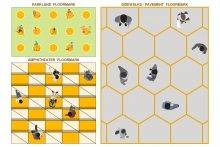
Safe Distancing floor markers in crowded places | Illustration by Pronay Saha © CONTEXT

Moving Performances to the Outdoor

Until patrons can safely attend performances in sufficient numbers to be financially sustainable, some patrons or groups may not return to indoor events. During the pandemic, we have seen innovations for outdoor events have been observed in many countries around the world. For instance, balconies became a connector, transforming semi-outdoor spaces into a performing place. The isolation restricted by this pandemic makes the semi-private space ironically a performance space.   Another part of theater practice of the clapping and banging of pots, singing for the health care workers – that we saw in different neighbourhoods were also as spontaneous activities that unfold in live theaters. These Juliet balconies or performances were spontaneous theater kind that shows human desire to be socialized, and being connected to express, recreate through performance.

We also have seen, outdoor venues, as ‘drive-in concerts’ in Germany and the use of hundreds of socially distanced pods that kept small groups at a COVID safe distance.  The UK recently held an outdoor ‘socially distanced’ concert, where approximately 2500 fans gathered at Virgin Money Unity Arena in Gosforth Park, Newcastle, with a show by English singer-songwriter Sam Fender. In Canada, different neighbourhoods come together, where concert series took place on porches or front yard and the series of smaller performances audiences were located at the sidewalks, streets with 2 metres apart.

We could take these ideas further, and design the outdoor space to address the significance of the performance and audience connection that we have seen in live performances. The design needs to include more outdoor formal or informal theater space to create an inclusive, engaging experience. The balcony as a performance stage and connection with the audience through this stage need to strengthen in design to bring this architectural element back to the foreground as we lived in this space and experience these performances. 

An exterior space can be converted to a make-shift amphitheater kind of space to broadcast the shows on LED screens or to facilitate live performances of local artists. It can be combined with interesting landscape space and grounds for holding small fair-festivals, markets. Mi Casa, your Casa kind of spaces can hold multiple activities and can establish new relations between the performing art facilities and the neighbourhood, not only by transforming the public space but also building a bond between the community around. Under the condition of Covid 19, the installation can function as an urban installation for social distancing.

The desire to connect with the people and surroundings, which starts with the spontaneous heartfelt Italian Juliet Balcony-  is an inspiration to the post-pandemic art facilities design and bring a strong relationship between landscape and the built form. The outdoor steps need to be visually connected with the balcony, digital screen surfaces where the live performance or the live recording can happen and/or be displayed and the audience can take steps outdoor on the unforeseen circumstances.

Double bubbles seating arrangements to ensure COVID safe distancing in indoor public spaces | Illustration by Pronay Saha © CONTEXT

The Idea of Social Distancing and Double Bubbles

As large gathering spaces create more challenges to raise the risk of infection spread, the idea of double bubbling is basically to ease on social distancing measures to ensure patrons maintain physical distancing at the live performances. By using time and space sampling the performance theater needs to design to maintain audience numbers and social distances. When seating arrangement is provided, it needs to follow the double bubbles based on the nature of the performances and the number of the patrons/ audiences. The circulation aisles will follow a 2 m wide social distancing rule. Further, the distance between the audience and the artist that performs will increase to double of 2m to provide a safe distance when it is possible.

Recent live concerts in Cologne Germany have proceeded with a reduced capacity of the audience from 2400 to 1000 by implementing double bubbles rule of social distancing and health measures and by using plexiglass cubes to separate the audiences into small groups of up to eight people. Further, with the social distancing rule within the theater settings, each group also needs to have their own designated time of arrival and departure to enjoy the public event. The event was successful with the health measures and arrangements.

Ventilation and floor marks in Crowded Places

Several factors like crowded space, poor ventilation and close contact activities may have contributed to the outbreaks in public spaces. To make the space suitable for reducing transmission of air-bone infections, a well-planned natural ventilation is effective. By maximizing natural ventilation, and by limiting the maximum occupancy through safe distance floor markers can reduce the probability of transmission.

Social distancing queue markers | Illustration by Pronay Saha © CONTEXT

Other Design Considerations

Public space facilities need to reduce touchpoints and reduce the surfaces that are hard to clean.

Control measures need to be taken by installing touchless washing and /or sanitizing stations in well visible public locations (entrance -exit points, ticket kiosks, bathroom, or any high traffic areas). Additional space i.e. isolation rooms, health monitoring and check-in spaces, and storages room for supplies (hand sanitizers, gloves) need to be in the design considerations.

Lesson Learnt

With the transition to more remote and virtual learning, it is important that the public spaces are resilient to accept new health and well-being concerns, access and movement, and new functional programs and possibilities. At a precinct level, the designs need to address surrounding context and interfaces, edges and uses of the space and at a site-specific level, the design needs to tackle the user’s rhythms, diversity, and experience. The lesson learned here is based on the current evidence as discussed above:

  • Design in post-pandemic public space need to facilitate diverse spaces and comfortable settings in both indoor and outdoor by addressing health in design, without compromising access and functions.
  • The post-pandemic design needs to maximize the exterior outdoor events
  • To separate large crowd and easier movement, multiple entrances, and exits along with one-way movements would keep patrons in distant 
  • Allocation of space in the front of the facilities will allow patrons more time to enter and exit the venues
  • Scattered social/gathering designed spaces in various scales would be effective rather than a single open space at the central location.
  • Use of Balcony to establish and continue the relationship with the performer and the audiences
  • Corridor, feature stairs, ramps widths need to be enlarged to 3 meters or more
  • Assembly space, sitting place for the audience will follow double bubble of social distancing rules
  • Audience number can be limited according to the double bubbles and have designated alternate zones of sittings/ visits
  • For sitting arrangements, the aisle to the central section of the sitting distances to be 3 meters if not at least 2 meters
  • Removable sitting place/ layout to maintain the double bubble when necessary.
  • A substantial part of the patrons will prefer virtual platform, design should therefore expand and consider spaces associated with the virtual functions.
  • To reduce the touchpoints, sensor-based /operated fixtures (lighting in the assembly area, display, and theater area) is recommended.

A Return to (new) Normal

Watching online, people are miss out on aspects of live performance/experience that make public space special, and the shared social experience of live performance cannot feel online. In a recent online survey findings by the author shows that 76 percent public space users would still look for a place to feel safe at live performances when the government lifts restrictions to movement and access. The designed space needs to have a mix of design strategies to restore public confidence.  Because of the pandemic uncertainly, performing spaces need their design strategies to build within several scenarios to accommodate the design needs in shorter timeframes. The designed space need to achieve users confidence on safety, by addressing new interaction and by providing a platform for the activities for the new need. As vaccines are coming, we are expecting a gradual opening to a (new) normal by taking the lesson from the pandemic and going towards the new considerations and changes in spatial settings in performing public spaces.


Illustration by: Pronay Saha


References:

The Performing Arts Post COVID-19: A discussion paper UPDATED

Theatre Design in the Time of COVID-19 By Matthew Lella

COVID-19 Risks and Precautions for Choirs

Pandemics and Playgoers: the Future of Theater in a Post-Pandemic World | Kyle Haden | TEDxCMU  

William Kentridge on the Pandemic and Post-Pandemic Theatre

A ‘socially distanced’ concert — is this the future for music lovers?

Scheuch G. Breathing is enough: for the spread of influenza virus and SARS-CoV-2 by breathing only. J Aerosol Med Pulmon Drug Del. 2020

Manual of Physical Distancing: Space, Time and Cities in the Era of Covid 19 

COVID-19 Risks and precautions for the performing arts

Newly-formed band hosts socially-distanced gigs from porch

Firle C, Jabusch H-C, Grell A, Fernholz I, Schmidt A, Steinmetz A. Make music during the SARS-CoV-2 pandemic. Recommendations of the German Society for Music Physiology and Musicians Medicine (DGfMM) to protect against infection when playing music. Berlin, Germany: German Society for Music Physiology and Musicians’ Association

Evans M. Avoiding COVID-19: aerosol guidelines. medRxiv. 2020.

COVID-19 indoors be minimised? Environ Int. 2020;142:105832.

Heritage Icons, Dhaka | Open Library

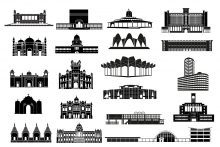
Context team has volunteered to develop an open library of historically significant architectural icons of Dhaka that collectively construct the image of the city. Each architectural edifice is represented with a monochrome silhouette of a simple vector image and available for free download. The shared list is not comprehensive, and we wish to expand the list in the future.  

Team: Kazi Fariha Tasnim (Richie), Mozaffor Hossain Proloy and Saimum Kabir

DOWNLOAD

Dhakeswari Temple | Saimum Kabir

DOWNLOAD

Old Rosary Church | Saimum Kabir

DOWNLOAD

Hossaini Dalan | Saimum Kabir

DOWNLOAD

Lalbagh Fort Mosque | Saimum Kabir

DOWNLOAD

Tomb of Pari Bibi | Saimum Kabir

DOWNLOAD

Ahsan Manjil | Saimum Kabir

DOWNLOAD

Rose Garden | Saimum Kabir

DOWNLOAD

Curzon Hall | Saimum Kabir

DOWNLOAD

High Court | Kazi Fariha Tasnim (Richie)

DOWNLOAD

Baitul Mukarram Mosque | Saimum Kabir

DOWNLOAD

Kamalapur Railway Station | Saimum Kabir

DOWNLOAD

TSC | Amit Imtiaz

DOWNLOAD

Fine Arts Institute | Mozaffor Hossain Proloy

DOWNLOAD

National Assembly Building | Saimum Kabir

DOWNLOAD

Mausoleum of three leaders | Saimum Kabir

DOWNLOAD

DIT Tower | Saimum Kabir

DOWNLOAD

Jiban Bima Bhaban | Mozaffor Hossain Proloy

DOWNLOAD

New Rosary Church | Saimum Kabir

DOWNLOAD

National Museum | Mozaffor Hossain Proloy

DOWNLOAD

Dhaka South City Corporation | Kazi Fariha Tasnim (Richie)

Let’s reach for the stars, together!

The International Women’s Day is celebrated all over the world every year on the 8th of March in various capacities. This year’s theme for International Women’s Day is ‘Choose to Challenge’.

“We can all choose to challenge and call out gender bias and inequality. We can all choose to seek out and celebrate women’s achievements. Collectively, we can all help create an inclusive world”.

The Context team takes the pleasure to celebrate this event and to call for actions to change our mindset and to make a difference at our workplace together with our male colleagues.

The decision to make the women’s day an international event was taken at an International Conference of Working Women in Copenhagen in 1901. Then in 1975, the United Nations member countries began celebrating the day.

Although the day originates from women’s struggle for equality, at present, 110 years after its inception, the day has become a celebration of the everyday woman and their role in the society. In Bangladesh, women have always played an active role alongside men in making progress, starting from the 1971 Liberation War to the present political sphere. The flourishing readymade garments industry owes much of its success to its 80% women workforce. The number of women working outside their homes has increased tremendously in the past two decades and women continue to excel in many disciplines such as sports, business, law, arts, science and technology. From completing the Seven Summits, to winning the Women’s Asia Cup tournament, from heading Microsoft Bangladesh to taking the lead on decoding Genome of SARS-CoV2 in Bangladesh, the list of achievements by Bangladeshi women is endless.

In the case of the architecture discipline in Bangladesh, which has completed 60 years, there is a considerable presence of women in the undergraduate programs since the beginning, which initially had three women in the program, including Nazma Anwar. When it comes to the profession itself, the discourse often centers around their struggles of balancing work and family life, and not on their professional achievements. While it is impossible to ignore the statistics that show that gender imbalance among practicing architects, it is also equally important to celebrate and praise the works of the women in the profession.

The most rewarding aspect of acquiring a degree in architecture is that despite being lengthy and strenuous, it can lead to several career paths. Architects often shift to related disciplines within the built-environment sector, like urban planning, landscape architecture, real estate and infrastructure management; or in creative industries like product design, filmmaking and performing arts. Some also use their unique problem-solving abilities to contribute to the greater issues in the humanitarian and development field.

Women architects do not consider their gender as a barrier to reach for their dreams. To start with, we salute Tasmin Doza, who reached for the sky by becoming a commercial pilot for Biman Bangladesh Airlines. Some other inspirational figures are Khaleda Ekram (late), the first woman to be appointed as the Vice-chancellor of Bangladesh University of Engineering and Technology (BUET); Zarina Hossain, president of the Sylhet unit of the Institute of Architects Bangladesh (IAB); Luva Nahid Choudhury, Director-General of Bengal Foundation; and Syeda Tuhin Ara Karim, National Film Award-winning actress, to name a few.

At the global scene, women leaders have demonstrated great achievements. The first three positions of the world’s top 50 thinkers are occupied by women. They include the Keralan Health Minister, the New Zealand Prime Minister and the Agha Khan Award winning Bangladeshi architect Marina Tabassum. In the international development scene, Dr. Afroza Ahmed, has been a key figure in implementing infrastructure services programme worldwide. Most recently, Nadia Khalid Tithi has been working at the forefront of humanitarian response and recovery, engaging her architectural skills in rebuilding lives and livelihoods in many war-torn and disaster affected countries across Africa and Asia.

At the academic scene, we salute our teachers, who are shaping the minds of the new generation of architects. We would like to acknowledge the contribution of Dr. Zainab Faruqui Ali, the Chairperson of the Department of Architecture at BRAC University, Sarah Bashneen the Acting Chairman at the Department of Architecture at Stamford University, Shaila Joarder, the Chair of the Department of Architecture at North South University and many more.

In the practicing arena, although the architecture profession consists of only 37% women practitioners in Bangladesh, some remarkable works have been done by them over the years. Tanya Karim, of TKNRK, has been co-leading her practice for the past 30 years with various successful national and international projects. At the community level, Farhana Rashid, co-founder of Bhumijo, is working across the country to establish healthy and hygienic public toilets. There are also plenty of solo practitioners who are confidently working in mainstream practice.
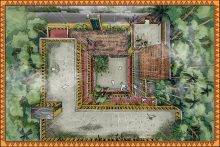
Denise Scott Brown, the first American woman architect to be awarded the Pritzker prize, mentions in her essay, Room at the Top? Sexism and the Star System in Architecture, that architectural writers focus too much on the sexism and gender-based discrimination women faced in the profession. She requests them to write about her work, instead of the challenges she faces. This is a global problem that exists in Bangladesh too. Most discussions or newspaper articles regarding women professionals often tend to focus on their ability to juggle work and family life, and the sexism they face at workplaces. This mindset needs to be challenged.

And yet the fact remains that women do face these challenges in their professions. But these challenges can be resolved with genuine efforts from those at the top. As creative professionals, we can address this issue, by talking about it. We need to encourage both women and men to discuss this together. So far, there has not been enough effort. The Context team has highlighted this on several occasions. Most recently, in the webinar, ‘The voices of women architects in Bangladesh’, the then Vice President of Institute of Architects-Bangladesh informed that the female architects associated with IAB for over 20 years have dropped by 20%. Some believe that there is a multitude of reasons behind this; pressure from the family, dearth of proper mentoring and lack of learning opportunities from peers are the leading causes behind this. The professional institution can play a key role in this regard. Furthermore, a supportive work environment may attract a large number of women architects in practice.  

To call for action, we need to make sure adequate support is provided to both men and women architects, by our encouraging families, our professional bodies who can establish systems for inclusive workplace and by our academic institutions to establish skilled professionals.

To succeed in the architecture discipline, like any other rigorous career, cooperation from one’s family and partner or the employer is of utmost importance. On the other hand, the architects need to be able to fulfill their family’s need. To consider this, employers should make their workplace as inclusive and diverse as possible.

To challenge our work culture, special attention should be given to address overtime work and under-paid staff.  The employers should also address individuals’ family needs such as introducing leave to care for family members, introducing both maternity and paternity leaves or shared parental leave, allow childcare provisions or any other special provisions as and when needed. This can help both men and women to support their family equally. This will enable both parents to take the fair share of responsibility for childcare. Then the women will not fall behind their careers just because they choose to become a mother.

To strengthen our systems, architectural firms and other institutions who employ architects, must set up adequate policies that can offer professional development such as promotions, mentoring and sponsoring training. To establish these systems and better work ethics, the IAB has a crucial role to play.

Finally, women should be encouraged to put themselves forward for any leadership positions.  Educational institutions have a key role to ensure that skilled individuals are nurtured, who are able to face the world outside academia and succeed professionally.

No cultural bias should hold either women or men back. As architects, it is our collective responsibility to build a better society. As architects, we all claim to think outside the box and to challenge our own mindset, we all dream to reach for the stars. And to do this, we need to act together with our male peers.


References:

Chowdhury, B. (2021). ‘History doesn’t necessarily mean ruins’. Prothomalo. Retrieved 7 March 2021, from https://en.prothomalo.com/opinion/interview/history-doesnt-necessarily-mean-ruins.

Denise Scott Brown – Making Difference: Architectures of Gender. Blogs.ethz.ch. (2021). Retrieved 7 March 2021, from https://blogs.ethz.ch/making-difference/2017/10/26/denise-scott-brown/.

Extraordinary Achievements. The Daily Star. (2021). Retrieved 7 March 2021, from https://www.thedailystar.net/supplements/unpacking-2017/extraordinary-achievements-1513276.

Khaleda Ekram. En.wikipedia.org. (2021). Retrieved 7 March 2021, from https://en.wikipedia.org/wiki/Khaleda_Ekram.

International Women’s Day 2021: History, marches and celebrations. BBC News. (2021). Retrieved 7 March 2021, from https://www.bbc.com/news/world-56169219.

Senjuti Saha. En.wikipedia.org. (2021). Retrieved 7 March 2021, from https://en.wikipedia.org/wiki/Senjuti_Saha.

Prospect Team, (2020), The world’s top 50 thinkers 2020: the winner, Retrieved 7 March 2021 from

https://www.prospectmagazine.co.uk/magazine/the-worlds-top-50-thinkers-2020-the-winner

https://www.internationalwomensday.com/Theme