It was May 2020, the world kept quiet for covid19 pandemic. Suddenly a black veil named Amphan swept over the coastal area of Bangladesh. The roar of the super cyclone broke the silence and shattered the lives of people living in the area. Houses and schools have been torn apart; farms have been filled with brackish water making the land unsuitable for farming. The corps will grow again, the houses will be built as well but what about the dream of thousands of school-going children living in this area?
Pratapnagar, a village of Assasuni, Sathkhira, is one of the hundreds of Amphan-affected villages. The disaster had a harsh impact on the children of Pratapnagar. As they lost their homes and saw their only primary school destroyed in the storm. This created a deep impression on their mental health. So it was necessary to recover from the catastrophe and get back to normal life soon. The local community identified the necessity for a new school building to help the children retrieve the awful memories. ‘School of Hope’ is the reflection of this initiative.
PC: Md.-Jahin-Ahmed
Children of Pratapnagar went through transitions over time. Before Amphan they used to attend classes in enclosed separate classrooms. After the disaster, they moved together under the open sky. Therefore, these transitions are translated into the newly designed mass. Besides, it gives the essence of ‘Pathsala’- a primitive open-air institution with a temporary shading over it. The perforations and openness of the facade ensure visibility and transparency, allowing the children to interact with the surrounding environment while still being protected from nature.
PC: Md.-Jahin-Ahmed
The 62’X22’ built structure is placed along the neighbourhood in a way to have enough space for assembly and playing space in the front yard including future extension. Classrooms are placed in a linear arrangement and are separated through a common space based on children’s psychology and age. The common space alternately acts as an open classroom, a space for interaction and playzone, and a space for parents to wait.
PC: Md.-Jahin-Ahmed
A single-sloped roof houses all the classes and the common space altogether. The roof is pulled away from the learning space to ensure proper lighting and ventilation. Besides the perforations of the modular panels, there is no need for electricity during the class. An elevated roof and the common space between the inner masses allow storm winds to pass by without damaging the structure.
Design consideration adopted the total masterplan of the site with a phase-wise development. The finished building mass is the implementation of the first phase of development with limited funds. With more funds, the school can grow substantially to accommodate more students over the course of time.
PC: Md.-Jahin-Ahmed
The initial phase was completed in 2021 and started serving the children since then facing cyclone YAAS. It became impossible to accommodate some of the design interventions due to a lack of funds. For instance, there was an operable shading for driving rain. But considering the urge to start classes in a short time, these features couldn’t be incorporated. Though facing some rainwater issues, the school is functioning regularly. Initially, the school was designed for an extended capacity of 90 students. But students are increasing at a good rate day by day which shows the local interest in the new school building.
PC: Md.-Jahin-Ahmed
Materials
As natural disasters are common in the region, modular units could be a useful choice because they are easy to maintain and replace. The module’s main components are bamboo, pata and wood which are inexpensive and widely used by the locals. Observations and simulations from a BUET research team were extremely useful in this effort. Considering all the facts and restraints, the final construction started with a limited budget of 2900 USD. After only six weeks of construction, the finished building unites a durable and cyclone-resistant structure made of local materials. It ensures a low-cost, strong, and well-ventilated learning space for the children.
The objective was to build a low-cost lightweight structure with locally sourced materials that could ensure durability and strength. The space is covered with a lightweight roof made of corrugated sheets and a woven ceiling of Chatai beneath it. Chatai keeps the area cool and its colour and texture provide a homogeneous ambient to the space. Bamboo, wood, and Pata are cheap, abundantly available and are being used regularly in this region. So, bamboo is used for the main structure with the support of a short composite column in the base to stand still against the catastrophe. The fenestration consists of a wooden panel and a perforated material called ‘Pata’, locally used in dams and gher. The perforations and openness of the facades ensure visibility and transparency which connects the children to the adjacent environment.
PC: Md.-Jahin-Ahmed
Construction Process
The construction began in early March and lasted until mid-April. Local building techniques and modern engineering methods were combined for best quality construction to facilitate construction and future maintenance. The procedure included the building of the composite bamboo framework, modular facade preparation, roof construction, and module installation. Much of the detailing happened simultaneously with the project construction and gained experience and knowledge. Local artisans with knowledge of working with indigenous materials were involved throughout the construction.
PC: Md.-Jahin-Ahmed
Disclaimer:
CONTEXT (www.contextbd.com) and their collaborators (the project architect(s)/ Author) jointly hold the copyrights of all contents including, but not limited to, all text, information, illustrations, images. You shall not republish, duplicate or reproduce any of the content on this website, including files downloadable from this website
তুমি তো জানো আমার দাদার বাড়ি নওগাঁ জেলার রাণী নগর উপজেলার রঞ্জনীয়া গ্রামে আর নানা বাড়ি নওগাঁ জেলার কাছের আলেদাদপুর গ্রামে। কর্ম সূত্রে আব্বু রাজশাহী, গাইবান্ধা, পাবনা, বগুড়া, ঢাকাসহ বিভিন্ন শহরে চাকরি করেছেন আর আমরা তার সাথে শহরেই থাকতাম।
দাদা বেঁচে থাকতে শৈশবে শহরের বাসা থেকে বছরে একাধিক বার দাদা বাড়ি যেতাম । নানা বাড়ি কম গেলেও যেতাম, তবে সেখানে থাকা হতো কম। গ্রামের মাটির বাড়ি, পুকুর ঘাট, গ্রামের আত্মীয় পরিজন, ধানক্ষেত, আল পেড়িয়ে অন্য গ্রাম অদ্ভুত আকর্ষণ করতো। ছিল উনুনে বিশাল হাঁড়িতে ডেকচি ভরে রান্না, পাড়ার মহিলারা গোল হয়ে রান্নার কাজ করছে, কেউ শামুক কেটে হাসকে খাবার দিচ্ছে, খলাতে ধানের মধ্যে পা দিয়ে নানা নকশার বিলি কেটে ধান উল্টায়ে দিচ্ছে, পাশে বাচ্চাকাচ্চার দল পাথর গুটি দিয়ে ছড়া কেটে খেলছে, আরও কত কি! সেই দিনগুলো আর ফিরে আসবে না, কিন্তু সেই স্মৃতি মনে থাকবে।
রঞ্জনীয়া যাওয়ার কয়দিন আগে থেকে কি যে একটা আনন্দ হতো, তা লিখে প্রকাশ করা সম্ভব না। লেখাপড়া থেকে মন শুধু ঘুরে বেড়াতো বাড়ির খলার মাঠে, ধানের ক্ষেতে, পুকুরে, আলে। গ্রামে গিয়ে শান্ত মেয়েটি গাঁয়ের চাচাতো, ফুপাতো ভাই বোনের সাথে হয়ে যেতাম দূরন্ত! সময়ের রুটিন ভেঙ্গে দিনভর ঘুরে বেড়ানো, সকালে কাঠাতে মুড়ি আর সদা ( সদা হলো হাট থেকে কেনা মিষ্টি মন্ডা, বিস্কিট, গজা, গুড় বা চিনি দিয়ে তৈরি খাবার) নিয়ে রোদে বসে খাওয়া আর গল্প জুড়ে দেয়া, বেলা বাড়ার সাথে পুকুর পাড়ে মাটির বাড়ি তৈরি করে একেকজন একেক কাহিনী গল্প বলে যাওয়া, দুপুরের আগে ক্ষেতের পাশে ঘুরে পুকুরের এঁটেল মাটি দিয়ে শখের হাঁড়ি পাতিল, আম, জাম, কলা, পুতুল তৈরি করে শুকাতে দেয়া। তারপর পুকুরে ঝাঁপিয়ে গোসল করা, চোখ লাল হয়ে না যাওয়া পর্যন্ত। বর্ষার পর গেলে দেখতে পেতাম গ্রামের ছেলেপেলে, এমনকি বড়রাও এক জমি থেকে অন্য জমিতে সেঁচে মাছ ধরছে, অবাক হয়ে দেখাও আমার কাজের মধ্যে পরতো। আমি মাঝে মাঝে নেমে সাদা রঙের প্লেট দিয়ে পানি সেঁচতাম ওদের সাথে, দারুণ মজা লাগতো তখন। পুকুর পাড়ে তাল কুড়ানোর জন্য ঘন্টার পর ঘন্টা অপেক্ষা করা আর কুড়িয়ে পাওয়া সেই তাল হাতে নেয়ার সে অদ্ভুত আকর্ষণ ! এখন বাজার থেকে কিনে আনা তাল হাতে নিলে সেই আনন্দটা বুঝিনা। একেবারে অন্য রকম বাঁধ ভাঙ্গা দিন। তোমরা চিন্তাও করতে পারবেনা তোমার আম্মু ছোটবেলায় এমন করেছে কখনো।
দাদাদের বাড়ির সামনে গ্রামের মাঝখানে ছিল বিশাল পুকুর। আর পুকুরের চারপাশ ঘিরে এই শরীক, ঐ শরীকের ধানের খলা ছিল, খড়ের পালা, গরুর গোয়াল, বাড়ির বৈঠক খানা ছিল।
দাদার বাড়ি বরাবর ছিল বিশাল তিনটা জোড়া লাগায়া তেতুল গাছ যা তেতুল তলা নামে পরিচিত ছিল। এই তেতুল গাছ ছিল বিশাল উঁচু, প্রাচীন আমলের গাছ। এটার গুঁড়ি ছিল ছোট বাচ্চাদের সমান। আমরা এর উপরে একেকটা শিকড়কে একেকটা ট্রেনের বগি বানিয়ে ট্রেন ট্রেন খেলতাম। এখানে সারা বছর মহিষ বাঁধা থাকতো। তার সামনে ডান দিকে আরেকটা ছোট পুকুর। পুকুরের ডান পাশে পারিবারিক কবরস্থান যেখানে আমার দাদার পরিবারের সদস্যরা ঘুমিয়ে আছেন। এর উপরে বিশাল বিশাল গাছে ঘেরা ছিল পুরো এলাকা। এই পাশটাতে যেতে পারতাম না, ভীষণ ভয় লাগতো আর এখানে গাছ আর গাছ ছাড়া কিছু ছিল না। আমি ভয়ে ঐমুখো হতাম না কখনো। আমার ছোট বোন শিমলীর কবরও আছে এখানে। এখন কবরস্থানে বড় গাছ নেই ছোট ছোট গাছ দিয়ে জঙ্গলের মতো হয়ে আছে।
তার সামনে ছিল ধানি জমি আর সবার মাথার সামনে বড় পুকুরটা যা আমি বড় সড়ক থেকে দেখতে পেতাম। এই ছিল আগের গ্রামের সাধারণ চিত্র।
দাদার বাড়ির মূল প্রবেশ দাঁড় সড়কের বিপরীত দিকে। আর বাড়ির সামনে একটা বিশাল পুকুর ছিল যা কিনা এখন ভরাট হয়ে গেছে। এই অংশে এখন আছে শুকনো খড়ের পালা আর ধান শুকানোর খলা করা হয়েছে। আর দাদার বাড়ির আগে যে বাইরের উঠান অর্থাৎ খলা যেখানে ধান শুকানো হতো তার প্রায় পুরো চিত্রটাই বদলে গেছে।
দাদার খলার মাঝ বরাবর আমার আব্বুর বাড়ি হয়েছে, মাটির দোতলা বাড়ি। এই বাড়ির বয়স ত্রিশ বছরের বেশিই হবে । তবে এখনও মোটামুটি ভালো আছে, কারণ এখানে একটি পরিবার বসবাস করে। পুরু মাটির দেয়ালের এই বাড়িটির ভিতরে অনেক শান্তি শান্তি ভাব। আপন নীড়ের গন্ধ খুঁজে পাই। শিকড়ের একটা অস্তিত্ব এখানে জুড়ে দেয়া আছে তা বুঝতে পারি। ঘরের ভিতরে গরমের সময় ঠান্ডা ঠান্ডা আর ঠান্ডার সময় গরম থাকে। পুরো বারান্দাটাও দেয়াল দিয়ে বেষ্টন করা। বাইরে শুধু কল পাড়, বাথরুম। ভিতরে চারটা বড় বড় ঘর। বাড়ির ছাদ তৈরি করতে ব্যবহার করা হয়েছে তাল গাছ চিড়ে তার তীর, বাঁশ, মাটি আর খড় মিশ্রিত করে তৈরি করে লেয়ারে লেয়ারে সাজানো মজবুত ভীত। যত্ন করে ব্যবহার করলে আরও বহু বছর টিকে থাকবে। ছাদের কিনারে দেয়ালে হালকা নকশা করা মাটি দিয়ে, কাঁচা শিল্পীর হাতের কাজ হলেও রয়েছে অন্য রকম নান্দনিকতার পরশ। ফুল, লতা, পাতা দিয়ে নকশা করা। এই নকশা করা হয়েছিল দাদীর ঘরের নকশার অনুকরণে। দাদীর ঘরের নকশায় সাদা, নীল, সবুজের কম্বিনেশন ছিল মনে হয়। আমার ভুলও হতে পারে। আব্বু এই বাড়ি তৈরি করার সময় মায়ের ঘরের আদলটা মাথায় রেখে তৈরি করেছিলেন মনে হয়। তাই দরজাতেও খানিকটা দাদীর ঘরের মতো ফুল পাতা দিয়ে নকশা করা আছে দেখলাম। এখন আর দক্ষ নকশাকার নাই, যারা দেয়ালে বা দরজা – জানালায় নিঁখুত ডিজাইন করবে। আর করলেও সেখানে শহরের বাড়ির মতো নকশা দেখতে পাই, আদি রূপ রস গন্ধ পাওয়া যায় না।
আমার দাদা বাড়ি ছিল ইউ প্যাটার্নের। বাড়ির ভিতরের অংশে মাঝে ছিল দাদীর ঘর, যা আমাদের সবার প্রিয় ছিল। দরজায় নকশা আঁকা, সবুজ রঙের ছোঁয়া, ফুলের মাঝে মনে হয় লাল রঙের আভা ছিল। তাল গাছের তীর দিয়ে যে ছাদ তৈরি করা ছিল সেটাও ছিল অন্য ঘর গুলো থেকে সবচেয়ে উন্নত ধরনের। তার নিচেই দারুণ নকশা আঁকা, জমিদার বাড়ির মতো নকশা ছিল। শুনেছিলাম দাদীর বাবা নাকি অনেক দূর থেকে কারিগর এনে নকশা করিয়েছিলেন এই ঘরের। রঞ্জনীয়া গ্রামের সরদার বাড়ির (বড় বাড়ি বলে ডাকতো সবাই) বড় বউয়ের ঘর বলে কথা! ভিতরে মাটির তৈরি নকশা গুলো ছিল তখনকার জমিদার বাড়ির অনুকরণে তৈরি। তাই নিঁখুত হাতের কাজ। এখন যেমন আধুনিক বাড়িতে দেয়ালের সাথে আসবাব সব সেট করা থাকে, দাদীর ঘরেও তেমন ছিল। চারপাশে নকশা করা দেয়াল তাক যেখানে জিনিসপত্র সাজিয়ে রাখা থাকতো, দাদার একটা লোহার সিন্দুক রাখা ছিল এইখানে। দাদা কলকাতা গিয়ে সোনার ব্যবসা করতেন তখন। সান্তাহার জংশন থেকে রেলগাড়ীতে যাওয়া যেতো তখন। ঘরের একেবারে পূর্ব পাশে ছিল সিঁড়ি। মাঝখানে একটা জানালা ছিল। আমরা চাচাতো ফুপাতো বোনেরা এই সিঁড়ি আর জানালায় বসে পিছনের বাঁশঝাড় দেখতাম, গল্প করতাম এখানে বসে। সিঁড়ি দিয়ে উঠে গেলে ছিল বিশাল ঘর উপরে। এক দিক দিয়ে উঠলে পুরো বাড়ির চারদিক ঘুরে আসা যেতো। মেহমান বা বিয়ের আয়োজন থাকলে উপরে থাকা হতো। তা না হলে উপরটা বেশি ফাঁকা থাকতো আর ধানের সময় ধান ও অন্যান্য আনাজপাতি স্টোর করে রাখা হতো। আমরা বিভিন্ন মাটির মটকা থেকে এটা ওটা নিয়ে খেতাম। বিশেষ করে তেঁতুল নিয়ে শেষ করে ফেলতাম! দাদা মারা যাওয়ার পর যখনই বাড়ি যেতাম সব পিচ্চিরা দাদীর ঘরে শুতাম আর গল্পে গল্পে দারুণ সময় কাটাতাম।
দাদীর ঘর থেকে বের হলে ছিল বড় বারান্দা, অনেকটা প্যাসেজের মতো যার দুই দিকে আবার ঘর। ছেলেরা, মেয়েরা আসলে এখানে থাকতো। বাড়ির বিভিন্ন জায়গায় জায়গায় মাটির নকশা করা গর্ত থাকতো যেখানে সন্ধ্যা হওয়ার আগে হারিকেন, বাতি জ্বালিয়ে রাখা হতো ঘর আলোকিত করতে।
মাটির বাড়ির মতো মানুষ গুলো মায়ায় জড়ানো, স্মৃতিতে উজ্জ্বল। তোমাদের জন্য সেই স্মৃতির ঝলক তুলে ধরলাম। সময় বয়ে যাবে তার নিজস্ব গতিতে। বদলে যাবে মানচিত্র, বাড়িঘর, গ্রাম, মানুষ। এক সময় হবে ইতিহাস, ঐতিহ্য। যে জাতি পুরনো ইতিহাস, ঐতিহ্য ধরে রাখতে যত পারে, সেটাকে সম্মান করে সেই জাতি তত সম্মানিত স্থানে অধিষ্ঠিত হয়। পুরনোকে পরিত্যাগ করে নয়, পুরনোর উপরে সম্মান, ভালবাসায় জড়িয়ে নতুন করে আধুনিকতা দিয়ে বেঁধে রাখতে হবে।
As you already know, my paternal grandfather’s house is in Ranjaniya village of Rani Nagar upazila of Naogaon district, and my maternal grandfather’s house is in Aledadpur village near Naogaon district. My father worked in various cities, including Rajshahi, Gaibandha, Pabna, Bogra, and Dhaka, and we used to live in those cities with him.
When my dada (paternal grandfather) was alive, I used to visit him several times a year. I used to go to nana’s (my maternal grandfather) house sometimes, but I also spent less time there. Village mud house, pond ghat (paved stairway), village relatives, paddy field, village over fields – there was this sorcery that used to enchant me. People used to be cooking in huge dekchis (large pots), neighborhood women were working in circles, someone was cutting snails and feeding the ducks, and someone was drying paddy in the front yard with their feet making dancing patterns while turning the rice upside down. Those days will never return, but the memories will live on.
It’s impossible to put into words how happy I was a few days before going to Ranjaniya. My thoughts only wandered in the front yard of the house, the paddy field, the pond, and the narrow walkway through the fields; I couldn’t focus on the reading table at all. This quiet girl would be restless in the village with her uncles, cousins, brothers and sisters! Breaking the routine, wandering around in the morning, sitting under the winter sun with muri and sada (kind of sweetmeat bought from the market made with biscuits, gaja, molasses, or sugar) and filling the air with the resonance of our words, building mud houses by the pond in the afternoon, telling each other stories, going around the fields before noon and making ‘hobby pots’ with clay from the pond, making mangoes, berries, bananas, dolls and letting them dry. Then jumping into the pond and bathe until our eyes turn red. I used to see village boys and even elders fishing from one land to another after the monsoon. I used to go down and sprinkle water on them with a white plate; it was a lot of fun. The strange allure of waiting for hours to collect palm from the pond bank and picking them up! I never felt the same joy holding a palm in my hands bought from the market. You can’t even imagine your mom ever did these as a child.
In front of my father’s house was a large pond in the middle of the village. And there were properties of this and that partner all around the pond; paddy fields, hay fields, cowsheds, and the meeting room.
There were three massive tamarind trees known as ‘tetul-tala’ that ran alongside my father’s house. These tamarind trees were tall, ancient ones. We used to play train by making each root into a play-train compartment on top of it . Buffaloes were used to be tied up in here throughout the year. Another small pond was to the right of it. The family cemetery on the right side of the pond is where my grandfather’s family members rest. The entire area was surrounded by massive trees above it. I couldn’t go to this side because it was too scary, and there were only trees. I’d never go there out of fear. My younger sister Shimli’s grave is also here. The cemetery now resembles a forest with small trees rather than a cemetery with large trees.
In front of this was the paddy field and in front of everyone’s head was the big pond which I could see from the main road. This was the general picture of the earlier village.
The main entrance of the grandfather’s house is on the opposite side of the road. There was also a large pond in front of the house, which is now filled up. Dry straw and paddy drying ditches have been installed in this place. And almost the entire image of the outer yard has changed, where paddy was dried in front of grandfather’s house.
My father’s house is a two-story mud house in the middle of Dada’s front yard. This house will be over thirty years old. But it’s still pretty well maintained, because a family lives here. Inside this house with thick mud walls, there is a lot of peace and tranquility. I always smell my own nest in this house. I sense the presence of roots in here. The indoor remains cold in hot weather and hot in cold weather. The entire balcony is surrounded by walls. Only the faucet and the bathroom are visible from the outside. There are four large rooms on the inside. Palm trees were used to make layer upon layer of strong battens for the house’s roof by combining its branches, bamboo, earth, and straw. If used properly, it will last for many more years. Some novice artist’s handiwork makes a different aesthetic dimension with lightly patterned soil on the walls at the edge of the roof. Design with flowers, vines, leaves. The design was modeled after the design of the grandmother’s house. Grandmother’s room design appears to be decorated in white, blue, and green combination. I could be wrong. It seems that my father built this house keeping the essence of his mother’s place in mind. So I saw that the door is also designed with flowers and leaves a little like grandmother’s house. There are no skilled designers available today who can recreate perfect designs for walls, doors, and windows like this. Even if you find, you can see the design of the city house patterns, the original essence can hardly be found.
My grandfather’s house was designed in the U shape. The grandmother’s room, in the center of the house, was a favorite of all of us. There were designs painted on the door, touches of green, and flowers with a red tint. The roof, made of palm tree branches, was also the most advanced of the houses. It was a richly designed, zamindar house-like design beneath it. My granny’s father reportedly brought in artisans from afar to design this room. Room of Sardar Bari’s (they used to call it ‘boro bari’ back then) eldest bride it is! The interior clay designs were inspired by zamindar houses of the time. So finely crafted. Grandma’s room was set up against the walls in the same way that furniture is in modern homes. Grandfather kept an iron chest here, around the designed wall shelves where things were arranged. Dada traveled to Calcutta to conduct gold trading. It was then possible to travel over there by train from Santahar Junction. The stairs were on the room’s eastern side. In the center, there was a window. We, cousins and sisters, used to sit on these stairs and windows and look out the windows at the bamboo trees behind us, talking. A massive house awaited you at the top of the stairs. You can go around the entire house if you start from one side. we stayed upstairs if there were guests or weddings. Otherwise it would have been empty and paddy and other crops would have been stored during the rice season. We used to eat this and that from various clay matkas (pots). I would mostly finish all the tamarind from there! After grandfather died, whenever I went home, all the kids would sleep in grandmother’s room and have a great time telling stories.
There was a large verandah outside the grandmother’s house, like a passage, with houses on either side. My father and his siblings lived here. There were holes carved in the earth throughout the house where lamps were lit before nightfall to illuminate the house.
People, like mud houses, are surrounded by magic, bright in memory. I’ve shown you a glimpse of that memory. Time moves at its own pace. House plans, houses, villages, and people will all evolve. Tradition will be history one day. The nation that respects its old history and tradition, holds the more respectable place. Not by abandoning the old, but by respecting and loving the old, it should be tied with new modernity.
Love,
Hera, Sarah, Aranya’s mother,
Kaniz Fatema
হারিয়ে যাচ্ছে আমাদের গ্রাম। হারিয়ে যাচ্ছে মাটি ও মানুষের আত্মিক সম্পর্ক। জীবন ও জীবিকার সংগ্রামে আমরা ভুলতে বসেছি আমাদের শেকড়। গ্রামের বাড়ি আজ যেন এক নস্টালজিয়া। শুধু বেঁচে আছে আমাদের স্মৃতিতে। কি রেখে যাচ্ছি আমরা ভবিষ্যত প্রজন্মের উদ্দেশ্যে? সেই শিকড়ের খোঁজে আমরা খোলা চিঠির আহ্বান জানিয়েছিলাম।
আপনি যদি অংশগ্রহণের কথা বিবেচনা করে থাকেন তবে যত তাড়াতাড়ি সম্ভব চিঠিটি প্রেরণ করুন।
CONTEXT (www.contextbd.com) and their collaborators jointly hold the copyrights of all contents including, but not limited to, all text, information, illustrations, images. You may not duplicate or reproduce any of the content on this website, including files downloadable from this website
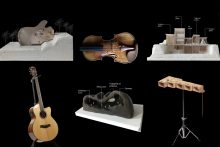
How is it to live inside a musical instrument? The 2nd year students of the Department of Architecture, Bangladesh University started with this very question for their final project of “Music Appreciation” course. Each student was given the task of selecting a musical instrument that they would use as inspiration for creating an architectural space. They were given the liberty to use the whole section of their chosen instrument or use any portion from it. Music instruments are functional devices in their own ways. They are designed with proper material, hollow spaces, strings, etc. to create the best music possible. Similar is the case for Architecture. A piece of architecture must respond to its function, light, scale and evoke our senses just the way music does. Again, the sculptural form of each musical instrument creates interesting sections within which interesting architectural spaces can be perceived by adding levels, mezzanines, voids, etc.
The project was done in 2 phases. In the first phase, students studied their selected instruments thoroughly, their dimensions, typologies, use of context, materials, etc., and explored different sections of the instrument which can make interesting architectural spaces if scaled up. In the second phase, they created their desired architectural space within their chosen section of the instrument and presented their designed space with sectional models and hand-drafted sheets.
The results were magnificent. Choiti Khatun chose the Violin as her inspiration and bisected it. Then she took the longitudinal section of the bisected portion and designed a cave-like exhibition space manipulating the walls and floors within the section keeping the outer form intact only allowing light through a few punctures.
Maria Akther Nemni chose the Temple Block and worked with its longitudinal section considering each block as an individual space for individual exhibition. She then embedded her exhibition building within the topography of her hypothetical hilly site and further manipulated the section adding a few levels in the basement although the form of temple block was recognizable above the hill.
Md. Nuruddin (Riyaad) chose a Guitar and worked with its longitudinal section and designed a tourist hide-out located in a hypothetical tourist spot. Entering this space, tourists can enjoy rain, water, nature at multiple levels and also interact with each other.
Shariful Hoque Easin (Shashin) chose Cajon which has a container-like space in its section with a circular opening. To break the monotony of the single space, he created multiple spaces adding mezzanines and ramps. The resultant space is a multi-leveled exhibition space.
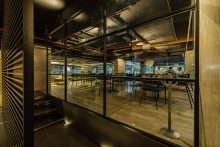
The project is located on the ground level of an 18- storied commercial office building in Gulshan, Dhaka. The owner had a 130.0 sqm of space on the ground floor for his personal ventures. The real challenge began when the design team realized that half of the space is positioned over the vehicular ramp and to make room for the vehicles below, this 60.0 sqm area was elevated 0.9 m resulting in a reduced 2.4 m clear height from the FCU and diffusers.
In order to maintain a uniform proportion, the counter area has been organized with a wooden finished drop ceiling. The fixed entrance to the Bistro led to the elevated part being designed as the main seating area capable of serving 24 people at a time. The lower half of the area was mostly the service area with designated kitchens and coffee stations along with a few of tables for two.
The fixed glass walls were kept as it is to welcome more customers both from the inside and outside the building. An outdoor aisle, connected to the service area can serve up to 15 persons and can be a good choice for people who likes to spend time outdoors.
The raised seating area has been finished with left out marble arranged in small pieces. Intermediate stainless-steel lines have been incorporated into the marble to aid mobility and to enhance overall reflectivity. The tables and chairs are made of matte black mild steel supports, with textured wooden table tops and fabric-covered chair upholstery. The true ceiling was painted black and left exposed, showcasing the FCU, drain lines, diffusers, etc.
A metallic structure, supporting wooden treads with dark, matte checker plate on top has been installed to allow visitors to reach the main seating area. This stair bisects the metal louver and fixed glass panels both of which balances the privacy and visibility of the entire space.
The lower floor was finished with rustic tiles installed in brick pattern, keeping dark visible grout lines to enhance the natural look of the bistro. The counter tops were supported with wooden textured dry boards and finished with black granite. The overall idea was to produce a dark yet comfortable ambience for the users.
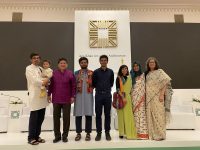
For the third consecutive cycle, two out of six winners of the Aga Khan Award for Architecture are projects designed by Bangladeshi architects. On 22nd September, winners of the 2022 Aga Khan Award for Architecture were announced, where two of the coveted positions were awarded to Urban River Spaces in Jhenaidah by Co.Creation Architects / Khondaker Hasibul Kabir and Suhailey Farzana, and Community Spaces in Rohingya Refugee Response by Rizvi Hassan, Khwaja Fatmi, and Saad Ben Mostafa. The 2022 award ceremony was held in Muscat, Sultanate of Oman, from October 28-30.
Established in 1977 to recognize projects which establish new standards that determine excellence in architecture, the Aga Khan Award for Architecture is widely acknowledged as one of the most highly esteemed recognitions for built environment professionals worldwide. The Award aims to identify and recognize design ideas that provide successful solutions to challenges faced by communities worldwide, and is generally awarded to projects that are built with sensitivity towards the environment and the communities it will serve.
Urban River Spaces in Jhenaidah is one such project that is fully geared towards its community. Although the city of Jhenaidah originated around the confluence of the Naboganga river, over the course of time, the usage and access to the riverbank decreased. That’s when the local community and Khondaker Hasibul Kabir and Suhailey Farzana of Co.Creation Architects, worked together to redesign the ghat along the river. With the help of local builders and masons, two ghats were constructed, while preserving all the trees and vegetation of the existing site. These ghats are now fully utilized by the communities as a functional space by the river, with walkways running adjacent to it.
In 2017, the sudden influx of refugees who fled from Myanmar to Bangladesh, and took shelter in Cox’s Bazar, resulted in a lot of strain on the infrastructure and services that existed in the region. Thus, the world’s largest refugee camp was built in Cox’s Bazar to accommodate these large numbers of people. This camp is where architects Rizvi Hassan, Khwaja Fatmi, and Saad Ben Mostafa designed six sustainably built structures that addressed the needs of the local communities. The designs for the centers were mostly carried out on the site itself, with no prior drawings or models. The team made the best use of local craftsmen and locally available building materials to implement their design solutions in a sustainable way.
Other winners of the 2022 Aga Khan Award for Architecture included: Banyuwangi International Airport, Blimbingsari, East Java, a building that is a beautiful coalescing of site, function and architecture; Argo Contemporary Art Museum and Cultural Center, Tehran, a conservation project which transformed a brewery into a museum for contemporary art; Renovation of Niemeyer Guest House in Tripoli; and Kamanar Secondary School, Thionck Essyl, a project which dealt with architecture, building technologies, landscape and urbanism with equal amounts of priority and expertise.
The Aga Khan Award for Architecture is awarded every three years. This year, which marks the Award’s 45th year of inception, the Master Jury shortlisted 20 projects out of 463 nominated ones. Following this, an expert team of reviewers conducted on-site evaluation of each shortlisted project, which led to the Jury selecting the final six winners. Members of the 2022 Master Jury were Nada Al Hassan, conservation architect; Kazi Khaleed Ashraf, Director-General of Bengal Institute; Amale Andraos, Dean of Columbia University GSAPP; Kader Attia, Berlin and Paris-based artist; Sibel Bozdoğan, Professor at Boston University; Paris-based architect Lina Ghotmeh; architect and Professor at TU Munich, Francis Kéré; Pritzker Prize winner Anne Lacaton, and Dean at the Cooper Union School of Architecture in New York, Nader Tehrani.
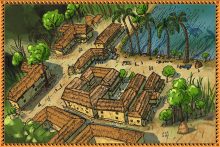
Urban sprawl and unplanned land use development have pushed back the Shitalakshya waterfront area to the neglected urban fringe of Narayanganj city. Presently, the city is facing the crisis of a breathing space capable of improving the quality of the urban environment. The site has its own vibrant historical past, containing both Mughal and Colonial heritage structures and open spaces with the scenic surroundings of the river. An integrated approach to designing a civic healing space, which attracts the city residents to explore the river edge area, can bring back the ambience of the glorious past that the city waterfront used to represent.
The urban waterfront holds the ecological resources, economic benefits, civic space for socialization and recreation. Like most cities, Narayanganj City grew up with the blessings of the river Shitalakshya. The river divided the city into two parts where the western part is comparatively urbanized rather than the eastern part. With the blessing of the Shitalakshya river, the western waterfront spine is holding the Mughal archeological structures, Government property (mostly BWDB & BIWTA), Kumudini Welfare Trust of Bengal-Dockyard, Central Warehouse and some wholesale businesses. It is assumed that the urbanization of Narayanganj started with the establishment of the Mughal defensive Water Fort and the development of a communication system with Dhaka.
The project site is located at 11 and 12 no. ward of Narayanganj City Corporation area on Narayanganj district approximately 110 acres. As it is a historically enriched area having some archeological heritage buildings and places- The Shitalakshya river, Hajigonj fort, Bibi Mariam’s tomb complex, Borofkol playfield, Killarpool canal, and Kumudini Welfare Trust of Bengal Dockyard and office building can be identified as major landmarks of the site. The area of the Shitalakshya riverfront is occupied by government institutions and some of the areas are given as leases to private stakeholders. Hence unplanned government land use development and intrusion of various functions make the area more vulnerable. Considering all, the design decision is taken in terms of- accessibility, visibility, amenities, user group, and urban green & blue area in the proposed masterplan. Which consists Archeological institute, Amphitheatre, River ghats, Museum gallery- Mughal & Colonial, City centre-cineplex, convention hall, library, exhibition, food court, Riverpark, Playfield, Pedestrian & cycle track regarding the site and public demand analysis. Hence, the proposed masterplan integrates the river and the city people with the rich archaeological heritage and existing morphology of the area, combining public amenities demand and functional requirements. By instigating this process of integration of city people with heritage and river, the Shitalakshya riverfront could be a precedent for modern urban waterfront design.
আমার ছোট্ট সোনা নানুভাই! সবে বসতে শিখেছো তুমি। হামাগুড়ি দিয়ে বিছানায় চারিপাশ ঘুরতে চাও। একদিন হাঁটতেও শিখবে! ছুটে বেড়াবে এদিকওদিক! তবে এই শহুরে পরিবেশে ছোটাছুটি করতে একটু কঠিনই হবে! ফ্লাটবাড়ির গন্ডি নগরজীবন কে সীমিত করে তুলেছে।
আমাদের সময় এমন ছিলোনা! ছোটবেলার কথা খুব মনে পড়ে! আমাদের বাড়ি যশোর জেলার বাগআঁচড়া গ্রামে। বেত্রাবতী নদীর ধারে সবুজ বনানীতে ছাওয়া সেই বাড়ি। বাড়িতে ঢোকার পথে দুপাশে লিলি ফুলের গাছের সারি লাগিয়েছিলাম আমি। আম, জাম আর পেয়ারা গাছে চড়ে সারাদিন খুশিতে দোল খেতাম। মা সারাবাড়ি তন্নতন্ন করে আমাকে খুঁজে পেতেন না! তখন গাছ থেকে আমি বলতাম, মা আমি পেয়ারা গাছে! আমার দস্যিপনায় মা তটস্থ হয়ে থাকতেন।
নারিকেল আর সুপারিগাছের সারিতে ঘেরা ছিলো আমাদের বাড়িটা। পূর্বে লেবু বাগান ছিলো। বড় উঠানের দক্ষিন পুবে ধানের গোলা, পশ্চিমে গোয়াল ঘর, টালিতে ছাওয়া। দক্ষিণে টালিতে ছাওয়া মাটির বৈঠকখানা, ভেতরে চেয়ার, টেবিল আর একটা খাট পাতা, সামনে-পিছনে বেশ বড় বারান্দা।
পূবদিকে পাঁচফুট মাটির ভিতের উপর অনেক বড় আকারে মাটির চৌচালা ঘর, উপরে ছনের ছাউনি। এই ঘরে উঠার জন্য মাটির পাচটি সিড়ি ছিলো। উত্তর ও পশ্চিমে প্রশস্থ বারান্দা দিয়ে ঘরে ঢুকতে হতো । বারান্দায় একপাশে নামাজ পড়ার জন্য একটি চৌকি আর অন্যপাশে একটা বড় খাট পাতা। মাঝে মাঝে সেই খাটে বসে ভাইবোন লুডু খেলতাম। ঘরের ভিতরে দক্ষিণে বড় পালংক, উত্তরে দরজার পাশে একটা খাট, পুবে একটা শো’কেস আর একটা কাঠের সিন্দুক ছিলো। বড় ঘরের উত্তরে আব্বা-মা এর ঘর ছিল। এঘরের পশ্চিমে বারান্দা ছিল।
সব ঘরই মাটির ছিল। তবে বাকি ঘরগুলোতে দুইটি সিড়ি বেয়ে উঠতে হতো। ঘর গুলোর মেঝে এটেল মাটি পানিতে গুলিয়ে পাটের ফেসো দিয়ে লেপতে হতো । সপ্তাহে একবার কাজের মেয়েরা এ কাজ করত। উঠানে গোবর-পানি মিশিয়ে লেপতে হতো । ছনের ছাওয়া আরও দুটো মাটির ঘর ছিলো উত্তর দিকে। এ ঘরগুলোতে খাট পাতা থাকত, মূলত শস্য জমা রাখা হতো । তার পাশেই বড় রান্নাঘর, একপাশে মাটির চুলা, অন্যপাশে আমরা সবাই মিলে একসাথে খেতে বসতাম।
উঠানে ধান, মরিচ-ডাল সহ নানান শস্য রোদে শুকানো হতো । রান্নাঘরের সামনে ছিল মস্ত বড় একজোড়া মাটির চুলা। চুলায় বাগানের শুকনো কাঠ ব্যবহার করা হতো । চুলায় কখনো ধান সিদ্ধ করা হতো। কখনো খেজুরের রস জ্বাল দেয়া হতো। চাঁদনী রাতে উঠানে পাটি বিছিয়ে ভাইবোন মিলে গল্পের আসর হতো। আম্মা -আব্বাও এসে যোগ দিতেন। কত মজার মজার গল্প শোনাতেন মা। মাঝে মাঝে আমরা পূর্ণিমার জ্যোৎস্নায় উঠানে হাডুডু, কানামাছিও খেলতাম!
বৈঠকখানার পাশে টিউবওয়েল আর গোসলখানা ছিলো মেহমানদের ব্যবহার করার জন্য। ভিতর বাড়ির উত্তরে নিজেরা ব্যবহার করতাম অন্য একটা গোসলখানা। বাড়ির পূবদিকে একটা পুকুরও ছিলো।
সজনেগাছ, বেলগাছ, কুলগাছ, জামরুল, গোলাপজাম, বাতাবিলেবু আর খেজুরগাছ ছিলো উঠানের উত্তর ও দক্ষিণ দিকে। পুকুরের মাছ, উত্তরে রান্নাঘরের পাশে তৈরি করা জাংলার সবজি আর ক্ষেতের শস্য ছিলো আমাদের প্রতিদিনের খাদ্য । পুকুরে মাঝে মাঝে বঁড়শিতে চেলা, মেনি ও পুটিমাছ ধরতাম! কি যে আনন্দ হতো আমার! মাও খুশি হতেন তা দেখে!
বেত্রাবতী নদীতে জোয়ার ভাটা হতো। আব্বা নদীর পাড় ধরে উঁচু করে পায়ে হাঁটার পথ করে দিয়েছিলেন। সকাল সন্ধ্যায় আমরা নদীর ফুরফুরে হাওয়ায় ঘুরে বেড়াতাম। একবার নদীতে জোয়ারের সময় পাড়ে বসে দেখছিলাম পাট জাগ দেয়া পানিতে মাছগুলো খাবি খাচ্ছে! আমি পানিতে নেমে ফ্রকের কোছরে করে বড় একটা রুইমাছ ধরলাম! বাড়িতে আনার পর মা দেখে তো অবাক! ভাইবোনরাও খুব খুশি। সেদিন সেই মাছ খেয়ে কী যে আনন্দ হয়েছিল!
নদীর পাড়ে আমাদের ক্ষেতের পাশেই ছিলো বিশাল বাঁশঝাড়। এই বাঁশঝাড়ে অনেক শিয়াল, খেক শিয়াল, সজারু ছিলো। রাতের বেলা সজারুর হাটার শব্দে মনে হোত সজারুর কাটা দিয়ে যেন ঝুনঝুনি বাজাচ্ছে। আব্বা বলতেন, চিতাবাঘও নাকি আসতো আমাদের বাগানে। সুন্দরবন বেশি দূরে নয় বলে সেখান থেকে বন্যপ্রাণীরা মাঝে মাঝে গ্রামের লোকালয়ে এসে হানা দিতো! অনেক সাপও ছিলো আমাদের বাড়ির আশেপাশে। একদিন ভোরবেলা পুকুরে অযু করতে যাবার সময় একটা সাপের উপর পা দিয়ে ফেলেছিলাম! ভাগ্যিস দূর্ঘটনা ঘটেনি।
খরগোশ, কাঠবিড়ালি ও নানান পাখির কলকাকলিতে মুখর হয়ে থাকতো আমাদের বাড়িটা। তখন সন্ধ্যা হলেই কেরোসিনের বাতি জ্বালাতেন মা। ভাইবোন বৈঠকখানার টেবিলে বসে হ্যারিকেনের আলোয় পড়াশোনা করতাম!
রাতে একা একা বাড়ির আসেপাশে ঘোরা বারণ ছিলো। বাঁশঝাড়ে নাকি ভুতপ্রেত আসতো! আমার একবার সখ হলো আমাবস্যা রাতে ভুত দেখবো! অবাক হচ্ছো! আমি ওসব বিশ্বাস করতাম না। সে রাতে, সাহস করে বাঁশঝাড়ের চারদিকে ঘুরে বেড়াচ্ছি। কোথায় কি…ভুতের নামগন্ধও পেলাম না।
এদিকে মা ঘুমের ঘোরে দেখেন বিছানায় আমি নেই! উঠে হ্যারিকেন নিয়ে আমাকে খুঁজতে বেরুলেন। আমার কানে মা’র ডাক ভেসে এলো…. ফ-রি-দা…..
বাঁশঝাড় থেকেই উত্তর দিয়েছি…. আমি এখানে মা! ভুত দেখতে এসেছি! কাছে এসে আমাকে দেখে মা হাপ ছেড়ে বাঁচলেন!
আমি যে দস্যিপনাই করতাম এমন নয়। পড়াশোনায়ও ভালো ছিলাম। ভাইবোনদের মাঝে মধ্যমণি ছিলাম। বাজার থেকে সন্দেশ, মিষ্টি কিম্বা ভাজাপোড়া কিনে আনলে আব্বা আমাকে বেশি করে দিতেন। আমি অবশ্য পেটুক ছিলাম না! বেশি অংশটা সবাই মিলেমিশে খেতাম। রাতে ঘনসরের দুধভাত খাওয়ার সময় বেশিটুকু ভাইবোনের কাছে বিক্রি করতাম। কে কিনবে দুধভাত? ভাই বলতো আমি নেবো! এভাবে দুধ ভাত বিক্রি করে এক আনা, দু আনা করে জমা করতাম।
প্রতিদিন ভাইবোনদের হাতে আব্বা পয়সা দিতেন। আমরা মাটির ব্যাংকে তা জমাতাম। ধীরে ধীরে অনেক পয়সা জমা হতো। কখনো প্রয়োজন হলে আব্বা জিজ্ঞেস করতেন কে দেবে ব্যাংকের জমানো টাকা! হুলস্থুল পড়ে যেতো আমাদের মাঝে কে আগে দেবে। পরে আবার মাটির ব্যাংক কিনে এনে একে একে সবাইকে দিতেন। নানা রঙের ব্যাংক পেয়ে আমাদের মন নেচে উঠতো।
আমাদের স্কুল ছিলো বাড়ির কাছেই। ছেলেমেয়ে মিলে একসাথে পড়তাম আমরা। ঝর্ণা ছিলো সহপাঠী, রেবেকা একক্লাস নিচে, সখিনা আর মাশকুরা পড়তো একক্লাস উপরে। মাশকুরা অনেক দূর থেকে সাইকেল চালিয়ে স্কুলে আসতো। দিলীপ, মোতালেব, শরীফ, বাবলু, সিরাজ সবাই দলবেঁধে আমাদের বাড়িতে এসে গাছ থেকে পেয়ারা, আম, কুল, জামরুল পেড়ে খেতো এবং খেলাধুলা করতো। মাঝে মাঝেই ওদের সাথে আমাদের বাগানে চড়ুইভাতি করতাম। কতনা আনন্দ করেছি বন্ধুদের সাথে।
সেই সবুজ প্রকৃতির স্মৃতি আর আমাদের বাড়ির শান্তসুন্দর পরিবেশের কথা এখনো মনের মধ্যে দাগ কেটে আছে। চোখ বন্ধ করলেই চাক্ষুষ যেন অনুভব করতে পারি। তোমরাও বড় হয়ে যেন সে রকম সবুজ পৃথিবী গড়ে তুলতে পারো।
My little grandchild! You just learned to sit! Now you want to crawl around the bed. One day you will learn to walk! Your feet will be all over the place! However, running in this urban environment may be a little challenging. City apartments have restricted urban lifestyles to a large extent.
Our time was not like that! I miss my childhood very much! Our home is in Bagachra village of Jessore district. Our home is shaded by a green forest along the Betravati river. On the way to the house, I planted rows of lilies on both sides. I used to climb mango, blackberry and guava trees and happily swing all day long. My mother could not find me all over the house! Then I would say from the tree, “Ma, I am on a guava tree!” My mischief would cause my mother great worries.
Our house was surrounded by rows of coconut and betel trees. There used to be a lemon orchard. To the south-east of the large yard is a paddy field, and to the west is a barn with clay tile roofs. On the south side, a guest room made of mud and tiles is located, with chairs, a table, a bed sheet inside, and a large front and back porch.
To the east is a large earthen house raised on a five-foot earthen foundation, with a chauchala thatched roof. There are five earthen steps that lead to this house. The house had to be entered through a wide verandah to the north and west. On one side of the verandah there is a stool for prayers; on the other, there is a big bed. Sometimes my siblings and I would sit on that bed and play snake and ladder. Inside the house was a large couch on the south side, a bed by the door on the north side, a showcase and a wooden chest on the east side. To the north of the big house was my parents’ house. There was a verandah to the west of the house.
All the houses were built with mud. But the rest of the houses were just two steps up. Mud plinths and floors needed to be coated with clay using jute cloths. The household helpers used to do this once a week. The courtyard had to be coated with cow dung and water. There were two more thatched mud houses on the north side. These houses had beds, but they were mostly used to store grain. Next to it was a big kitchen, with an earthen stove on one side and we all ate together on the other side.
In the courtyard, various grains including paddy, chilli and pulses would be dried in the sun. In front of the kitchen was a huge earthen stove. The dry wood from the gardens would have been used in the stove. Rice grains would sometimes be boiled in it. Sometimes date juice would be burnt. On a moonlit night, all siblings would spread a mat for a story-telling session. Mother and father would also join. It was always fun to listen to our mother’s stories. Sometimes we used to play Hadudu and Kanamachhi on the court under full moonlight!
Next to the living room was a tubewell and bathroom for guests to use. Inside the house, there was another bathroom for family use. There was also a pond on the east side of the house.
Sajane tree, Bel tree, Kul tree, Jamrul, Golapjam, Batabi Lebu and Khejur tree were on the north and south sides of the court. Fish from the pond, vegetables grown in the wild beside the kitchen to the north, and agricultural produce were our daily food. Sometimes we used to catch Cheli, Meni and Puti fish in the pond with a fishing rod! What a joy that would be! Seeing it would also make my mother happy!
The tides used to flow in the Betravati river. My father made a path to walk along the river bank. We would wander in the breeze along the river in the mornings and evenings. Once I was sitting on the bank of the river at high tide and saw fish gasping at the water’s surface! I went down into the water, caught a big Ruhi fish, and tied it to my waist! Mother was so surprised when she saw it at home! There was a lot of happiness among my siblings. What a joy it was to eat that fish that day!
There was a huge bamboo groove next to our field near the riverbank. This bamboo groove was home to many porcupines and foxes. Porcupines walking at night made a rattling sound with their quills. Father used to say that leopards would also come to our garden. Since the Sundarban was not far away from there, the wild animals would sometimes come and attack the village! There were many snakes around our house. One morning when I was going to perform ablution in the pond, I stepped on a snake! Thankfully, there wasn’t an accident.
Our house used to buzz with birds, rabbits and squirrels chirping. Mother used to light the kerosene lamp as soon as evening dawned. My siblings and I used to sit at the living room table and study in the light of the hurricane lamp! It was forbidden to go around the house alone at night. It was believed that ghosts come to the bamboo grove! I once wished to see ghosts by myself at night! Surprised? I never believe in ghosts. That night, I dared to walk around the groove. Where? I didn’t even smell the ghost! When mother woke up and didn’t see me in bed, she went out to look for me with the hurricane lamp. Mother called, “Fa – ri – da!” …..I replied from the bamboo bush ….”I’m here Mother! I came to see ghosts!” She was relieved to see me!
It is not like I would always be mischievous. I was also studious. I have always been the most loved of my siblings. Father used to give me more whenever snacks were bought from the village market. Obviously, I’ve never been greedy! Most would always be shared between us. I used to sell the bigger portions to my siblings while having thick milk and rice in the evening. When I asked, “Who buys milk-rice?”, my brother would say, “Me!” In this way, I sold milk-rice, collected a few pennies and slowly saved them.
Father used to give us some money every day. We used to deposit it in the penny bank. Gradually, a lot of money was saved. If ever there was a need, my father would ask if anyone wished to lend some money! It would be chaos in deciding who among us would give it first. Later he used to buy new banks for all of us. We would be delighted to get different coloured penny banks.
Our school was close to our house. Boys and girls used to study together. Jharna was one of my classmates, Rebecca was one class below, Sakhina and Mashkura were one class above. Mashkura used to come to school by bicycle from far away. Dilip, Motaleb, Sharif, Bablu, and Siraj all came to our house in groups to eat guava, mango, kul, and jamrul from the trees and play games. Often we would have a picnic in our garden together. What a joy it was to be with friends.
I still cherish the memories of that green nature and the peaceful atmosphere of our home. I can feel it closing my eyes. I hope you can build such a green world as you grow up.
Hope you are always well!
Goodbye,
Your friend
Disclaimer:
CONTEXT (www.contextbd.com) and their collaborators jointly hold the copyrights of all contents including, but not limited to, all text, information, illustrations, images. You may not duplicate or reproduce any of the content on this website, including files downloadable from this website
Initially, the building was a residence abandoned by its owner in 1980. The future owners of the place wanted to convert the land into a commercial platform which is a restaurant. The house is surrounded by a beautiful landscape that seems like nature has seized everything containing waterbodies, age-old trees, and plants everywhere. But with time the infrastructure decayed within itself.
The dining area is divided into two parts – indoor and outdoor areas. We proposed outdoor dining at roof level and indoor dining at ground level. The old building did not have any existing staircase, so we started designing and placing the stair first. The idea was to design the stair in a way it becomes the main feature of the project. As the building did not have any identical facade typically known for restaurant culture, the stair makes it identic.
A shade, primarily a perforated metal skeleton, is introduced at the roof level. It gives a three-dimensional entity of the roof area. The whole skeleton was supported from ground level and no additional weight was provided without furniture and finish materials.
Colour is a prime section of the whole project. As we learned that local people are very fond of using colour in their buildings, we decided to use basic colours in the project. Also, our vision was to sustain the existing natural impact of the site. Therefore, every aged tree was protected from being harmed during construction, and many plantations took place in a designed way. The plantation process was done carefully keeping in mind that it blooms in every season. Thus, local plants were potted and nurtured to create the space green and colourful. A mini ecosystem was initiated as these plants were home to butterflies and little birds.
Several stocked materials were reused in the project for cost efficiencies, such as old barrels being redesigned for tables, metal boxes being used in the shade’s structure, and pipes in tables.
A cozy space was designed in the interior area to use in the summer, comparatively during the hotter season. Local materials, colours, and Brick blocks are used in the interior with traditional furniture. Existing window walls were demolished, and bigger glass windows were introduced to allow more natural light and also to open up to the beautiful landscape.
Another challenge of the project was to communicate with local smiths. As we could not find any experienced metal workers on the rural site, the owner advised us to take his workers who are mainly engaged in making metal parts for buses. The owner runs his own bus company, so using his workers will be efficient in a way but teaching them the language of architecture and finishing work had become a huge agenda.
The front courtyard is left to be filled with grass to bring a more natural ambience to the Bengali court. Soft paver and footlights are placed with a minimum number to pass through. This court is always filled with fallen leafs so leaf marks have been placed on the paver that carries the tales of fallen leaves. Old Trees are focused with ideal lighting to glow at night.
The ponds are revived with freshwater, locally available plants, and a viewing deck above it to enjoy the waterbody from e closer distance. The main entry starts from a green Archway that provides an idea of the whole landscape. It is controlled by a single walkway that allows customers to find directions naturally. We kept the track of naturally created pathways rather than designing new ones.
Creating nature-dominant architecture for a restaurant is new to local people of tropical landscape. Through this project, we took an attempt to break the stereotypical image of restaurant projects in Bangladesh.
This student project seeks to propose a rural (re)development scheme fostering community-based eco-tourism in haor areas in order to transform this wetland destination in a sustainable way. The aim is to ensure long-term economic viability to local communities, conservation and sustainable management of natural resources of Tanguar Haor while enhancing visitors’ experience and community well-being.
Tanguar Haor is one of Bangladesh’s most beautiful and largest freshwater wetlands full of amazing resources in its heart. In 2000, the haor became the country’s second Ramsar site – a wetland of international importance. The haor is located in the north-eastern district of Sunamgonj (under Sylhet Division) covering more than 10,000 hectares, supporting at least 60,000 population (1). Tanguar Haor holds outstanding values not only for supporting the local population with livelihoods from its freshwater ecosystems but also for providing habitat for diverse flora and fauna including migratory and resident waterfowls and being the last vestiges of freshwater evergreen swamp forest. The Government of Bangladesh classified it as an ‘Ecologically Critical Area’ and introduced a community-based management plan framework and guidelines in 2015.
Over the last two centuries, the haor’s natural resources have been significantly decreased due to deforestation, illegal fishing, and the destruction of its food cycle. The vision of this project is to protect its biodiversity and ecosystem by engaging local people while improving their socio-economic conditions through eco-tourism. A proper and maintained eco-tourism can make a great symbiotic relationship between nature and community in Tanguar Haor. Offering neighbourhood homestays to the tourist makes them more engaged with the community and their lifestyle in the process, the community becomes the part of service chain and creates more opportunities for their economic benefit. As this area is environmentally sensitive and remote, the proposed project adopts the traditional or local building approach, easy to build and environment-friendly structures.
The proposed tourist village consists of family homestay areas, a social space for multipurpose activities, dormitory areas, a training centre and a trainer accommodation area, organized in a linear pattern. Each cluster includes a separate hut for tourists adjacent to existing villagers’ houses and ancillary structures. The proposed facilities are designed on raised platforms called machan so as they do not disrupt the delicate haor eco-systems but adapt to the local site conditions and built fabrics which are subject to flooding for about one-third of the year.
Reference:
IUCN (2015), Tanguar Haor Management Plan Framework and Guidelines, International Union for Conservation of Nature, Bangladesh.
This academic project attempted to understand the morphology of different modes of transportation systems and reflect the understanding through the design of an integrated transportation system of BRT, MRT and Railway station to serve the city on both macro and micro scales.
The site and context are challenging, as it is working as a physical connection between Railway station and airport; and, in near future, it will also be a connecting hub for BRT and MRT systems. Such complex movement of different traffic needs careful attention and planning for comfortable and efficient movement.
In the scope of the final year studio project, there are some notable positive aspects. The design evolved by focusing on the mass pedestrian movement pattern, and by integrating different modes of transportation in different layers. Thus, the complexity of different movement patterns evolved into a layered solution. The architectural vocabulary of the project is contemporary, and public plazas at ground level interact with its apparently chaotic surroundings.
However, there are some observations on the proposed design. Parking adequacy of the underground bus stand might have a scope to rethink. Also, entry to the bus stand at the basement and exit from it, both being at the west, most lanes might create congestion. Surface parking requirement considering the mode of transportation, frequency of the arrival of trains, BRT and MRT transports, rush hour traffic load and demand for rent-a-car service plays an important role in a such vital multimodal terminal. Designated drop-off and parking at the eastern part for the local modes of transport like CNG auto-rickshaw and non-motorized rickshaw might also be taken into consideration as an immediate response.
Overall, this project is a good response to the current need to solve complex transportation problems by implementing smart solutions having contemporary architectural vocabulary. — Editor
This final year design project is underpinned by the study of urban issues and characteristics of the Dhaka airport station site, its local pedestrian network, movement and vehicle traffic, nodes and transition points, and the anticipated impact of future urban growth on this site. As the BRT, MRT and trains intersect the site, the detailed study of each transport mode and its effects and serving radius is studied and analyzed using various methods such as surveys, behavioural observation and interviews. The survey reveals its significance in local placemaking as well as a multimodal hub to establish city-wide connectivity. The design exercise explores how the rail station can be integrated with BRT and MRT as well as with physical connections to the airport. Followed by an investigation of the potential opportunities and threats, the study identifies that the local area has a shortage of public spaces and that the site surrounding has been used for public functions. Hence, attention was given to revitalising the underused, unbuilt open space surrounding the station as a public plaza and park to serve the passengers, the local people, and the environment. As the local habitants do not have public places nearby it is important to ensure multi-functional use of the existing open land to address various local needs. More emphasis has been given to the ease of horizontal public movement and preserving natural green by shifting the transport infrastructure vertically without undermining either of the functions.
The surrounding areas of the airport feature different land use. The maximum part of the east and northern areas is mainly residential. The nearby area of the site contains a mixed-use zone where residential and commercial functions exist together. The area is also interspersed with some administrative functions.
Some new developments are ongoing on the west side of the airport rail station. One of them is an office building and the other one is a shopping mall. The exiting station facility is not large enough to handle the growing number of passenger loads. The shopping mall which is under construction is also one of the biggest shopping malls. After the completion of this mall, the traffic situation is most likely to be aggravated.
There are busy pedestrian activities on both south and west ends of the site. The west end consists of two major bus stops serving intra-city travellers. Poor management of public transport and insufficient walkways for the pedestrians led to a chaotic street environment.
The design decisions are taken on the basis of key findings from extensive site analysis and movement study of the context. As this design approach is oriented towards human mobility behaviours, understanding urban mobility and pedestrian movement are, therefore, vital.
The pedestrian movement map shows the pattern of pedestrian movement through the site. It also reveals the important pedestrian connection points. A significant crowding around the nodes is noticeable. Movement through the station can also be noticed which indicates a demand for a pedestrian connection through the rail station.
From the pedestrian trail map, it is discernible that there is a hidden, informal navigation route that is used by the local people. So, developing that path has been given a priority in this proposed design scheme because they emerge as convenient shortcuts between destination points.