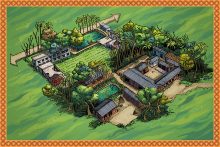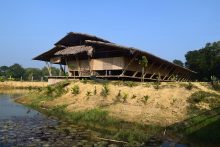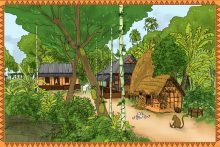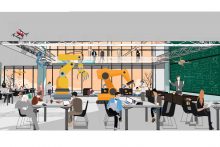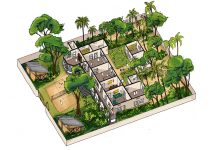
Echoes of the Estuary: A Tourism Center at Hatiya Dwip

World Environment Day 2026

Urban [Re]Stitch

বসতবাড়ি | চিঠি ৬ | ঐতিহাসিক বাংলো বাড়ি

মূল চিঠি:

স্নেহের দাদাভাই,

আজ আমি তোমাকে আমার দাদাবাড়িতে থাকার অভিজ্ঞতা শেয়ার করতে চাই।  এই বাড়িকে ঘিরে আনন্দে ভরা স্মৃতিগুলো আমার হৃদয়ে গ্রথিত আছে।  চলো সেই স্মৃতির গহব্বরে আমরা হারিয়ে যাই। 

আমাদের বাসা ছিল সিলেটের শেখঘাটে।  ১৯৫০ খ্রীস্টাব্দে বাসাটা তৈরি, যা এখনো মজবুত  ভিতের উপর দাঁড়িয়ে আছে।  জন্মের পর থেকেই এই বাসায় আমার জীবনকাল অতিবাহিত হয়েছে ২০১৫ সাল পর্যন্ত। আমাদের বাসাটা ছিল চারিদিকে গাছ দিয়ে ঘেরা, আমার বাবা বাগান পছন্দ করতো। বাসার সামনে একটি ছোট বাগান ছিল যেখানে বাবা আর আমি প্রতি বছর অনেক সুন্দর সুন্দর ফুলের গাছ লাগিয়েছিলাম। আমাদের বড় বড় ফলের গাছ যেমন আম, কামরাঙ্গা, বড়ই , কাঁঠাল, নারিকেল, পেয়ারা, জাম্বুরা, লিচু ছিল।  বাবা আর আমার ছোট ভাই গাছে উঠে ফল পারতো। আমার এখনো মনে পরে যে, একবার এতো ফলন হলো যে, আত্মীয়-স্বজন, বন্ধু-বান্ধব আর প্রতিবেশীদের মাঝে বিতরণ করার পরেও অনেক উদ্বৃত্ত ছিল। গাছের ফল (আম, বড়ই) দিয়ে আমরা আচার বানাতাম আর সারা বছর খেতাম। গাছ থেকে পেড়ে ফল খাওয়ার মধুর সময় গুলো আমার স্মৃতিতে এখনো জ্বলজ্বল করছে। 

একতলার বাসাটা ছিল সিলেটি ঐতিহ্যের সাক্ষ্য বহনকারী। সেখানে ছিল চারটি শোয়ার ঘর, একটি বসার ঘর, একটি খাবার ঘর, দুইটি  ষ্টোর রুম, একটি রান্নাঘর আর বাথরুম।  আগে বাথরুম বাইরে ছিল যা এখন পরিত্যক্ত।  ঘরের বাইরে ছিল বারান্দা; আমি ওই বারান্দায় সাইকেল চালাতাম।  প্রতিটি ঘরে ছিল অনেক জানালা।  দরজা, জানালা,  চৌকাঠ  সবই ছিল কাঠের তৈরি। আমার মা বাসাটা সার্বক্ষণিক পরিষ্কার-পরিচ্ছন্নতা আর তদারকি করতেন।  প্রতিটি ঘরের উচ্চতা ছিল আধুনিক সময়ের ঘরের  চেয়ে অনেক বেশি।  প্রতিটি ঘরের উচ্চতা ছিল প্রায় ১৮ ফুট। আমার শোয়ার ঘরের উচ্চতা ছিল ১০ ফুট এবং অর্ধ অষ্ট-কোনাকৃতির।  বাসার ছাদটি টিনের এবং ভেন্টিলেটর ছিল ১৬ ফুট উচ্চতায়।  শীতল বাতাসে আমাদের বাসার ভেতরে ছিল আরামদায়ক আবহাওয়া।  সূর্যের আলোক রশ্মি পূর্বে জানালা দিয়ে প্রবেশ করত। সেই সময় আমাদের দিনগুলো ছিল প্রাঞ্জল।  বাসার  মূল কাঠামো থেকে রান্নাঘর ছিল অসম্পূর্ণ আলাদা সেখানে যাবার পথ ছিল টিনে  ঢাকা যা আমাদের সবার জন্য এক অভিনব অভিজ্ঞতা। 

সারা বছর প্রচুর বৃষ্টি হতো;  টিনের চালে এই শব্দ আমাদের জন্য ছিল অদ্ভুত ভালোলাগার এক অনুভূতি। শীতের সময়ে বাইরের উঠানে আমরা ব্যাডমিন্টন খেলতাম।  বসন্তকালে বাসার চারিদিক  নানা রং-বেরংয়ের ফুলের শোভায় সজ্জিত হতো। 

এই করোনাকালীন সময়ে আমরা সবাই আজ ঘরবন্দী।  আমার শেখঘাটের  বাসাকে আজ  অনেক মনে পড়ে। সেই বাসাতে খোলা হাওয়ায়  আর খোলা উঠানে আমরা আরো স্বাস্থ্যসম্মতভাবে দিনানিপাত করতে পারতাম।

যদি পারতাম আমি আবার ওই বাসায় ফিরে যেতাম আর স্মৃতির ডায়েরি  খুলে সুখের স্মৃতির পাতা উল্টালাম।  সেই বাসা টা যে আছে আমার হৃদয়ের মণিকোঠায়।  জীবনের শেষ অঙ্কে পৌঁছেও, দাদুভাই, সেই সুখের দিনগুলো  আমার জীবনের অবিচ্ছেদ্য অংশ হয়ে থাকবে। কালের বিবর্তন আর বাস্তবতার তাগিদে বাসাটা ভাঙতে হবে, তুমি তোমার জীবনে সেই বাড়িটি নিজ চোখে দেখতে পারবেনা, শুধু ছবি দেখবে হয়তো  তাই  তোমাকে উদ্দেশ্য করে লেখা, কিছুটা হলেও যেন বেঁচে থাকে তোমার স্মৃতিকোঠায়।

ইতি

তোমার দাদী

(প্রেরক: সাদিয়া ইসতিয়াক)


1950 সালে সাদিয়া ইশতিয়াকের দাদা বাড়িটি তৈরি করেছিলেন। তিনি ম্যাজিস্ট্রেট ছিলেন। চাকরির পোস্টিংয়ের কারণে তাকে দেশের বিভিন্ন জায়গায় ঘুরে বেড়াতে হয়েছে । সাদিয়ার বাবা-মা দুজনেই চিকিৎসক এবং তিনি তার শৈশবকাল (১৯৯৯-২০১৫) তার দাদা-দাদীর বাড়িতে কাটিয়েছেন। এখন বেশিরভাগ সময় ঘরটি  খালি পরে থাকে।

Visualization by Nowshin Matin © CONTEXT
Based on the original drawing provided by the sender. Redrawn by: Saad Ben Mostafa © CONTEXT
Visualization by Nowshin Matin © CONTEXT

(English Version)

Dearest grandchild,

I’d like to share my stories about my time that I spent in my grandparents’ home. The memories and joy I experienced while I was living there will always have a special place in my heart. Let us get lost in that memory lane.

My house is located in Sylhet in an area known as Sheikghat. The house was built in 1950 and it is still standing strong. I have basically spent all my life there until 2015. Our house was surrounded by trees; my dad loves gardening; we had a small garden in the front where we planted flowers every year. We had large trees like Mango, Jackfruit, Starfruit, Coconut and various other fruits. My dad and my younger brother used to climb trees to pick fruits. I clearly remember that once we had such a harvest that there was a lot of surplus even after it was distributed among relatives, friends and neighbours. We also made pickles from them and ate them for the rest of the year. I really miss eating fresh fruits directly from the trees.

The house consisted of a single storey, it followed traditional architectural style which is common in Sylheti houses. It consisted of 4 bedrooms, 1 living room, 1 dining room, 2 storerooms, kitchen and toilets. There was an outdoor toilet unit which was no longer in use. The rooms were connected with long verandahs on both sides. I learnt riding bicycle in those verandahs. There were a lot of windows. Every door, window panel, frames – everything was made of wood. My mom was always busy looking after the house.

The height of each room was much higher than that of a typical modern house. The height was about 18 feet except for my bedroom, it was 10 feet. However, the plan of my room was half octagonal. The roof was made of CI sheet, and we had ventilators at around 16 feet high. The gentle breeze was just enough to make interiors comfortable. Morning sun used to enter through the east windows. The life was colourful at that time! The Kitchen was a separate block from the main building. The path leading to the kitchen was covered, and the walk from house to kitchen was a different experience.

It rains heavily in Sylhet throughout the year; the sound of raindrops on the roof was mesmerizing. During winter, we would set up badminton nets and have our friends come over to play. In the spring, the front garden filled with vivid and colorful flowers.

As we are locked down at homes during this pandemic, I deeply miss my home at Sylhet. It would have been healthier to spend our quarantine time there. The open spaces, the green vegetation, the cool breeze – all of these would have made this time more bearable.

If I could, I would go back and relive some of these memories. No matter where I go, that house will remain in my heart. No matter how old I become, this place will hold some of the most memorable and cherishing parts of my life.

This house is going to be demolished soon, you will not be able to see it in real life, may be only through photographs. So, this my effort to keep the memory of the house alive through your imagination.

With love,

Your grandmother.

(Sender: Sadia Ishtiaque)


The house was built in 1950 by Sadia Ishtiaq’s grandfather. He was a magistrate. He had to travel to different parts of the country due to his job postings. Sadia’s parents are both doctors and she spent her childhood (1999-2015) at her grandparents’ house. Now most of the time the house remains empty.


হারিয়ে যাচ্ছে আমাদের গ্রাম। হারিয়ে যাচ্ছে মাটি ও মানুষের আত্মিক সম্পর্ক। জীবন ও জীবিকার সংগ্রামে আমরা ভুলতে বসেছি আমাদের শেকড়। গ্রামের বাড়ি আজ যেন এক নস্টালজিয়া। শুধু বেঁচে আছে আমাদের স্মৃতিতে। কি রেখে যাচ্ছি আমরা ভবিষ্যত প্রজন্মের উদ্দেশ্যে? সেই শিকড়ের খোঁজে আমরা খোলা চিঠির আহ্বান জানিয়েছিলাম।

আপনি যদি অংশগ্রহণের কথা বিবেচনা করে থাকেন তবে যত তাড়াতাড়ি সম্ভব চিঠিটি প্রেরণ করুন।

বিস্তারিতঃ http://localhost/context/events/event/basatbari/

ইমেইল: boshotbari.context@gmail.com; context.editor4@gmail.com


Disclaimer:

CONTEXT (www.contextbd.com) and their collaborators jointly hold the copyrights of all contents including, but not limited to, all text, information, illustrations, images. You may not duplicate or reproduce any of the content on this website, including files downloadable from this website.
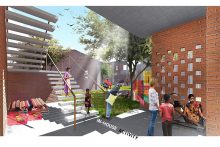
Integrated Handloom Cluster: Design for Weavers’ Collectivisation | BRACU

Handloom/ তাঁতশিল্প, the tradition of weaving clothes by hands, is one of the richest aspects of Bangladeshi culture and heritage. However, today, this prospective commerce is facing threats of extinction because of various problems and obstructions, thus compelling the weavers to leave their holistic profession, weaving. The weavers, who play an instrumental role in the development of this sector, are deprived of all kinds of basic needs and wages which questions their livelihood and force them to leave their profession. This beautiful process of turning individual fibers into fabrics is very intricate and deserves high recognition and value. However, the reality is far away from this. Glorious past, confusing present, and questionable future; is the ultimate harsh truth that handloom, the biggest handicraft industry of our country is facing now.

Current state of the Weavers and the Handloom Weaving Process ©Tasmia Kamal | BRACU

The main concept of this project emerged during interaction with the weavers. This project aims to deal with the actual scenario of the current situation, identify the limitations, and strengthen the possibilities to preserve the existence of our beautiful handloom fabrics through a collective attempt. This handloom center, informal and accommodating of the weavers’ language is an interactive platform for the welfare of the weavers’ community, and in greater aspect for the entire country.

To promote, enrich, nourish, and enlighten the audience about the textile heritage of our country and to educate the mass people of our country about the importance of local traditional handlooms and its beauty is highly essential for the handloom sector to sustain, which was the main idea of the project.     

Connecting the traces ©Tasmia Kamal | BRACU

The initial work involved conducting case studies of the existing handloom settlements, identifying the location of different types of handlooms and their products, and associated crafts all over Bangladesh and finally, connecting the traces accordingly and including them in the site through successive selections. Based on study findings, a scheme was proposed to bring the entire handloom sector into one integrated whole through the collectivization of the weaver community progressively. In the initial phase, three handloom products (Tangail Saree, Shariatpur Gamcha, and Ruhitpuri Lungi) from three regions near Dhaka city were chosen.

Institutionalizing the sector taking inspirations from the past ©Tasmia Kamal | BRACU

Handloom production is a beautiful intricate process. Taking inspiration from the past and implementing it for the future, this project aims to benefit the weaver’s community by adding to its potential. Encouraging the weavers and artisans by providing them an exposure to the customers, that is, urban patrons, and provide them with a common ground for the easy communication of weavers and designers, students, enthusiasts, and buyers across the globe so that there is a direct connection and everything works as an integrated whole is the key idea of this project.  It is like an institution within itself that benefits the entire complex as one unified whole.

Complete Cycle of Handloom Weaving Process ©Tasmia Kamal | BRACU

In the current scenario, there is no direct connection between the customer and the weavers, which results in unbalanced wage-earning, increasing the failure of exposure and preservation, thus compelling the weavers to leave their professions and migrate to other means of livelihood.

For this reason, another step was to alleviate the discontinuity and establish a direct connection between the two such that there exists first-hand communication. This craft needs to be brought into light through proper supervision such that it survives and enlightens the entire nation. The current set-up depicts the influence of two upper hands and zero profit of the weavers during the entire process. Removal of this barrier and taking steps to develop the connection between weavers and customers for the enrichment of the products were a big concern.

Current Scenario depicting the influence of Upper Hands ©Tasmia Kamal | BRACU
Tools and Methods used in Handloom Production ©Tasmia Kamal | BRACU

Handloom weaving is a cottage-based industry and our country was once majorly engaged in weaving cotton and blended fabrics. The handloom is simply a weaving device made of wood and iron mainly operated by hand, relying solely on human metabolic energy.  In most cases, Chittaranjan looms, a semiautomatic loom operated both by the weaver and machine, are used by the weavers. Jacquard weaving is done where designs are punched on cards and then installed. Threads are dyed and spun in the tool charka by women. Weavers create a harmony of motion and rhythm in the process of weaving the handloom. The harsh reality is, this scenario is almost on the verge of dying.

To promote the development and sustainability of the traditional textiles and its products by creating a handloom settlement for the weavers of our country with proper civic arrangements and functions is the main objective of this project. It is an attempt to preserve the rich heritage of the textiles of Bangladesh and save it from the clutch of extinction.

The site is located in the district of Madaripur and Shariatpur, with a highway passing through. The existing site is a part of the adjacent agricultural land which is a government property taken on lease by the local users. The site is around 100 acres and, a phased approach has been chosen so that there is a progressive growth of the entire settlement that allows for lessons learned in early phases to be incorporated in systems installed in the later phases.  The first phase, which is the project, has a site area of 17.5 acres. The agricultural fields were integrated into the site and taking the existing landscape as a reference, pathways were generated which increased the accessibility inside the site.

Study of Existing Handloom Households ©Tasmia Kamal | BRACU


Conceptual Section Study of Existing Households ©Tasmia Kamal | BRACU

Households of the weavers were studied extensively, and spaces were generated from their lifestyle. A conceptual section is generated during the homestead studies which depicts the existing lifestyle in the internal courtyards. Initially, functions are analyzed from the study areas and then the final design is derived from a basic grid. The housing units are derived from these existing types from which the basic lifestyle is chosen and then the design is done accordingly.

Analysis of Spaces ©Tasmia Kamal | BRACU
Analysis of functions ©Tasmia Kamal | BRACU
Generation of patterns ©Tasmia Kamal | BRACU


The fenestration on walls has inspiration from the traditional jacquard punch cards. Both the complex and housing units have similar jail patterns on bricks. Designs vary according to different combinations which creates a dramatic play of light inside and inspires people. The programs are arranged accordingly in the complex and the housing clusters are grouped according to the existing data available from the study areas.

House Typologies ©Tasmia Kamal | BRACU
Exploded Axonometric view of the houses ©Tasmia Kamal | BRACU

House typologies are generated as per the existing ones. The lifestyle of the weavers is studied and implemented likewise. Three types of houses are generated with provisions for future expansions and required additions.

These houses were grouped in clusters according to different functional zones or, paras (পাড়া). They are Shuta rong er para: Yearn and dyeing zone, Gamcha para: Shariatpur’s famous Gamcha zone, Saree para: Tangail’s famous Saree zone, and Lungi para: Famous Ruhitpuri Lungi zone, according to the three products chosen from the initial findings.

Proposed Site Plan ©Tasmia Kamal | BRACU


Part Section AA
Part Section BB
Functional Zoning of the Complex ©Tasmia Kamal | BRACU

This handloom center, informal and accommodating of the weavers’ language is organized around a central spine. The agricultural landscape blends with the proposed design in such a way that the aisle connects with the courtyards and proposed pathways in between. The entire complex is interlinked with a continuous corridor.

Visualization of the proposed workshop ©Tasmia Kamal | BRACU
©Tasmia Kamal | BRACU

This project is dedicated to all the weavers associated with this craft for generations. The design is a spontaneous growth of the necessary elements of a handloom village, with additions that enrich its’ potential. It aims in revitalizing the overall growth through strategic solutions. To promote our traditional handloom products and enrich their values is the core idea of this project. It serves as a welfare opportunity for the weavers’ community, in a broader aspect, for the whole country.

©Tasmia Kamal | BRACU

বসতবাড়ি | চিঠি ৫ | স্মৃতিময় মুন্সীবাড়ি

মূল চিঠি:

আদরের নানুভাই/বোন আমার,

জীবনের প্রায় সম্পূর্ণ সময় গৌরবে অতিবাহিত করবার পর আজ অনুধাবন হচ্ছে যে আমরা কখনো তোমাদেরকে আমাদের শেকড়ের সাথে পরিচয় করিয়ে দিই নি,যেখান থেকে আমাদের বংশের পূর্বসূরীদের পদচারনা। আমি ও আমার সমবয়সী বন্ধুরা কাটিয়েছি চঞ্চলাপনা ও দুঃসাহসী এক শৈশব। যদি আজকেও তোমাকে সেই গল্প না বলি,তাহলে হয়তো আর কখনোই জানতে পারবে না কতটা সুন্দর, উজ্জ্বল ও সুরময় শৈশব কাটিয়েছি আমরা। তাই আজকের লেখাটি তোমাদের জন্যই।

প্রতিটি চাঁদনী রাতে আমার মা অর্থাৎ তোমাদের বড়মা সুয়ো ও দুয়ো রানীর গল্পসহ আরো কত কল্পকাহিনী আমাদের বলতেন, যার অধিকাংশই এখনো আমার স্মৃতিতে উজ্জ্বল। আমি নিশ্চিত তোমাদের অন্য নানা-নানীরাও আমার সাথে একমত হবেন। কিভাবে ভু্লে যেতে পারি কুয়াশাচ্ছন্ন শীতের সকালে ভাজা  মটরদানার স্বাদ, সাথে মুড়ির মোয়া, সে এক অবিস্মরনীয় আনন্দ!  কিভাবে ভু্লে যেতে পারি গ্রীষ্মের ছুটিতে গ্রামের বাড়ি বেড়াতে যাওয়া সাথে আম, কাঁঠাল, আনারস ও কষানো কলা-কাঁঠালের স্বাদ আস্বাদন! জিভে জল আনা সুস্বাদু সব খাবার !  প্রতি বিকালে বাড়ির বারান্দায় ছোট-বড় সকলে মিলে গোল্লাছুট, ছি বুড়ি, বউচি খেলার আনন্দ ছিল অবর্ননীয়। আবার রাত নামলেই শুরু হতো রুপালি চাঁদের আলোতে খেলা ও উপভোগ করা। শীত হোক কিংবা গ্রীষ্ম, এ যেন সর্বদার জন্য সীমাহীন উৎসবের ভেলায় ভেসে থাকার এক অসাধারন অনুভূতি। সত্য এটাই যে, দিনগুলো কখনোই ভুলবার  নয়।

আমরা আমাদের এমন অনেক প্রিয়জনদের হারিয়েছি যারা আমার এসব স্মৃতির অংশীদার ছিল। গ্রামের পুরনো ভিটেমাটিও আজ নতুন করে প্রতিস্থাপিত,পরিবর্তন হয়েছে প্রায় সবকিছুই, কিন্তু সুরটা রয়ে গেছে আজও। একদিন আমি ও চলে যাব অনেক দূরে, হয়ে যাব আকাশের অন্য আরেকটি তারা। তাই আমার আদরের নানুভাই/বোনরা, তোমাদের থাকাকালীন তোমরাও সেই জায়গাটি ঘুরে আসো, যেখানে আমরা আমাদের শৈশবের এক-একটি স্মৃতি বুনেছি। দৃষ্টি রাখো নীল আকাশে, প্রান ভরে নিশ্বাস নাও দূষনমুক্ত, পরিষ্কার, বিশুদ্ধ বাতাসে। বাতাসের মধ্য দিয়ে নিশ্বাসটুকু স্মৃতিতে নিয়ে যাও, তোমাদের আত্মাকে স্পর্শ কর যাতে যাওয়ার আগে তোমাদের ভবিষ্যৎ প্রজন্মও তা উপলব্ধি করতে পারে।

প্রেরক:

জাফরুন নাহার (ওয়াসিল মুন্সীর পঞ্চম বংশীয় পুত্রী)

অধ্যাপক, রাষ্ট্রবিজ্ঞান, ইডেন মহিলা কলেজ, ঢাকা।

জন্মতারিখঃ ২৫/০৮/১৯৬৬

গ্রামঃ ফরহাদনগর

ডাকঘরঃ ফরহাদনগর

জেলাঃ ফেনী

জাতিভুক্তিঃ বাঙালি মুসলিম প্রথাসম্মত পরিবার। ঐতিহ্যবাদী দৃষ্টিভঙ্গির পাশাপাশি উদার মানসিকতা ছিল এই পরিবারের সংস্কৃতি।

নির্মান সময়কালঃ প্রায় ২৫০ বছর পূর্বে

ভাঙার সময়কালঃ ১৯৮০/৮১

ওয়াসিল মুন্সীর বাকি দুই জন সঙ্গীর একজন পরীবাগে এসে বসতি স্থাপন করেন কিন্তু অন্য জনের কোন তথ্য পাওয়া যায় নি। পরীবাগের শাহ পরিবার এখনো একটি বিখ্যাত পরিবার।

Visualization and inking by Sumaita Tahseen
Based on the original drawing provided by the sender. Redrawn by: Saad Ben Mostafa


English version:

Among the families that spread the light of knowledge in Feni district for several generations, ‘Wasil Munshi Bari’ is one of the noteworthy ones. The first in the family tree was Wasil Uddin Munshi. He outset Wasil Munshi Bari almost 250 years ago. Having come from Iraq, Wasil Uddin Munshi with his knowledge of Islamic Studies was a highly spiritual and devoted person. He was dexterous in both Arabic and Persian languages. During his era, whoever had the expertise and intellect in Arabic and Persian, they were given the title of ‘Munshi’ to show respect. Legend has it that he travelled all the way from Iraq to Bangladesh with two of his companions to preach religion (date and year of arrival couldn’t be identified). Through Firingibazar of Chattogram, these three men arrived at Farhadnagar, Feni. Back then, this area was all barren land. After coming to this uninhabited place, they had devoted themselves to spiritual worship. Over time, the glory of their devotion spread everywhere. People from faraway places began to arrive with the aim of practicing religious customs and gaining knowledge. The natural beauty and love of inhabitants made Wasil Munshi stay permanently at this place. Slowly this new shelter took the name Munshi Bari.


Dear grandchildren of mine,

Spent almost all my life in its glory, only to realize that all these years, we haven’t introduced you to where you came from, we haven’t introduced you to your ROOTS. Growing up, your gran and others of my age, we had the most mischievous and adventurous childhood, and if I don’t tell you today the story of that, you will never know how beautiful, bright and melodious our childhood was, in our own, tiny village house. Hence I write to you today.

All those moonlit nights when your great grandmother would tell us stories of the good and the bad queens, tales from aesop’s fables and so much more are still embedded in my memories! I am sure your other grandmas/grandpas would also agree to this! How can I ever forget the taste of roasted peas in the misty winter mornings, the unforgettable delights of breakfast with “moa” made from husked paddy. How can I forget going to the village during summer vacations, tasting mango, jackfruit, pineapple,mashed banana and jackfruit! What mouth-watering delicacies; what a strange awe! How can I explain the joy of playing Gollachut, Chi buri, Bouchi with the young, old altogether in the courtyards every afternoon? And when the night would fall, enjoying and playing under the silver moonlight would start yet again. Whether winter or summer, it felt like we were floating on a never-ending raft of festivity at all times. The truth is, I never can.

We’ve lost a lot of our loved ones with whom I once shared these memories, the ancient village house has also been replaced by the new one now, everything else has changed too. But the essence of it all remains. One day, I would be gone too and become yet another star in the sky but you’d still be here. So my dearest grandchildren, while you are still here, do visit the place where we built our beautiful memories, take in the vision of blue sky, breathe in the clear, unpolluted, pure air. Breath the pure air to your heart’s content. Breath in till the memories, through the air, touches your soul, so that before you go, you can pass on the essence to your future generations too.

Sender:

Zafrun Nahar (child of Wasil Munshi’s fifth generation)

Professor, Political Science, Eden Women’s College, Dhaka

DOB: 25/08/1966

Area details:

Village: Farhadnagar

Post Office: Farhadnagar

District: Feni

Ethnicity: Bengali Muslim orthodox family. Generous mentality along with a traditionalist perspective was part of the family culture.

Construction period: Around 250 years ago

Demolish period: 1980/81

From Wasil Munshi’s  two companions, one settled in Paribag, and there is no information about the other. Shah Paribar from Paribag is still a renowned family.


We are thankful to Architecture graduate Sumaita Tahseen for her correspondence, Ziaur Rahman Ovi for cover image colouring  and Pronoy Saha for Bengali translation. 


হারিয়ে যাচ্ছে আমাদের গ্রাম। হারিয়ে যাচ্ছে মাটি ও মানুষের আত্মিক সম্পর্ক। জীবন ও জীবিকার সংগ্রামে আমরা ভুলতে বসেছি আমাদের শেকড়। গ্রামের বাড়ি আজ যেন এক নস্টালজিয়া। শুধু বেঁচে আছে আমাদের স্মৃতিতে। কি রেখে যাচ্ছি আমরা ভবিষ্যত প্রজন্মের উদ্দেশ্যে? সেই শিকড়ের খোঁজে আমরা খোলা চিঠির আহ্বান জানিয়েছিলাম।

আপনি যদি অংশগ্রহণের কথা বিবেচনা করে থাকেন তবে যত তাড়াতাড়ি সম্ভব চিঠিটি প্রেরণ করুন।

বিস্তারিতঃ http://localhost/context/events/event/basatbari/

ইমেইল: boshotbari.context@gmail.com; context.editor4@gmail.com


Disclaimer:

CONTEXT (www.contextbd.com) and their collaborators jointly hold the copyrights of all contents including, but not limited to, all text, information, illustrations, images. You may not duplicate or reproduce any of the content on this website, including files downloadable from this website.

A Look Back at 2020: Challenges, Hope, Agony and Achievements

Sadequl Arefin Saif | CONTEXT

For much of the past, the world has lived under the impression of false hopes and shaky equilibrium. It took us a pandemic to expose us to our own consciences and the malpractices in the society. Amid the omnipresent threat of the pandemic, juggling between anxieties and hopes, we somehow managed to keep us afloat by familiarizing ourselves with norms of remote working and confined livelihood. In times of such global crisis, focusing on the present is only justified. However, as we bid 2020 goodbye, perhaps with a sense of relief, we reflect on the joys, accomplishments, challenges and unredeemable losses the year had to offer.

COVID outbreak and key initiatives by IAB

With almost every country adopting aggressive non-therapeutic measures to control the spread of the novel coronavirus, Bangladesh in South Asia has followed the same trend; however, there has been a significant amount of debate as to whether measures have been adopted adequately and implemented efficiently. Like most of the other disciplines, the architecture profession is getting pummeled by the uncertainty impacting individual practitioners, firms, and the community at large. Early on as the pandemic raged, Institute of Architects Bangladesh (IAB) initiated an effort to urgently produce a handbook of Design Guideline for Isolation Center in order to help architects and healthcare professionals to quickly set up or transform an existing facility into an isolation center. Furthermore, in absence of any support from the government, IAB has mobilized the ‘Emergency Finance Scheme’ by collecting donations from the affluent architects and channeling them to the affected practitioners of the fraternity.

Demise of Architect Bashirul Haq

We had just started to dissolve the traumas that the new normal has caused, the demise of Architect Bashirul Haq (04 April 2020), one of the most respected architects of Bangladesh, and a beloved mentor to many has shaken the fraternity to the core. His works are the inception of “local” knowledge that gracefully aligned with the Bengal’s geographic ambience, suggesting a deep narrative of critical regionalism through the language of brick, green, light, air, and tactility.

Further Read: HERE  

Architecture schools moved online

The exponential surge in infection and death has recalibrated everything from life to work and play. We accepted life under the omnipresent threat of disease as ordinary and continued to thrive in it by familiarizing ourselves with the norms of digital learning in no time. Particularly in Architectural pedagogy, compensating for the lack of a physical classrooms to conduct design studios sounded bleak at best. Although online learning is a technical solution which fully does not compensate for the lack of physical classes from the ends of both teachers and students, the unprecedented closure acted as a catalyst for the educational institutes to search for innovations and remodel their code of conduct whatsoever. Towards the beginning of July, over 20 Architectural Institutes of the country resumed their academic activities, some of them fully, while others partially by retrofitting different aspects of traditional pedagogical aspects to address the emerging challenges.

IAB-BIP seminars on Dhaka’s future

IAB and BIP jointly hosted online seminars between the days of 25th September till 12th October on topics like: Planning and Architecture of Developing Human-centric Settlements. Seminars as such on Dhaka’s future is an example of bridging the gap with other disciplines in order to holistically work towards ensuring the well-being of people and the built environment.

Event details: HERE

Architects’ reflection on DAP 

Institute of Architects Bangladesh organized a Press Conference on “Detailed Area Plan (Draft): Expectations & Reality” at IAB Centre, Agargoan on Tuesday, 24 November 2020. Around 40 journalists from all the leading print and electronic media attended the press conference.

Former IAB President Ar. Jalal Ahmed, Immediate Past President of IAB Ar. Kazi Golam Nasir, Past President of IAB Ar. Dr. Abu Sayeed M Ahmed, IAB Vice President (International Relations) Ar. Ehsan Khan, IAB Secretary (Environment & Urbanization) Ar. Dr. Farida Nilufar, IAB Fellow Ar. Iqbal Habib, IAB Fellow Ar. Ishtiaque Zahir Titas, IAB Fellow Ar. Marina Tabassum along with IAB executive council members and reputed journalists from different print & electronic media were present at the event. The panel presented 14 specific points from DAP Draft where scope of significant improvement is required:  1. Planning Process;  2. Contradictions with Other Laws Related to City Development; 3. Density Zoning; 4. Block Development; 5. Mixed Used Development; 6. Water Bodies; 7. Heritage; 8. Road Width; 9. Transfer of Development Rights (TDR); 10. Legalizing Illegal Structure; 11. Low-income Housing; 12. Parking; 13. Transit-Oriented Development (TOD); 14. Governance. The other acclaimed members of the panel further weighted into the matter as well. (Source: Official Facebook page of IAB)

Another webinar on ‘Detailed Area Plan for Dhaka (2016-35)’ was organized by BUET Alumni in association with Institution of Engineers, Bangladesh (IEB), Institute of Architects Bangladesh (IAB) and Bangladesh Institute of Planners (BIP) on 29th October 2020.

Proposed Building Height Restriction Map for Dhaka. Source: Dhaka Detail Area Plan 2016-2035 (DRAFT) , Vol 1

IAB election

The IAB 2020 Election for the 24th Executive Council was held on 4th December 2020. On the 4th of December 2020, IAB has successfully completed this year’s online election for 24th Executive Council and 10th Chattagram Chapter of Institute of Architects Bangladesh amid the pandemic situation. With unrivaled enthusiasm, 779 votes were casted against 875 voters, which is an 89.03% turnout. This year,  a total of 19 candidates ran for the IAB election of the 24th Executive Council.

24th Executive Committee , Institute of Architects Bangladesh (IAB) -2020 © Reesham Shahab Tirtho

Ar. Marina Tabassum in world’s top 50 thinkers’ list

In July, Prospect, a monthly British general-interest magazine has selected Marina Tabassum, Aga Khan Award winner, Principal of Marina Tabassum Architects (MTA) and Director of Academic Program at the Bengal Institute of Architecture, Landscape and Settlement, to be in its list of top 50 thinkers around the world in times of Covid-19. Marina’s contribution in creating buildings in tune with their natural environments and embracing the design challenges posed by the environment has earned her this recognition, the magazine said. Later in December, she was conferred with the honorary doctorate from the Department of Architecture of the Technical University of Munich in the recognition of her independent and sustainable architectural works of significant societal value.

The entire laudatory speech and the video of the award ceremony can be read and viewed HERE

Ongoing tension around the demolition drive of TSC and KRS

Kamalapur Railway Station post construction picture | Photo Daniel Dunham

The ongoing debate on the potential demolition of Dhaka University Teacher- Student Centre (TSC) and Kamalapur Railway Station (KRS) in Dhaka raised tension between the concerned authorities and the diligent society of the country, who simply wants to treat its cultural endowments with utmost respect. The false comprehension that historically significant buildings as such may obstacle the progress and modernization of the country has thoroughly been criticized. Over the years, TSC has become part of a national narrative. Many of the pivotal student movements took shape around this historic urban node. If we fail to revisit the plans of taking down such iconic heritages, we, as nation will not be able to redeem ourselves from these national tragedies to keep coming back. Institutes of Architects Bangladesh has also taken steps like appealing to the Presidents of UIA, ARCASIA, and CAA to seek for solidarity to save these buildings.

An art piece on Kamalapur Rail Station by Architect Bin Sayeed Bakhti:

Bidyanondo Sampriti Orphanage School

| Notes from the Architects|

Located in a remote village in Ramu, Sampriti Anathalaya is an orphanage by Bidyanondo foundation housing over 100 indigenous kids. As the kids were growing, they needed to replace the only one-storied temporary shelter with separate hostels for boys and girls, and a school for the kids, which also will work as a multipurpose hall. The school was the first project that we built. The requirement from the Bidyanondo authority was a beautiful stand-alone structure made of local materials.

Site Plan; Photo credit: Kanak Saha

Front Elevation; Credit: AKM Saleh Ahmed Anik

Photo credit: Kanak Saha

The 94′ x 42′ school structure is enclosed by a pond on three sides, which is used for fish and water lily farming. The pavilion-like school is placed carefully along the waterbody in a way that it can have enough space for assembly and playing space on the front yard, and also have a visual connection with the surrounding water and farmlands. The classrooms are arranged in a staggered manner to open up two semi-outdoor study/recreation areas on the front and back.

Floor Plan; Photo credit: Kanak Saha

Section; Credit: Kanak Saha

Photo credit: AKM Saleh Ahmed Anik

The basic materials-bamboo and wood were sourced locally. The roof was covered with Golpata (collected from the Sundarbans region), as we needed a roof material which keeps the interior cool enough in the hot humid weather of Cox’s bazar and is comparatively low maintenance, also it creates a beautiful combination with the other materials used. It was quite a difficult task to convince the local craftsman to build such delicate bamboo structures, as in this remote area of Bangladesh, people are now inclined towards brick and concrete structures. Some of the traditional methods of bamboo crafting are already forgotten. So, we have to search for these techniques on the books and make models with locals before implementation. At the end, the local craftsmen actually did an excellent job and even improvised some of the solutions themselves.

Photo credit: Kanak Saha
Photo credit: AKM Saleh Ahmed Anik

Building anything for children, especially those who are growing in an orphanage, is a sensitive and challenging task. Not to forget, the project required us to promote a regional language of architecture and inspire people living in the most remote places of the country to celebrate the beauty of local materials. We tried to respond to the situation with a functionally simple, open yet aesthetically elegant building.

Credit: Kanak Saha, Sayon Sur and Local craftsman
Photo credit: AKM Saleh Ahmed Anik

Through the Spirit of Time and Place

Sadarghat Dhaka | Series : Metro

Sadarghat, Dhaka’s centuries-old port, a picture of unmitigated chaos and innumerable moving lines of people intertwined in a maddening fresco of urban nightmares. A motley collage of launches from the southern districts, merchant dinghies (narrow boats) trying to trade goods on the black waters of Buriganga’s reek – a beautiful tumult, a sight to see and wonder.

Sadarghat Dhaka © Nishan Barua

 Sholoshahar station o urban kak | Series : Metro

A regional railway station, in the heart of the city, connected from the Chittagong railway station to the north, with Chittagong University (CU), Nazirhaat, and to the south, with Dohazari, an urban corridor with various vibrant activities, houses a great number of events, gathering of students and by ‘hoi polloi’. Especially, the foot-over bridge serves as a place of gathering, music and celebration of urban life.

The perspective of the painting has been taken from that foot-over bridge depicting eternity through a green corridor. Impressionist characters are conspicuous yet there is not portraying the exact light rather imaginary. Again, with the yellow as skylight, reflection is done in blue, fighting for contrast and illusion. A drenched raven, waiting on wires, was used as a metaphor for a self-portrait, during the moment of observation.

Sholosahar station o urban kak © Nishan Barua

Station platform Sholoshahar | Series : Metro

“এখানে বিকল বিকেল স্টেশন

ঝুরঝুরে গল্প সব মিলিয়ে যাচ্ছে

নাগরিক হৃদয়ের করিডোর থেকে

প্লাটফর্মে প্লাটফর্মে

আচম্বিত ট্রেন হুইসেল,আমাদের জাপটে ধরে

কি যেন বলে? কি যেন বলে।।”

Station platform © Nishan Barua

Ban of Baby | Series : Metro

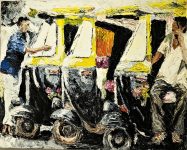
Bangladesh has banned thousands of two-stroke three-wheelers, popularly known as Baby-Taxi, from the streets of Dhaka. While environmental campaigners have welcomed the ban, it has not been well received by the drivers. Their emotion and tension were rising with the deadline for the permit.

Ban of Baby © Nishan Barua


Bedford, সমগ্র বাংলাদেশ | Series : Metro

Bedford, a remarkable automotive company of thirties, named by a county of Britain, “Bedfordshire”. It conveys the revolutionary automobile progression during World War II. There is no continuation of the “Bedford” manufacturer today, although the engines were still in fabrication. Local body-makers crafted shapes and created a colorful landmark in “Truck- Painting” as well as “Quote designing” on European machines. “Bedford”, a living engine with a lost name.

Bedford at construction site © Nishan Barua


Khatunganj | Series : Metro

Through the smell of burnt oil, and the sounds of shallow engine, including waves from Chaktai canal, boatmen repairing their boats and loading-unloading goods, hustle-bustle of buyer-sellers in the wholesale market, along with the sight of blistered yet colorful, intricately detailed buildings from the Post-Colonial era shall let you know, you have arrived in Khatunganj; one of the major wholesale and commercial area in Chattogram, Bangladesh.

Khatunganj © Nishan Barua

A dilapidated ship| Series : Metro

Chittagong shipbreaking yard, a place where old ships from all over the world come here to sigh their last breath, last anchor of their journey. A dilapidated ship, mighty in scale, come here to rest in pieces of wreck, in the shining western sun, anticipating reincarnation.  

A dilapidated ship © Nishan Barua

Pahari

A visceral equation of impasto and love; blending texture, color, light and shadows; bring upon a classic hillside ethnicity. Pallet knives and intricate brushing techniques have induced a realization of giving color to the natural instincts through the girl’s abstracted stare, making this intricate piece so special and subtle, yet so powerful.

Pahari © Nishan Barua

Boat of Abdul Amin

A local boat builder, Abdul Amin, was busy crafting his boat at the island Saint Martin in the twilight. Neon-yellow lights were flashing at the dockyard at a distance.

” এখানে পৃথিবীর কোন ঘাটে

অবসরের নৌকা ঝিমায়, অচেতনে

অবসরের মেল্যূডি মিইশা যায় ডিকম্পোজড-কম্পোজিশনে

অবসরের নৌকা ঘুমায়,অচেতনে

এইখানে পৃথিবীর কোন সন্ধ্যার উঠানে..”

Boat of Abdul Amin © Nishan Barua


Mellifluous Redemption

“তিনটে’র বোট ছাইড়ে গেলো- পেটের ভেতরে ডিম ভাতের দায়সারায় ক্ষিধে চাই পা ছুটতেই, রথের ঘাট ফাঁকা। মেরাজ প্রাপ্তির আর কত দেরি মাঝি।

আমরা তখন ককেশীয়, চারমূর্তি এই উষ্ণ ভ্রান্তির দেশে আইসে যেন শিখছি ঘাম, আর ঘামের সাথে ক্লান্তির রতি।

তবু, এখানে ডাক-ব্যাগভর্তি সমস্ত অত্যাচার ছাড়িয়ে আড়াই ঘন্টার দূরত্ব থেইকা ডাকে। আমরা দিলাম ” রাইখ্যংয়ের গান”।

চার’টার বোট – আকাশে তখন মিকাঈল আর প্রাচীন নর্স দেবতার বচসায় মত্ত।

আমরা মজা লুটি মেঘের কালো মেদ আর চর্বিতে।
কিছুক্ষণেই ধুয়ে দিবে এই পৃথিবী।

আমরা গাইলাম রাইখ্যংয়ের গান।
রাইখ্যংয় দোতারা বাজিয়ে চইলে গেলো কড়ি ছাড়াছাড়ির দেশ।

বিলাইছড়ি। “

Mellifluous redemption © Nishan Barua

Acknowledgment:

This presentation is done in collaboration with Photographer to Critic Writer, whose co-operation made it possible in every way to arrange different types of information and inspiration in a crucial time.

Poetry contribution – Zahid Jisan (Station platform Sholoshahar, Boat of Abdul Amin, Mellifluous redemption),

Writing contribution – S.M. Tanjeen (Sadarghat Dhaka, Pahari), Sanjida Hasan Nikita (Khatunganj), Kayes Moshiur (Bedford, সমগ্র বাংলাদেশ), Ishraq Rafid (Sholoshahar station o urban kak)

Study photograph from – Taqbir Huda (Sadarghat Dhaka) ,Mahadi Pulak (Khatunganj) , Paul Shuvro ( Pahari)

Photography for documentation – M. Haider Ananda (Ban of Baby, Boat of Abdul Amin, Khatunganj)


CONTEXT contributor: Sanjida Hasan, Architecture graduate, Chittagong Univerisity of Engineering and Technology. 

This is Gender 2021 – GH5050 Photography Contest

Competition brief :

Aims and objectives:

This is Gender, the global photography competition hosted by Global Health 50/50, is back. Now in our second year, we invite photographers to share their vision of what gender looks like and to submit photographs that explore the diverse ways in which gender norms – rigid and fluid, traditional and progressive – are lived and subverted by men, women and non-binary people.

The COVID-19 pandemic has held a mirror up to society and revealed our relationship to our environments, each other and the systems in which we live. In turn, the pandemic has exposed existing social fractures and inequalities. As borders have closed and our gaze has turned inward, the pandemic has both exasperated pervasive and restrictive notions of gender roles and catalysed transformations in the gendered landscape.

At this moment of global upheaval, lives and society at large are being impacted and changed in diverse and gendered ways. It’s now more important than ever to produce and distribute imagery that reflects the diverse realities of gender. We encourage photographers to contribute to expanding the imagery associated with the concept of gender by exploring, for example:

  • How the landscape of work – professional, domestic, care or otherwise – is gendered
  • How gender intersects with health and wellbeing
  • How politics and commercial industries exploit gender roles and how they are challenged
  • How gender intersects with other aspects of identities and vulnerabilities

We are particularly interested, but not exclusively, in works that contemplate these topics in the wake of the COVID-19 pandemic.

Design considerations/Evaluation criteria:

The judging panel of international experts will assess the works based on two separate categories.

Visual merit and creativity:

  1. Strong visual impact
  2. Thoughtful, considered composition and framing
  3. Use of colour (or intentional lack of colour) and creativity

Storytelling and perspective:

  • Clear link to gender and/or health
  • Strong story behind the image
  • Unique perspective on the subject

Jury:

SUHAIR KHAN- Strategic Projects at Google and Founder/Director of Open/Ended

ESSICA HORN- Founding member, African Feminist Forum and Commissioner on the Lancet Commission on Gender and Global Health

ESRA’A AL SHAFEI- Human rights activist and founder of Majal.org

AZU NWAGBOGU- Founder and Director of African Artists’ Foundation 

Rochelle Burgess- University College London

Ayesha Ahmad- St George’s, University of London

Imogen Bakelmun- Global Health 50/50

Awards:

  • £500 cash prize for first place and cash prizes available for secondary category awards.
  • Global exposure across our platform, media partnerships and through our world-recognised annual report.
  • Opportunity to have your work featured in a curated exhibition (online if COVID-19 dicatates).
  • Opportunity to join our global photographer database and connect with organisations and individuals seeking imagery to complement their work in global health and development.
  • GH5050 certificate for outstanding depiction of gender.

Schedule:

Submissions Open: 01 Oct ‘20 – 22:00

Submissions Close: 03 Jan ‘21 – 04:00

Final Round: 01 Feb ‘21 – 20:00

Registration: Visit to register- HERE

Submission: Submissions are mandatory through the Zealous portal only

Inquiries: HERE


CONTEXT contributor: Shawlin Islam, Architect. 

বসতবাড়ি | চিঠি ৪ | পুবে হাঁস,পশ্চিমে বাঁশ, উত্তরে কলা আর দক্ষিণে খোলা

মূল চিঠি:

প্রিয় বাবু ভাইয়া,

আশা করি ভাল আছ। কাল রাতে স্বপ্নে হঠাৎ করে আমার গ্রামের বাড়িটার কথা মনে পড়ল; মানিকগঞ্জ জেলার হরিরামপুর থানায়। বাড়ির পূর্বদিকে ছিল একটা চৌকোনা পুস্করনি। আমার বাবা বলতেন, পৃথিবী চারকোনা, তাই পুকুরও চারকোনা হওয়া উচিত। পুকুরের টলমলে গলা ছুঁই ছুঁই পানিতে হাঁসেরা ঘুরে বেড়াতো। আর পাড়ে ছিল শান বাঁধানো ঘাট। আমার মা সবসময় ছড়া কাটতেন,”পুবে হাঁস ,পশ্চিমে বাঁশ, উত্তরে কলা আর দক্ষিণে খোলা।“ মা বাবা যে ঘরটায় থাকতেন তা বেশ উঁচু, পুকুর কাটা মাটি দিয়ে এই ভিটে তোলা হয়েছিল যেন বন্যায় না ভিজে। ভেজা মাটি অসুখ বিসুখের কারণ।

বাড়ির মাঝখানে ছিল মস্ত এক উঠান। সেই উঠান আমাদের কল্পনার রাজ্য আর বড়দের কাছে তা গৃহস্থালি কাজের ক্ষেত্র। বড় বিচিত্র এই উঠান। যখন  আমার বোনের জন্ম হয়, উঠানে সে কি ভিড়, যেন সমস্ত আনন্দ আজ উঠানেই। আমার বিয়ের দিন ও একই অবস্থা। কিন্তু যেদিন দাদি মারা গেলেন, একই উঠান কেমন বিষাদে ভরে গেলো। দিনে রাতে, শীতে- গ্রীষ্মে নানারকম রঙ বদলায় এই উঠান।

শোনো, আমাদের বাড়ি ঘিরে ছিল নানাজাতের গাছ। নিম, নিশিন্দা এগুলো হল ভাল জাতের গাছ। এগুলো বাড়ির যত কাছে থাকবে তত ভাল। আবার বাঁশের ঝাড় ও উপকারী কিন্তু তা পশ্চিম দিকে একটু দূরে রোপণ করতে হয়। সারাদিনের রোদ এই ঝাড় ভেদ করে আসতে পারতো না তাই এর ছায়া আমাদের ঘরগুলিতে প্রশান্তি এনে দিত। পশ্চিমের রোদ বাঁশের ঝিরি ঝিরি পাতায় খেলা করত আর কেমন জানি মায়াবী এক আলো ছায়ার পরিবেশ তৈরি করত। মা বলতেন, বাড়ির দক্ষিণে খোলা রাখতে হয় আর তালগাছ কখনই বাড়ির কাছে দক্ষিণে রোপণ করে না। কারণ শকুন তালগাছে বাসা বাধে আর মরা খেয়ে বাতাসের সাথে রোগ ব্যাধি ছড়ায়। বেল, তেঁতুল আর বড়ই- এগুলো উত্তরে রোপণ করা যাবে না কারণ ভুতের ভয়তো আছেই, এরা ঘরকে আবদ্ধ করে ফেলে উত্তরের আলো ও বাতাস থেকে। বর্ষাকালে আছে সাপের উপদ্রব, তাই ঘরের কাছে বকুল, চাঁপা থাকা চলবে না।

আমি থাকতাম উঠোনের পশ্চিম দিকের ঘরটায়। ভাই বোনেরা সব একসাথে। এটাকে বলা হত পূবদুয়ারী ঘর। কিন্তু সবচেয়ে ভাল ঘর হচ্ছে মা বাবারটা। উত্তরদিকে এর অবস্থান আর নাম ছিল দক্ষিণদুয়ারী ঘর। আর জানো তো যে উত্তরে সূর্য ওঠে না, তাই মনোরম আলো ছিল সেই ঘরে। শীতকালে জানালা বন্ধ করে দিলেই আর উত্তরের হিম বাতাস আমাদের কাবু করতে পারত না। তাই সবাই জড়ো হতাম এই ঘরেই। পূর্বে আর দক্ষিণে সচরাচর থাকার জন্য ঘর তোলা হত না। দক্ষিণে কাছারিঘর ও বৈঠকখানা ছিল। আর পূর্বদিকে ছিল ফাঁকা, কোনায় রসুইঘর, গোলা ও গোয়ালঘর।

উত্তরে দল বেঁধে আসত বানর। তাদের উদ্ভট খেলা, ল্মফঝম্ফ ছিল আমাদের হাসির খোরাক। কলার বাগানে তারা প্রায়ই হানা দিত। বাঁশঝাড়ে মগডালে  বাসা বাঁধত ঘুঘু জোড়া। মাঝে মাঝে তাদের ডিম চুরি করত দুষ্ট ছেলের দল। উঠানে ছাগল ছানাদের তিড়িং বিড়িং আমাদের আনন্দ দিত। মাঝে মাঝে মুরগির ছানা ছো মেরে নিয়ে যেত কাক-চিল। রাতে ঈশান কোণের তেঁতুলগাছে শুনতে পেতাম হুতুম পেঁচার ডাক, সে কি ভয়ঙ্কর তার কণ্ঠ।  শেয়ালের হুক্কাহুয়া শুনতাম, কিন্তু মাঝে মাঝে মুরগি চুরি করে নিয়ে যেত ওরা। আমার প্রিয় লাল ঝুঁটির সাদা মোরগটাকে যেদিন নিয়ে গেল, সেদিন অনেক কেঁদেছিলাম। বসন্তে ডালে ডালে শুনতে পেতাম কোকিল- বউ কথা কও পাখির কুহু-কুজন। 

আমার বাবা সেই ব্রিটিশ আমলে স্টিমারে চেপে কলকাতায় যেতেন কয়েক মাসের জন্য। ছাপাখানা আর বই বাঁধাইয়ের কাজ- খুবই লাভজনক আয় রোজগার। কিছু টাকা জমলে পরে বাবা ঢাকায় জমি কিনেন। শুনলে আশ্চর্য হবে, নৌকায় বাড়িঘরের সবকিছু খুলে নিয়ে আমরা ঢাকায় চলে আসি। ঢাকার ছোট জমিতে স্থানাভাবের কারনে কোন উঠান রাখা যায় নি। কিন্তু বাইরে একটা দোকান দেওয়া হয় রাস্তার সাথে।

তুমি তো ভাই অনেক বাসাবাড়ি বানাও। পারবে নাকি আমাকে আবার গ্রামের সেই উঠান, বাগান ঘেরা একটা বাড়ি বানিয়ে দিতে ?

ভাল থাক ভাইয়া,

তোমার আদরের রাবু (নানু)


রাবেয়া খাতুন (রাবু) স্মরণে যিনি গত ১৩ ই মার্চ ২০২০ সালে তাঁর ৭৫ বছর বয়সে মৃত্যুবরন করেন। তিনি ছিলেন স্থপতি সৈয়দ আহমেদের মাতামহী। তার বসতি ছিল মানিকগঞ্জ জেলার হরিরামপুর থানার লেচড়াগঞ্জ গ্রামে। মাত্র ৯ বছর বয়সে তার বিয়ে হয়েছিল! শক্তিশালী পদ্মার ভাঙনে বসতবাড়ি হারিয়ে বিয়ের পর স্বামীর সাথে পাড়ি জমান নারায়ণগঞ্জ শহরতলীতে। তাঁর জীবনের বাকি সময়গুলিতে, তিনি কখনই ভিটা-বাড়িতে ফেরার সুযোগ পাননি।

Visualization by Md. Raihanul Hai © CONTEXT
Based on the original drawing provided by the sender. Redrawn by: Saad Ben Mostafa © CONTEXT
Visualization by Saad Ben Mostafa © CONTEXT

English version ( Translated by Noshin Tuba)

Dear Babu Bhaiya,

Hope you are well. Last night in a dream I suddenly remembered my village house; Harirampur police station in Manikganj district. To the east of the house was a square pond. My father used to say, the earth is square, so the pond should also be square. Ducks used to swim around on the neck-touching water of the pond. And on the bank was a paved stairway (ghat). My mother always used to cut rhymes, “duck in the east, bamboo in the west, banana in the north and open in the south.” The room where my parents lived was quite high, with the soil cut from the pond so that it would not get wet in the flood. Wet soil could cause diseases.

There was a big yard in the middle of the house. That yard was the realm of our imagination and for adults, it was the field of household chores. Very miscellaneous this yard was. When my sister was born, what a crowd was in there as if all the joy was in the yard that day. The same situation was on my wedding day. But the day Grandma died, the same yard got filled with sadness. Day and night, winter and summer – this yard changed colours in different ways. 

Listen, there were varieties of trees and plants around our house. Neem, Nishinda, these are good sorts of trees. The closer they remain to the house, the better. Again bamboo bushes are also useful but they have to be planted a little further west. The sunbeam could not penetrate this bush all day so its shade used to bring tranquillity to our house. The daylight of the west used to play on the bamboo leaves and created somewhat a mesmerising environment of light and shadow. My mother used to say that the house should be kept open on the south side and palm trees should never be planted on the south side of the house. This is because the vultures nest in palm trees and eat the dead, which would spread disease through the wind. Wood apple, tamarinds and plum trees – these can’t be planted in the north because there is a fear of ghosts, these trees block the house from the light and wind of the north. There was an infestation of snakes in the rainy season, so Bokul, Champa etc. trees should not stay close to the house.

I lived in the room on the west side of the yard. Brothers and sisters all together. It was called ‘Poobduari Ghar (east-faced room)’. But the best room of all was our parents’ one. It was located on the north side and was called ‘Dakshinduari Ghar (south-faced room)’. And you know that the sun does not rise in the north, so there remained a beautiful soft light in that room. If we closed the windows in the winter, the cold north wind would not be able to overwhelm us. So everyone used to gather in this room. Rooms were not usually built in the east and south for living purpose. To the south were the ‘kachhari ghar (meeting room)’ and living room. And the east was empty, at a corner, there were the kitchen, granary and the cattle.

Monkeys used to come in troops to the north. Their bizarre plays, dances-prances were the laughing stock for us. They often attacked the banana orchards. A pair of doves nested at the top of the bamboo bush. Sometimes groups of brats used to steal their eggs. Gamboling of the baby goats in the yard amused us. Crows and hawks often used to snatch away the chicks. Sometimes, at night, we could hear the hoot of the owl from the tamarind tree at the north-east corner, what a terrible voice it had! Used to hear foxes howling, but sometimes they used to steal chickens. The day they took away my favourite red-crested white rooster, I cried a lot. In the spring, we could hear the song of the cuckoo, chirping of Bou-kotha-kow bird here and there in the branches.

My father used to go to Kolkata by steamer for a few months during the British era. For printing press and bookbinding business – a very lucrative way of income. After collecting some money, father bought land in Dhaka. You will be surprised to hear that we unscrewed all the parts of the house and brought them with us by a boat when moved to Dhaka. No yard could be arranged in the small land of Dhaka due to lack of space. But outside along the street, a shop got placed.

You build so many houses, dear, don’t you? Can you make me a village house again with that courtyard in it, surrounded by gardens?  

Stay well, bhaiya.

Your beloved Rabu (Nanu)


In memory of Rabeya Khatun (Rabu) who died on 13th March 2020 at her 75. She was the maternal grandmother of Architect Sayed Ahmed. She lived in a village called Lechraganj, Harirampur thana at Manikganj district. She got married at the age of 9! The mighty Padma took their home at its womb and she had to move out with her husband at Narayanganj. In rest of her life, she never had the chance to return home.

We are thankful to Architect Sayed Ahmed for his correspondence.


হারিয়ে যাচ্ছে আমাদের গ্রাম। হারিয়ে যাচ্ছে মাটি ও মানুষের আত্মিক সম্পর্ক। জীবন ও জীবিকার সংগ্রামে আমরা ভুলতে বসেছি আমাদের শেকড়। গ্রামের বাড়ি আজ যেন এক নস্টালজিয়া। শুধু বেঁচে আছে আমাদের স্মৃতিতে। কি রেখে যাচ্ছি আমরা ভবিষ্যত প্রজন্মের উদ্দেশ্যে? সেই শিকড়ের খোঁজে আমরা খোলা চিঠির আহ্বান জানিয়েছিলাম।

আপনি যদি অংশগ্রহণের কথা বিবেচনা করে থাকেন তবে যত তাড়াতাড়ি সম্ভব চিঠিটি প্রেরণ করুন।

বিস্তারিতঃ http://localhost/context/events/event/basatbari/

ইমেইল: boshotbari.context@gmail.com; context.editor4@gmail.com


Disclaimer:

CONTEXT (www.contextbd.com) and their collaborators jointly hold the copyrights of all contents including, but not limited to, all text, information, illustrations, images. You may not duplicate or reproduce any of the content on this website, including files downloadable from this website.

Centre for AI and Robotics Research | MIST

The project tried to billet intelligences under a common umbrella; these aptitudes are the ‘Human intelligence’ and the ‘Artificial intelligence’. It merges together and created a mega structure-a mega complex building under a great shell. The shell of the roof or the structural mega roof sometimes may be pictured ornamental and arbitrary but this structure is no longer subordinated to ornament and hidden beneath the surface, and the façade is no longer dominated by the logic of curtain walling. Instead structure is being expressed on the outside and treated as a form of ornamentation. Structure and ornament feed into and inform one another.

Interestingly the project is brutal, techno as well as it has its own workshop look-which complements its own function.  Digital technologies are changing the way that we live and work today and the project Centre for AI and Robotics Research has shown this significant image through its masses. -Editor


We are currently living in the age of automation. There is no substitute for robotics and artificial intelligence (AI) to bring the revolutions of automation in the industrial sector. In Bangladesh, robotics education and research are still very much in the early stage. There is a lack of adequate facilities and resources for robotics research in our country.

©Nurjahan Bintu | MIST


©Nurjahan Bintu | MIST

The Centre for AI and Robotics Research is a hypothetical project aiming to bring researchers and enthusiasts under a common roof to share and enhance knowledge. The goal is to promote technology innovation in AI and robotics leading to societal impact by offering solutions to healthcare, agriculture, education, mobility, manufacturing industries, etc. Such a facility is necessary to sustain in this competitive world of technology and help Bangladesh to become self-dependent in technological innovation.

West Elevation ©Nurjahan Bintu | MIST

West Elevation ©Nurjahan Bintu | MIST

Section CC’ ©Nurjahan Bintu | MIST


North Elevation ©Nurjahan Bintu | MIST


Section BB’ ©Nurjahan Bintu | MIST

This project is, to an extent, an open for all facility delivering solutions to real-life problems. Lab facilities, research units, workshops, training spaces are the main functional areas of this project which is fundamental for creating a suitable environment for researchers. But conceptually, the project has more to offer; it evolves around the fundamental of technology and emotional aspects of different intelligence and serves as a connecting bridge between humans and robots through interactive activities. The concept here is “Intimate Immensity”. The immensity of the street scale is brought into the building interior. Having its own immensity inside, the complex also connects with the outside. In its figure-ground relationship, the mechanical world empathizes with the outdoor nature expanding warm, gentle embracing hand. Thus, the immense technical world comes to an intimacy with the site and nature. This complex will be a synthesis of all intelligence. All the users have their own space whether it is a machine and man or robot and human. Everyone will enjoy the immensity from their own intimate spaces.

Model Image ©Nurjahan Bintu | MIST

A 6-acre site in Purbachal is proposed for the project. The site is surrounded by water on three sides which offers a spectacular panoramic view of the surroundings. So, the building mass of the project is articulated around to create an interactive space between the water and the building, where the façade of the building works as a backdrop.

©Nurjahan Bintu | MIST


Hardware Lab ©Nurjahan Bintu | MIST


Movable Robot Testing Lab ©Nurjahan Bintu | MIST

This building has five key components to perform for the unique functional requirements of the project. All the functions are arranged along with the flow of the research process. The multidimensional entry space separates the private research functions from the public exhibition spaces. Different volumes of spaces were created for labs to provide comfortable spaces for different scales of robots and humans as well. Software labs provide programmers with suitable spaces within the harmony of indoor and outdoor to flourish their innovation and explore creativity. Several types of exhibition spaces with proper loftiness was created to give viewers a proper display of robots’ functionality. Different volumetric spaces required for various functional purposes have created the tectonic roof of the structure.

Interior View ©Nurjahan Bintu | MIST


Model Image ©Nurjahan Bintu | MIST

Apart from all the functional and technical properties of this project, the Centre for AI and Robotics Research, builds an environment of co-existing different scales of ‘Beings’ where they can share their ‘Hearts’ & ‘Brains’. It is “A collage of intelligence, A place where Different Intelligence come together and learn from each other.” 


CONTEXT contributing editor: Ashik Vaskor Mannan, Architect and Associate Professor.