Since 25 August 2017, when the latest Rohingya refugee influx from Myanmar to Bangladesh began, the number of refugees has steadily grown in Bangladesh. UNHCR continues to scale its response, offering lifesaving support to refugee families, and particularly to the most vulnerable individuals, including women, children, and the elderly. In 2018, UNHCR and the Government of Bangladesh (GoB) embarked on a joint registration exercise targeting the population. The exercise helps advance refugees’ access to protection services, protects refugees against refulgent while ensuring that refugees’ right to voluntarily return safeguarded once conditions are conducive for return. The population planning figure for 2020 is 840,000 refugees in line with the estimate provided by the Government of Bangladesh and UNHCR joint registration exercise, and as reflected in the 2020 Joint Response Plan (JRP).
The lack of space in the crowded camps limits the number of learning centres that can be built, most learning centres operate three daily “shifts,” of just two hours each, in order to reach a larger number of children. UNHCR-CODEC EPRC Project implemented by Community Development Centre (CODEC) is one of the pioneer organizations to design and establish a low cost and sustainable two-storied learning centre in the Rohingya camps.
The structure of the two-storied learning centres are designed with hollow steel tubes which make it lighter than using steel ‘I’ sections and also makes it easy to transport in the hard to reach Rohingya refugee camps. The steel structure is also built in such a way that it can easily be taken apart and transported to another location if required. All joints in the structure are bolted joints for this purpose. The structure is strengthened by cross-bracings to make it more resilient during the cyclonic storms which are frequent in the area. The concrete foundation which supports the structure is also designed considering the uplift forces and landslide issues.
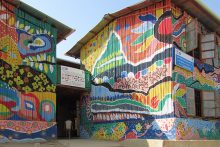
The hard bone (Steel structure) is covered by a soft skin made by Muli bamboo (Melocanna baccifera). The Muli bamboo facade makes the structure more environmentally friendly and also makes it familiar with the Rohingya people and students. The whole Muli bamboo Facade is laced together with ropes. This way of making facades also helps to replace any bamboo if needed in the future. Maximizing natural light and ventilation in the structure were given outmost importance in the design to make it more climatically comfortable for the students.
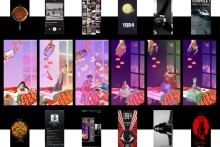
Artworks were introduced in the facades to make it more interesting for the children and making the learning space more lively and warm. My colleague Mr. Tasadduk Hossain Dulu who is an Artist helped us in this process. The children and the teachers were involved in the artworks very intimately. They painted their dreams with the colours they like in their own learning centre.
After completing the construction of these learning centers, the surrounding Rohingya community, Student and Teachers were very happy with their new facility. It created a sense of belonging to the community, which is the most notable achievement of the project. Already 18 such two storied LC has been established and CODEC is trying hard to build more 60 such learning centre within 2021 through UNHCR-CODEC EPRC Projects.
“Our lives begin to end the day we become silent about things that matter.” — Dr. Martin Luther King, Jr.
The wait is over, the boxes are ready. It’s about time to cast your vote in the IAB EC 2021-2023 Election. Seldom has an election in recent memory taken on such spirited engagement with the IAB members. The tension is in the air! What is worth remembering now is the fundamental question as to why do we vote? It’s effectively the only instrument we have to raise our voices, to show that we care deeply about who gets to exercise power and what is on the agenda. This editorial isn’t written to judge who the better candidates are nor to help you decide particular choices, but rather, we write simply to remind you that your choices matter. It may simply be just one ballot for each on the election day, but that shouldn’t fool you into thinking that it doesn’t matter. Our choices collectively have shaped the past and will do so in the future as well.
Take the 23rd EC for example. While many can pine over all the things it has not been able to achieve, there is a lot that has been done. The recent BIP-IAB seminar on Dhaka’s future, which has been exemplary in creating bridges with other disciplines, is a case in point. It reminded us that at the end of the day, our larger concern is the built environment, of which we play a part along with many other allied disciplines. We must work in tandem with others in ensuring the well-being of people and the environment—past, present and future.
Whoever wins the office on Dec 4th, the test will not only be addressing internal professional concerns, which are no less important, but also it will fall upon the new EC to be a lighthouse for the discipline, to provide guidance to the shaping of an inclusive and sustainable built environment at large. As architects, we have always been skilled in bringing different voices in sync, we do that on our construction sites everyday. We reconcile client’s desire with their budget, the aesthetics with the pragmatic and the site with its context. In other words, what we do at the scale of a building—the power of bringing different conflicting desires to work together and resolve differences—needs to be scaled-up to take care of our collective urban environment, particularly in Dhaka. We cannot avoid speaking of the elephant in the room—the Detail Area Plan (DAP 2016-2035). It is not the time and place to persuade you for it or against it. Rather, we see the need for an IAB leadership who can move beyond any potential conflict of interest and truly act to reconcile different desires towards an inclusive urbanism for Dhaka and the rest of the country.
Speaking of “inclusivity”, it has clearly been the buzzword this election cycle to take on a larger meaning. In that spirit, we must ensure that the agenda for the 24th EC is not exclusively focused on the DAP issue but is inclusive in itself of the various everyday concerns of the members of the institute. We raise three particular issues that needs immediate attention.
Firstly, just as “charity begins at home”, we must begin to act on issues of social and environmental justice by ensuring just workplace and equitable benefits for the people who work for us. A respectable ‘minimum salary range’ has been an issue for many fresh graduates and members alike. Additionally, beyond adequate financial compensation, worker’s rights such as maternity (and paternity) leaves, proper notice period before laying off from the job and ensuring gender neutrality need to be front and center. No EC can be effective by ignoring the plights of its largest voting bloc.
Secondly, IAB should not exercise its role solely as a regulatory body but also as a facilitator. Several policies currently in practice including incremental penalty payment are exclusionary in nature and discourage inclusivity. Given the position of IAB as an accrediting body of architectural education, the progress of accreditation is very slow and many graduates, without being aware of this matter, are suffering from exclusionary stance by IAB. Perhaps, the institute should exert effort for reaching out to all the architecture schools and initiate a conversation to disseminate the information and identify the gaps and anomalies, so that a student can make a choice before enrolment.
Thirdly, we are concerned about the high rate of uncontested nominations in this election cycle. While it can be a consequence of candidates being popular and effective in their previous term, it might also be a cautionary tale for us. It may be a symptom of disinterest or lack of awareness regarding those positions, which in turn be part of a larger disenfranchisement of the members from self-governance. While we wish not to believe that it is the case, the new EC must look into it in a more organized manner, perhaps by arranging focus group discussions with members, to listen to their reasons for not contesting for those positions. We cannot stress enough that the greatest skill for a leader is his/her ability to listen.
Listening to everyone, whether we agree with them or not, is the fundamental first step towards being inclusive. Rather than tokenistic and superficial engagements, we hope for an EC that will genuinely listen to its members and other allied disciplines as well. The election could not come at a more crucial juncture. Covid-19 has taught us that emergencies that we had no plans for may become part of our everyday life. Given the interconnections in the global economy, perhaps we are yet to face the impact, particularly in relation to our export market abroad. No doubt the ripples will reach the shores of our disciplinary backyard, we may see drop in traditional architectural projects. Bring the ecological impacts of climate change into the mix and the future seems all the more bleak. But this should not be a cause for despair. Creativity—inventing opportunities from a crisis—is our capacity as architects and it should be no less for the new EC members. We are hopeful that the architects whom we put in charge of governing ourselves will bring that spirit of creativity and inclusivity in solving the issues raised here. Our job, as ordinary voting members, perhaps is to stay true to our conscience, not be biased towards anyone but rather exercise our thinking to assess who will truly be the best candidates to take us through these challenging times.
It’s perhaps best to end with a quote from Mahatma Gandhi, reminding the duty that lay upon us in voting from our conscience: “To safeguard democracy the people must have a keen sense of independence, self-respect and should insist upon choosing as their representatives only such persons as are good and true.” We cannot tell you who to vote for, only that you do so for the greater good. The only way to make it an election to remember is by choosing the most effective leadership. Happy voting and best of luck to all candidates!
About the authors:
Tanzil Shafique and Saimum Kabir are PhD fellows at the University of Melbourne in the Faculty of Architecture, Building and Planning.
When it comes to measuring leadership characteristics, it shows that women often do better than men. In a study by Zenger and Folkman (2011), results showed that women outscored men in almost all areas such as problem-solving and analytical issues, showing integrity and honesty, communication prowess, collaboration, and advocating change [1]. Even during the ongoing global pandemic caused by the novel coronavirus, research has shown that countries led by women are doing significantly better in dealing with the outcomes of Covid-19. However, oftentimes, gender issues get in the way of determining people who are chosen for such roles.
In the architecture profession, statistics show that while women comprise half of the student population in architecture programs, that number dwindles down drastically when it comes to those who eventually continue with the practice. It is not just at the top levels where women remain underrepresented, it’s at every level of practice. This disparity in numbers hurts the architecture profession because this means that much of the design decisions taken around the country miss out on valuable contributions that can come from women.
According to a survey conducted by the Institute of Architects Bangladesh (IAB), there are 1828 female architects who are members, while the number of male architects is 2670. In the current 23rd Executive Council of IAB, out of fifteen positions, only one of them is held by a woman. But this can be changed, as this year, four female candidates are running for the IAB election of the 24th Executive Council.
Dr. Farida Nilufar and Farhana Sharmin are the two candidates competing for the General Secretary position. This is a key position at IAB committee, and regardless of who wins, the position will be occupied by a female member of IAB, which is a matter of great progress.
Farida Nilufar has been a professor at the Department of Architecture at Bangladesh University of Engineering and Technology (BUET) for over thirteen years and has also worked as Member of Education Sub-Committee on Accreditation of Architecture School in Bangladesh with IAB. She currently holds the position of Secretary, Environment and Urbanisation at the 23rd Executive Council of IAB and has been the Treasurer for the 20th Executive Council. Farhana Sharmin is the principal architect at Krom Architecture and a former Secretary, Seminar and Convention at IAB’s 20th and 21st Executive Council.
The other two candidates are Moushumi Ahmed and Nazli Hussain running for the Secretary position in Seminar and Convention category, and Environment and Urbanisation category, respectively. Moushumi Ahmed is the principal architect at I D E A and a former faculty member at Bangladesh University. Nazli Hussain is the chief architect at Praxis Architects and LEED Consultant at U.S. Green Building Council (USGBC). Both are first time candidates running for the IAB election.
Women have been part of the architecture discipline in Bangladesh ever since the program was first introduced in BUET in the 1960s. In academics and practice, there have been some great contributions by them as well. But sadly, the profession has long been an exclusive men’s club, both locally and globally. Architecture and the discourse surrounding it suffers greatly when it does not include women’s input and perspectives. And it is high time for a change. The kind of change that we expect will be visible in the 24th IAB Executive Council.
However, some observers are not that optimistic and remain critical about the radical change. In counter, they pointed out that the several key positions of the 24th EC, including the presidential post, are remained either uncontested or contested by the previously elected members. Further, two other female candidates who are competing for the Secretary positions are new faces, and there is little they can actually contribute to the top-heavy decision-making process of IAB.
The IAB 2020 Election for the 24th Executive Council will be held on 4th December 2020 and includes the following categories and the corresponding candidates who are running [2] :
1. President: Jalal Ahmad and Mubasshar Hussain
2. Vice President (National Affairs): Khan Md. Mustapha Khalid (uncontested)
3. Vice President (International Relations): Md. Ishtiaque Zahir (uncontested)
4. General Secretary: Farida Nilufar and Farhana Sharmin 5. Assistant General Secretary: Sajid- Bin- Doza and Nabi Newaz Khan
6. Treasurer: M. Masud Ur Rashid (uncontested) 7. Secretary (Education): Mohammad Arefeen Ibrahim (uncontested) 8. Secretary (Profession): Bayejid Mahbub Khondker (uncontested)
9. Secretary (Membership): Md. Shahid Hasan Rabbani and Md. Ali Asraf Dewan
10. Secretary (Publication & Publicity): Sheikh Itmam Soud (uncontested) 11. Secretary (Seminar & Convention): Moushumi Ahmed and M. Taufiqur Rahman Khan
12. Secretary (Heritage & Culture): Mohammad Sazzad Hossain (uncontested) 13. Secretary (Environment & Urbanisation): Nazli Hussain and Md. Nafizur Rahman.
CONTEXT contributor: Farhat Afzal is the Senior Academic Associate at Bengal Institute for Architecture, Landscapes and Settlements
তোমরা কেমন আছো? আমার শৈশব কাল কেমন ছিল জানার কোনো কৌতূহল হয় কি? যে পরিবেশে তোমরা বেড়ে উঠছো তা থেকে আমার কাল কতই না ভিন্ন মনে হবে।
দ্বিতীয় বিশ্ব যুদ্ধ বিষয়ে তোমরা কি কিছু জানো ? বিশ্বব্যাপী যুদ্ধ যখন প্রচন্ড আকার ধারণ করে, তখন ১৯৪২ সনের ১৮ই আগস্ট ১৫ ই রবিউল আওয়াল (শবে বরাত) শুক্রবার খুব ভোরে আমার জন্ম নোয়াখালী জিলা শহরে। যুদ্ধ শেষ হবার অল্প পরে আমাদের পরিবারের আর একটি যুদ্ধ শুরু হয় যা অবশ্য প্রকৃতিগত। প্রমত্ত মেঘনা নদী যা তিনটি বিশাল নদীর সমষ্টি : গঙ্গা, ব্রম্মপুত্র ও মেঘনা, আমাদের বাড়িসহ পুরো নোয়াখালী শহরকে গ্রাস করে। তখন আমার বয়স পাঁচ বছর। আমার বাবা আমাদের বাড়ির যা কিছু মালামাল রক্ষা করতে সক্ষম হন , তা দিয়ে মাইজদীতে আমার মামার বাড়িতে এক অংশে অস্থায়ী বাসস্থান নির্মাণ করেন। উল্লেখ্য মাইজদী, যা কয়েকটি অজপাড়া গ্রামের সমষ্টি , এখন অস্থায়ী নোয়াখালী জিলা সদর। এখানে পার্শ্ববর্তী স্কুলে আমার প্রাথমিক শিক্ষা শুরু। সেই বছরেই আমরা ভারতে অভিবাসন গ্রহণকারী এক হিন্দু পরিবার থেকে বাড়ি কিনি যা মাইজদী শহরের প্রাণকেন্দ্রে ও শহরের উত্তর-দক্ষিণ বিসতৃত প্রধান সড়ক সংলগ্ন। এই বাড়িতেই আমার শৈশবকাল কাটে।
প্রধান সড়ক থেকে আমাদের নতুন বাড়িতে প্রবেশ করতে হয় শহরের প্রধান পানি নিষ্কাশন খালের উপর কাঠের সাঁকো দিয়ে। বিশাল প্রাঙ্গণ অতিক্রম করে বাড়ির বৈঠকখানা। এখানে আমার উকিল বাবার আইন ব্যবসার চেম্বার। তার সহকারী দুই মুহুরী, একজন মুসলমান অন্যজন হিন্দু, একদিকে থাকতেন। অপর অংশে দুইটি চৌকি ছিল। বাহিরের অতিথি ও বর্গাদার (আমাদের চরের জমি চাষ করতেন) অবস্থান করতেন। ভেতর বাড়ির অভ্যন্তরে প্রবেশের পথে একটি দোতালা টিনের ঘর। সেখানে আমাদের গৃহশিক্ষক থাকতেন যিনি প্রতিদিন সকাল সন্ধ্যায় আমাদের পাঁচ ভাইকে পড়াতেন।
আমাদের ভিতরের বাড়িতে ছিল তিনটি থাকার ঘর; দক্ষিণ, পশ্চিম, উত্তর ঘর বলতাম। পূর্বে ছিল রান্নাঘর। এককোনায় ছিল জ্বালানি কাঠের ঘর, যার এক অংশে ছিল বড় কাঠের গুড়ি দিয়ে তৈরী ঢেঁকি। এর সাহায্যে আসত সিদ্ধ ধান থেকে চাউল, চিড়া, হলুদ, মরিচ গুঁড়া। শুধু মহিলারই কাজ করতেন এখানে। আরেক কোনায় ছিল গোলাঘর; শক্ত ঠুলির বেড়া, উপরে টিন এবং নিচে ইটের পিলার দিয়ে তৈরি। এর পিছনে ছিল গরুর ঘর ও ধানের খড়ের পারা যা সারা বছর গরুর খাদ্যের যোগান দিত। একটি বড় উঠানের চারিদিকে এই ঘরগুলোর অবস্থান। ঘরগুলোর মেঝে ছিল মাটির। দেয়াল শক্ত মুলি বাঁশ ও কাঠের তৈরি আর ছাদ ছিল টিনের। ব্যতিক্রম রান্নাঘরের ছাদ যা ছন ও বাঁশ দিয়ে তৈরি। ঘরের বাহিরে টিনের নিচে ছিল ঝুলন্ত কবুতরের বাক্স। জ্বালানী কাঠের ঘর সংলগ্ন ছিল হাঁস-মুরগীর ঘর।
উঠানটি ছিল আমাদের সবচেয়ে আকর্ষণীয় স্থান। পারিবারিক যেকোনো অনুষ্ঠান এখানেই হতো। আমরা ভাইরা সুযোগ পেলে ফুটবল এন্ড বোনেরা ব্যাডমিন্টন খেলতেন। প্রতি বছর ডিসেম্বর মাসে উঠানটি কর্মকোলাহলে মুখরিত থাকতো। আমাদের চরের জমিতে উৎপাদিত ১৪০-১৫০ মণ ধান বর্গাদারেরা গরুর গাড়িতে এনে এই উঠানে জমা করতো। ধুলা-বালু, চিটা পরিষ্কার করে ওজন করা হতো এবং ধানের গোলায় রাখা হতো। পরিবারে প্রয়োজনের অতিরিক্ত ধান বিক্রি করে দেয়া হতো। তাছাড়া উঠানে সিদ্ধ ধান, চাউলের আটা, মরিচ ইত্যাদি রৌদ্রে দেয়া হতো। কাপড় শুকানোর জন্যে ছিল টানা তার।সব মিলিয়ে এটা ছিল যেন বাড়ির প্রাণকেন্দ্র।
রান্নাঘরের মাটির মেঝেতে পাটি বিছিয়ে আমরা তিনবেলা খাবার, সকালের নাস্তা, দুপুর ও রাতের খাবার খেতাম। রান্নাঘরের বাহিরে ছিল মাটির তৈরি দুই বড় চুলা। ধান সিদ্ধ করা হতো আর শীতকালে মজার মজার পিঠা তৈরি হতো। আমরা ভাইবোনেরা তিনদিক ঘিরে বসতাম গরম গরম পিঠা খেতে। সেকি আনন্দ ছিল।
রান্নাঘরের কাছেই ছিল একমাত্র টিউবয়েল যা থেকে আমরা বিশুদ্ধ খাবার পানি পেতাম। প্রতিবেশীরা কেউ কেউ এখন থেকে তাদের খাবার পানি সংগ্রহ করতেন। রান্নাঘরের পেছনে ছিল আমাদের পুকুরটি, যা যথেষ্ট বড় ছিল। নারিকেল ও অন্য বড় গাছের গুঁড়ি দিয়ে তৈরি দুটি ঘাট ছিল। একটির তিনদিক ঠুলির পর্দা দিয়ে ঘেরা, যা মেয়েরা ব্যবহার করতো আর একটি পুরুষদের জন্য। পুকুরে ছিল বিভিন্ন প্রজাতির মাছ যেমন রুই, কাতলা, কৈ , শিং , শৈল, পুটি ইত্যাদি, আর ছিল গলদা চিংড়ি, শামুক ও ঝিনুক। মুক্তা পাওয়ার আশায় আমরা কত ঝিনুক নষ্ট করেছি। আফসোস পরবর্তীতে এই তিন জাতের জলজ প্রজাতি বিলুপ্ত হয়ে যায়।
এই পুকুরে আমরা ভাইবোন সাঁতার শিখি নারিকেল জোড়া ও কলাগাছ দিয়ে, ভাবতে পারো? যখন তখন গোসল এবং সাঁতার কাটার জন্যে পুকুরে ঝাঁপ দেয়া, বরশী বা জাল দিয়ে মাছ ধরা কত যে মজার ব্যাপার ছিল তা কি তোমরা আধুনিক শহরবাসী কল্পনা করতে পারবে?
আমাদের দশ থেকে বারোটা হাঁস পুকুরে ভেসে বেড়াতো এবং মাঝে মাঝে ঢুব দিয়ে ছোট মাছ বা শামুক খেতো। কোনো কোনো দিন দুই/এক সাথীকে হারিয়ে বাসায় ফিরতো। ভোরে আমাদের ঘুম ভাঙতো মোরগের ডাকে আর পাখির কলকাকলিতে, আর দৌড় দিতাম হাঁস মুরগীর ঘরে ডিমের সংগ্রহে। কবুতরগুলো সবসময় বাকবাকুম করতো; এক ছাদ থেকে অন্য ছাদে উড়ে বেড়াতো এবং সুযোগ বুঝে উঠানে ছড়ানো ধানের উপর নেমে পড়তো। তবে প্রায়শঃ নাদুশ-নুদুশ বাচ্চা দিতো।
হ্যাঁ, আমাদের বড় একটা সবজি বাগান ছিল। বিভিন্ন সবজি যেমন টমেটো, মূলা, লালশাক ইত্যাদি আর মাচানে শিম, লাউ হতো. আমাদের প্রায় একশো ডেসিমেল জমির অধিকাংশে ছিল ঘন বাগান অভ্যন্তরীণ বাড়ি ও পুকুরকে ঘিরে। তাতে ছিল প্রচুর নারিকেল আর সুপারি গাছ। আর ছিল আম, কাঁঠাল, জামরুল, বরই, পেয়ারা চালতা ইত্যাদি ফল গাছ। নিজেদের প্রয়োজনের বাহিরে নারিকেল, সুপারি বিক্রি করে দেয়া হতো। রাতে শিয়ালের রাজত্ব। বাগানে অবাধে বিচরণ করতো এবং হুক্কা হুয়া আওয়াজ তুলতো সমবেত স্বরে। সকাল সন্ধ্যায় সুযোগ পেলেই হাঁস-মুরগী ছিনতাই করতো। দিনের বেলায় থাকতো গর্ত বা জঙ্গলে, তাদের কোনো সাড়া পাওয়া যেত না।
তোমরা হয়তো অবাক হবে, আমাদের প্রসাবখানা, পায়খানা আবাসিক ঘরের সংলগ্ন ছিল না। ঘর থেকে সামান্য দূরে প্রসাবখানা যা সুপারি গাছের লম্বা লম্বা পাতা দিয়ে ঘেরা (বাইল)। আরো একটু দূরে পাকা প্লাটফর্ম ও টিনের ছাদ ও বেড়া দিয়ে পায়খানা। প্রতিদিন খুব ভোরে পৌরসভার সুইপার ময়লা ড্রামে সংগ্রহ করে ভ্যানে নিয়ে যেত। বহিঃ বাড়িতে পুরুষদের জন্যে ছিল পৃথক পায়খানা।
বাড়ির তিনদিকে ছিল সীমানা এবং পানি নিষ্কাশনের সরু খাল।এটি বাড়ির সম্মুখের শহরের পানি নিষ্কাশনের সাথে সংযুক্ত। বর্ষা মৌসুমে আমরা ছোটরা এই সরু খালে খাঁচা দিয়ে ছোট ছোট মাছ ধরতে কত না আনন্দ পেতাম। শহরের প্রধান পানি নিষ্কাশন খালটি মেঘনা নদীতে পড়তো। নদীর জোয়ার ভাটা খাল দিয়ে শহর পর্যন্ত পৌঁছে যেত. ফলে নদীর প্রচুর মাছ যেমন টেংরা, বইলা, চিংড়ি ইত্যাদি ধরা পড়তো। আমরা খালের সাথে সংযোগ রেখে আমাদের জমিতে একটি খন্দক/ ডোবা বানিয়ে এসব নদীর মাছ ধরতাম। শৈশবের এইসব মজার কান্ড কি ভোলা যায়?
টিনের ছাদে বৃষ্টির ঝম ঝম আওয়াজ, ব্যাঙের ঘ্যাঙর ঘ্যাঙর ডাক, ঝিঁ ঝিঁ পোকার একটানা সুর, আর রাতের আঁধারে জোনাকির ঝিক মিক আলোতে যেন বাড়ির পরিবেশটি মায়াপুরীতে পরিণত হতো।
আমাদের বাড়িটি যদিও শহরের মধ্যে এবং প্রধান শহরের পাশেই ছিল, তবুও একনজরে মনে হয় এটি যেন গ্রাম বাংলার কোন অবস্থাম্পন্ন গৃহস্থের বাড়ি। যে সর্বনাশা মেঘনা যদি পুরান নোয়াখালী ও তার আশেপাশের জমি বিলীন করে দিয়েছিল, তা দক্ষিণে অনেকদূর সরে গিয়ে বঙ্গোপসাগরে মিশে যায়। আর সৃষ্টি হয়েছে বিশাল এক চর যেখানে এখন দ্রুত জনবসতি গড়ে উঠছে। মাইজদীতে স্থাপিত অস্থায়ী জেলা সদর এখন স্থায়ী রূপ নিয়েছে। নতুন নতুন সরকারি বেসরকারি পাকা বাড়ি, রাস্তা ঘাট, স্কুল-কলেজ, মাদ্রাসা, বিশ্ববিদ্যালয় নিয়ে এটি এখন আধুনিক শহর। পরিতাপ হল, নোয়াখালী জেলা সদর এখন ঐতিহাসিক গৌরবাঞ্জল নোয়াখালী শহর নয়, এটি মাইজদী শহর।
ইতিমধ্যে আমি অংকে স্টার মার্কস নিয়ে মেট্রিক পরীক্ষা (এস.এস.সি) প্রথম বিভাগে উর্ত্তীণ হই যখন আমার বয়স ষোল বছর, এবং উচ্চতর পড়াশোনা করার জন্য রাজধানী ঢাকায় চলে আসি।
আমার বাল্যকালের কাহিনী তোমাদের কেমন লেগেছে? আসলে ছোটবেলার মধুর স্মৃতি ভোলার নয়।তোমাদের ধর্য্যের জন্যে অনেক ধন্যবাদ। সবার মঙ্গলের জন্যে আল্লাহর দরবারে আকুল প্রাথনা।
Do you like to know my life when I was of your age about 68 years back? Maybe you will find it so different from yours.
Did you hear about World War II? I was born when it was at its height, on 28 August 1942, Friday, 15 Shaban, early morning at Noakhali town. Soon after the end of the war, our town was totally washed away by the mighty Meghna river when I was five. My father shifted our family to a temporary residence in a piece of land owned by my maternal uncle at Maijdee, a temporary district town. My primary education started here at a nearby school. Within the next four years, we moved to our new home in the town which we bought from Hindu owners who migrated to India. Most of my childhood was spent here.
Our new home was beside the main road of the town, which ran north south. Entrance to our home was through a wooden bridge over the town’s wide drainage canal. Then we walked across a big yard to reach my father’s chamber he used for his law practice. Soon after finishing his BA, LLB, from Calcutta, my father started practicing law around 1926 in the old town. His assistant used to live on one side of the chamber. Two wooden beds were placed on the other side for visitors including “bargadar” (tillers of our char land). We five brothers and friends used to play Badminton on the front yard.
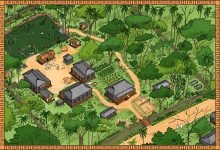
Walking past the chamber and before entering our inner home, there was a hut where our house tutor lived. He used to teach our five brothers every morning and evening. Our inner home consisted of three houses, south, west, north, a kitchen in the east, a paddy silo, a hut for firewood around a large yard. All houses had earthen floor, tin roof and wall made of wood and bamboo. The sound of raindrops on tin roof would produce a kind of music that would send us all youngsters to sound sleep. The kitchen, however, had its roof made of straw and bamboo. Silo and firewood hut were placed over brick pillars and bamboo platform respectively. The living houses had ceilings that served to store blankets, quilts, coconuts and chewing nuts. Behind the silo was our cowshed and straw column which fed the cows round the year.
We siblings, two sisters (till they were married off) and five brothers, used to live with our parents in these three houses. Our four elder sisters were living with their husbands. We used to have our daily meals breakfast, lunch, and supper on the mat spread over the kitchen floor.
The wide circular yard was the main attraction of our home. All our family members and close relatives used to gather there at family events. We brothers played football while sisters played badminton there. December each year was full of activities. 140 – 150 mounds of paddy arrived at home from our char land by cow cart. These would be piled on the yard, screened, and weighed before storing in the silo. Paddy excess to our annual need would be sold out. Yard had other uses too like drying boiled paddy, pepper, etc. Do you know how rice is produced from paddy? The modern machine will do the boiling, drying and finally processing of paddy into rice, but in our childhood, we saw a “Dheki” a heavy wooden device operated mostly by women folks to produce rice, chira, pepper powder, etc. It was placed in the shed for firewood.
Outside the kitchen were two big earthen ovens to boil paddy to get rice. In winter, we siblings used to sit around the ovens to take a share of “Pitha” prepared there. Close to kitchen we had a tube-well which supplied us pure drinking water. Behind the kitchen was our big pond with “ghats” (series of stairs ) , one with screen on three sides for ladies, other one for male members. “Ghats” were made of trunks of coconut and other big trees. You may wonder, but we siblings learned swimming in this pond. Having bath, swimming and fishing with net and rod were our favourite pastime. The pond had plenty of fish like “Katla”, “Rui ” , “Shail ” , “Koi ” , “Puti ” etc. which were very popular. Lobster, oyster, snail which were in abundance vanished later on. That is not all. We also had a large kitchen garden that produced fresh vegetables like cauliflower, cabbage, carrot, ladies finger, gourd, chillies etc. We had a mini poultry farm of chicken and ducks. Every morning we siblings would run to collect eggs. The ducks 10 – 12 numbers would swim in our pond and frequently dipped to get fry or snail. Sometimes they would venture to neighbouring ponds to exploit the new area, but would return with one or two of them missing. 8 – 10 pairs of pigeons housed in wooden boxes under tin roof would, however, never venture outside. They would give us cute chicks at regular intervals.
You may be surprised to know that toilets were not attached to living houses, unlike modern houses in towns or villages. The urinal was setup with screens of long leaves of chewing nut trees and the toilet was made of R.C platform and corrugated tin sheets. Municipality sweepers used to collect the soils daily at dawn. We had another toilet outside the inner home for male members and visitors.
A larger part of our land of about 180 decimals was forest-like garden thick with trees of coconuts, chewing nuts, mangoes, jackfruit, jujube, guava, and other tropical fruits. You may call our home a Garden house/ Villa at a glance. Jackals roamed freely in the night and yelled in chorus “hukka hua”. They snatched chickens or ducks whenever they got the chance, but in daytime, they hid in holes or bushes.
A narrow canal on three sides of our home marked its boundary and also provided drainage of surface water. During monsoon, we really enjoyed catching fry there. As said, in front of our home was the town’s main drainage canal ultimately falling into the Meghna river. Its tide and wave would reach us through the canal and bring plenty of delicious fish like “Bila”, “Tangra”, “Chingri” etc. We dug a small pond alongside the canal to trap these. How joyous it was to catch these marine fish!
Though our home was within the town and beside its main road, it resembled a typical village home of a solvent Bengali family. The mighty Meghna river that once engulfed the old district town and vast surrounding area moved south and merged with the Bay of Bengal creating in the process a vast new land. New settlement of people followed. Temporary District Headquarters at Maijdee turned permanent. But alas, it lost its glorious name “Noakhali”.
Meanwhile, I finished my Matric exam (SSC) in 1st division with distinction in Math from Noakhali Zilla School when I was 16, and moved to Dhaka, now our capital for pursuing higher studies.
How do you like the story of my childhood? One can never forget the fond memories of one’s childhood as the real struggle of life is yet to begin. Thank you for your patience and pray to almighty Allah for His blessings for all of us.
Dada Bhai / Nana Bhai
Group Captain Habibur Rahman, psc
DOHS Mohakhali, Dhaka,
Bangladesh.
হারিয়ে যাচ্ছে আমাদের গ্রাম। হারিয়ে যাচ্ছে মাটি ও মানুষের আত্মিক সম্পর্ক। জীবন ও জীবিকার সংগ্রামে আমরা ভুলতে বসেছি আমাদের শেকড়। গ্রামের বাড়ি আজ যেন এক নস্টালজিয়া। শুধু বেঁচে আছে আমাদের স্মৃতিতে। কি রেখে যাচ্ছি আমরা ভবিষ্যত প্রজন্মের উদ্দেশ্যে? সেই শিকড়ের খোঁজে আমরা খোলা চিঠির আহ্বান জানিয়েছিলাম।
আপনি যদি অংশগ্রহণের কথা বিবেচনা করে থাকেন তবে যত তাড়াতাড়ি সম্ভব চিঠিটি প্রেরণ করুন।
CONTEXT (www.contextbd.com) and their collaborators jointly hold the copyrights of all contents including, but not limited to, all text, information, illustrations, images. You may not duplicate or reproduce any of the content on this website, including files downloadable from this website.
This design proposal, submitted by a group of Architecture students from North South University, was for a competition launched by Fentress Architects. The aim was to propose a concept for an airport of the year 2100. A list of major airports was given for redesign along with some key points to work on such as heritage-inspired, sustainability, and supportive technology. For this project, Indira Gandhi International Airport was selected, and a radical design was proposed. Out of over 100 entries from 15 countries across the world, this proposal got shortlisted to the top 20.
For centuries infrastructures have been designed and build according to the needs of its users. As a result, the growing urbanization has left landscapes more into the grey rather than the natural green belts. Airports are becoming one of the major integral parts of the infrastructure which will lead the future transportation and communications, where it takes a noticeable footprint of the city.
In search of sustainability, the proposal for the infrastructures is to behave and interact with the ecosystem, by not putting up resistance to the flow of nature but going on with it. The main objective of designing the Indira Gandhi International Airport is to create a self-growing airport that will not only adapt and transform with seasons but also adapt to the anticipating climate change.
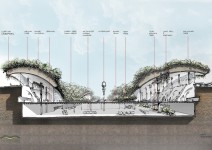
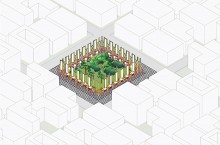
Inspired by the historical reference of Ajanta Temples, the airport is to be built underground which reduces heat gain as well as adds green space to the city. The building mass is arranged parallel to the runway and a sunken open plaza where the smart tram carrying out the passengers. This will keep the airport operational when a high passenger rate appears. Meanwhile, the Al (artificial intelligence) based smart tram will carry out all the airport’s official formalities paperless, which will save time and also keeping the passenger movement smooth. Hence the proposed airport architecture will contribute to restore and balance the city’s eco-diversity as well as improve passenger’s experience.
আমার দাদু জিতেন্দ্রকুমার দে আর তার ভাই মনোরঞ্জন দে ১৯৪৭ সালের আগেই আসানসোলে আসেন। শিল্পনগর বার্নপুরের শহরতলীতে উনারা বসতি গাড়েন।
ইংরেজি ইউ এর মত নকশায় তৈরি বাসা। সদর দরজার ভেতরে পা বাড়ালেই পাবে উঠোন। মূল ঘর মাটি থেকে খানিকটা উঁচু করা। উঠোন থেকে সেই ঘরে যাওয়ার জন্য ছিল সিঁড়ি।
বাড়ির ছাদ কিন্তু বিভিন্ন রকম খুঁটির উপর ভর করে বানানো। যেমন বারান্দার ঘরগুলোর সামনে তিনটি খুঁটি সিমেন্টের আবার রান্নাঘর ও বাথরুমের সামনের খুঁটি দুটো কাঠের। রান্নাঘর আর বাথরুম যদিও পাকা কিন্তু সেটুকুর চাল ছিল টালিতে ছাওয়া। রান্নাঘরের সামনেও একটা সিঁড়ি ছিল যেন উঠোন থেকে সরাসরি রান্নাঘরে চলে যাওয়া যায়। রান্নাঘর আর মূল ঘরের মাঝের জায়গাটুকুর উপরে চাল দেওয়া ছিল যেটা বাড়ির খাবার ঘর হিসাবে ব্যবহার করা হতো।
অনেক আগে, শুরুর ঘরটার পাশে সবসময় একটা আদ্যিকালের বেতের চেয়ার থাকত। টানা বারান্দা দিয়ে পুরো বাড়িটার সবগুলো ঘর যুক্ত ছিল।
আমার দাদু আর বড় দাদু তাঁদের মা স্বর্ণময়ী দেবীর নামে এই বাড়ির নাম রাখেন “স্বর্ণকুটির”।
খাবার ঘর আর রান্নাঘরের মাঝে ছোট একটা দরজা দিয়ে চলে যাওয়া যেত বাগানে। সেই বাগানটা ছিল যেন একদল ঝাঁকড়া গোলাপ ঝাড়ের বিস্ফোরণ। এদের সাথে ছিল একটা আকাশের সমান বড় পেয়ারা গাছ যে বাড়ীটাকে সারা দিনমান ছায়া দিয়ে রাখত। কাঁঠাল, জাম আর কলাগাছও ছিল দেয়ালের ধার ঘেঁষে। বাগানের দেয়ালে ছোট দরজার ওপারে রাস্তা।
আমরা গরমের ছুটি সবসময় দাদুর বাড়িতে কাটাতাম। প্রতি বছর বিশেষ করে বই মেলার সময় আমার দিদা বড় হরলিক্সের বয়াম ভর্তি করে আচার, মুড়ির মোয়া আর পেয়ারা পাঠাতেন।
সদর দরজার ডান পাশে ছিল কুয়ো। আমার এখনও মনে পড়ে সেই কুয়োর ভেতরে একশো বছরের বুড়ো মাগুর মাছকে। আমার দাদুর বাবাও এই বাড়িতেই একশোর বেশি বছর বয়সে শেষ নিঃশ্বাস ত্যাগ করেন।
আমার মা বলতেন “এই বাড়িটা কত কিছুরই না সাক্ষী।“ বাড়িটা সবসময় মানুষে গমগম করত। দাদুরা খুবই অমায়িক মানুষ ছিলেন। ওপার বাংলায় আমাদের আত্মীয়, পরিচিতরাও এই বাড়িতে আসতেন নিজের মনে করে। আশি সালের শুরুতে বাড়ির ছেলে মেয়েদের একে একে বিয়ে হতে শুরু হয় আর তারা বিভিন্ন শহরে ছড়িয়ে পরতে থাকে (যেমন আমার মা)।
কিন্তু গরমের ছুটিতে আমরা ঠিকই ফেরত আসতাম স্বর্ণকুটিরে। আমার মনে হত মাগুর মাছটারও যেন এই বাড়িটার সমানই বয়স। পেয়ারা গাছটাও যেন আদি থেকে অনন্ত স্নেহভরে মিষ্টি ফল দিয়েই যাচ্ছে।
বাড়ি আর কুয়োটা এখনও কোনভাবে আছে টিকে। কিন্তু প্রাচীন মাগুর মাছটা, পেয়ারা গাছ এবং আমাদের দাদু- দিদা কেউই আর নেই।
Based on the original drawing provided by the sender. Redrawn by: Md. Raihanul Hai
English version (Extended):
Dear Descendant,
Today I’m going to tell you the story of ‘Swarna Kutir’.
My dadu (grandfather) Jitendra Kumar Dey and his brother Monoranjan Dey, moved to Burnpur, Asansol from village Durgapur, Chittagong, Bangladesh (then East Bengal) way before the 1947s. hailed. He was working in IISCO (The Indian Iron and Steel Company), Asansol. My dida, Reba Sircar, was a Bengali from Kumardhubi, district Dhanbad, Jharkhand, India state of Bihar in India. Because of his job, my dadu and his brother’s family settled in the township of Burnpur and started building the house, while raising their kids.
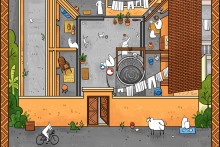
On the outskirts of an industrial town lies my dadu didar bari ‘Swarna Kutir’- a house my grandfather and his brother built for their families. It is an inverted U- shaped house. When you step inside, you have the traditional ‘uthon‘ or an open courtyard. The house is slightly elevated from the ground and you have a connecting stair to reach the main quarters. The house is supported by pillars- three cemented ones in front of the rooms and two made of wood in front of the kitchen and first bathroom. The kitchen and bathroom though cemented, still have the facade of a thatched/tiled roof. There is also a stair in front of the kitchen, so people can go to the ‘uthon’ directly from the kitchen. The space from the rooms towards the kitchen was covered. It was used as a family dining space. In earlier times, there was a wicker arm-chair next to the first room. There was a ‘tana-barada’ connecting the entire house. My grandfather and his brother named the house after their mother Swarnamoyee Dey.
There was a small door next to the dining space and before the kitchen, leading to the garden. The garden as I remember was a mad jungle of roses. There was a huge guava tree shading the house. Jackfruit, berries, and bananas were on the sidelines. There was a small door that took you out from the garden to the road. I have spent my summer vacations in my dadu didar bari. Every year, especially during book-fair, my dida used to send huge Horlicks jars full of ‘Achar’, ‘Murir moa’ and ‘Peara’ (guava) during its season.
On the right-hand side from the main door, there is the ‘Kuo’ (the family well). I still remember the sole ‘magur mach’ (catfish) in it swimming for centuries. My grandfather’s father Purna Chandra Dey also breathed his last in the house.
It was my mother who told me “the house has seen a lot. It was always full of people. No relatives, friends have ever turned away. Your grandfather was very generous. All his relatives, acquaintances from ‘opar bangla’ knew this house and was always welcome when they came over.” At one point both the brothers lived with four kids each. I have never seen my grandparents sit and live life lavishly or crib about anything, they have always been up about and busy from dawn to dusk. From the 80s the daughters started getting married and moved to their houses in different cities (my mother).
But we visited Swarna Kuthir during our summer vacation. I have always seen the magur mach (catfish) in the well. I always got the feeling that the ‘mach‘ was as old as the house. The guava tree was another permanent fixture of the house. Always bearing very tasty fruits.
The house is still there, so is the ‘Kuo‘, but the magur mach, peara gach and my dadu dida are no more…
With love,
Your Ancestor
Sender:
Anupriya Sarkar
Kolkata, West Bengal,
India
হারিয়ে যাচ্ছে আমাদের গ্রাম। হারিয়ে যাচ্ছে মাটি ও মানুষের আত্মিক সম্পর্ক। জীবন ও জীবিকার সংগ্রামে আমরা ভুলতে বসেছি আমাদের শেকড়। গ্রামের বাড়ি আজ যেন এক নস্টালজিয়া। শুধু বেঁচে আছে আমাদের স্মৃতিতে। কি রেখে যাচ্ছি আমরা ভবিষ্যত প্রজন্মের উদ্দেশ্যে? সেই শিকড়ের খোঁজে আমরা খোলা চিঠির আহ্বান জানিয়েছিলাম।
আপনি যদি অংশগ্রহণের কথা বিবেচনা করে থাকেন তবে যত তাড়াতাড়ি সম্ভব চিঠিটি প্রেরণ করুন।
CONTEXT (www.contextbd.com) and their collaborators jointly hold the copyrights of all contents including, but not limited to, all text, information, illustrations, images. You may not duplicate or reproduce any of the content on this website, including files downloadable from this website.
The ongoing global pandemic caused by the spread of the novel coronavirus has forced us to pause and reassess how we live our lives. Nationwide lockdowns were imposed by governments all over the world to ensure social distancing in order to limit the spread of the virus. Schools and universities have adapted to conducting lessons online, while several organisations have made it possible for employees to stay home and work remotely. This has resulted in many of us staying home for a longer stretch of time than what we are normally used to. The present situation thus raises the question of how we perceive the notion of home and how that notion has changed over the course of 2020.
To look closely at this unique situation surrounding domestic spaces, Bengal Institute for Architecture, Landscapes and Settlements invited submissions that expressed how each individual experiences home in the unprecedented circumstances brought upon us by Covid-19. Participants had the option to submit writings, drawings, illustrations or videos that captured their newfound realisations about home. The event was announced on the 1st of September, and submissions were accepted until 20th of September, 2020.
An overwhelming number of responses were received from various cities across the globe. Over 130 entries were submitted in the form of poems, short essays, photo series, gifs and videos, from locations as diverse as Buenos Aires, Lucerne and Houston to Melbourne, Ankara and Cluj-Napoca. All of them were displayed in an online exhibition on Bengal Institute’s website.
Among the submissions, we got a glimpse of how a little girl spends her days at home surrounded by her loved ones in Meerut, Uttar Pradesh. We received an entry of what a futuristic Dhaka would look like a century later. We saw a drawing of how two students quarantined themselves in a small room in Brussels. We witnessed the charms of a balcony in a small town in Haryana, how an artist picked up the paintbrush and filled up several canvases with works of art, and in general how private and public life blurred into one cohesive whole.
By witnessing all of these experiences, it became evident citizens of all nations affected by the coronavirus collectively faced this unexpected crisis in more or less similar manners. Those of us who were fortunate to survive this pandemic have also had the chance to document and record our experiences of how we did it. This is perhaps one of the advantages of facing a crisis in the 21st century, and hopefully, future generations will learn from the mistakes made during this pandemic and prevent something like this from happening again.
Sinem Nazli Cakiroglu , Istanbul
Entry by Sudipto Das, Bangladesh
Entry by Noam Tibi, Brussels
24/7 BED by Tript Kaur Kondal and Elif Nur Aduguzel , Mumbai and Istanbul
At all times, whether in normal or any pandemic situation, food is the basic need for living. Since urban society gets their food items primarily from the local bazaar, it holds a very special position in our daily life.
The scenario of the existing urban bazaar is almost the same in every area in Bangladesh: a shabby area under a shed with narrow alleys and congested entry and exit points. Its zoning forced the customer to pass through maximum shops in order to reach their preferred stall. Fixed shops standing shoulder to shoulder are also making it difficult to reconfigure them following public health recommendations. Again, in residential zones, the number of municipality bazaars is insufficient considering the large community it serves.
In this present scenario, it is hard to control the rush and maintain social distancing. For this, it is important to increase the number of bazaars but at the same time, Dhaka lacks vacant land. Also, outdoor public places of diverse uses and green areas are on-demand in urban settings for the betterment of health and the environment. Therefore, considering the reality of land scarcity, it is necessary to think of a practical alternative.
Inspired by the informal periodic bazaar on rickshaw van in Dhaka, the proposal explores a modular, mobile, and multifunctional, outdoor arrangement of bazaar square as a temporary supplement of conventional, congested, covered municipality markets. In the arrangement, it is a periphery bazaar with suitable circulation and central green space which can be operated along with the municipality bazaar to serve the neighbourhood both socially and environmentally. The arrangement provides the flexibility of uses and has the ability to self-organize to match with the existing configuration of the site. At a particular time of the day, the mobile carts flock together around an existing public open space while maintaining the recommended social distance. The rest of the day it roams around the neighbourhood roads to serve the inhabitants. Each individual shop can be any kind of portable cart that may have been fully packed as one box and move to any place after serving its purpose. This scheme will control people’s rush which will reduce the spread of viruses through human contacts, hence will be beneficial for the community.
Possible various configuration of the proposed Bazaar cum vaccination camp
The basic design involves primarily an allocation scheme of various sizes, colored poles, which will indicate placement of shops and people dealing in the place. Colored poles can be used to define the functional zone and indicate the services through a flag attached to it so that people can notice from a far distance. Those flags can be easily changed with different signage according to necessity. The color-changing sensor-based blocks (2’x2’) may be used for pavement indicating safe distance.
In the morning, it will be a periphery bazaar with daily necessary goods and in the evening, the central part will act as a park again that people can use for physical activities. It will help them to improve their immune system. During any pandemic situation, this structure can be converted into a vaccination center. According to WHO, open vaccination helps reducing infectivity cases during the pandemic as closed hospitals are most vulnerable. Once invented and arrived in our country, fast construction of individual vaccination center is critical, this space will provide a way out. Those poles will function as a frame structure for the vaccination center to hold the temporary enclosure with minimum cost and time. Those Indicator flags will have necessary signs according to treatments, vaccinations, or medications. During the lockdown, this space can be used to entertain surrounding people with music, light shows, or visual program by projecting through screen attached to long poles. As people cannot move out for recreation during this time, they felt frustrated, so it will help them not to lose hope and feel positive.
Md. Ibrahim Badhan has completed B.Arch from North South University (NSU) and is currently doing M.Arch from Bangladesh University of Engineering and Technology (BUET).
Contribution: Design idea & Illustration.
Rubaiet Sharmeen Sornali has completed B.Arch from North South University (NSU) and is currently doing M.Arch from Bangladesh University of Engineering and Technology (BUET).
Contribution: Design idea & Narrative.
Anmul Paul Dhruba hascompleted B.Arch from North South University (NSU).
Through design and implementation of Aarong outlets across the country, ARCHVISTA has set their marks in retail design. QRIUS outlet is the newest addition to ARCHVISTA’s success stories. The design idea of the two-storied Mirpur outlet of QRIUS, with Dekko Legacy Group (DLG), was to explore the fusion of Bangaliana and the global culture, inspired by their avant-garde fusion-based lifestyle.
The retail interior design was commissioned to ARCHVISTA, who has accomplished some significant projects, such as UNICEF, UN Women, Reckitt Benckiser, Headquarters of Bombay Sweets, ACI office, a number of Aarong outlets, etc. Lead by the Principal Architect Md. Mamun Ar Rashid, the team of Zakia Sultana Nira, Tasnia Tabassum and Mehedi Zaman was assigned this project in September 2019 and handed it over in February 2020.
Located at the densely populated Mirpur, Sector-2 on Sony Cinema Hall Building, one of the challenges the design team confronted was to make the outlet stand out amidst its neighbours of renowned franchises. The team came up with the idea of draping the front facade with the pattern of a Jamdani Sharee.
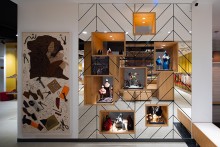
The existing monolithic 8 feet wide internal staircase in the outlet acted as the integral significant elements of the interior design. Efforts were made by the architects to bring its raw beauty to a maximum. The escalier enabled some playfulness with mirrors and display shelves too. Along one side of it, a shelf has been built that supports different accessories, adjacent to a mirror which enables all the customers to take a glimpse of the products from almost all corners of the outlet.
Once inside, a kaleidoscopic effect becomes evident with the active interaction of patterns, mirrors, textures and colours. This interplay of the elements in textured vertical surfaces, lightings, and shadow results in the formation of a backdrop for showcasing and complimenting the products. Being held together by an existing monolithic staircase, both the levels share vibrant yet subtle semiotic relations with ranges of products. The display shelves, made of contemporary materials that represent the local craftmanship, in alignment with the mirrors, form a composition that incorporates the products as elements of designs.
The pattern game stricks with the depicted ceilings. Furthermore, segments of the ceiling are organized in a checkerboard arrangement with lucrative elements imitating a jamdani pattern, concealing the lights underneath. Illuminating the place properly giving the impression of the continuation of the jamdani design in the front façade onto the dropped ceilings of the interior all the way down to the cash counter.
Attention was paid to the entrance and exit of the outlet not only as an attempt to secure the place but to address an internal conflict in circulation. The core of the building lies right in the middle of both the entry and exit points (fig ). The designers had to address this predicament by making the core a part of the QRIUS outlet rather than a separate distinctive circulation path. An illuminating exclusive display was installed perpendicular to the entry point in order to make it more vibrant and welcoming.
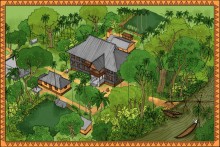
আজ তোমাকে এক সুন্দর গ্রামের গল্প শোনাব। আমার গ্রাম , গ্রামের বাড়ি, পরিবেশ, প্রকৃতি সবকিছুর গল্প। আমার গ্রামের বাড়ি ‘নৈকাঠি’ । ঝালকাঠির ছোট্ট শহর থেকে তিন মাইল দূরে আমার গ্রাম। জীবনানন্দের ‘ধানসিঁড়ি’ ‘সুগন্ধা’ নদী দিয়ে ছিল আমাদের যাতায়াত। নৈকাঠি এক ছায়াসুনিবিড় খালের পাশেই আমাদের বিশাল কাঠের বাড়ি। ছোট বড় সব মিলিয়ে ষোল রুমের দোতলা বাড়ি। আমাদের একান্নবর্তি বড় পরিবারের স্থান সংকুলানের জন্যই হয়তো এমন বড় বাড়ির পত্তন। অজস্র নারকেল, সুপারি, বাতাবিলেবু, লেবু, আমড়া, দেশীগাব, বিলেতিগাব, চালতা, আতা এমনকি তেজপাতা আর দারুচিনি গাছও ছিল। আর একটা স্বগীর্য় জিনিস ছিল আমাদের বাড়িতে; তাহলো আমার চাচার বসরাই গোলাপ বাগান। অজস্র গোলাপি রংয়ের গোলাপ আর তার সুবাস। সারাবাড়িটা সেই গোলাপের গন্ধে আমোদিত থাকতো। বাড়িতে ছিল গৃহপালিত প্রাণী। যেমন হাঁস, মুরগি, কবুতর আর দুধেল গাই।বাড়িতে ছিল দুটি পুষ্করিণী। একটা ভিতর বাড়িতে আর একটা কাছারি ঘরের পাশে। কাছারি ঘরছিল মূল বাড়ি সংলগ্ন। অতিথিদের থাকা খাওয়ার ব্যবস্থা সেখানেই।
আমাদের বাড়ির প্রধান বৈশিষ্ট্য ছিল এর মেঝে। মেঝে ছিল সিমেন্ট রেডঅক্সাইড মেশানো ঝকঝকে। ফ্লোর সাড়ে তিন ফুট উঁচু ইট সিমেন্ট এর ভিটার উপর। দোতলায় ছিল কাঠের সুনির্মিত পাটাতন আর উপরে টিনের চালা।দোতলায় সামনে পিছনে নক্সা করা সুন্দর ব্যালকনি। বর্তমান ডুপ্লেক্স কায়দায় ডাইনিং স্পেসের পাশ দিয়ে রেলিং ঘেরা দোতলায় ওঠার সিঁড়ি। রান্নাঘর ছিল মূল বাড়ি থেকে পাঁচ ফুট দূরে আলাদা চালার নিচে। এই রান্না ঘর ঘেঁষেই ছিল শুকনো কাঠ রাখার আর একটা ঘর। এছাড়াও রান্নাঘরের পাশেই আর একটা রান্নাঘর জায়গা, যা ছিল খোলা আকাশের নীচে। এটা ছিল শীতকালীন ব্যাবস্থা। শীতকালে যাবতীয় রান্না, পিঠেপুলি সব এই রান্নাঘরেই। এর পাশেই ছিল একটা ঢেঁকিঘর, যেখানে চালের গুরা, ধানভানা এসব কাজ হতো।
রান্নাঘরের লগোয়া ছিল ভিতরের পুষ্করিণী। এটা ছিল বাড়ির মেয়েদের জন্য। এছাড়া মূল ঘরের লাগোয়া ছিল শৌচাগার আর গোসলের ঘর। বাইরের পুষ্করিণীটি ছিল কাছারিঘরের কাছেই। অনতিদূরে ছিল হাঁস, মুরগি আর গোয়ালঘর আর কবুতরের ঘর। বাড়ির সামনে সিঁড়ির দুপাশে ছিল পুকুরের ঘাটের মতো বেশ বড় আয়তনের সিমেন্ট বাঁধানো বসার জায়গা। তারপর সামনেই গোবরে লেপা বিশাল উঠোন। বিকেল বেলা জ্যোতস্নারাতে প্রতিবেশীদের সাথে এমনকি দূর থেকে আসা গ্রামবাসীদের অনেকেই আসতো তাদের সুখ দুঃখের কথা নিয়ে নির্ভেজাল আড্ডার লোভে। আর এক অনুসংগ ছিল গুড়ের চা। বাড়ির সেই বিশাল উঠোন ছিল আমাদের খেলার জায়গা। ধান, ডাল, মরিচ, নানা শস্য শুকানোর জায়গা। উঠোনের এক প্রান্তে ছিল পানীয় জলের টিউবওয়েল। প্রতিবেশীদের জন্যও যা ছিল অবারিত।
বাড়ির একটু দূরেই ছিল পারিবারিক কবর স্থান, মসজিদ আর মসজিদ সংলগ্ন পুষ্করিণী। অজস্র গাছপালা ঘেরা বাড়িটাকে কেমন যেন ছায়াসুনিবিড় মনে হতো। অজস্র পাখির কলকাকলিতে সদা মুখর। ঋতু বৈচিত্র্য গ্রামের বাড়িতে যতটা অনুভব করা যায় তেমন আর কোথাও না। বৃষ্টির দিনে টিনের চালে বৃষ্টির শব্দ, শরতের নির্মেঘ আকাশে অজস্র উজ্জ্বলতারা, যা শহরে কখনোই এমন করে চোখে পড়েনা। আর শীতে কেমন জড়োসড়ো অবস্থা।গ্রামের শীত শহরের থেকেও আরো বেশি অনুভূত হয়। বাড়ির পাশের খালে জোয়ারের সময় নৌকা চলতো আবার ভাঁটার সময় খুব ক্ষীণস্রোতা। খালে পুকুরে মাছধরা, সাঁতার কাটা এইসব স্বগীর্য় আনন্দ থেকে তোমরা আজ বঞ্চিত ।বাড়ির কাছের খাল, খালের উপর সাঁকো । খালের পাশে ‘পাইতরা’ গাছ, যা দিয়ে শীতল পাটি বোনাহয়। বাঁশঝাড় আর কতো নাম না জানা গাছের ঝোঁপ। এসব দেখেই আমার শৈশব কেটেছে।
নানুভাই, এ চিঠিতে আমার গ্রামের বাড়ির যে বর্ননা দিলাম, যে চিত্র আঁকার প্রয়াস তা তুমি কি কিছুটা বুঝতে পারছো ? আমাদের শৈশব এইসব নিঃসর্গ আর প্রতিবেশ নিয়েই রচিত। আজ যান্ত্রিক জগতের নানা আয়োজন, নানা বিনোদন উপকরণ, কিন্তু কোনো কিছুর সাথেই এই আনন্দের তুলনা হয় না। বাথটাবে তো আর পুষ্করিণীর মতো সাঁতার কাটা যায় না। এখনও যা কিছু আছে, কিছুটা ভগ্নদশা, তবু তোমাকে নিয়ে একবার নৈকাঠি যাবার ইচ্ছা আমার।
ইতি,
নানুভাই।
Sender:
Shahed Hossain
MA. in Sociology, Dhaka University
Age: 70
Occupation: Business
Place of origin: Greater Barisal
Information of Ancestors: Talukdar family
Location of the native house: Naikathi village, Keora union, Jhalakathi district, Barisal
Time of establishment: 1955-56
Time of demolition: 2007
Rural Homestead of Shahed Hossain | Source: Shahed Hossain, Presentation by Saad Ben Mostafa
Illustration by Saad Ben Mostafa
Courtesy: We are thankful to Architect Alia Shahed, daughter of Shahed Hossain, for her collaboration.
আপনি যদি অংশগ্রহণের কথা বিবেচনা করে থাকেন তবে যত তাড়াতাড়ি সম্ভব চিঠিটি প্রেরণ করুন।
CONTEXT (www.contextbd.com) and their collaborators jointly hold the copyrights of all contents including, but not limited to, all text, information, illustrations, images. You may not duplicate or reproduce any of the content on this website, including files downloadable from this website.