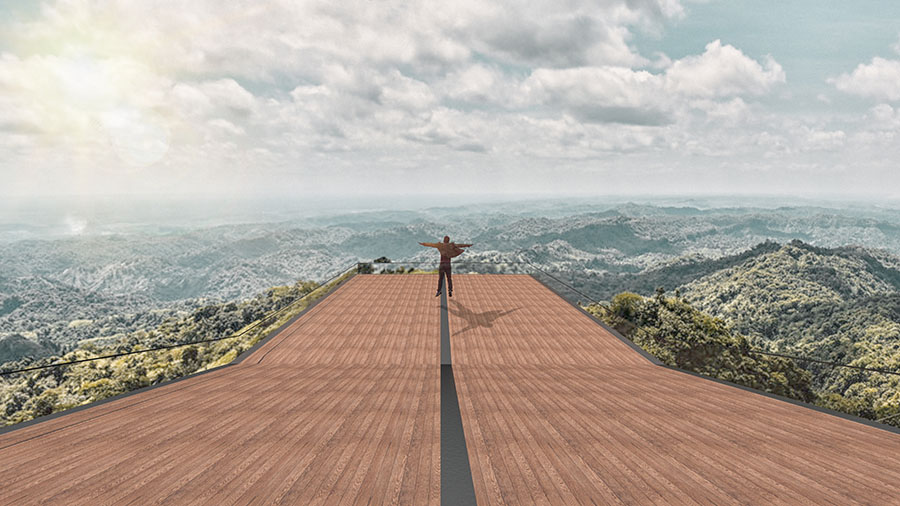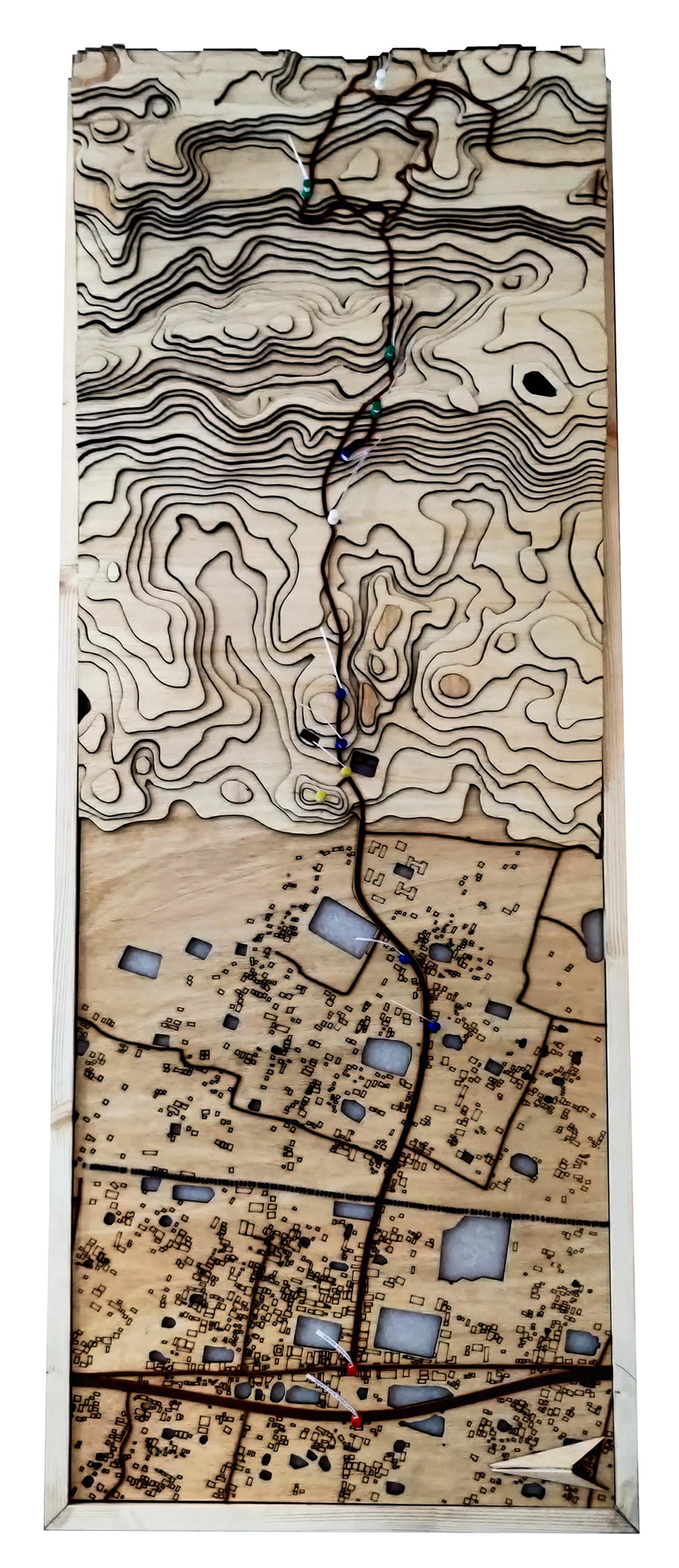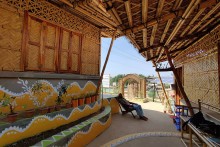
Echoes of the Estuary: A Tourism Center at Hatiya Dwip

World Environment Day 2026

Urban [Re]Stitch

জরুরি সময়ে অস্থায়ী হাসপাতাল | Field Hospital during COVID-19 Emergency

In the wake of the coronavirus crisis, a number of innovative ideas surfaced globally to ease the pressure on the existing health infrastructure. Among others, ICU pods made from shipping containers designed by Italian architects Carlo Ratti and Italo Rota, or the conversion of train coaches into isolation wards by the Indian Railways are mentionable. This article, written by the Architecture students of SUST, draws out the implications of these ideas in the Bangladesh context.


COVID-19 কে মোকাবেলা করতে প্রবল চাপের মুখে পড়েছে বিশ্ব স্বাস্থ্য ব্যবস্থাপনা। প্রায় 5.21 মিলিয়ন কেস বিশ্বব্যাপী যা বেড়েই চলেছে ( until 23 of May, 2020)। স্বাস্থ্যকর্মীরা আরও উদ্বিগ্ন এর দ্রুত সংক্রমণ নিয়ে যা কিনা ভয়ংকর সংকট তৈরি করছে চিকিৎসা সেবায়। ইতোমধ্যেই আমরা ইতালি, স্পেন, চীনের মতো অনেক দেশকেই দেখছি করিডোর, অস্থায়ী তাবু, এমনকি রাস্তায় শুধু চাদর বিছিয়ে দিতে; হাসপাতালগুলোর শয্যা পূর্ণ হয়েছে অনেক আগেই। ডিজাইনার, স্টার্ট আপ থেকে শুরু করে বড় বড় ফ্যাশন হাউস, অ্যালকোহল ব্র্যান্ডসহ বিশ্ব সম্প্রদায়ের অনেকেই যথাসাধ্য সাহায্য করে যাচ্ছে স্বাস্থ্য ব্যবস্থাপনাকে। ইটালিয়ান স্টার্ট আপ Isinnova ভেন্টিলেটরের জন্য 3D প্রিন্টেড ভালভ তৈরি করেছে, বিতরনের জন্য কার্বন নেগেটিভ হ্যান্ড স্যানিটাইজার তৈরি করেছে নিউইয়র্কের স্টার্ট আপ Air Co., Kering (Gucci’র প্যারেন্ট কোম্পানি) অর্থ সাহায্যের পাশাপাশি প্রস্তুত রেখেছে তাদের প্রোডাকশন লাইনকে যেকোনো প্রয়োজনীয় সামগ্রী তৈরির জন্য। তবে এই মুহূর্তে ভ্যাকসিনের পাশাপাশি সবচেয়ে বড় চাওয়াটাই হলো হাসপাতালের শয্যা। বিশেষ করে ICU. কেননা যা আছে তা চাহিদার আশেপাশেই নেই। যেমন যুক্তরাষ্ট্রে ১০০০ মানুষের জন্য শয্যা ২.৮ টি, ভারতের মতো জনবহুল দেশ যার জনসংখ্যা প্রায় ১.৩ বিলিয়ন সেখানে ১০০০ জনের জন্য শয্যা ০.৫ টি। এই সময়ে আন্তর্জাতিক কোনো স্ট্যান্ডার্ড নেই যে একটি দেশে হাসপাতালে কতগুলো শয্যা প্রয়োজন। ইটালিতে ১০০০ জনের জন্য শয্যা ৩.২ টি যা যুক্তরাষ্ট্র বা ভারতের চেয়ে বেশি; এরপরও তারা পরে গেছে এমন এক বাস্তবতায় যেখানে শুধু তাদের চিকিৎসা দেয়া হচ্ছে যাদের টিকে যাওয়ায় সম্ভাবনা তুলনামূলক ভাবে বেশি, কেননা অভাব আছে সরঞ্জামের। এই বীরেরা তাদের সাধ্যের মধ্যে করে যাচ্ছেন সবই। কিন্তু দ্রুত সংক্রমন ঠেকানোর তাদের এই প্রচেষ্টা পন্ড হয়ে যাবে নিমেষেই যদি কিনা স্বাস্থ্যসম্মত নাহয় সেবার জায়গাটি। আর তাই কিনা ইটালিয়ান স্থপতি Carlo Ratti এবং Italo Rota বের করলেন সমাধান, যেখানে শিপিং কন্টেইনার গুলোই হবে ICU pod (1)

এই ICU পডগুলিকে বলা হচ্ছে CURA (Connected Units for Respiratory Ailments). যা কিনা Cure এর ল্যাটিন প্রতিশব্দ! বিশেষ করে ইটালিতে হাসপাতাল গুলোর বাড়তি চাপ নেবে এগুলো। Ratti Studio, Carlo Ratti Associati এবং MIT Senseable City Lab এই CURA ইন্টেনসিভ কেয়ার পডগুলো দিয়ে তৈরি করছে “মোবাইল ফিল্ড হাসপাতাল”, যেগুলো একই সময়ে দু’জন রোগীর জন্য বায়োকন্টেইনমেন্ট ইউনিট হিসেবে কাজ করবে। CURA দলটি মিলানে তাদের প্রথম প্রোটোটাইপ হাসপাতালটি তৈরি করে। “এর উদ্দেশ্য বিশ্বব্যাপী শহরগুলোতে খুব দ্রুত এর স্থাপন যোগ্যতা যা ICU সংকটের একটা তাৎক্ষণিক প্রতিক্রিয়া হিসেবে কাজ করবে। এই ইউনিট গুলো তাবুর মতো খুব দ্রুতই সেট করা যায়। সবচেয়ে বড় কথা, নিশ্চিত করা যায় হাসপাতাল স্তরের স্বাস্থ্যবিধি যা তীব্র শ্বাসকষ্টে ভোগা রোগীদের নিবিড় পর্যবেক্ষণের জন্য ব্যবহার যোগ্য। পাশাপাশি এটি আরও নিশ্চয়তা দেয় স্বাস্থ্যকর্মীদের সুরক্ষিত কর্ম পরিবেশের। CURA দলের একজন মুখপাত্র জানান, “বিশ্ববিস্তৃত এ মহামারী যে পর্যায়েই পৌছাক না কেনো, এটি ধরেই নেয়া যাচ্ছে আগামী কয়েক মাসের মধ্যে প্রয়োজন হবে আরও ICU এর।”

CURA এর নকশার মূলনীতিঃ

Source: Architect Carlo Ratti and Italo Rota


শিপিং কনটেইনার দিয়ে তৈরির পড (pod) গুলো খুব দ্রুতই জুড়ে দেয়া বা আলাদা করে ফেলা যায়। জরুরি অবস্থায় শিপিং কনটেইনার দিয়ে তৈরি ICU সড়ক, রেল ও জলপথে খুব দ্রুতই দেশের এক প্রান্ত থেকে অন্যপ্রান্তে নিয়ে প্রয়োজন অনুযায়ী স্থাপন করা যাবে। ৬.১ মিটার দীর্ঘ (প্রায় ৮’x৮’) কনটেইনার গুলোকে ইউনিট হিসেবে ধরে নকশা করা হয় যার ভেতরে নিন্মচাপ তৈরির জন্য কৃত্রিম বায়ু – চলাচলের ব্যবস্থার রয়েছে, সাথে সাথে যা কলুসিত বায়ু নির্গমন রোধ করে। এর মাধ্যমে স্বাস্থ্যকর্মীদের মধ্যে রোগ সংক্রামণ সম্ভাবনা হ্রাস পাবে, যারা সবচেয়ে ঝুকির সম্মুখীন হয় প্রতিরক্ষামূলক যন্ত্রপাতির স্বল্পতার কারনে। এটি হাসপাতাল ও পরীক্ষাগারে ব্যবহৃত প্রচলিত পদ্ধতি। স্থপতিরা CURA এর নকশায় বায়ুবাহিত সংক্রামক আইসোলেশন কক্ষের (AIIRs) মান বজায় রেখে পড গুলোর নকশা করেন। প্রতিটি ICU pod এ এক সাথে দু’জন করোনা ভাইরাস (COVID-19) আক্রান্ত রোগীকে নিবিড় পর্যবেক্ষণের প্রয়োজনীয় চিকিৎসা সরঞ্জাম থাকবে। CURA এর সবচেয়ে উল্লেখযোগ্য ও কার্যকরী অংশটি হল এর একক(unit) বা কোঠা ভিত্তিক (modular) নকশা। প্রতিটি পড (pod) একা একা কিংবা একাধিক পড (pod) বেলুন সদৃশ কাঠামোর মাধ্যমে সংযুক্ত করে বৃহৎ নিবিড় পর্যবেক্ষণ কেন্দ্র গড়ে তোলা সম্ভব। নকশা করার ক্ষেত্রে এটা পরিকল্পনায় ছিল যে, এগুলোকে হাসপাতাল অবকাঠামোর সম্প্রসারণ হিসেবে পার্কিং এলাকায় স্থাপন করা হবে। এমনকি প্রয়োজন সাপেক্ষে মাঠের মধ্যে বিন্যস্ত করে “মাঠ হাসপাতাল” গড়ে তোলা সম্ভব। “CURA এর লক্ষ্য অস্থায়ী বা জরুরি সমাধান হিসেবে মাঠ হাসপাতালের কার্যকারিতা উন্নত করা এবং পৃথিবীব্যাপি চলমান মহামারী মোকাবেলার উপযোগী করে তোলা”, ব্যাখ্যা করল সম্মুখ যুদ্ধে কঠোর পরিশ্রমে লিপ্ত দলটি।

বাংলাদেশের প্রেক্ষাপটে মাঠ হাসপাতালঃ

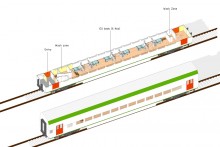
Plan of railway carriage as emergency field hospital ©Amlan Kumar Dey
Section ©Amlan Kumar Dey

বাংলাদেশ এবং তৃতীয় বিশ্বের দেশ গুলোর স্বাস্থ্য ব্যবস্থাপনা COVID-19 এর মত প্রতিকুল পরিস্থিতি মোকাবেলায় কতটা প্রস্তুত তার চেয়েও গুরুত্বপূর্ণ হল সংক্রামক নিয়ন্ত্রণে আমরা কি কি পদক্ষেপ নিচ্ছি। জরুরি অবস্থায় হাসপাতালের ধারন ক্ষমতার চেয়ে বেশি রোগী অস্বাভাবিক কিছু নয়। আমরা চাইলেই অস্থায়ী কাঠামোর মাধ্যমে হাসপাতালের ধারন ক্ষমতা বাড়াতে পারি কিংবা নতুন মাঠ হাসপাতাল স্থাপন করতে পারি। শিপিং কনটেইনার, রেলের বগি, তাবু, বাঁশ অথবা প্লাস্টিক কনটেইনারের তৈরি অস্থায়ী কাঠামোর মাধ্যমে অতিরিক্ত রোগীর চাপ সামাল দিতে পারি। যেমন রেল স্টেশনের পরিত্যাক্ত জমিতে রেলের বগি দিয়ে খুব সহজেই গড়ে তুলতে পারি অস্থায়ী হাসপাতাল। প্রাথমিক বিদ্যালয়,পার্ক কিংবা খেলার মাঠ গুলোতেও জরুরি হাসপাতাল স্থাপন সম্ভব।

Model

Schematic layout ©Amlan Kumar Dey

ধরা যাক রেলের বগির কথা, রাষ্ট্রায়ত্ত সম্পদ হিসেবে শুধু সহজলভ্যতাই নয়, রেল বগিগুলো গঠনগত কারনেও অত্যন্ত সুবিধাজনক। প্রায় ৭০০ বর্গফুটের একটি বগি অনায়াসে ৬ জনের জন্য একটি ICU unit হতে পারে যাতে থাকছে ২টি টয়লেট। প্রয়োজন অনুযায়ী এর ভেন্টিলেশনও নিয়ন্ত্রণযোগ্য। ডাবল ডোর এর গ্রহনযোগ্যতা বাড়ায় ICU unit বা Biosafety Level 3 Laboratory হিসেবে। সাথে নিয়ন্ত্রণযোগ্য জানালা, দরজা তো থাকছেই। পূর্ব হতেই বিদ্যমান বৈদ্যুতিক ও পানির সংযোগ কাজকে করে দেবে আরও সহজ। সব মিলিয়ে এটি নিঃসন্দেহে সহজলভ্য ব্যবহারযোগ্য একটি অপশন।

7_COVID 19_ FIELD HOSPITAL

ক্ষেত্রভেদে শিপিং কনটেইনার এর ব্যবহার (adapted CURA model in local context) | collage by Amlan Kumar Dey


নিঃসন্দেহে পেশাদার স্বাস্থ্যকর্মীদের মত সাহসী আবদান না রাখতে পারলেও বিশ্বের প্রতিটি ব্যক্তিকে তার ভূমিকা পালন করা প্রয়োজন- স্থপতি, প্রকৌশলী, সৃজনশীল পেশাদার, নির্মাতা, স্টার্ট আপ, ব্র্যান্ডস সবাই কে আহ্বান করা হচ্ছে মানবজাতির এই প্রয়োজনে তাদের নিজ নিজ অবস্থান থেকে যে কোন ধরণের সেবা দিয়ে সাহায্য করার জন্য। আর যদি আপনার উৎসর্গ করার কিছু নাও থাকে তারপরও আপনি সমান ও শক্তিশালি ভূমিকা রাখতে পারেন সংক্রামক মহামারীর ক্রমবর্ধমান দাপট থামিয়ে দিতে এবং আপনি তা পারেন খুব সহজেই ঘরে বসে থেকে, ব্যাক্তিগত পরিষ্কার পরিচ্ছন্নতার মাধ্যমে।

Reference:

1.Shipping containers repurposed into portable ICUs to help health professionals fight Covid-19


About the Author: Abdus Satter Tuhin, Nuuhash Akando and Amlan Kumar Dey are the students of Architecture at Shahjalal University of Science and Technology (SUST), Sylhet, Bangladesh.


Context contributor: Mohaimin Ali Khan,  student, Dept. of Architecture, SUST. 


Abode of Enlightenment: University of Pandit Vihara | BUET

Thousand years ago, on the era of Buddhism in Bangladesh, Pandit Vihara (Pandit Pagoda) was built at Anwara Upazila in Chittagong. It was one of the most important Pagodas among the four (Takshashila University, Nalanda University, Sompur Vihara) in historical India which is lost over time. Pandit Vihara was basically the hub of knowledge and Buddhist culture.

Growth of Buddhism © Atiya Nusrat | BUET
River map location of Vihara © Atiya Nusrat | BUET


The institution was one of the most prestigious universities and Buddhist monasteries of ancient India of the 8th century. During the reign of Pala Kings (8th – 12th century) in Bengal, Dharmapal – the 2nd King of Pala period, established a number of monasteries inspired from Nalanda Mahavihara from Gupta dynasty which was then a city. During Pala dynasty (7th century BCE – c. 1200 CE) Nalanda spread its fame as a learning center. Other notable 50 monasteries were established throughout the whole Bengal inspired by Nalanda Vihara. The Pandit Vihara was one of them. After the ruination of Nalanda, Pandit Vihara was the main center of Buddhist studies. The edifice had been destroyed during Mughal period.

Historical timeline and vihara morphology © Atiya Nusrat | BUET


To follow the footsteps of the revival of the ancient Nalanda University, a decision has been taken by the government to establish the Pandit Vihara University in Chittagong. The idea of the project is to restore the glorious past of Bangladesh. The university will be a platform to celebrate the past by present and future generations.

This project aims to design an academic campus reminiscing the concept of ancient Buddhist Vihara at Nalanda University. Following the footsteps of the revitalization of this ancient university, a decision has been taken by the government to form the Pandit Vihara University in Anwara Upazilla, Chittagong.

The main idea of the project is to build a modern Buddhist Vihara university of 21 century where the campus will be equipped with all modern amenities in a sustainable way while giving the essence of ancient Buddhist Vihara.

Masterplan © Atiya Nusrat | BUET
© Atiya Nusrat | BUET


The masterplan is generated following the orderly layout of great Nalanda where the faculties and classroom are aligned with the central avenue of learning giving direction. All the designed edifies are originated from the basic Kushana Pattern in which each of the structures possesses the substance of Buddhist monastery.

As no archeological excavation was carried out in this place in search of Pandit Vihara, no reference had been found which to follow to design the new campus. However, a strong historical connection can be traced back between the Nalanda University and the monasteries built by the Pala Empire in Bengal. So, Nalanda University has been taken as the architectural reference for the new monastery.

The designed university offers a platform to acknowledge the past by the involvement of present and future generations. The challenge was to accommodate a substantial programme with both academic and residential facilities in a high contour site. The design has been evolved considering two strong axis running from east-west and north-south while the entry of the campus is from north holding a historical background.

Library and Museum© Atiya Nusrat | BUET
Academic building © Atiya Nusrat | BUET
© Atiya Nusrat | BUET
Dormitory © Atiya Nusrat | BUET


The university comprises three faculty buildings: faculty of Arts, Science and Fine Arts. Theory classrooms were purposefully designed and placed at common building so that they can be used around the day using the shifting system to reduce space allocation and increase the effectiveness of spaces. Strategically, the library, center of the educational institution placed at the origin of the two axes and at the highest point of the site; keeping in mind the vision and power of knowledge. The purpose of the museum placed beneath the library is not only to acknowledge and portray the history of Buddhist monasteries over centuries but also to claim the 66 Buddhist statues and shrine which is now in Indian museum to its origin.

 Library-Museum-Courtyard© Atiya Nusrat | BUET
Library-Museum-Courtyard© Atiya Nusrat | BUET
© Atiya Nusrat | BUET


The series of spaces lies in the spatial organization harmonizing with the descending contour. The process of designing Classrooms and studios are focused in the climatic context where there are provisions and scope for cross ventilation and daylighting facilities. Materials and structural systems were chosen based on contextual ambiance, an environmental sensibility and formal appearances. This project thus creates a connection between the past and present by its space making through layers from outside to inside, ordering ideas, massing, structural definition and relationships between buildings to context.

| More images| 

  • Abode-of-Enlightenment
  • Abode-of-Enlightenment
  • Archeological-Findings

Urban transformation of informal mix in Dhaka

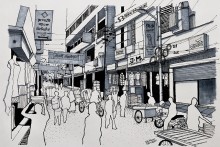
Today, the street sides of Dhaka are lined with rows of shops, restaurants, and cafes along with offices, workshops and/or residents upstairs. This pattern is evident across the city – along the major roads and in many inner lanes of residential mohallas. Academically, this type of development of diverse functions is termed as ‘mixed-use function’ or ‘functional mix’. Like many other cities of Southeast Asia these functions have also largely developed in Dhaka in an informal way.

Western scholars favoured mixed-use function for its socio-economic benefits including its role in ensuring vitality, efficient use of land, reducing the need for travel, increasing a sense of security, building a cohesive community, and the like. Interestingly, in cities of South Asia, there is widespread criticism that the unplanned intricate mix including the incompatible merge of functions is bringing challenges to the community life (Nahrin, 2008; Ratnayake, 2015; Mitra and Mitra, 2015; Verma, 1993; Raharjo, 2005). Dhaka, being one of the densely populated cities in South Asia, is not an exception. Dhaka is dominated by an extensive informal mix that exists within the formal framework of the city. It has emerged incrementally through the micro-adaptation and intensification process over time. At present, the extent and nature of informal mixing have created a composite land-use pattern. Further, the incompatible mix of hazardous functions with residential and other uses which is particularly evident in the historic core of Dhaka presents a special challenge in managing urban fire risk.

The functional mix of Dhaka has largely been self-governed. Here, the policies to regulate the urban functions surfaced much later. The renewed building regulation in 2008, provides the rules to regulate different types of functions (residential, commercial, institutional, industrial, health care, etc.), however, it doesn’t offer exclusive regulations for mixed-use buildings. Further, these regulations do not specify the types of uses that mixed-use buildings should accommodate in different residential and non-residential areas. Despite the significant development of mix in Dhaka, the master plans have not reflected its spatial distribution across the city until soon after 1995. In the Urban Area Plan 1995-2015 of DMDP, the land-use of the whole of Dhaka has been identified as ‘predominant mixed-use functions’, including existing mixed-use areas, along with areas that have the potential for future development as mixed-use. Eventfully, in the Dhaka Structural Plan 2016-2035, only 0.59% of the area of the city has been identified as mixed-use, which contradicts the previous 1995-2015 plan. In the Structural Plan 2016-2035, only the current first CBD and some parts of Old Dhaka have been identified as mixed-use areas. In the DMDP 1995-2015, the informal mixed-function was mapped by the Planning Authority, however, the Authority was apathetic about further acknowledging mixed-use functions for their informal status. Consequently, the accurate locations of the informal mixes were not presented in the Structural Plan 2016-2035. Inconsistency in decision-making among the various development authorities is also observed. For instance, in 2016, the Government declared that all unauthorized businesses should be evicted from the residential areas. Accordingly, Municipal Authorities carried out the demolition program to evict informal shops and street markets from time to time.   Later in early 2019, an amendment was issued by the Planning Authority that ceases the decision.  Considering the large growth of informal mixed-use functions and their necessity in the entire city, the renewed policy dissolves the discreet functional zoning in the city and declares all of Dhaka as mixed-use.    

Fig 1A: 1998 © Dr. Fatema Meher Khan
Fig 1B: 2003 © Dr. Fatema Meher Khan
Fig 1A: 2017 © Dr. Fatema Meher Khan

Fig 1: Transformation of functional mixes in Islampur Road, Old Dhaka (1998-2017)


Due to its informal, unplanned and adaptive nature, the urban form of mixed-function in Dhaka is complex and not alike. For instance, the pattern and building form of mixed-use development in old and new Dhaka show significant differences. Islampur, a business district in Old Dhaka, was historically mixed, which further expanded significantly across the site. Over time, the locational importance as a traditional business centre and market demand has influenced the growth of mixed functions here (Fig 1A, 1B, 1C). In contrast, like other planned residential areas, mixed-functions in Uttara emerged over time through informal processes of land-use changes (Fig 2A, 2B, 2C). Eventually, a few roads were declared ‘commercial’ through the amendments of building regulations to formalise the mixed functions that have already been developed there. The lack of community facilities during the early development and weak monitoring by the related authority are the possible causes of informal mixes in this area.

Fig 2A: 1998 © Dr. Fatema Meher Khan
Fig 2B: 2003 © Dr. Fatema Meher Khan
Fig 2C: 2017 © Dr. Fatema Meher Khan

Fig 2: Transformation of functional mixes in Uttara Residential Model Town (1998-2017)


The current development of mixed functions (Fig 1C and 2C) in Islampur and Uttara shows that large-scale public functions like wholesale shops, super shops, shopping malls, go-downs/storages,  banks, and diverse offices are more evident along the major roads, while the inner lanes mainly contain small-scale shops, workshops, and private offices attached with residences upstairs. In Islampur, the mixed-functions show a distinct characteristic in terms of the organisation of functions at the community level. Shops containing specialised products are usually clustered in different streets. Historically, in Old Dhaka, particular traders’ communities used to live in groups. A similar trend of grouping alike functions has been followed until now, which creates a particular street character and image to users. For example, Islampur Road, along with Shankhari Bazaar and Tanti Bazaar present the tradition of fine craftsmanship in cloth, gold and silver jewelry, ivory carving, etc. Some inner lanes also contain similar types of workshops and light industries grouped together. Overtime, hazardous functions like flammable chemical storages were mixed with residential and non-residential uses and eventually have exposed the users to serious fire hazard risk.

Conversely, in Uttara, diverse shops and offices are concentrated at different locations. Another difference in the functional mix between these two areas lies in its organisation in the building level. In Islampur, due to extensive functions, non-residential uses are organised vertically along with residences. A good number of buildings in this area are narrow and elongated, perpendicular to the street. In the organisation of shops, workshops, go-downs, and offices, generally, the building floors are divided into several units to accommodate multiple functions along internal corridors. Such arrangements are evident across the full depth of the buildings on multiple floors. Generally, a shared/mixed entrance for different uses is evident for such a building layout. However, mixed entries that have common or shared circulation spaces for visitors and residents are problematic, as they compromise the required privacy of residences. Single mixed entry is also hazardous during an emergency event. Conversely, in Uttara, non-residential uses are still organised horizontally along the street interface because of their lesser quantity. Separate entrances for residential and non-residential functions are also apparent here.

Therefore, it can be argued that the informal mix in Dhaka has two-sided impacts. It has both advantages and challenges. In fact, neither the functional mix nor its informality is always problematic, but informal building practices of mixed functions like mixing of incompatible uses, vertical growth and integration of non-residential functions with residences, inconsistent urban interface, mixed entry with incompatible uses, violation of building height and encroachment of setbacks is at stake. The extensive growth of informal mixes in residential areas sometimes is considered problematic for the social environment. But the informal mix is so integrated into the city’s social and physical fabric that it cannot be disregarded simply by considering its challenges in urban life. So, what is vital is to acknowledge the informal mix, adapt it and manage it so that its benefits can be achieved in urban life.


Endnote: All the maps are produced by overlaying the land-use data with base maps of Islampur and Uttara in different time periods. These land-use data were collected from various government sources, which are not readily available for public use. These maps were produced following the live/work/visit triangular model, which is more focused on the mix and flows between urban functions rather than functions in themselves. Live/work/visit triangular model has been suggested by Dovey and Pafka (2017) as a framework for mapping the city. This mapping index is represented as the LWV (Live, Work, Visit) triangular with three primary colours (Red, Blue, and Green) plus various forms of mix between them that fade towards white for the mix of all three functions. The three basic uses of functional mix also incorporate other uses. ‘Live’ incorporates housing, like residence and hotel. ‘Work’, denotes offices, factories, and educational institutions. ‘Visit’ denotes shops, restaurants, libraries, theatres, museums, parks, sports, hospitals and so on (Dovey and Pafka, 2017, p.255).


About the Author: Dr. Fatema Meher Khan is a researcher, academic and architect. She has completed her PhD from the University of Melbourne and is affiliated with  InfUr (Informal Urbanism Research Hub).  She is currently serving as an assistant professor at the Department of Architecture, BUET.

A Spiritual Journey through the Mythological Route of Chandranath Hill, Chattagram | AIUB

CHANDRANATH HILL in Sitakunda, Chattagram is considered to be one of the most visited sacred and pilgrimage sites in Bangladesh. Every year, several hundred thousand Hindu devotees of the country climb this famous hill. According to the Hindu mythology, the sage created a pond or Kunda for the goddess Sita during her exile period. Besides the Hindu devotees, the site is also a general attraction for tourists all over the country. Climbing a hill of 1200 ft, surrounded by natural beauty and mysticism, is a complete adventure for a tourist. It takes almost three hours to climb the hill and two hours to get down there. It takes twice the time during the festivals. During Maha Shivratri festivals scheduled in March annually, lasting 7-10 days and the temple offers panoramic views and enchanting surroundings. Chandranath hill is also famous for Shakti Peeth, as the right arm of Goddess Sati fell here according to Hindu sacred texts.  The site length is 2.5 km with 5.7 acre facility area along the route.

Location map © Shovo Shaha Dip

Hence, the project site offers tremendous opportunities for pilgrims, tourists and local community. Two strong significances of the project are: i) mythological significance and ii) natural point of interest. The site hosts one of the oldest Hindu temples in the subcontinent and the biggest Maha Shivratri festival in Bangladesh. One of the six Shakti Peethas is also situated here.  The natural features like the Chandranath Hill being the highest place in Chittagong district, two springs, evergreen forest and the sea view from the top give pleasure to a tourist fullest. The dilapidated condition of the old temples, absence of basic facilities for the pilgrims, and the untapped potential to develop the site as a tourist place are the key drivers for redevelopment proposal for the site.

POINTS OF INTEREST (PILGRIMS):

There are 10 main temples and according to the Hindu sacred texts, the right arm of Goddess Sati fell here at the point of Bhabani Temple. Pilgrims visit this as a place where Vedic thought and quest for ‘Ultimate Reality’ is the motivation. Historically, this place is packed with temples and supporting facilities. Various activities take place all around the year. The devotees believe that one can make rapid spiritual progress and gain instant purification by doing all the rituals.

In harmony with the local terrain, all the temples are situated at various levels starting from 55’ to 200’. Most of the temples were built after 18th century. The first step before entering into design process was studying the existing pattern of the temples, buildings and their activity. Most of the temples have front arched entry, columnar circulation space around the main chamber.

Location of Ten Temples © Shovo Shaha Dip
Temple timeline © Shovo Shaha Dip
Study of temples © Shovo Shaha Dip

POINTS OF INTEREST (TOURISTS):
There are several tourist spots in the vicinity of Chandranath Hill. From a beautiful lake to evergreen forest, tourists can enjoy the beauty of natural wonder. It’s a haven for tracking, enjoying sunset on a beach and many springs. Therefore a tourist accommodation zone and proper management can improve the structure of this area.

Tourist points at Chandranath hill © Shovo Shaha Dip

OBJECTIVES OF THE PROJECT:

The project aims to conserve the age-old temples near the Chandranath Hill area, Sitakundo, and design a route for pilgrims that offer the testament of a spiritual journey. The goal is to increase awareness towards the conservation of natural and cultural assets, both among locals and tourists. The proposed nature-based forms of tourism, as expected, will provide alternative employment and income opportunities for local communities.

Religious tourism © Shovo Shaha Dip
Ten aspects of Hinduism © Shovo Shaha Dip

DESIGN PROCESS

The project has a conceptual focus on ‘religious tourism’. People travel to visit a place,  a building, or a  shrine, which is sacred. Traveling for the purpose of observing or participating or sharing a religious belief or faith can be defined as religious tourism. Tourists and pilgrims can come to the site all year round, enjoy an authentic experience as their way as a part of their journey.

Hinduism is based on ten main principles that start with believing in God and end with the ultimate freedom. Throughout the journey, pilgrims will be enlightened with the spaces that resemble main points of Hinduism. Tourists will also experience an authentic natural experience through many designed views and lookout points.

The master plan is divided into 3 zones: i) accommodation zone, ii) activity zone, and iii) trekking zone. The accommodation zone is where people will leave their bags and stuff and begin the journey. In the activity zone pious pilgrims will take bath and pray for the departed soul of their family members. The rest of the zone is a trekking zone with numerous temples and natural areas.

Zoning in Mater plan © Shovo Shaha Dip
Master plan © Shovo Shaha Dip


ACCOMMODATION ZONE:
The accommodation area is where the journey begins. There are three main programs: the pilgrim’s program, the tourist program, and the core program. Pilgrim’s program-dorms for single-family and large groups, semi-outdoor kitchens, indoor sports areas will be used for shelter during the festival season and kirton / media space. Tourist program-dorm for single, family, group of people, playground, sports area, cafe and emergency medical service area. Other programs-admin, ashram for homeless children, priesthood, prayer space, gallery, conference area for international conferences.

Accommodation zone © Shovo Shaha Dip

 ACTIVITY ZONE:
Millions of Hindu pilgrims from remote parts of the country are gathered here at the Maha Shivratri Festival in February or March. On the other hand, there are many activities that take place every day in this area. Provided facilities here are festival space, shops, ghat, two children’s pathshalas, waiting sheds, changing rooms, and other ancillary spaces.

Activity zone © Shovo Shaha Dip

TREKKING ZONE:
According to Hindu mythology, in order to get into the space of nothingness, you must overcome darkness and ignorance. This journey will help people to experience the ten points of Hinduism (1. Existence of God, 2. Numerous paths of spiritual practice, 3. Idol worship, 4&5. Heaven and hell & Restraints for Unfaithful Conduct, 6. The concept of debts, 7. Concept of Purusharthas, 8. Rebirth, 9. Concept of Varnashram, 10. Sadeh-mukti) and to understand the true meaning of liberation. Tourists will also experience an authentic natural landscape through many designed views and lookout points.

Trekking zone © Shovo Shaha Dip
Principle 09. Concept of Varnashram
Principle 10. Sadh Mukti


Waiting Space © Shovo Shaha Dip

According to the Shaiva philosophy, mukti (liberation) can be achieved with the perfect knowledge. A liberated man can liberate others. Standing on the height of 1200ft one can truly feel a sense of freedom and relief. The whole effort of the spiritual process is to get to this place, and once you exit, you just merge with the whole cosmos.

| Image Gallery |

  • 01 Existence of God
  • 02. Numerous Path Of Spiritual Practice
  • 03. Idol Worship
  • 04. Heaven _ Hell
  • 05. Restraints for Unfaithful Conduct
  • 06. Concepts of Depth 01
  • 06. Concepts of Depth 02
  • 07. Concept of Purusharthas
  • 08. Rebirth
  • 09. Concept of Varnashram
  • 10. Sadh Mukti
  • BLOWUP MODEL 02
  • SITE MODEL 01
  • MASTER MODEL 01

CONTEXT contributing editor: Md Tarek Morad, Architect & Assistant Professor. 

স্থান, কাল ও অস্তিত্ব – বালকৃষ্ণ দোশি | Time, Space & Existence – Balkrishna Doshi

The following article is the translated interview of Indian architect Balkrishna Vithaldas Doshi -2018 Pritzker Prize laureate and the first Indian ever to do so- originally hosted by the GAA Foundation and European Cultural Centre jointly as a part of the 2020 edition of Time-Space-Existence exhibition. Over six decades, Doshi has created a body of work lauded for its poetics, purpose and deep appreciation of material context. His designs are influenced as much by India’s vernacular as they are by his early tutelage under Le Corbusier and Louis I. Kahn- mentors he describes as his guru and yogi, respectively. In this interview, Doshi reflects on the personal and environmental implications of the home. The interview is translated in Bengali by Mahin Haque and the feature image is illustrated by Ziaur Rahman Ovi.


‘অস্তিত্ব’ কী?

এ এক জটিল প্রশ্ন; যার সরাসরি উত্তর দেয়াটা কঠিন। তবে আমার মতে, অস্তিত্ব হলো আমাদের যাবতীয় মানবিক আবেগের এক ধরনের সামগ্রীক বহিঃপ্রকাশ। একে কোন শব্দ দ্বারা ব্যাখ্যা করা সম্ভব নয়। আমার চোখ চারপাশের পৃথিবীটা সম্পর্কে আমাকে বলছে, আমার কান তা শুনছে। কিন্তু আমি কি নিশ্চিতভাবে বলতে পারবো যে ‘আমি’ এখানে অবস্থান করছি কিনা? ‘আমি’ বা ‘আমার’ ব্যাপ্তিই বা কতটুকু! আমার অস্তিত্ব, আমার নিজস্ব সত্ত্বা কি তাহলে শুধুমাত্র আমার ইন্দ্রীয়ের কার্যকারিতার উপর নির্ভরশীল? চোখ বন্ধ করলে ‘আমার’ অস্তিত্ব হারিয়ে যাবে না তো? এসব প্রশ্নের কোন সঠিক উত্তর নেই। “অস্তিত্ব” কেবলই একটি অনুভূতি।

স্থাপত্য এমন একটি মাধ্যম যা আমাদের মনের ভাব, আবেগ ও অনুভূতিকে ত্বরান্বিত করতে পারে। আমি যখন কোন স্থাপনা তৈরি করি, তখন আমার প্রধান লক্ষ্য থাকে এমন একটি ঘরোয়া পরিবেশ নিশ্চিত করা, যেখানে আপনি আপনার নিজের বাড়িতে থাকার মতো মানসিক প্রশান্তি লাভ করবেন; এবং আমার এই ঘরটিকে আপনার কাছে আপন মনে হবে। কারণ, নিজের ঘরে বা নিজের বাড়িতে থাকার যে তৃপ্তি বা আনন্দ, সেটা একটি স্বর্গীয় ব্যাপার! এবং মানুষ যেখানেই যাক, যত দূরেই যাক, অবচেতন মনে নিজের ঘরে থাকার এই স্বর্গীয় অনুভূতিটি সে সর্বত্র খুজে বেড়ায়। কিন্তু দুঃখজনক হলেও সত্য এই যে, আজকের দিনে আমরা নিজের ঘরে বাস করার সেই প্রিয় অনুভূতিটি ভুলে যেতে বসেছি। কারণ, ঘরোয়া পরিবেশের অকৃত্রিম মাহাত্ম্য দিন দিন হারিয়ে যাচ্ছে।

‘ঘর’ থেকে শিক্ষা

আমাদের ভারতীয় উপমহাদেশে, একজন মানুষের কাছে তার নিজের বাড়ি সবচেয়ে মূল্যবান; সবচেয়ে আপন। এটা শুধু তার আশ্রয়স্থল বা মাথা গোজার ঠাই নয়; বরং এটি তার অস্তিত্বের অংশ, তার একান্ত নিবাস। বাড়ি এমন একটি জায়গা যেখানে সভ্যতা ও সংস্কৃতির জন্ম হয়, মনুষ্যত্ববোধের সূচনা ঘটে, এবং সর্বোপরি জীবনের পরিপূর্ণ বিকাশ ঘটে। জীবনের সূচনালগ্ন থেকে একজন মানুষ সহযোগিতা, সহমর্মিতা ও সহনশীলতা ইত্যাদি সমস্ত মানবিক গুণাবলি এবং মূল্যবোধ অর্জনের প্রাথমিক হাতেখড়ি লাভ করে তার নিজের বাড়ি থেকে। আর যথার্থ পারিবারিক শিক্ষালাভের মধ্য দিয়ে একজন মানুষ তার নিজস্ব সত্তা ও ব্যক্তিত্বকে বিকশিত করার মাধ্যমে নিজের জীবনকে সমৃদ্ধ করতে পারে।

ভারতীয় বাড়ি সংস্কৃতির সবচেয়ে গুরুত্বপূর্ণ যে দিকটি আমি খেয়াল করেছি তা হলো, স্পেইসের রূপান্তর। যে কোন বাড়ির অন্দরমহল একাধিক স্পেইসের পারস্পরিক সহাবস্থানের মাধ্যমে গঠিত হয়। যেমন, ব্যক্তিগত জায়গা, সর্বজনীন জায়গা কিংবা আধ্যাত্মিক জায়গা। ভিন্নধর্মী এই স্পেইসগুলো যেমন একে অপরকে আলাদা করে, আবার কখনো কখনো পরস্পরকে যুক্তও করে। ক্ষেত্রবিশেষে, একটি নির্দিষ্ট জায়গার একাধিক ব্যবহারও থাকতে পারে। বিশ্বাস বা প্রথার রীতি অনুযায়ী কোন বিশেষ উপলক্ষ্যে একটি নির্দিষ্ট জায়গাকে পবিত্র স্থান হিসেবে ব্যবহার করার মাধ্যমে একে আধ্যাত্মিক রূপ দেয়া যায়। আবার উপলক্ষ্য শেষ হয়ে গেলে সেই বিশেষ জায়গাটিকেই আবার অতীব সাধারণ কাজে ব্যবহার করা যায়। অর্থাৎ, উদ্দেশ্যের সূক্ষ্ম তারতম্যের কারণে সাধারণ একটি জায়গা নিমিষেই অসাধারণ হয়ে উঠতে পারে। জীবনের অপার স্নিগ্ধতা আর বৈচিত্র্য এখানেই!

আমি মনে করি, গৃহ অভ্যন্তরে স্পেইসের রূপান্তরের এই দর্শন আমাকে গভীরভাবে অনুপ্রাণিত করেছে। এবং আমার যে কোন কাজে ফর্ম ও কাঠামোর সাথে স্পেইসের আন্তঃসম্পর্কে এর প্রভাব খুঁজে পাওয়া যাবে।

গুরু এবং যোগী

স্থাপত্যের সাথে আমার পরিচয় কোন আকস্মিক ঘটনা নয়। বরং এটি আমার জীবনের একটি অবিচ্ছেদ্য অংশ। শৈশব থেকে অনেকটা নিজের মনের অজান্তেই স্থাপত্যের সাথে আমার যোগসূত্র ঘটে। ব্যক্তিজীবনে স্থাপত্যের কঠিন তত্ত্ব বা সূত্রগুলো আমি কখনো শিখার চেষ্টা করিনি; বরং আমি সেই প্রক্রিয়াটি শিখেছি যার মাধ্যমে স্থাপত্যের অবিরাম বিবর্তন বা পরিবর্তন সহজে বুঝতে পারবো; এবং জীবনের যে কোন পর্যায়ে তা কাজে লাগাতে পারবো।

পেশাগত জীবনে আমি প্রথম যে কাজটি করি তা ছিলো একটি গ্রামীণ হাউজিং। এই প্রজেক্টে কাজ করার সময় আমাকে পল্লীজীবন নিয়ে ভাবতে হয়েছে। যার ধারাবাহিকতায় আমি গ্রামের সহজ সরল সাধারণ মানুষের সাথে মিশেছি; এবং তাদের সাথে তাদের জীবন-জীবিকা নিয়ে কথা বলেছি। আর খুব কাছ থেকে দেখেছি কিভাবে মানুষ একখণ্ড কৃষিজমি, কয়েকটি গবাদি পশু আর মাথার উপরে এক টুকরো ছাদকে অবলম্বন করে তার সংসার সাজায়, এবং পুরো জীবনটা কাটিয়ে দেয়। গ্রাম্য জীবনের এই সহজ সরলতা আমাকে অনেকাংশেই প্রভাবিত করেছে।

এই অভিজ্ঞতার আলোকে আমি পরবর্তীতে লে করবুজিয়ের সাথে বিভিন্ন প্রজেক্টে কাজ করি। তিনি ছিলেন আমার একজন অনন্য শিক্ষক, যার কাছ থেকে আমি স্থাপত্যের কিছু বেসিক কনসেপ্ট যেমন- স্পেইস, ফর্ম, আলো, বা্যুপ্রবাহ প্রভৃতি সম্পর্কে প্রাথমিক ধারণা লাভ করি; এবং কিভাবে এই উপকরণসমূহকে বাহ্যিক কাঠামোর সাথে সমন্বয় করে একটি পূর্ণ স্থাপনায় রূপ দেয়া যায়, অর্থাৎ স্থাপত্যে পরিণত করা যায়, তা শিখতে পারি। এক্ষেত্রে আমি নিজেকে অত্যন্ত ভাগ্যবান মনে করি, কারণ স্থাপত্যে আমার হাতেখড়ি হয়েছে এরকম কয়েকজন অসম্ভব প্রতিভাবান স্থপতিদের সাথে কাজ করার মাধ্যমে। আমার এই শিক্ষকদের মধ্যে একজন লে করবুজিয়ে এবং আরেকজন লুই আই কান। তাদের মধ্যে প্রথমজন ছিলেন আমার ‘গুরু’, এবং দ্বিতীয় জন ‘যোগী’। কানকে আমার কাছে সবসময় একজন আদর্শ যোগী মনে হতো; কারণ স্থাপত্যের মূল গাণিতিক নিয়মের বাইরে যে একটি আপেক্ষিক এবং আধ্যাত্মিক দিক রয়েছে, সেটির শিক্ষা আমি তার কাছ থেকে পেয়েছি। এবং এই আধ্যাত্মিক দিকটি সামগ্রীক প্রেক্ষাপটে এমন একটি গুরুত্বপূর্ণ উপাদান, যার উপস্থিতি নিশ্চিত হলে একটি নির্জীব স্থাপনায় প্রাণের সঞ্চারণ ঘটে, অর্থাৎ স্থাপত্যটি পরিপূর্ণতা লাভ করে।

লে করবুজিয়ে এবং লুই আই কান, এমন দুইজন ব্যক্তিত্ব ছিলেন যারা সর্বদা নিজেদেরকে নতুনভাবে আবিষ্কার করার চেষ্টা করতেন। এক্ষেত্রে হয়তো তারা তাদের নিজস্ব দর্শন ও সৃষ্টির মধ্যে নিজেদেরকে খুজে বেড়াতেন। আমি জানিনা। এই বিষয়টি আমার কাছে এখনো রহস্যময় মনে হয়। আমি নিজেও প্রতিনিয়ত নিজেকে খুঁজে বেড়াচ্ছি। সত্যি কথা বলতে কি, আমি কখনো আমার নিজের ভবিষ্যৎ বা ক্যারিয়ার নিয়ে চিন্তা করিনি। এই বিষয়গুলো আমার কাছে অনেকটাই অনাহূত। তবে নিজেকে আবিষ্কারের চেষ্টা আমার মধ্যে সর্বদা বিদ্যমান। আমি নিজেও জানিনা এই যাত্রার শেষ কোথায়। বা এর আদৌ কোন শেষ আছে কি!

একটি টেকসই পৃথিবীর স্বপ্ন

সমকালীন স্থাপত্যে “টেকসই উন্নয়ন” (sustainability) ধারণাটি বেশ প্রচলিত একটি কনসেপ্ট। কিন্তু এ ধারণাটির যথাযথ ব্যবহার নিয়ে আমার কিছুটা আপত্তি রয়েছে। আমরা এ ব্যাপারটিকে এমনভাবে উপস্থাপন করছি যেন এটি বাহির থেকে আসা নতুন কিছু। যেন, আমরা হঠাৎ করে চোখ খুলে এটিকে দেখছি; এবং এর সাথে আমাদের নিজস্ব কোন সম্পর্ক নেই। অথচ ব্যাপারটি কিন্তু তা নয়। সাস্টেইনিবিলিটি এমন একটি কনসেপ্ট, যা যুগ যুগ ধরে আমাদের আবহকালীন সমাজব্যবস্থার সাথে মিশে আছে। পারিপার্শ্বিক প্রতিকূলতার মধ্যে সমাজে নিজেদের অস্তিত্বকে টিকেয়ে রাখার স্বার্থে নিজস্ব চাহিদা ও প্রয়োজনীয়তার তাগিদেই আমরা হাজার বছর ধরে এর চর্চা করে আসছি।

একটি উদাহরণ দিলে বিষয়টি বুঝতে সুবিধা হবে। যদি আপনার একটি পরিবার থাকে, এবং আপনি আপনার পরিবারকে ভালোবাসেন, তাহলে সাস্টেইনিবিলিটির প্রশ্নটি কখনোই আপনার মনে আসবে না। বরং প্রাকৃতিকভাবেই অনেকটা সহজাত প্রবৃত্তির মতো এ ব্যাপারটি আপনার ব্যক্তিসত্তার একটি অংশে পরিণত হবে। আপনি স্বাভাবিকভাবেই চাইবেন আপনার ভালোবাসার মানুষগুলো আজীবন বেঁচে থাকুক, ভালো থাকুক। এই ব্যাপারে কোন ধরনের দ্বিধা বা সংশয় আপনার মধ্যে কাজ করবেনা। কারণ আমরা যখন কাউকে বা কোন কিছুকে নিঃস্বার্থভাবে ভালোবাসি, আমরা সবসময় অন্তরের অন্তঃস্থল থেকে তার সার্বিক মঙ্গল কামনা করি। স্বাভাবিকভাবেই আমরা চাই যাতে সে দীর্ঘজীবী বা দীর্ঘস্থায়ী হয়; এবং একটি সুখী ও সমৃদ্ধশীল জীবনযাপন করতে পারে। এটাই আমাদের মানবিক প্রবৃত্তি।

এখন আমার প্রশ্ন, আমাদের এই পৃথিবীটা কি আমাদের আপন নয়? সমগ্র মহাবিশ্বের মধ্যে একমাত্র এই পৃথিবীই আমাদের একান্ত নিবাস; আমাদের বাসস্থান। এখানেই আমাদের জন্ম, বেড়ে ওঠা। এখানেই আমাদের সুখ-দুঃখ, হাসি-কান্না, আনন্দ-বেদনা, স্বপ্ন-ভালোবাসা, সর্বোপরি জীবনের জয়গান। এই পৃথিবী আমাদের মায়ের মতো। তাহলে আমরা কেন এই পৃথিবীটাকে নিয়ে ভাববোনা! আমরা কেনো চাইবোনা আমাদের মা ভালো থাকুক! এই পৃথিবীর আকাশ, মাটি, পানি, বায়ু কোন কিছুই আমাদের নিজস্ব সত্তা থেকে আলাদা নয়; বরং এরা আমাদের অস্তিত্বের অবিচ্ছেদ্য এক অংশ।

এক কথায় বলতে গেলে, সত্যিকারের সাস্টেইনিবিলিটি জীবনযাত্রার অবিচ্ছেদ্য উপায় এবং চিন্তাভাবনার অবিচ্ছেদ্য পদ্ধতির সমন্বয় ছাড়া আর কিছু না। তাই আমার মতে, এখন সময় হয়েছে এই বিষয়গুলো নিয়ে গভীরভাবে চিন্তা করার। আমরা যেদিন এই পৃথিবীটাকে নিজেদের পরিবারের মতো ভালোবাসতে পারবো, সেদিনই প্রকৃত সাস্টেইনিবিলিটি অর্জন করা সম্ভব হবে। তাপমাত্রা, আলো, বায়ুপ্রবাহ এগুলো প্রকৃতির আশীর্বাদ। এর মধ্যে বেঁচে থাকাটাই আনন্দের, কারণ জীবন মানেই অফুরন্ত সম্ভাবনা; সৃষ্টি সুখের উল্লাস! আর আমাদের চারপাশের প্রকৃতি ও পরিবেশ অসম্ভব সুন্দর। এই সৌন্দর্য্যকে যে কোন মূল্যে সংরক্ষণ করতে হবে; কারণ পরিবেশের সামগ্রিক উন্নয়নের কোন বিকল্প নেই। এক্ষেত্রে আমাদের স্থপতিদেরকেই সবার আগে এগিয়ে আসতে হবে। মানবিক মূল্যবোধের সমন্বয়ে পরিবেশবান্ধব স্থাপত্য চর্চার মাধ্যমে একটি টেকসই পৃথিবী গড়ে তোলাই হোক আমাদের আগামী দিনের লক্ষ্য। কারণ, এ পৃথিবীই আমাদের বেঁচে থাকার একমাত্র অবলম্বন; আমাদের আপন ঠিকানা।


Take Measure | Design | Covid-19 Mobile Testing Station-NSU

Project: Take Measure | Design | Covid-19 Mobile Testing Station

[Note from Architect Tasnuva Sarwat | Faculty, Department of architecture, North South University]

The COVID-19 global pandemic has brought the world to a standstill, and its effects and consequences are being felt by every citizen in every country, most acutely in resource-scarce regions like Bangladesh. The country lacks the necessary facility that is crucial in determining the nation’s position on the infection curve. Is Bangladesh in an upward trajectory towards the peak, at the peak right now or are we flattening the curve? To find answers, an increase in mass testing is imperative to fill the information gap in order to assess where the disease is emerging and spreading.

Considering the dangerous infectious nature of this virus, lack of resources and insufficient data, students of Level 1, Term 2 were assigned with the task of taking measures and designing mobile testing stations that aim to assist the general public with virus symptoms. Using principles of design thinking and analysis, the students proposed and considered innovative solutions to address one of the most significant challenges faced by the global pandemic around the world. From an array of several submissions by the students, four projects stand out in terms of fulfilling design criteria and methods of implementation. Mass production and placement of these stations in various locations around the city and rural areas would allow people with symptoms to get the testing done in a cost-effective way and under safe conditions.

Take Measure, Design, Covid-19 Mobile Testing Station
Triangulus ©Samuel Samin|NSU  (Click on the image for a larger view)


Take Measure, Design, Covid-19 Mobile Testing Station
Safeguard©Samiya Rahman Khan|NSU  (Click on the image for a larger view)


The designs of the testing stations by students offer a rapid building solution that is realized by addressing the immediate needs of the current crisis. It separates front-line workers from the local population and gives them much needed confidence. The stand-alone stations or booths consist of components that are easy to transport and assemble in the location sites. Readily available materials are used to create such components to avoid all sorts of import impediments. These simple, portable and easy to install testing stations will allow for mass assessment to take place in localities where such testing is currently unavailable. Moreover, people with symptoms will not be required to travel a long distance to avail the facility for necessary testing. Consequently, these portable stations shall reduce the existing burden on hospitals around the country. Countries such as Canada, the UK, Spain and South Korea are designing and implementing rapidly installable testing stations to make them accessible to the general public and to minimize pressure on their hospitals.

It is worthwhile to mention that during this countrywide shutdown, as design studios moved to online learning and interaction, this entire project was completed through discussion and feedback between the students and the faculty using a virtual medium. Although the students missed the classroom learning environment, there was no dearth of eagerness and enthusiasm amongst them to think and bring forth out of the box solutions.


Take Measure, Design, Covid-19 Mobile Testing Station
The Capsule Aid ©Johaer Mahtab Labib|NSU (Click on the image for a larger view)


©Mahira Hossain Moury|NSU
Sheba ©Mahira Hossain Moury|NSU (Click on the image for a larger view)


|Gallery|


  • Johaer Mahtab Labib
  • rsz_samuel_samin
  • rsz_mahira_hossain_moury
  • rsz_2samiya_rahman_khan

Child-friendly space: A safe place to play, learn and participate

Children represent 55 % of the Rohingya population in the refugee camps in Bangladesh. Many of them were reported witnessing torture and killing of family members and show signs of psychosocial distress. In the refugee camps, children are the most vulnerable as they don’t have access to the basic needs requires to live a normal life. CODEC is working in collaboration with UNHCR and UNICEF ensuring the safety and security of Rohingya children. A total of 12 Child-friendly space (CFS) were built in 2019 at different refugee camps in Ukhiya, Cox’s Bazar.

© Quazi Wafiq Alam
© Quazi Wafiq Alam
© Quazi Wafiq Alam
© Quazi Wafiq Alam
© Quazi Wafiq Alam
© Quazi Wafiq Alam
© Quazi Wafiq Alam
© Quazi Wafiq Alam


CFS is established under the multi-dimensional concept and facility, where children can avail of various activities under one roof. Each CFS is divided into three corners such as play, learning, art, and craft corner and each corner has different segments.  These various and diversified support services somewhat have created an opportunity for psychomotor learning.

Floor plan © Quazi Wafiq Alam
© Quazi Wafiq Alam
© Quazi Wafiq Alam
© Quazi Wafiq Alam
© Quazi Wafiq Alam
© Quazi Wafiq Alam
© Quazi Wafiq Alam


The architectural design of the CFS reflects its functional needs. The open floor plan has accommodated different activities of the center as well as a common space for different communal activities. The plan offers a flexible arrangement of internal spaces. The project had a low budget, so the structure is semi-permanent in nature and built with locally available materials. Ensuring natural light and ventilation was one of the major design considerations. To make the construction simple, the typical window was avoided, instead, a facade made out of bamboo was designed and constructed in such a way that the perforations in the facade provide enough natural light and ventilation. Also, the structure is exposed to high-risk of the cyclone. The envelope with minimum roof projection for the wind to catch on makes the structure more likely to withstand cyclones. The perforated facade also complements this design idea by creating less barrier for the cyclonic winds.

© Quazi Wafiq Alam
© Quazi Wafiq Alam


Design Team

Architect: Quazi Wafiq Alam

Artwork: Mohammed Tasadduk Hossain

Engineering: Sufian Bin Mohammad

Aloon Lar Shay Pha la (Come and see us) : Display and production center for Rohingya women

Notes from the Architect: 

Aloon Lar shay pha la, a Rohingya dialect, which means “Come and see us”. A group of Rohingya youth wrote this on the wall of the display center, to invite the world to know about their Identity, which is more than a group of refugees, a community of creative individuals.

Because after two years of the major influx, the emergency situation has gradually begun to stabilize. It has reached its development stage, and they are being given their basic assistance and services. Bangladesh Government and other humanitarian agencies are now focusing on women empowerment through livelihood generation programs. The display center and tailoring zone funded by WFP (World food program) and implemented by ActionAid Bangladesh, was created with such vision. The center was designed to represent the culture and craftsmanship of communal artisans.

© Architect Khwaja Fatmi and her team


The main function of this structure comprises a production space, where the women can create their craft products and a display center where those can be displayed and sold. The two spaces are connected with a large open to sky courtyard, which is designed to be more adaptive according to different uses like any general rural household courtyard of this region. The total area is 2800sft, and the built area is 1100sft.

© Architect Khwaja Fatmi and her team


Common building materials used by Rohingya people are bamboo and thatch, and so those materials were chosen to represent their crafts. A group of 21 including civil engineer, architect, masons, craftspersons and painters, took 63 days to make this entire structure. The process was very flexible and adaptive towards different opinions and decisions of the users and makers. As Rohingya craftsmen are extremely skilled with bamboo crafts, many structural decisions were taken based on the discussion with them.

© Architect Khwaja Fatmi and her team


The project came into life through a journey of a large group of people who entwined their stories together like a big quilt. The challenge was to bring all the stories and expressions together in one single ground. As the workers have little understanding of formal architectural and structural drawings, different tools such as scaled models, hand-drawn sketches were frequently made and discussed with. The formal technical team had to spend with the local masons to understand their perspective and make spontaneous decisions. In such cases, problems were solved much faster by a small meeting and drawing with a stick of the ground, than sitting in front of a screen and drawing lines.

© Architect Khwaja Fatmi and her team


Gradually for such involvement, the craftsmen were coming up with new ideas themselves and were discussing with the entire team to make the structure and space better and environment-friendly and even cost-effective. It became less of a typical working construction site, rather a delightful source of learning for everyone.

© Architect Khwaja Fatmi and her team


Contribution by every individual reflects their ingenuity. A group of painters was asked to paint the walls and courtyard with given colors. They started with a long curve line, which they called the representation of Arakaan Mountain, their home. They inscribed auspicious words and wishes to bless the display center and the visitors who would come and see their artworks. On the entry gate of the display center, they wrote  “Istegbal” (meaning welcome) and on the other side “Aloon Lar Shay Pha la” (meaning Come and see us).

© Architect Khwaja Fatmi and her team


The landscape was also conceived from local knowledge. A small group had the daily task to forage for plants from the locality and plant them. As a result, the most unpopular plants, which no one but native eyes could find, made their way into the premise. They were mostly chosen based on their medicinal values, ability to provide thermal comfort and to survive in this harsh environment.

© Architect Khwaja Fatmi and her team

The ending of the construction came with a heartwarming story as well. The last day before hand over of the project, the group had to depart. They all were saying goodbye to each other. One of the craftspersons came with a small black packet filled with 200 grams of lentils and a small soap that he got from the relief. It was a “Hadiya” (gift) for the architect. What better payment an architect could ever get?

Project team
Project team

Team:

Abid Ibna A. Rahman (Civil Engineer)

Md. Nur Nobi (Site Engineer)

Md. Rafiq (Majhi)

Md. Kabir (Majhi)

Md. Rahimullah (Head Craftsperson)

Khwaja Fatmi (Architect)

Md. Mahmud Hossen (Head Mason)

Md. Ismail (Mason)

Narration by: 

Khwaja Fatmi (Architect)

Design. Act Now | Makeshift Isolation Unit and Treatment Facility

EPISODE 3

Within the Range

Wasila Fatima Nilia | Architect

Grad School: American International University – Bangladesh

© Wasila Fatima Nilia

There is an acute shortage of healthcare infrastructures in the country to deal with the growing number of COVID-19 cases. It is crucial that an alternative must be presented to outmaneuver the drawback arising from shortages. Let’s focus on a readily available asset that we have plenty in Dhaka city, buses. Converting buses to movable isolation units can be very cost-effective towards alleviating the increasing demand for beds. The diagrams illustrated in my proposal gives specific and detailed in structure as to how the seats can be replaced with temporary medical beds and portable WCs.Of course, once we have overcome this pandemic, the buses can be reverted to their original design and purpose, again, at a minimal cost.

This idea is very amenable and most buses can be converted into isolation wards within a day. The main purpose of this proposal is to create a mutable configuration that can easily adapt to remote areas where potential patients do not have access to nearby hospitals. Through these makeshift units, we can accomplish two main objectives of flattening the curve of this pandemic. Firstly, we will be able to reduce further spread of COVID-19 by reaching out to the potential patients, instead of letting them come to the hospitals. Secondly, due to the lockdown, the lack of available transport and the stigma that comes with being affected with COVID-19, these movable isolation units can prevent the loss of lives.

EPISODE 2

Just listen to L.I. KAHN 

Muhtadin Iqbal | Architect and Academician

© Architect Muhtadin IQBAL


before we ACT

let’s face the FACT


the fact is GRIM

but why stop DREAM


if there is NONE

just listen to L.I. KAHN.

Healing Hub

Karan Srijan | Architect

© Architect Karan Srijan

Isolation is not just a process of staying alone in a place to control the spread of infectious diseases,  it is also recognized as a good practice to make oneself self-confident and self -organized. The proposed unit, is, therefore, not only equipped with all the necessary sterilized facilities but also equipped with elements required for mental wellbeing. So I called the unit “ Healing Hub.”

The proposed isolation unit is designed for a single person. The unit is designed to facilitate a person to be intellectually productive and mentally self-confident during the isolation period. This compact unit also has a space for plants that help to heal the human body and mind.

For building material, I proposed corrugated iron (CI) sheets for easy and fast construction, and because of their recycling value. To manage indoor thermal comfort, I used a double-wall technique with standard insulation in-between. The unit has an inbuilt disinfection chamber. Over the entry, a tank has been installed which has 50%  freshwater & 50% dis-infecting liquid. This disinfecting liquid sprays through the sprinkler.


EPISODE 1 

Plug and play

Shawlin Islam |  Architect, Tanya Karim N. R. Khan and Associates

Grad School: University of Asia Pacific


© Architect Shawlin Islam


During this time of crisis when hospitals are short of beds treating patients of Covid19, there is no time to contemplate structures that require time to realize. Hence, outdoor medical service is the only practical way to recovery. Temporary structures as an extension of existing hospital or any vacant land can be installed.

Medical grade inflatable tents are not only convenient and safe; assembling these tents requires minutes. Being waterproof and windproof, inflatable tents are more desirable in terms of privacy and space. These tents also have enough room for medical equipment and serve the purpose of proper isolation of high-risk patients.

Its modular design plays a ‘plug and play’ role. There are primarily two zones, the ICU or isolation units and patients in groups of 8 in a tent. The isolation units accommodate one or two patients depending on need. Low-risk zone is for people who are not in critical condition and contains a portable WC with 8 patients in each zone. The convenience of these modules is the flexibility of extensions to have more beds according to need.


Scaffolding

Kazi Zayed Titumir | Lecturer, Dept of Architecture department, World University of Bangladesh.

Grad school: Khulna University.

© Architect Kazi Zayed Titumir


The idea is about making an emergency isolation center for COVID-19 using scaffolding which is being used in construction sites. As Dhaka is filled with construction sites lots of construction teams are using scaffolding for construction. Due to the contamination of COVID-19 most of the sites are closed and almost whole Dhaka city has been locked down. In this critical circumstance, these unused scaffolding components can be utilized to develop an emergency isolation center. The usual module of “walk through frame” is 72”L x 48”W x70”H. From this, we can develop a module of approx. 12’X8’.   Scaffoldings are easy to install, recyclable, easily portable and structurally stable. This structure can also take the load and sustain it for a long time. It can be arranged vertically as well. This solution is very simple and quick to execute.


Isolation Pods

Tassneem Islam |  Architect, Hitech Enterprise

Grad school: BRAC University

© Architect Tassneem Islam


There are three primary design responses that can turn down the contagious actions of the virus: 1. Isolation units that can serve as an anteroom or in other words, comply by as a negative air pressure room; 2. Dedicated bathrooms for each patient; 3. Units equipped with oxygen supply, separate ICU for the quarantine unit. Inclusive of the specified facilities should be the provision of additional patient beds, respiratory support, PPE, staff, and diagnostic equipment.

Segregated isolation unit with equipped therapeutic supply stands and facility is designed to treat the infected. Located at the back of each unit is a dedicated bathroom that has been thoughtfully designed to excrete its solid waste to the way of absorption trench under the trap of the false floor and vents attached to the vertical trap to release waste fumes outwards.

When 8 such units alongside the toilets are arranged in radial order centering the “dome” of vents together, it serves as one large modular unit. This single unit is repeated to form a radial stretch of temporary extended structure to serve the infected. The large units are connected with inflatable connectors that connect the units by means of corridors providing passageways for patient mobility and transit. The isolation pods act as equipped treatment areas and pose as a technological anteroom that contains negative air pressure to stop letting the air out of the space. The proposed system cuts out the negative spaces and adds to the efficiency of the multiplied placement of units and connectors.